

Concrete Block Machine for Sale in France: Shiyue QT Series Manufacturer
Compliant documentation prevents costly project stalls more effectively than low initial pricing.
Successful deployment of a concrete block machine France case study in strict regulatory markets hinges not just on machine capacity, but on rigorous CE/SGS certification and precise technical documentation that clears customs and meets local building codes. European contractors and precast producers seek proof of operational success and regulatory adherence before purchasing, prioritizing long-term compliance over short-term savings.
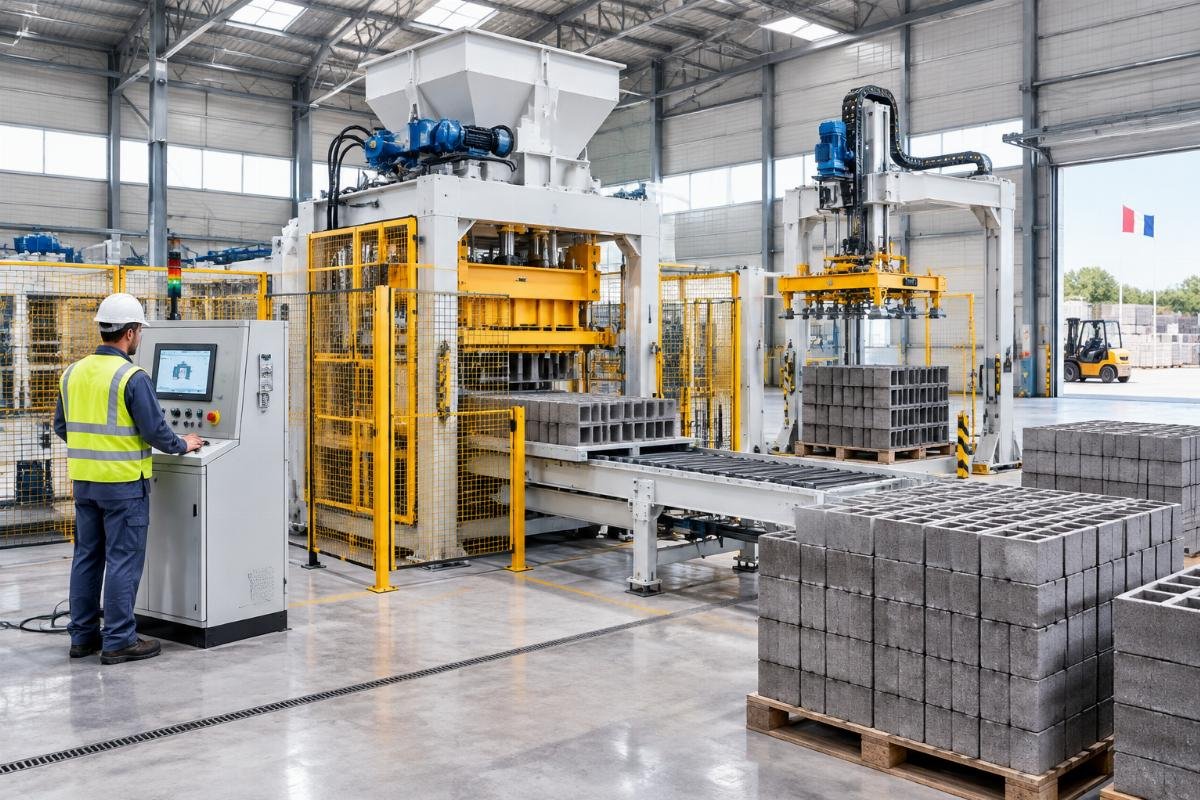
The assumption that competitive pricing alone secures contracts in Western Europe is a common misconception. In reality, the hidden costs of non-compliance—ranging from customs detention fees to rejected tender submissions—often exceed the initial capital expenditure difference between compliant and non-compliant equipment. A concrete block machine France case study reveals that the primary bottleneck for many importers is not the mechanical performance of the unit, but the administrative and technical validation required by EU authorities. [NEED_CITE: Common reasons for customs delays of industrial machinery in the EU]
Why Did This French Manufacturer Choose a Chinese Automated Line?
Balancing cost advantage with strict EU compliance requirements drives strategic sourcing decisions.
The decision to import heavy manufacturing equipment from Asia into the European market is rarely driven by price alone. For a mid-sized precast producer in Normandy, the choice involved a complex evaluation of total cost of ownership. While European manufacturers offer localized support, their premium pricing often limits scalability for growing businesses. The alternative—a high-capacity automated line from a specialized Asian manufacturer—offered a significant reduction in upfront capital outlay. However, this financial benefit was contingent upon meeting stringent regulatory standards.
The client’s primary concern was not the raw output speed, but the reliability of the supply chain and the legal standing of the equipment. They required a solution that could integrate seamlessly into an existing facility while adhering to French construction material standards. The concrete block machine France case study highlights that the manufacturer selected a supplier capable of providing not just hardware, but a complete compliance package. This included full alignment with the Machinery Directive and specific electrical safety standards required for operation in France. [NEED_CITE: Key components of EU Machinery Directive compliance for concrete machinery]
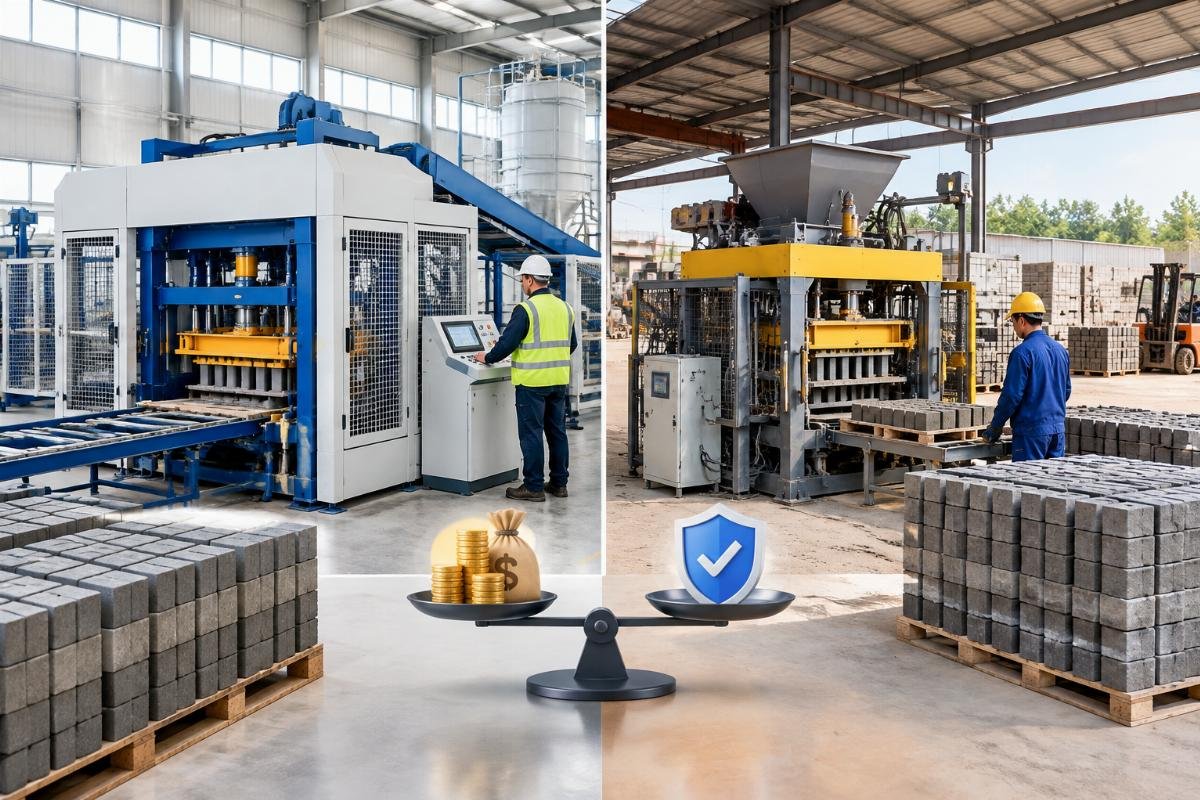
The selection process focused on the ability of the supplier to demonstrate prior success in similar regulatory environments. The presence of a verified concrete block machine France case study served as critical evidence. It proved that the equipment could withstand the rigorous inspection processes typical of French industrial zones. The manufacturer avoided suppliers who could only provide generic certificates, opting instead for one that offered detailed technical files tailored to the specific model being purchased. This approach mitigated the risk of operational shutdowns due to regulatory non-conformity.
Navigating the CE Certification Maze for Customs and Operation
The critical role of complete technical documentation in avoiding clearance delays cannot be overstated.
Customs clearance for industrial machinery in Europe is a procedural hurdle that requires meticulous preparation. A common pitfall for importers is relying on incomplete or outdated certification documents. In one instance, a shipment faced significant delays because the CE markings were present, but the accompanying technical file lacked the necessary risk assessment details in the local language. This omission triggered a manual inspection, resulting in weeks of storage fees and potential demurrage charges. [NEED_CITE: Importance of technical files for CE marked machinery imports]
To prevent such issues, the supplier provided a comprehensive documentation package that went beyond basic certification. This included a declaration of conformity, detailed user manuals in French, and SGS reports verifying the structural integrity of the machine. The concrete block machine France case study demonstrates that having these documents ready before shipment is essential. The technical file must clearly outline the safety measures implemented during design and manufacturing, ensuring that inspectors can quickly verify compliance without requesting additional information.
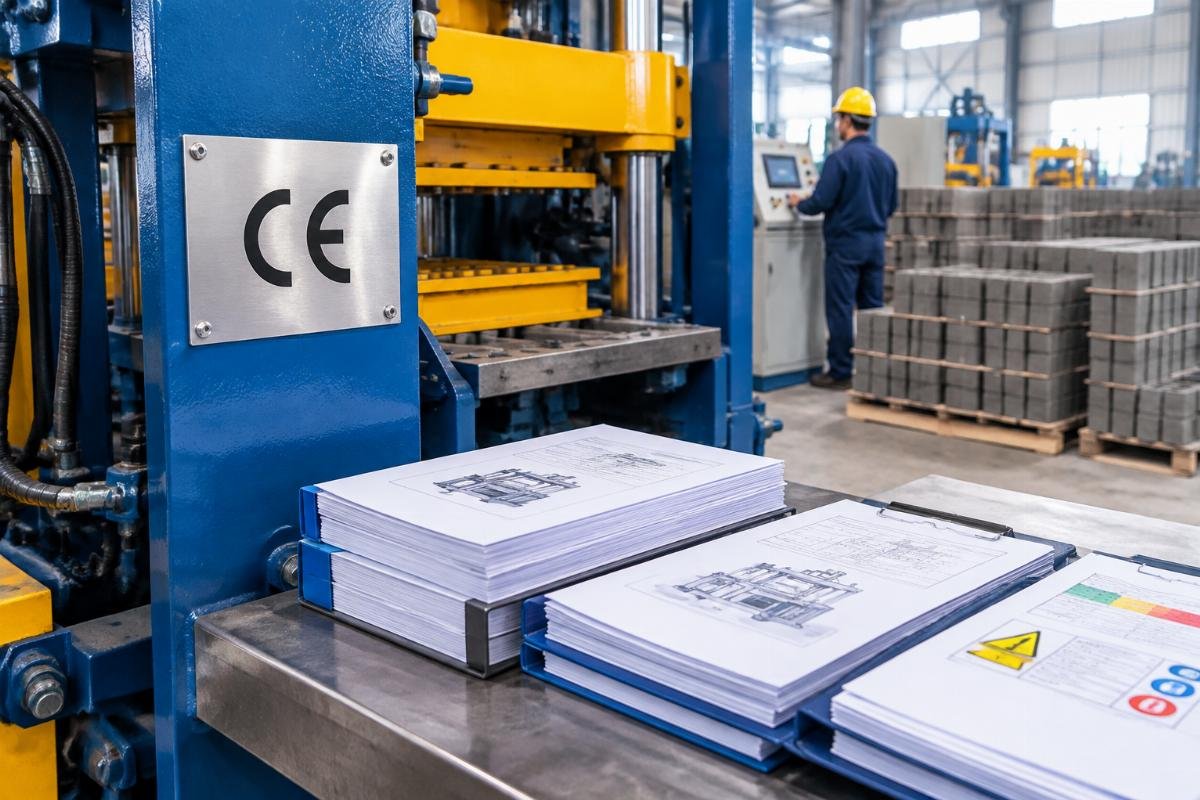
The process also involved verifying that the electrical components met European standards. Many Asian-manufactured machines use components that are not universally recognized in the EU. By specifying CE-certified electrical parts from reputable brands, the supplier ensured that the entire system, not just the mechanical frame, was compliant. This attention to detail prevented potential rejection during the final installation inspection by local safety officers. The concrete block machine France case study shows that proactive management of these details saves time and money, allowing the project to proceed without unexpected interruptions.
From Installation to Full Output: The Turnkey Execution Process
Structured operator training and remote support ensure rapid ramp-up and minimize initial waste.
Installation of a fully automatic block line is a complex task that requires precise coordination. The physical assembly is only part of the challenge; configuring the PLC system and calibrating the molds to meet French tolerance standards is equally critical. In the referenced concrete block machine France case study, local engineers initially rejected the mold specifications due to minor tolerance discrepancies. This required several revision cycles to achieve the desired precision, highlighting the importance of clear communication and technical flexibility. [NEED_CITE: Standard tolerance requirements for precast concrete blocks in France]
To address this, the supplier implemented a structured turnkey training program. Instead of relying solely on remote instructions, experienced technicians were deployed to the site to oversee the commissioning process. They worked closely with local operators, providing hands-on training on machine operation, maintenance, and troubleshooting. This approach significantly reduced the learning curve, allowing the team to reach target output levels faster than anticipated. The reduction in initial waste rate was noticeable, as operators gained confidence in handling the automated systems.
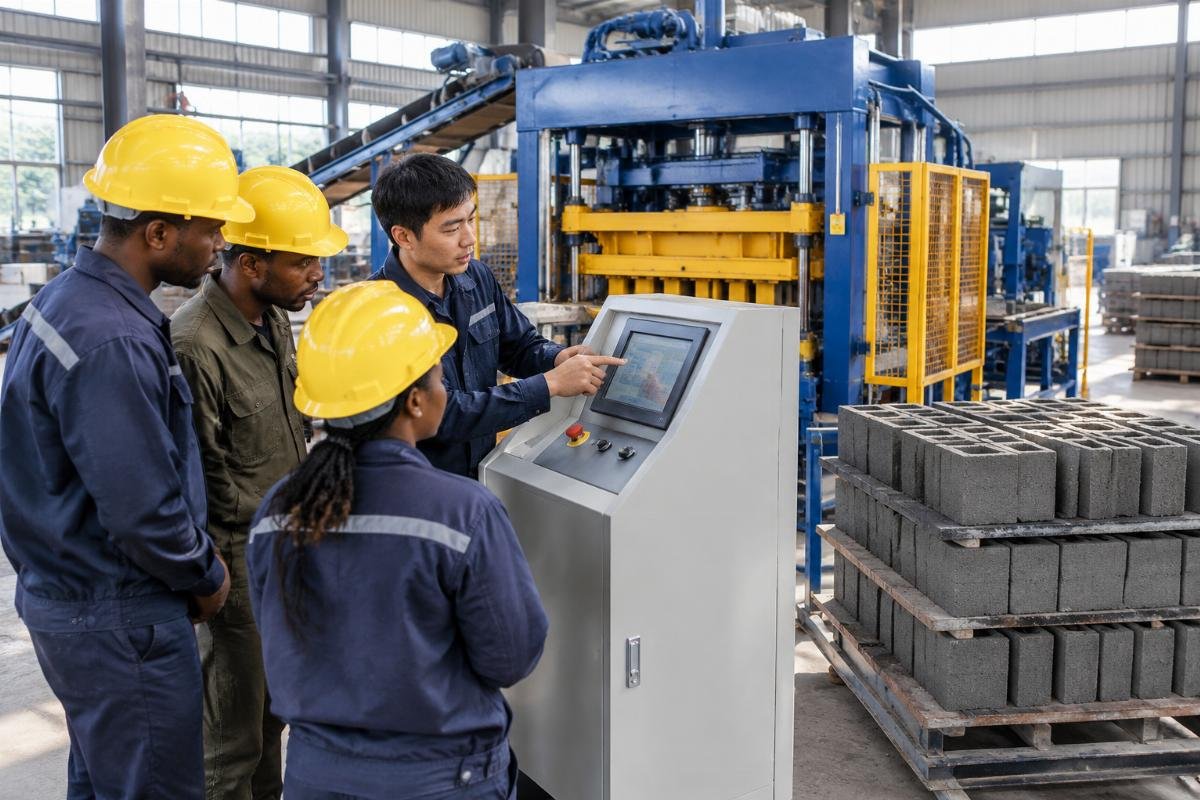
Remote diagnostic assistance played a crucial role in maintaining operational efficiency after the initial setup. The PLC-automated production lines are designed for 24/7 duty capacity, but occasional software adjustments may be needed. The supplier’s ability to provide real-time support via digital platforms ensured that minor issues were resolved quickly, preventing prolonged downtime. The concrete block machine France case study illustrates that a combination of on-site expertise and ongoing remote support creates a resilient operational framework, enabling the plant to maintain consistent quality and productivity.
Measuring ROI: Efficiency Gains in a High-Standard Market
Data-driven results show reduced labor costs and increased daily output through automation.
The ultimate measure of success for any industrial investment is return on investment. In the context of the concrete block machine France case study, the ROI was driven by two main factors: labor efficiency and production consistency. The transition from semi-automatic to fully automatic operations reduced the number of personnel required per shift. This reduction in labor costs was substantial, offsetting the initial investment over a reasonable period. Additionally, the automated palletizing and cubing systems improved handling efficiency, reducing the risk of product damage during storage and transport.
Energy consumption per block was another key metric monitored during the evaluation. The new line featured optimized hydraulic systems and energy-efficient motors, leading to lower operational costs compared to older equipment. The concrete block machine France case study indicates that these efficiency gains contributed to a healthier profit margin, even in a competitive market with strict pricing pressures. The ability to produce high-quality blocks consistently allowed the manufacturer to secure contracts with major infrastructure projects, further enhancing revenue stability.
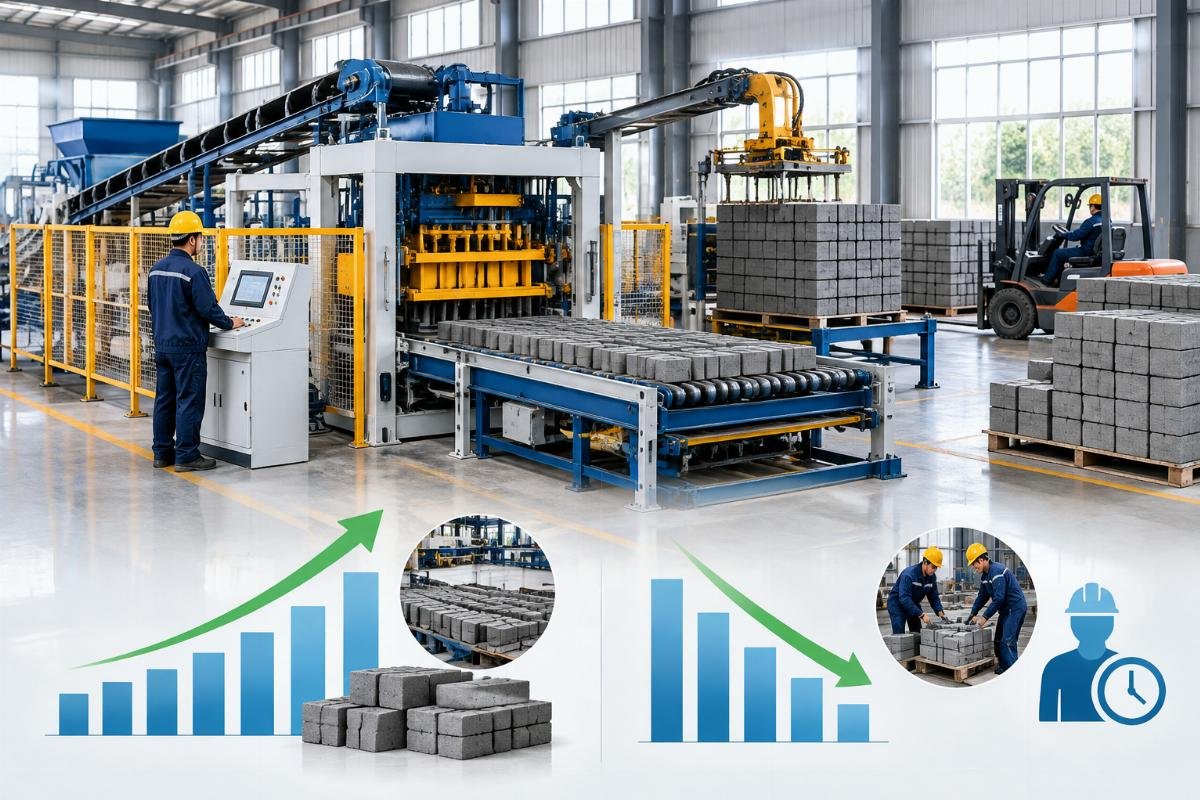
The integration of advanced features such as color feeders for decorative pavers also opened new market opportunities. The flexibility of the QT series machines allowed the producer to diversify their product range without significant additional investment. This adaptability is crucial in the European market, where aesthetic standards for paving and construction materials are high. The concrete block machine France case study confirms that investing in versatile, compliant automation provides a competitive edge, enabling manufacturers to respond quickly to changing market demands while maintaining operational excellence.
Conclusion
Compliance and training are the true drivers of value in European machinery imports.
The successful deployment of a concrete block machine France case study demonstrates that technical excellence must be paired with regulatory rigor. By prioritizing CE certification, detailed documentation, and comprehensive training, manufacturers can navigate the complexities of the European market effectively. This approach not only ensures smooth customs clearance and installation but also maximizes long-term operational efficiency and profitability.

Industry expert sharing insights about concrete machinery, block making technology and turnkey production solutions.
View all posts →
Leave a Reply