

Compressed Earth Block Machine for Sale in Denmark Wholesale
Cold climates do not inherently prevent high-quality compressed earth block production; they simply demand stricter moisture management and indoor curing protocols.
Successful deployment of a compressed earth block machine Denmark projects rely less on raw hydraulic power and more on precise adaptation to local soil granulometry and ambient humidity levels. While many assume that tropical conditions are ideal for earthen construction due to rapid drying, controlled indoor environments in Northern Europe often yield superior block density and structural consistency when technical parameters are correctly calibrated. The core challenge is not the machine itself, but the integration of soil stabilization techniques with climate-appropriate curing cycles to meet rigorous European building standards.
I recall a specific shipment destined for a contractor near Copenhagen. The equipment arrived via DDP, ready for immediate operation. However, the initial batches failed quality checks due to unexpected cracking during the drying phase. The issue was not mechanical failure but a mismatch between the standard water-cement ratio used in warmer export markets and the low-humidity, heated indoor environment where the Danish client was operating. By adjusting the mix design and extending the curing time under covered racks, we resolved the structural integrity issues without changing the core machinery. This experience underscores that buying a compressed earth block machine Denmark requires a holistic view of the entire production ecosystem, not just the press unit.
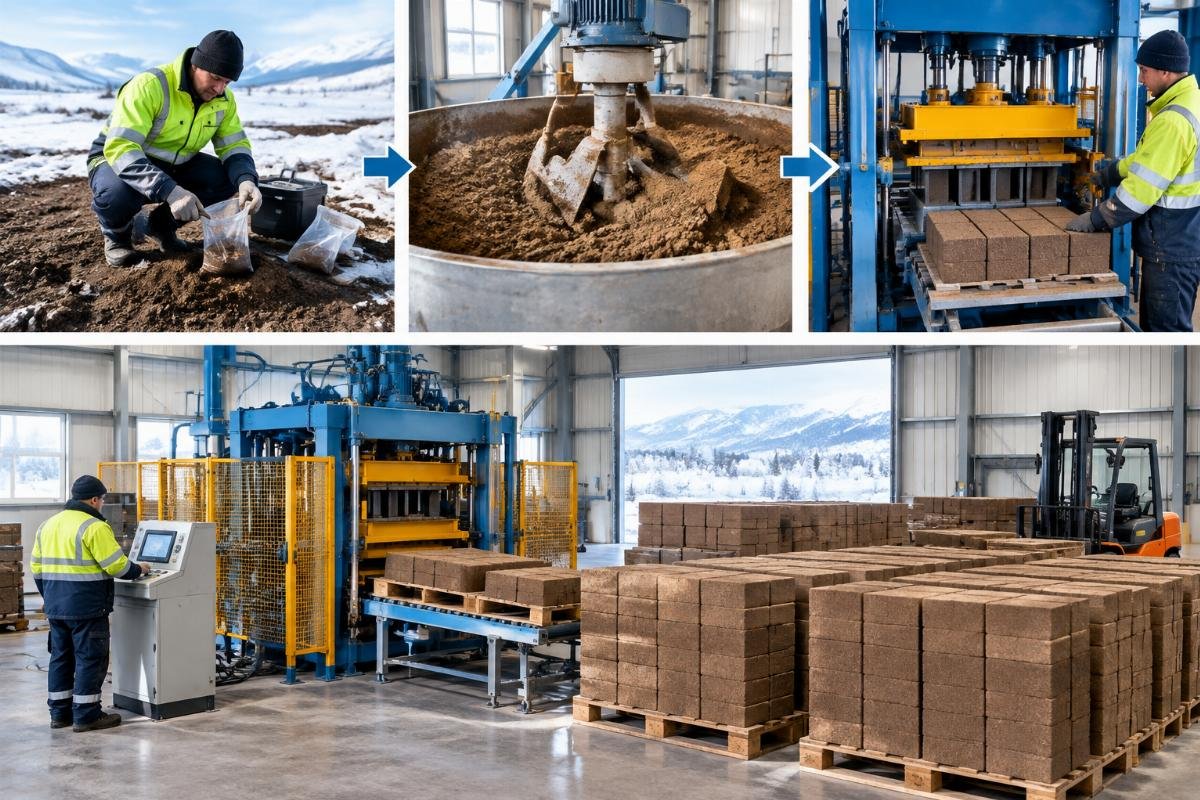
Transitioning from manual assumptions to data-driven configuration is the first step toward operational stability. The following sections detail how technical adjustments transform climatic challenges into competitive advantages for sustainable construction projects.
Why Did the Initial Deployment Face Resistance?
Standard machine settings often clash with the unique organic content and moisture retention properties of Northern European soils.
When introducing a compressed earth block machine Denmark based projects, the most common point of friction is soil compatibility. Many contractors arrive with soil samples that appear suitable visually but contain high levels of organic matter or clay particles that behave differently under pressure compared to sandy substrates found in other regions. In one instance, a client faced rejection of their initial block batch because the organic content caused uneven compression and weak bonding. The solution was not to increase pressure, which would have damaged the mold, but to introduce a stabilizer ratio based on laboratory granulometry analysis.
Soil pre-treatment becomes critical in these scenarios. Adding a small percentage of lime or cement can significantly improve the plasticity index and binding capacity of local earth. [NEED_CITE: relationship between soil plasticity index and stabilizer ratio in earthen construction] This adjustment ensures that the blocks maintain their shape during ejection and achieve the required compressive strength after curing. Without this step, even the most advanced hydraulic system will produce inconsistent results.
The resistance often stems from a lack of prior testing. Contractors may assume that local topsoil is ready for immediate use, overlooking the need for sieving and stabilization. By implementing a strict protocol for soil analysis before machine configuration, producers can avoid costly waste and rework. This proactive approach turns potential failure points into verified quality controls, ensuring that every block meets the necessary durability standards for residential or commercial use.
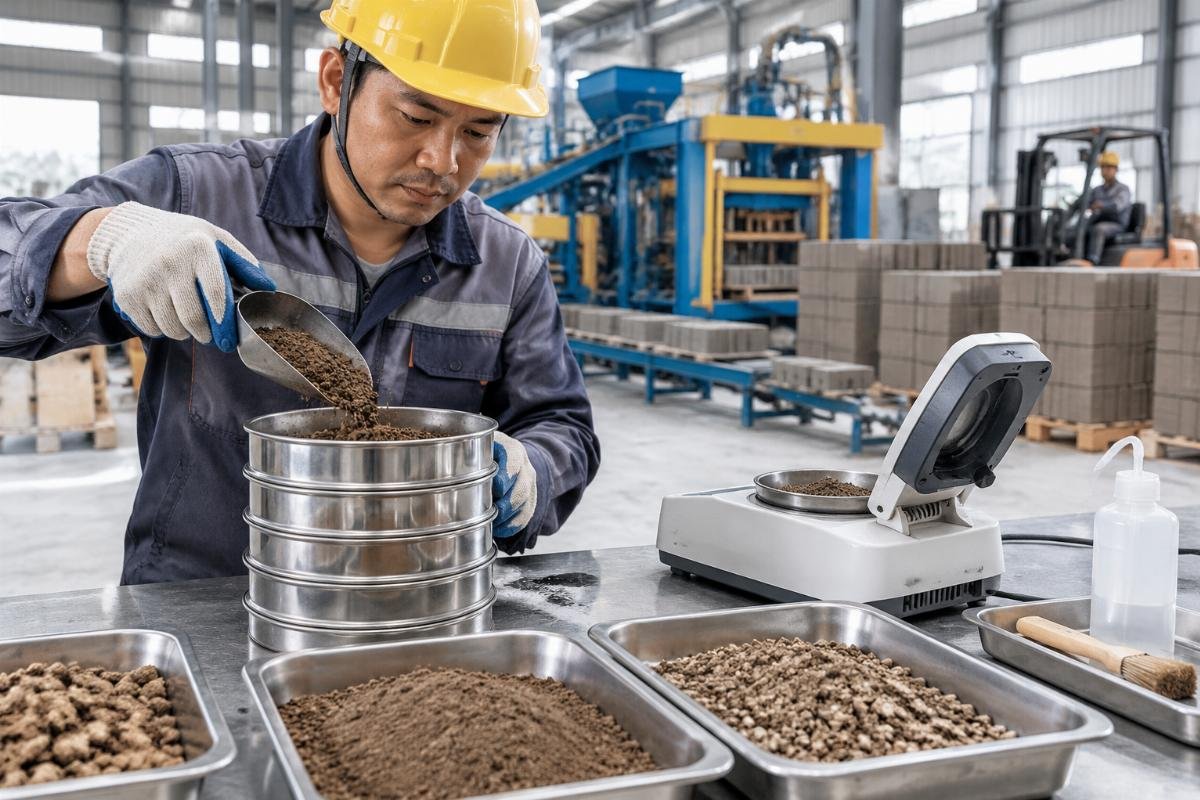
Understanding the specific characteristics of the local earth allows for precise calibration of the compressed earth block machine Denmark operations. It shifts the focus from brute force to intelligent adaptation, aligning mechanical output with material reality.
How Was the Technical Configuration Adjusted?
Remote diagnostic capabilities and customizable mold parameters are essential for handling fine particulate matter and varying soil densities.
Adjusting a compressed earth block machine Denmark facilities involves more than just turning knobs; it requires a deep understanding of how hydraulic pressure interacts with soil composition. In Nordic climates, clay-heavy soils often require lower pressure but longer hold times to prevent lamination defects. High pressure applied too quickly can trap air pockets or cause micro-fractures that weaken the final product. By reducing the peak pressure and extending the dwell time, the machine allows the soil particles to settle uniformly, resulting in denser and more durable blocks.
Moisture control is another critical factor. Initial attempts at production often fail due to rapid drying in heated indoor spaces, leading to surface cracks. Adjusting the water-cement ratio by a small margin and introducing covered curing racks helps maintain consistent humidity during the critical early stages of hardening. [NEED_CITE: impact of curing humidity on compressive strength of stabilized earth blocks] This method prevents the outer layer from drying faster than the core, which is a common cause of structural weakness.
Shiyue’s remote diagnostic capability played a pivotal role in resolving these issues. Instead of sending technicians across continents, we utilized real-time data feedback to tweak mold parameters and sealing upgrades. This approach minimized downtime and allowed the client to continue production while optimizations were implemented. The ability to customize molds for specific soil types ensures that the machine performs optimally regardless of local variations in earth composition.
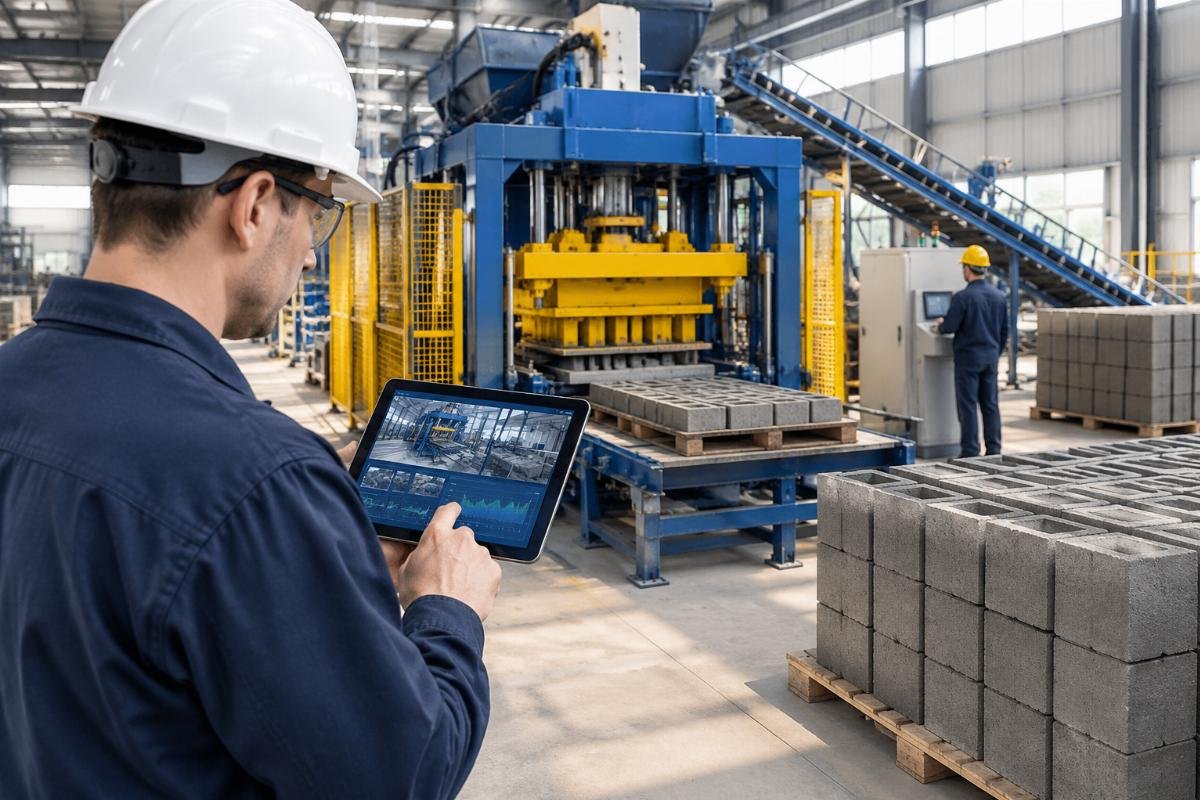
These technical adjustments highlight the importance of flexibility in machine design. A rigid, one-size-fits-all approach fails in diverse geological contexts. By embracing customization and remote support, producers can achieve high efficiency and quality consistency with their compressed earth block machine Denmark investments.
What Role Did Soil Testing Play in Success?
Pre-production soil analysis determines the exact stabilizer ratios needed for consistent block quality and regulatory compliance.
Soil testing is not merely a formality; it is the foundation of successful earth block production. For any project involving a compressed earth block machine Denmark, understanding the granulometric distribution of the local earth is crucial. Different soil types require different amounts of stabilizer to achieve the desired strength and durability. Without accurate data, producers risk using too much cement, which increases costs unnecessarily, or too little, which compromises structural integrity.
The process begins with collecting representative samples from the excavation site. These samples are then analyzed for particle size distribution, organic content, and moisture retention capacity. Based on these findings, a mix design is developed that specifies the exact ratio of soil, stabilizer, and water. [NEED_CITE: standard protocols for soil stabilization in earthen construction] This scientific approach removes guesswork and ensures that every batch of blocks meets the required performance criteria.
In the Danish case, soil testing revealed a higher-than-expected clay content. This insight led to the adjustment of the stabilizer ratio and the modification of the mixing process to ensure thorough homogenization. The result was a significant improvement in block uniformity and strength. By prioritizing soil testing, the contractor avoided costly trial-and-error phases and accelerated the path to full-scale production.
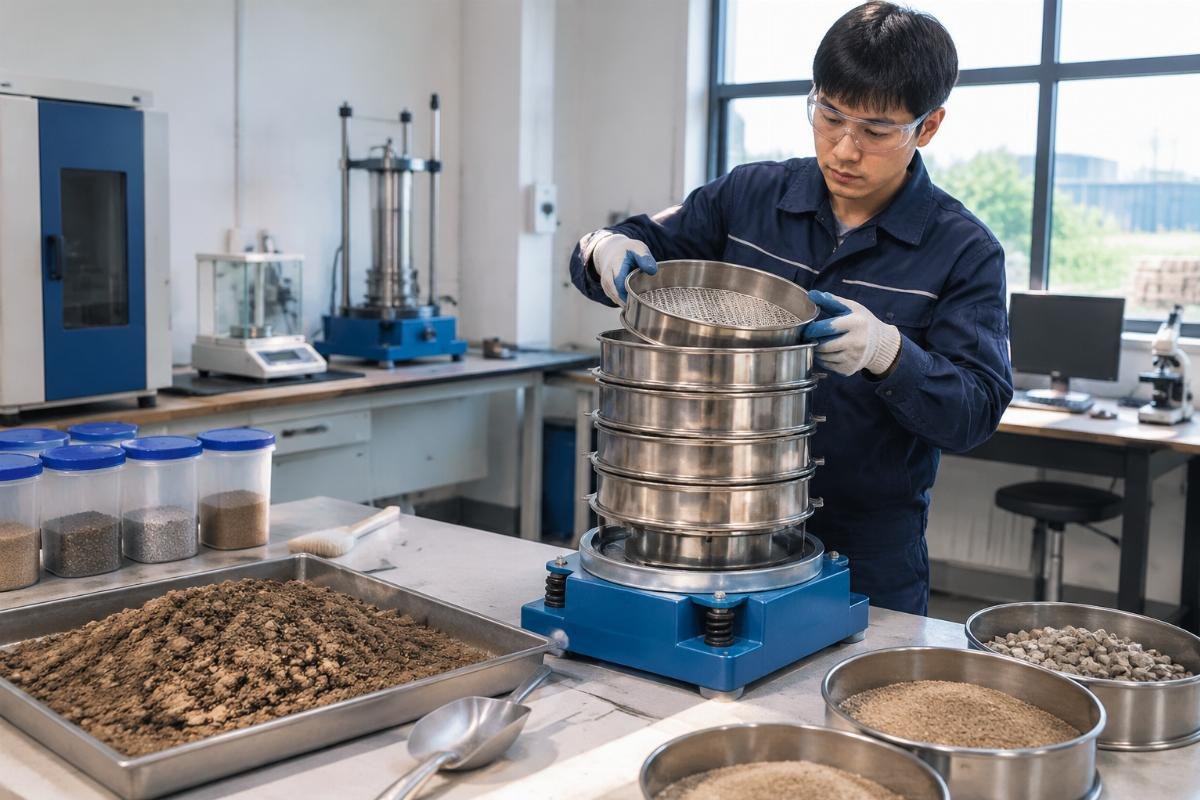
Integrating soil testing into the workflow transforms raw earth into a predictable engineering material. It empowers producers to make informed decisions about mix designs and machine settings, ensuring that their compressed earth block machine Denmark operations are both efficient and compliant with local building codes.
How Did This Impact Project ROI?
Long-term savings from reduced material waste and increased block durability outweigh the initial investment in technical calibration.
The financial benefits of properly configuring a compressed earth block machine Denmark extend far beyond immediate production metrics. By reducing material waste through precise mix designs and minimizing rework due to cracking, contractors can significantly lower their operational costs. Additionally, blocks produced with optimized curing and stabilization techniques exhibit greater durability, reducing maintenance needs over the lifespan of the building.
Labor efficiency also improves with semi-automated systems. Transitioning from manual feeding to a semi-auto hopper system reduces physical strain on workers and increases output consistency. This shift allows smaller teams to manage larger production volumes, further enhancing profitability. [NEED_CITE: labor cost reduction trends in automated block production lines] The initial investment in technical adjustments and automation pays off through sustained operational efficiency and higher product quality.
Moreover, producing high-quality eco-friendly blocks opens up new market opportunities. With growing demand for sustainable construction materials, contractors who can reliably deliver certified earth blocks gain a competitive edge. This market positioning can lead to higher contract values and long-term partnerships with developers focused on green building certifications.
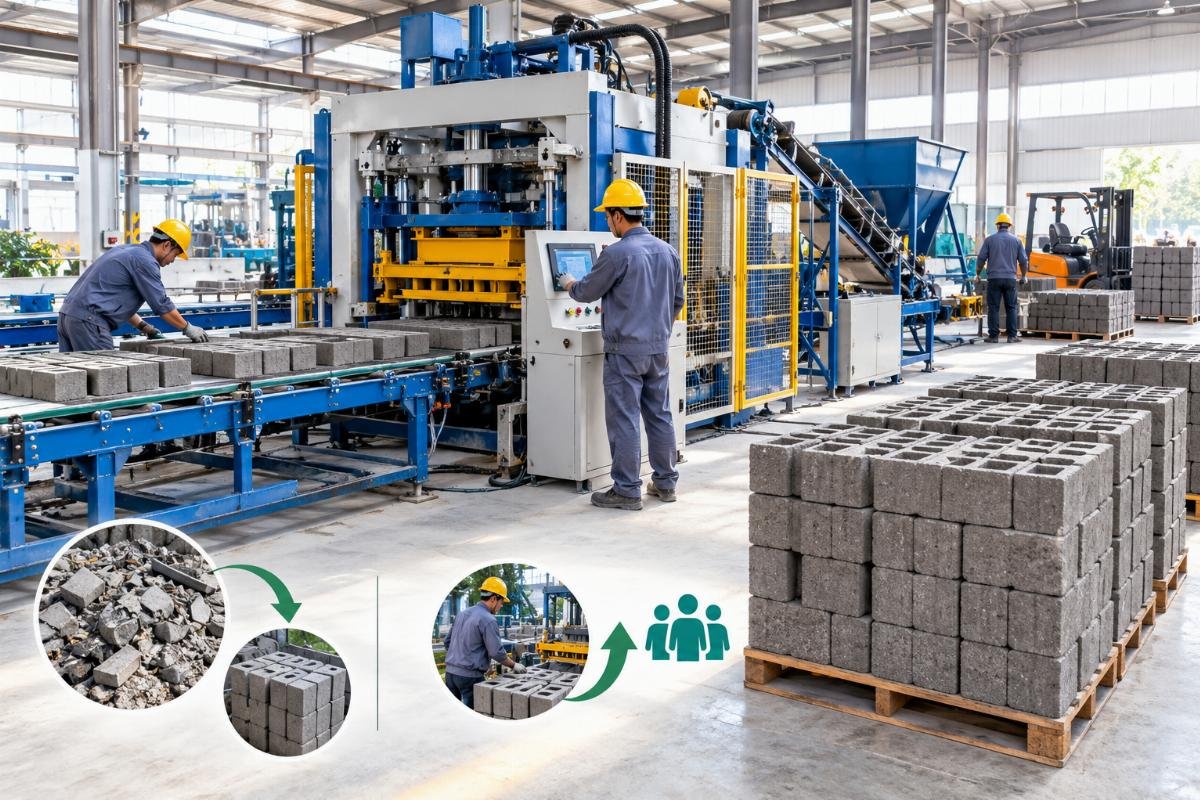
Ultimately, the ROI of a compressed earth block machine Denmark project is maximized when technical precision meets operational discipline. By focusing on quality and efficiency, producers can build a sustainable business model that thrives in the evolving landscape of eco-conscious construction.
Conclusion
Adapting technology to local conditions is the key to unlocking the potential of sustainable earth construction.
Success with a compressed earth block machine Denmark hinges on understanding the interplay between soil properties, climate, and machine configuration. By prioritizing soil testing, optimizing moisture control, and leveraging remote technical support, contractors can overcome initial challenges and achieve consistent, high-quality production. This approach not only ensures regulatory compliance but also enhances long-term profitability through reduced waste and improved efficiency.

Industry expert sharing insights about concrete machinery, block making technology and turnkey production solutions.
View all posts →
Leave a Reply