

QT4-15 to QT12-15 Paver Block Machine Manufacturer for Sale 2026
The cheapest machine is often the most expensive investment.
In 2026, the smartest buyers in Africa, MENA, and Latin America are not looking for the lowest sticker price on a Global Paver Block Machine Market 2026 report. They are calculating Total Cost of Ownership (TCO). The core shift is clear: procurement has moved from buying hardware to buying reliability. Buyers now prioritize PLC stability, hydraulic consistency, and mold durability over initial capital expenditure. This means selecting a Global Paver Block Machine Market 2026 partner who provides transparent Bill of Materials (BOM) verification rather than just a glossy brochure.
I remember standing at a booth in Hanover, watching a seasoned German contractor dissect a quote. He did not ask about the output capacity first. He asked for the brand of the PLC, the tonnage of the hydraulic station, and the specific grade of steel used in the molds. When I initially offered a standard domestic configuration, he pulled out a spreadsheet comparing component lifecycles. That moment changed how I approach every inquiry. It is not about selling a machine; it is about validating the production logic behind it. [NEED_CITE: industrial automation reliability standards]
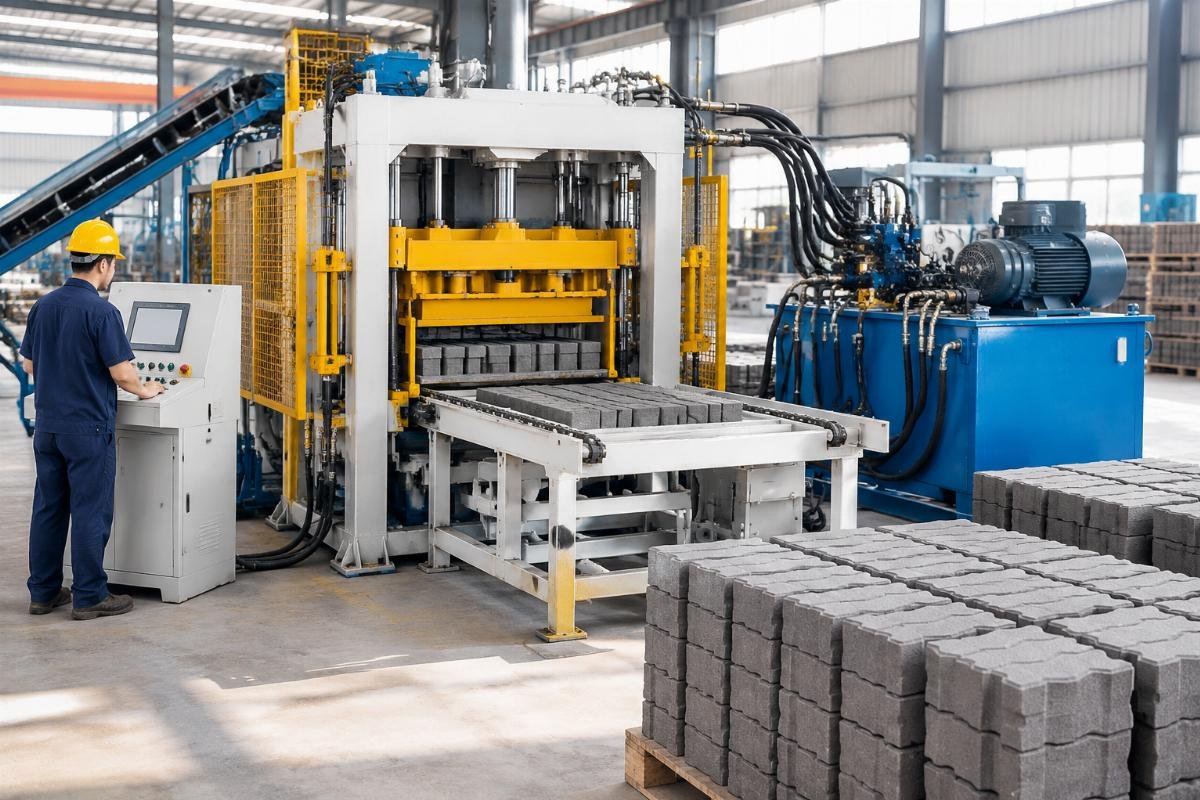
This article breaks down why the market is shifting, how automation drives real ROI, and what technical specs actually matter when you are ready to invest.
What Are the Key Drivers Shaping the 2026 Paver Machine Market?
Urbanization in emerging economies is no longer just about volume; it is about speed and standardization.
The demand for high-output, automated production lines is being driven by strict government infrastructure projects. In many African and Latin American countries, public housing tenders now require dimensional tolerances that manual or semi-automatic machines simply cannot maintain consistently. [NEED_CITE: regional infrastructure investment data World Bank AfDB]
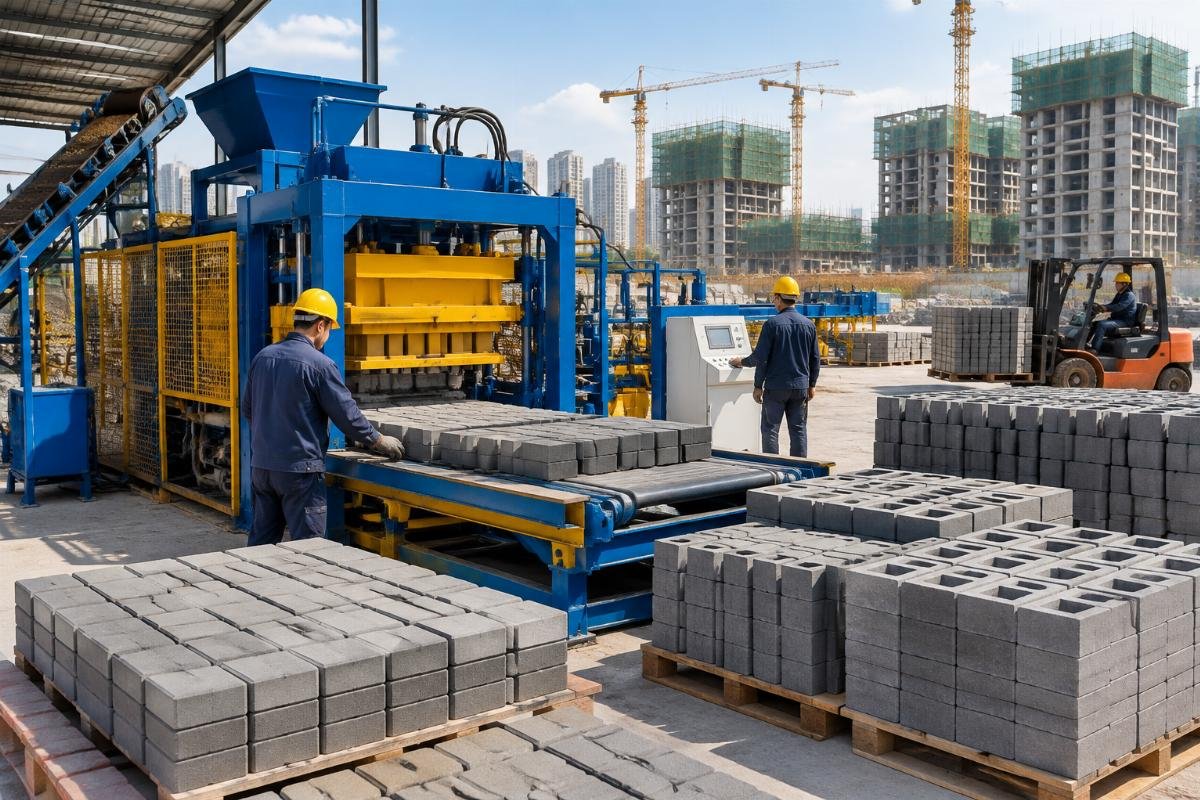
I have seen this firsthand in recent projects. A housing developer in West Africa switched from manual molding to a fully automatic line because their previous batches were rejected for inconsistent thickness. The issue was not the concrete mix; it was the human variable in feeding and pressing. By moving to an automated system, they eliminated the variability of manual labor. This trend is a major component of the Global Paver Block Machine Market 2026 analysis.
The driver is not just labor cost, which is rising globally, but labor availability and skill consistency. An automatic line does not get tired, does not vary its feeding pressure, and does not take breaks. For large-scale projects, this consistency is non-negotiable.
How Is Automation Changing ROI for Block Manufacturers?
PLC-controlled lines reduce labor dependency and material waste, significantly improving long-term profitability.
Many startups believe that manual machines are safer because they require less capital. This is a dangerous misconception. Semi-automatic lines often fail due to inconsistent human feeding, leading to high rejection rates. In contrast, entry-level automatic lines ensure uniform quality from day one. [NEED_CITE: concrete production efficiency studies]
Consider a case from the Middle East. A paver producer upgraded their hydraulic system and moved to a PLC-controlled setup. Before the upgrade, their rejection rate for interlocking bricks was in the double digits due to poor density and surface cracks. After the upgrade, the rejection rate dropped to a negligible level. The savings from reduced material waste paid for the upgrade faster than the increased output alone would have.
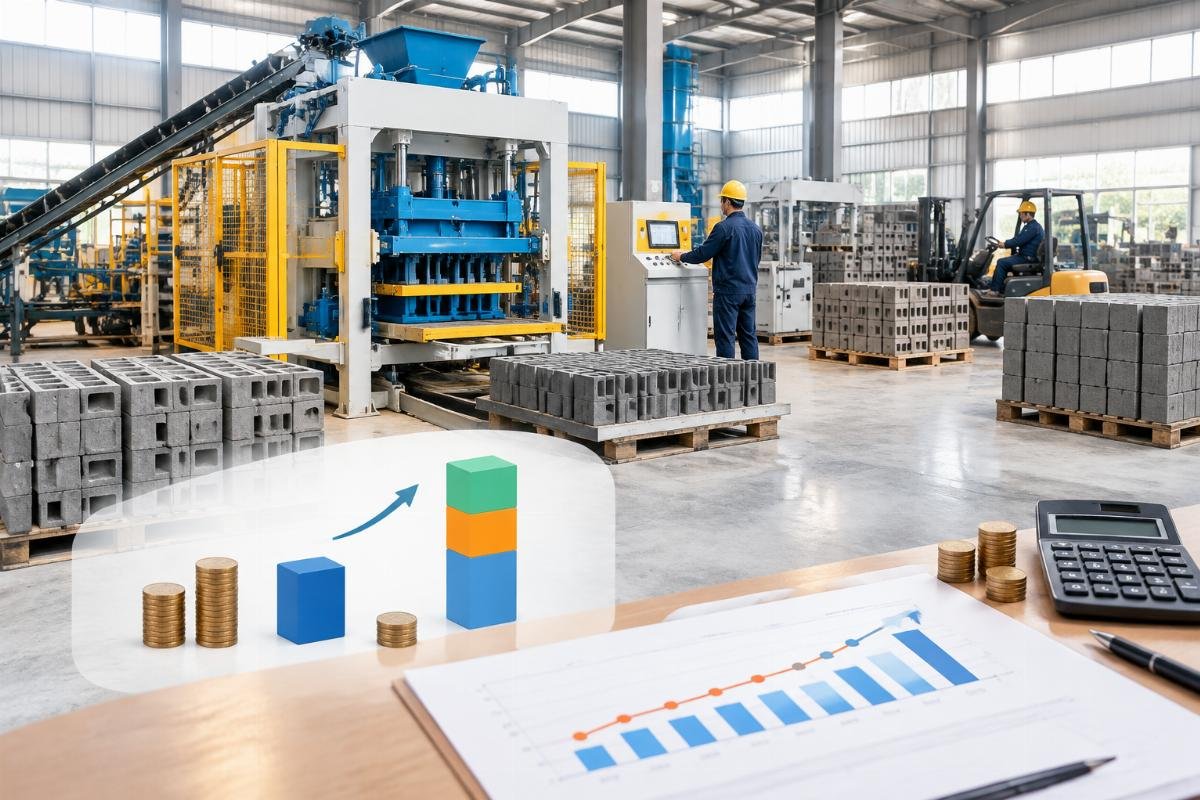
When analyzing automatic paver machine ROI analysis, you must look beyond the machine price. Calculate the cost of wasted cement per rejected block. Multiply that by your daily output. Then factor in the labor hours saved by not having to sort and discard defective products. For a LatAm startup we worked with, a turnkey package with comprehensive training cut their break-even period to under two years, despite a higher initial capex. The key was not just the machine, but the operational discipline it enforced.
Shiyue’s turnkey QT series solutions are designed with this balance in mind. We do not just ship a box; we provide the operational framework that makes the ROI calculable and achievable. This approach is becoming a benchmark in the Global Paver Block Machine Market 2026.
Which Technical Specifications Matter Most for Durability?
Focus on hydraulic system tonnage, mold steel hardness, and PLC brand reliability rather than just output capacity.
It is easy to be dazzled by a machine that claims to produce thousands of blocks per hour. But if the hydraulic pressure fluctuates, those blocks will have weak spots. If the mold steel is soft, the dimensions will drift after a few thousand cycles. [NEED_CITE: ISO standards for concrete products]
Here is what you should verify in the BOM:
- Hydraulic Pressure Stability: Look for systems that maintain consistent bar pressure throughout the compression cycle. Fluctuations lead to uneven density.
- PLC Response Time: A fast, reliable PLC ensures that the feeding, pressing, and ejecting sequences are synchronized perfectly. Lag here causes jams and misshaped blocks.
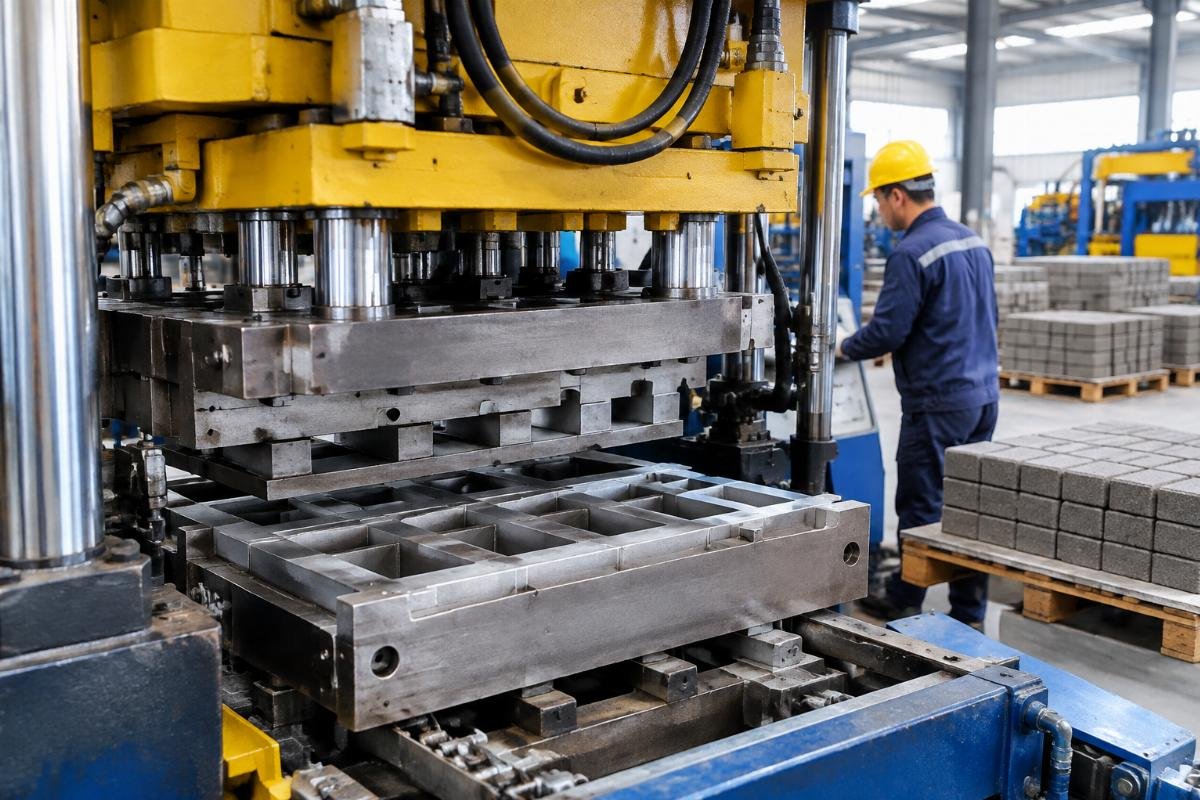
- Mold Steel Grade: This is critical. High-quality alloy steel with proper heat treatment ensures the mold retains its shape and surface finish for extended service life.
I once had a client who bought a machine based solely on its output rating. Within months, the mold walls wore down, and the blocks became tapered. They had to replace the mold far earlier than expected. The initial savings on the machine were wiped out by the premature mold replacement and production downtime.
When evaluating a Global Paver Block Machine Market 2026 supplier, ask for the specific steel grade used in the molds and the brand of the hydraulic pumps. Do not accept "high quality" as an answer. Ask for the spec sheet.
Why Are Emerging Markets Shifting Away from Manual Production?
Rising labor costs and stricter quality standards make manual methods economically unviable for large projects.
The narrative that manual machines are better for startups is fading. In reality, the hidden costs of manual production—quality control, labor turnover, and inconsistent output—are becoming prohibitive. [NEED_CITE: international construction market reports]
In many regions, governments are enforcing stricter building codes. Blocks must meet specific compressive strength and dimensional accuracy standards. Manual production struggles to meet these consistently. A batch that looks good in the morning might be subpar in the afternoon due to worker fatigue.
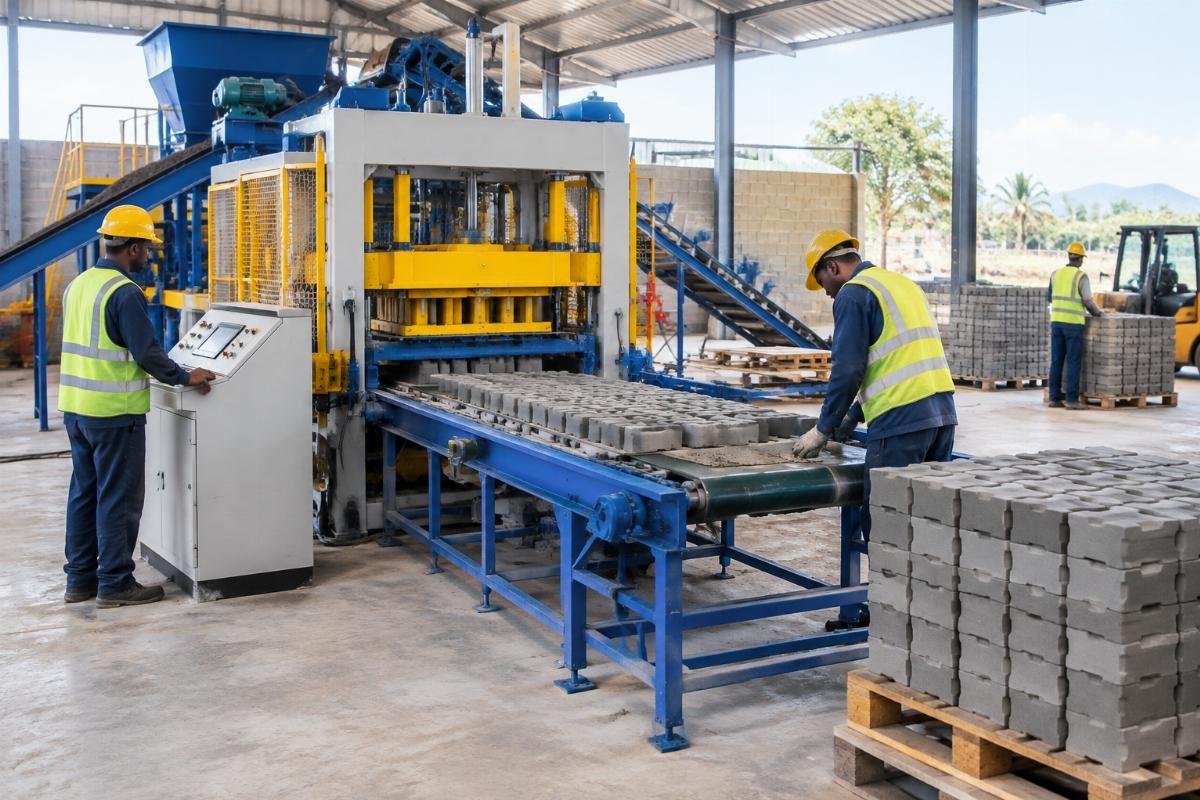
An African housing project we supported shifted from manual to a QT8-15 line. The result was not just higher output. The labor requirement dropped significantly, and more importantly, every block met the strict government dimensional tolerances. This allowed them to bid on larger, more lucrative contracts that required certified quality.
This shift is a defining trend in the Global Paver Block Machine Market 2026. Buyers are realizing that automation is not a luxury; it is a necessity for competitiveness. The ability to produce certified, uniform blocks consistently is what wins tenders and builds reputation.
Furthermore, the availability of skilled labor for manual operations is decreasing. Younger workers are less interested in heavy, repetitive manual labor. Automated lines attract a different type of operator—one who manages a system rather than performing brute force tasks. This improves retention and operational stability.
Conclusion
Buy the process, not just the machine.
The 2026 market rewards those who look beyond the initial price tag. By focusing on TCO, verifying technical specifications, and embracing automation, manufacturers in emerging markets can secure long-term profitability. The Global Paver Block Machine Market 2026 is defined by this shift towards intelligent, reliable, and efficient production systems. Choose a partner who understands that your success depends on the consistency of every single block you produce.

Industry expert sharing insights about concrete machinery, block making technology and turnkey production solutions.
View all posts →
Leave a Reply