

Multi-Site Govt Paver Block Machine Supplier for Sale
Standardizing equipment across multiple sites does not guarantee uniform output if local infrastructure is ignored.
For government contractors managing multi-site public works, the most reliable strategy is to deploy identical QT series automatic block machine for government projects configurations while conducting rigorous pre-installation audits of voltage stability and raw material composition. This approach minimizes maintenance complexity and ensures consistent product quality, but it requires adapting operational parameters to local conditions rather than relying solely on machine automation.
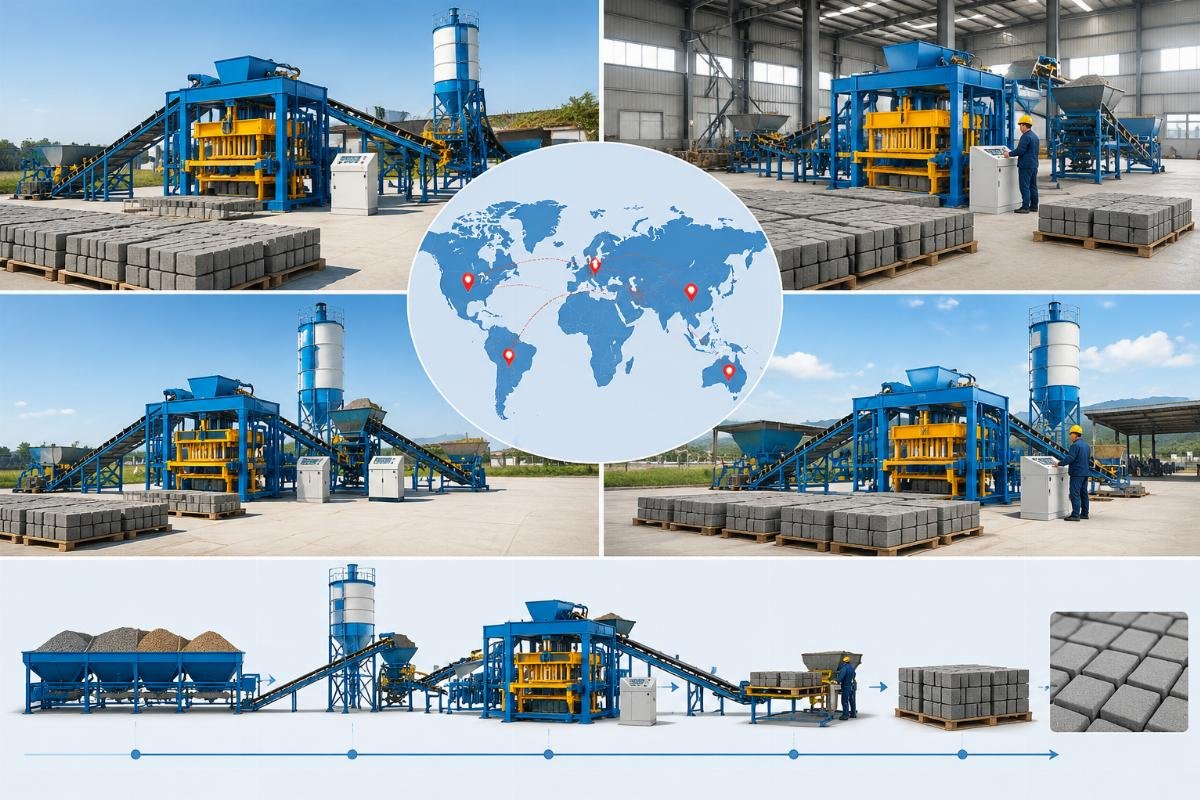
Having started my career welding frames in a Linyi workshop before moving into international project coordination, I have seen how quickly a well-planned rollout can stall when site-specific realities clash with theoretical specifications. The assumption that higher automation automatically resolves production inconsistencies is a common misconception. In reality, the mismatch between sophisticated machinery and unstable local utilities often causes more downtime than mechanical failure. [NEED_CITE: impact of power quality on hydraulic system performance]
Why Do Multi-Site Projects Fail to Standardize?
Lack of pre-site assessment leads to inconsistent output despite identical hardware.
When a government agency awards contracts for affordable housing or road paving across several regions, the instinct is to order the same fleet of machines to simplify logistics. While this reduces spare parts inventory and streamlines operator training, it ignores the variable nature of local infrastructure. A multi-site paver block production line is only as strong as its weakest utility connection.
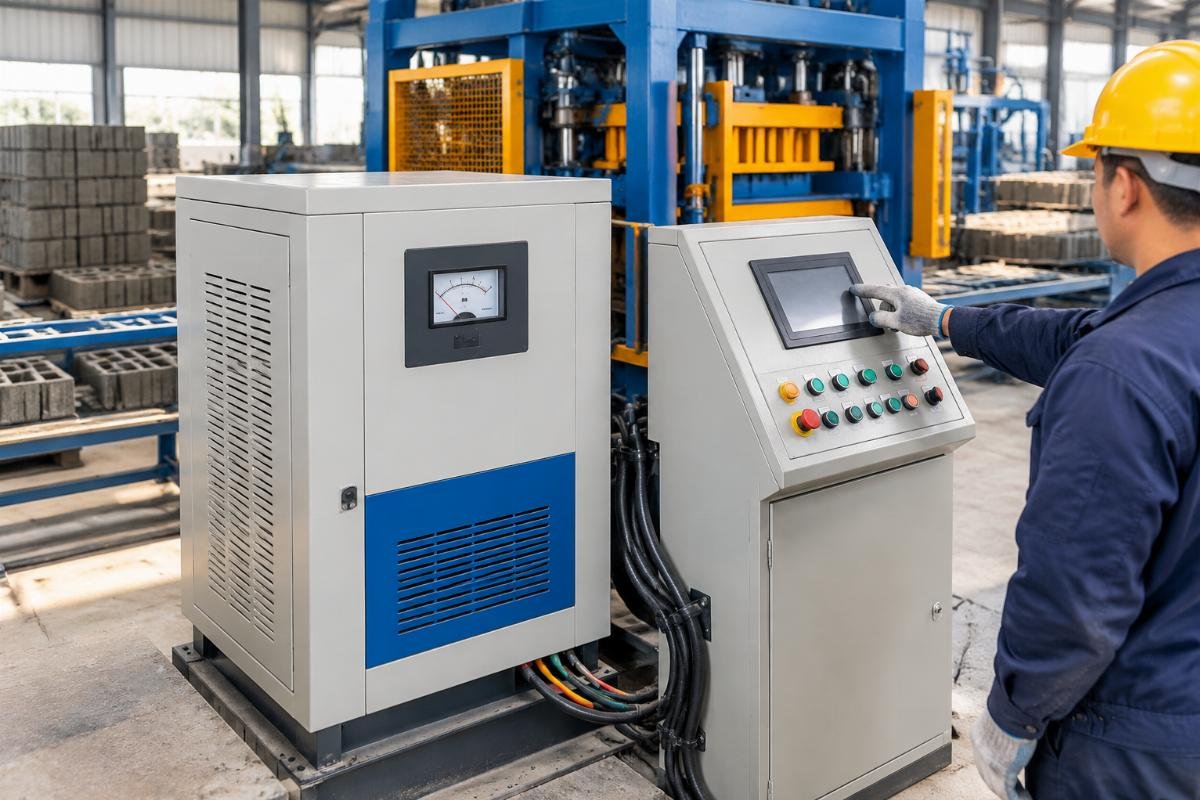
In one instance, a project in West Africa deployed identical units across five locations. Three sites operated at full capacity, while two struggled with frequent stoppages. The difference was not in the machinery but in the local power grid. Sites with unstable voltage experienced significant drops in molding efficiency because the hydraulic pumps could not maintain consistent pressure during fluctuations. [NEED_CITE: relationship between voltage stability and hydraulic pressure consistency]
Without a prior audit, these issues remain hidden until commissioning. By then, the project timeline is already under pressure. The solution involves installing voltage stabilizers and adjusting hydraulic settings to tolerate wider input ranges, but these adjustments are reactive rather than proactive. A comprehensive site audit checklist should include power stability metrics, water quality analysis, and aggregate grading before any equipment is shipped. [NEED_CITE: standard pre-installation site audit protocols for heavy machinery]
The Hidden Cost of "Off-the-Shelf" Solutions
Local utility mismatches cause significant downtime that outweighs initial equipment savings.
Many buyers assume that a standardized concrete block equipment for infrastructure package is ready to run upon arrival. However, "off-the-shelf" configurations often fail to account for regional variations in raw materials and energy supply. The cost of retrofitting machines on-site is frequently higher than the initial savings from bulk purchasing.
Consider the case of a road paving project in Southeast Asia. The local sand had a higher clay content than the standard specification used in the factory’s testing lab. This led to surface cracking in the finished pavers, requiring extensive rework. The issue was not a defect in the machine but a mismatch between the mixing ratio and the local aggregate properties. [NEED_CITE: effect of clay content in sand on concrete block integrity]
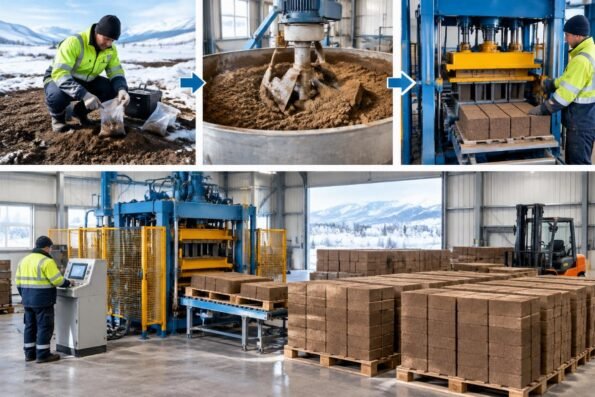
Adjusting the mix design and extending curing time resolved the quality issues, but the delay impacted the overall project schedule. This highlights the importance of adapting the production process to local conditions. A turnkey strategy must include laboratory testing of local raw materials and subsequent adjustment of the machine’s vibration frequency and mixing parameters. [NEED_CITE: best practices for adapting concrete mix designs to local aggregates]

Case Insight: Adapting to Local Conditions
How modifying mix designs saved a major paving contract.
Adapting to local conditions is not just about fixing problems; it is about optimizing performance. In a recent project, a client faced challenges with inconsistent block density due to variations in the moisture content of the local aggregate. Instead of changing the machine, we adjusted the water addition system in the batching plant to compensate for these fluctuations.
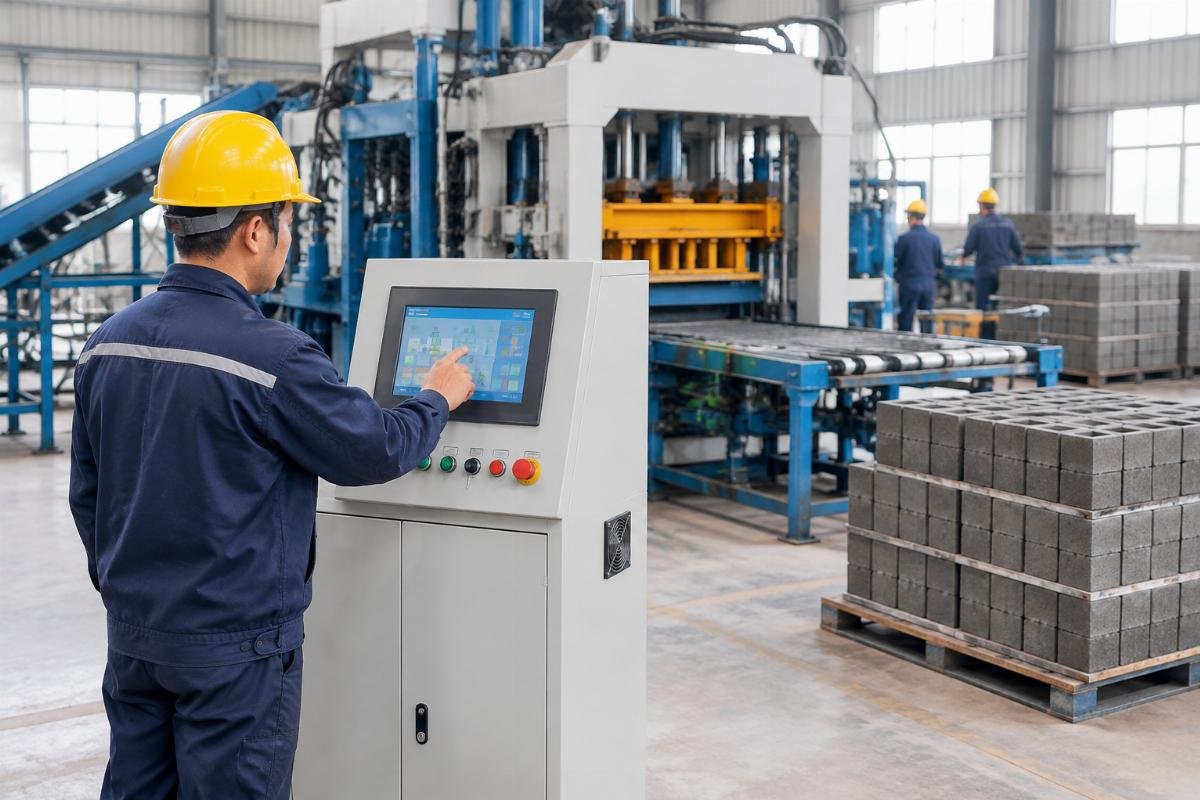
This adjustment required a deep understanding of the machine’s control logic and the physical properties of the materials. By fine-tuning the PLC settings, we achieved consistent density without manual intervention. This level of customization is often overlooked in standard procurement processes, where the focus is on hardware specifications rather than operational adaptability. [NEED_CITE: role of PLC automation in compensating for material variability]
The key takeaway is that standardization does not mean rigidity. A flexible approach allows for local adaptations while maintaining the benefits of a standardized fleet. This includes training operators to recognize signs of material variation and adjust settings accordingly. Such training is a critical component of a successful multi-site deployment.
Benefits of Standardized Fleets
Simplified maintenance, training, and spare parts management.
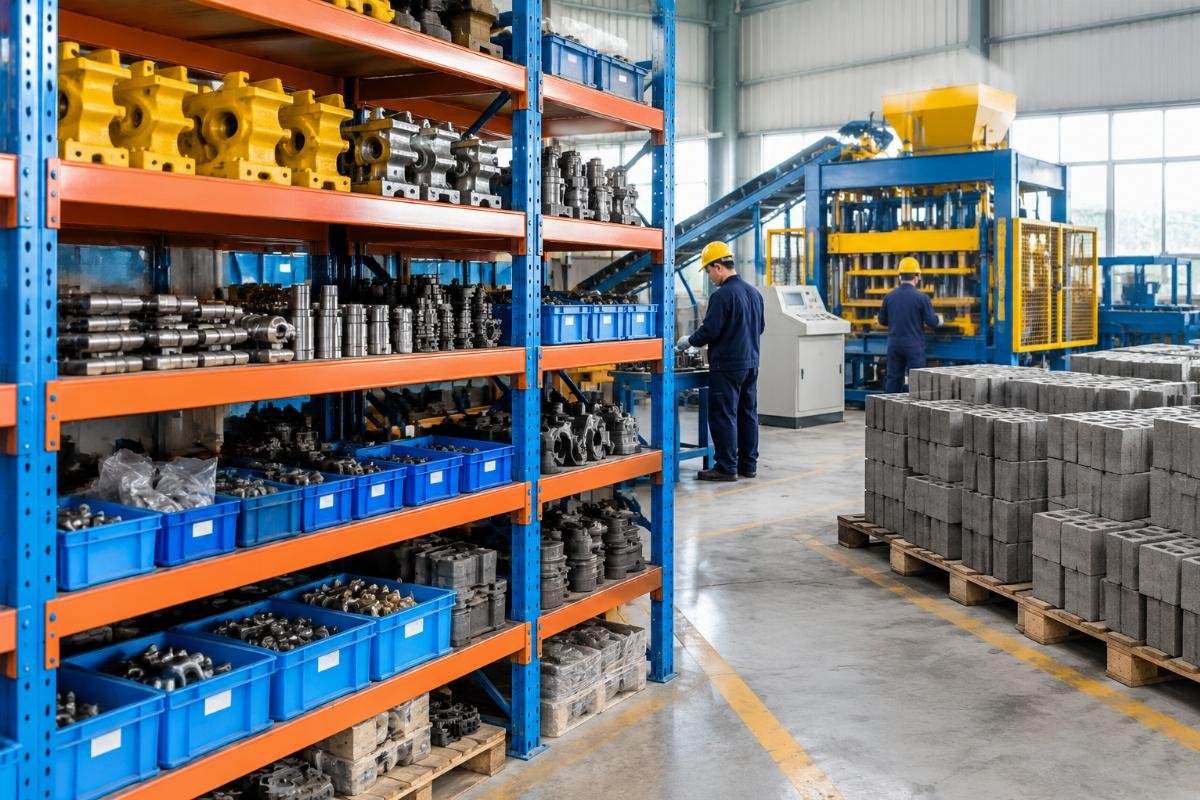
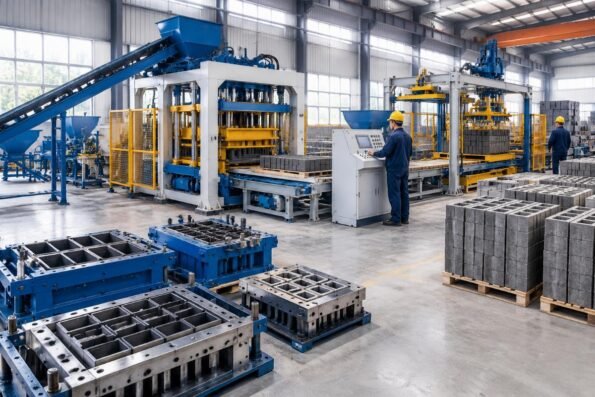
Despite the challenges, standardizing on a single model like the QT10-15 offers substantial logistical advantages. When all sites use the same equipment, spare parts inventory can be centralized, reducing the need for large stockpiles at each location. This leads to noticeable cost savings and improved cash flow. [NEED_CITE: inventory management benefits of standardized industrial equipment]
Moreover, operator training becomes more efficient. Training modules developed for one site can be replicated across others, ensuring a consistent level of skill and safety awareness. This reduces the learning curve for new hires and minimizes the risk of operational errors. In a multi-site environment, this consistency is crucial for maintaining quality standards and meeting project deadlines.
The ability to swap components between machines also simplifies maintenance. If a part fails at one site, it can be temporarily borrowed from another, minimizing downtime. This flexibility is a significant advantage in remote locations where supply chains may be less reliable. [NEED_CITE: maintenance strategies for distributed industrial assets]
Implementing a Turnkey Strategy
From site audit to operator certification.
A successful turnkey strategy goes beyond delivering equipment. It involves a comprehensive approach that includes site assessment, custom configuration, installation, and training. This holistic view ensures that the machinery is not just installed but integrated into the local operational context.
The process begins with a detailed site audit to identify potential risks related to power, water, and raw materials. Based on these findings, the machine configuration is adjusted to suit local conditions. This may involve adding specific components like voltage stabilizers or modifying the mixing system.
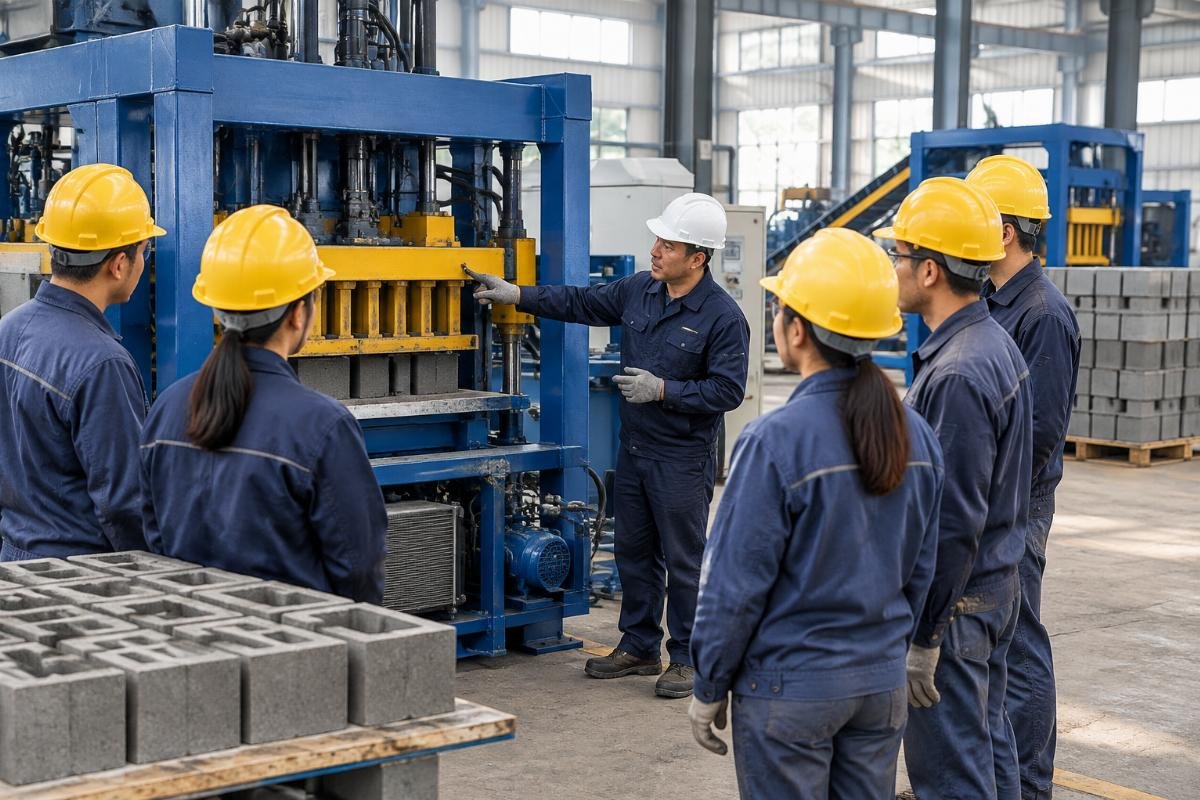
Installation is followed by rigorous commissioning and operator training. Operators are trained not only on how to run the machine but also on how to troubleshoot common issues and adapt to material variations. This empowerment reduces dependency on external support and enhances long-term operational stability. [NEED_CITE: importance of operator training in industrial equipment longevity]
By focusing on these elements, a government public works block machine case study demonstrates that standardization, when combined with local adaptation, leads to sustainable and efficient production outcomes.
Conclusion
Standardization succeeds when paired with local adaptation.
Deploying a multi-site paver block production line requires balancing the efficiency of identical equipment with the necessity of local adjustments. By prioritizing pre-site assessments and flexible operational strategies, contractors can ensure consistent quality and minimize risks. This approach transforms potential vulnerabilities into manageable variables, securing the success of large-scale infrastructure projects.

Industry expert sharing insights about concrete machinery, block making technology and turnkey production solutions.
View all posts →
Leave a Reply