

Solid Block Machine Spare Parts Stocking Guide for Trading Companies
Most block plant managers believe molds are the most critical inventory item, but hydraulic seals and vibration bearings cause significantly more frequent unplanned stops.
Strategic spare parts inventory is not about hoarding stock but ensuring business continuity; trading companies must prioritize high-failure-rate consumables over expensive structural components to minimize client downtime. Keeping a targeted selection of solid block machine spare parts stocking guide items ensures that minor mechanical failures do not escalate into weeks of production halts during peak construction seasons.
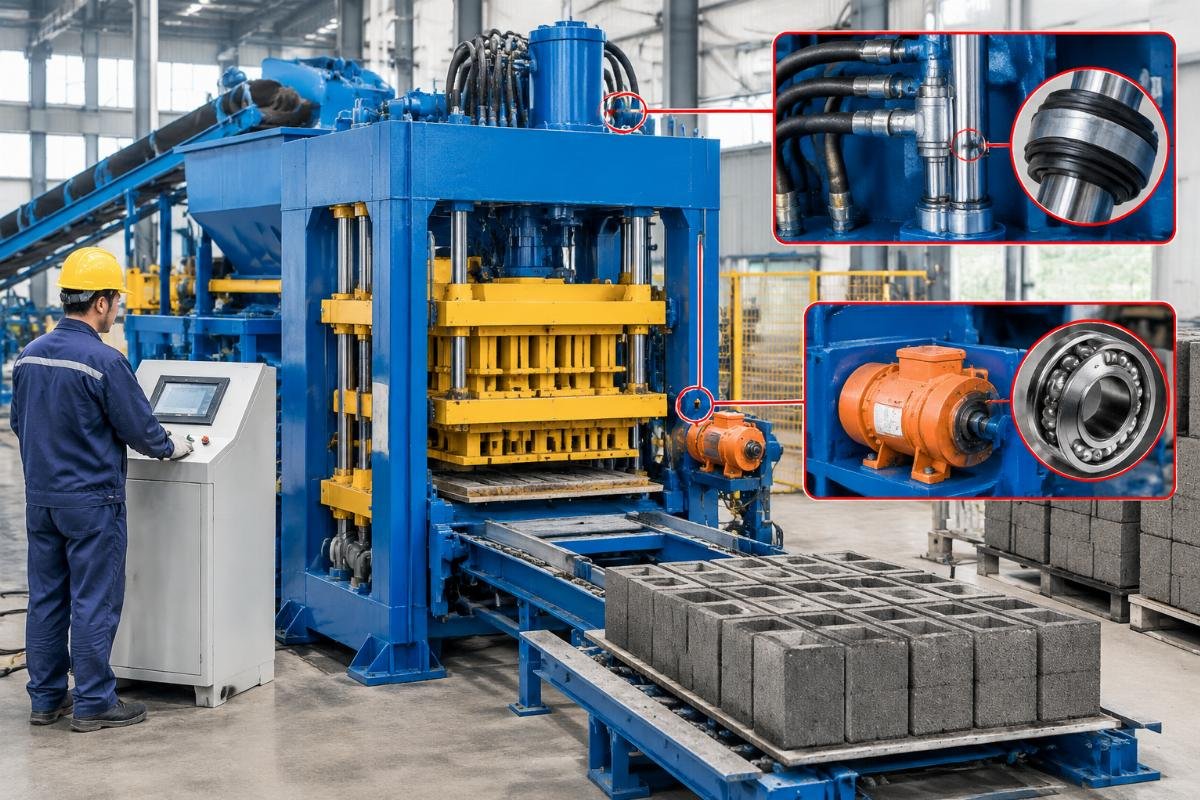
The difference between a profitable quarter and a stalled project often lies in the availability of a few small rubber rings or steel balls. In my time supporting operations across Southeast Asia, I have seen fully automatic lines sit idle because a single solenoid valve failed and no replacement was on site. This guide breaks down how to build a resilient inventory strategy that balances cost with operational reliability.
Why Do Most Block Plants Face Unexpected Downtime?
Lack of strategic spare parts inventory, not machine quality, is the primary cause of prolonged stops.
Many investors focus heavily on the initial capital expenditure for the main unit, viewing spare parts as an optional add-on or a future concern. This mindset ignores the reality of industrial wear. Concrete production is an abrasive, high-vibration environment where components degrade predictably. When a critical part fails, the lead time for international shipping becomes the bottleneck, not the repair itself. [NEED_CITE: average logistics lead times for industrial machinery parts from East Asia to emerging markets]
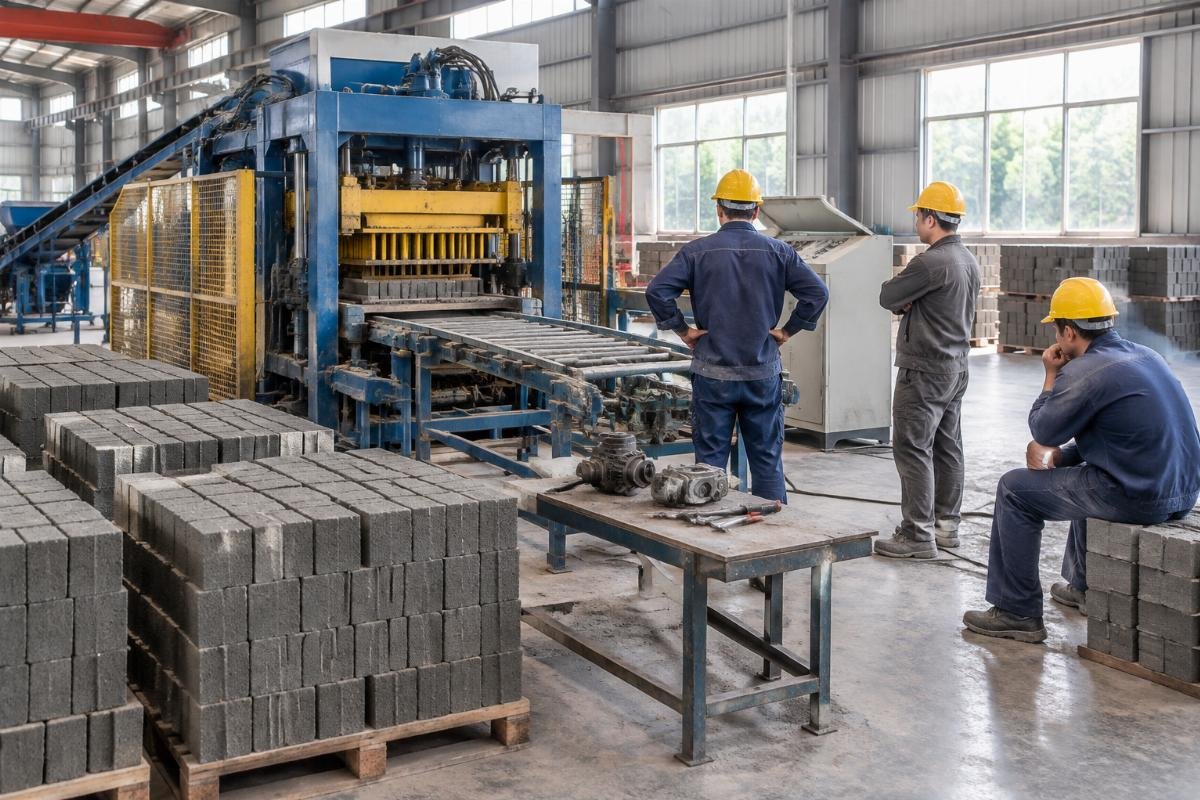
Consider a scenario in Indonesia during the rainy season. A client operating a mid-sized line experienced a sudden drop in pressure. The issue was traced to aged hydraulic seals that had hardened due to humidity and heat. Because no spare seal kit was in stock, the team had to wait for express air freight. The delay lasted over a week, halting the supply of blocks for a large affordable housing project. The cost of the lost production far exceeded the price of a full year’s supply of seals.
This pattern repeats across regions. In Latin America, remote sites often face similar logistical challenges. Air-freighting small but critical sensors or valves can be prohibitively expensive and slow compared to local availability. By the time the part arrives, the contractor may have already missed key milestones. Understanding that downtime is a revenue leak, not just a maintenance issue, shifts the perspective on why a solid block machine spare parts stocking guide is essential for any serious distributor or plant manager.
Which Spare Parts Are Critical for Continuous Operation?
Prioritize hydraulic seals, vibration motor bearings, and mixing blades over structural steel parts.
Not all parts wear out at the same rate. A common mistake is stocking heavy structural components like frame brackets while neglecting the high-frequency consumables. To optimize inventory, parts should be categorized by failure frequency and impact on production.
| Part Category | Examples | Failure Frequency | Impact of Stockout |
|---|---|---|---|
| Consumables | Hydraulic seals, oil filters, O-rings | High | Immediate stoppage |
| Wear Parts | Vibration motor bearings, mixing blades, mold liners | Medium | Reduced quality/efficiency |
| Critical Spares | PLC modules, proximity sensors, solenoid valves | Low | Total system failure |
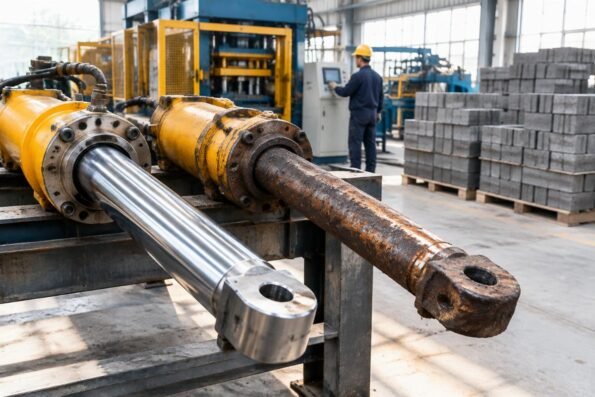
Hydraulic systems are the heart of automatic block machines. Seals degrade over time due to heat and pressure cycles. A proactive replacement schedule, aligned with seasonal changes, prevents leaks that cause pressure drops and inconsistent block density. [NEED_CITE: industry standards for hydraulic seal lifespan in continuous operation]
Vibration motors operate under extreme stress. The bearings inside these motors are subject to constant high-frequency oscillation. Under continuous 24/7 operation, their lifespan is significantly shorter than in intermittent use. When a bearing begins to fail, it causes uneven vibration, leading to poor compaction and potential damage to the mold box. Keeping a set of replacement bearings on hand allows for quick swaps during scheduled maintenance windows.
For those managing QT series machines, having a standardized kit covers the majority of these needs. Shiyue’s standardized spare parts kits for QT series machines are designed to cover ninety percent of common maintenance needs, simplifying the procurement process for distributors. This approach ensures that the most vulnerable points in the solid block machine spare parts stocking guide are always addressed.

How to Calculate the Right Stock Levels for Your Market?
Balance inventory cost against potential revenue loss from downtime using local lead times.
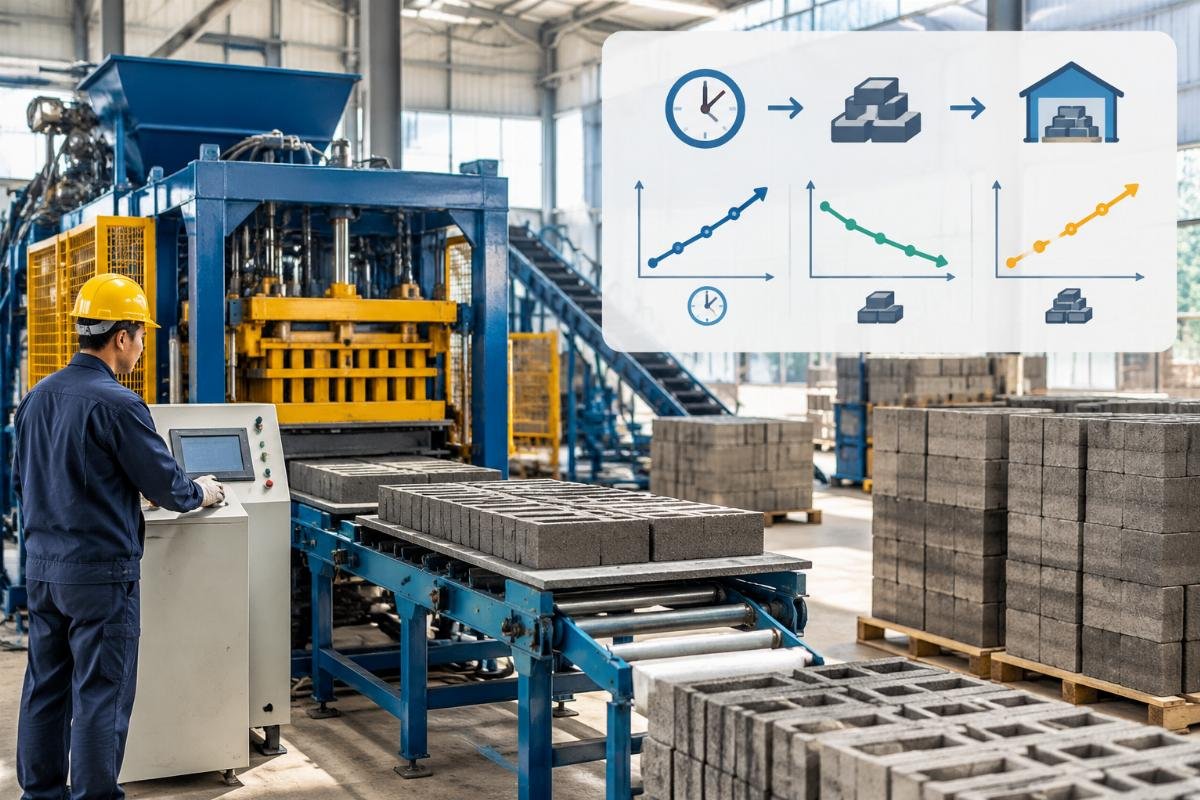
Determining how much stock to hold is a mathematical exercise in risk management. It requires analyzing two key variables: the consumption rate of the part and the lead time to replenish it. If a part takes thirty days to arrive from the factory, you need enough stock to cover at least forty days of usage to account for delays.
In regions with well-developed logistics networks, just-in-time delivery might work for non-critical items. However, for remote sites or areas with customs complexities, holding a larger safety stock is prudent. The cost of warehousing a few boxes of seals is negligible compared to the daily revenue loss of a stopped plant.
A practical method is to track failure data over six months. Identify which parts were replaced most frequently. For example, if a plant replaces mixing blades every three months, keeping one extra set in stock ensures no gap in production. For hydraulic seals, which may last longer but are critical, keeping two full kits is a safe baseline.
This calculation also depends on the machine model. Older models may have different wear patterns than newer, automated lines. Distributors should consult with manufacturers to get recommended maintenance intervals. These intervals provide a baseline for estimating consumption. By aligning stock levels with these predictions, businesses can avoid both overstocking obsolete items and understocking critical ones. This precision is a core element of an effective solid block machine spare parts stocking guide.
What Is the Best Strategy for Long-Term Parts Availability?
Establish a tiered stocking system with local distributors for fast-moving items and factory direct for rare failures.
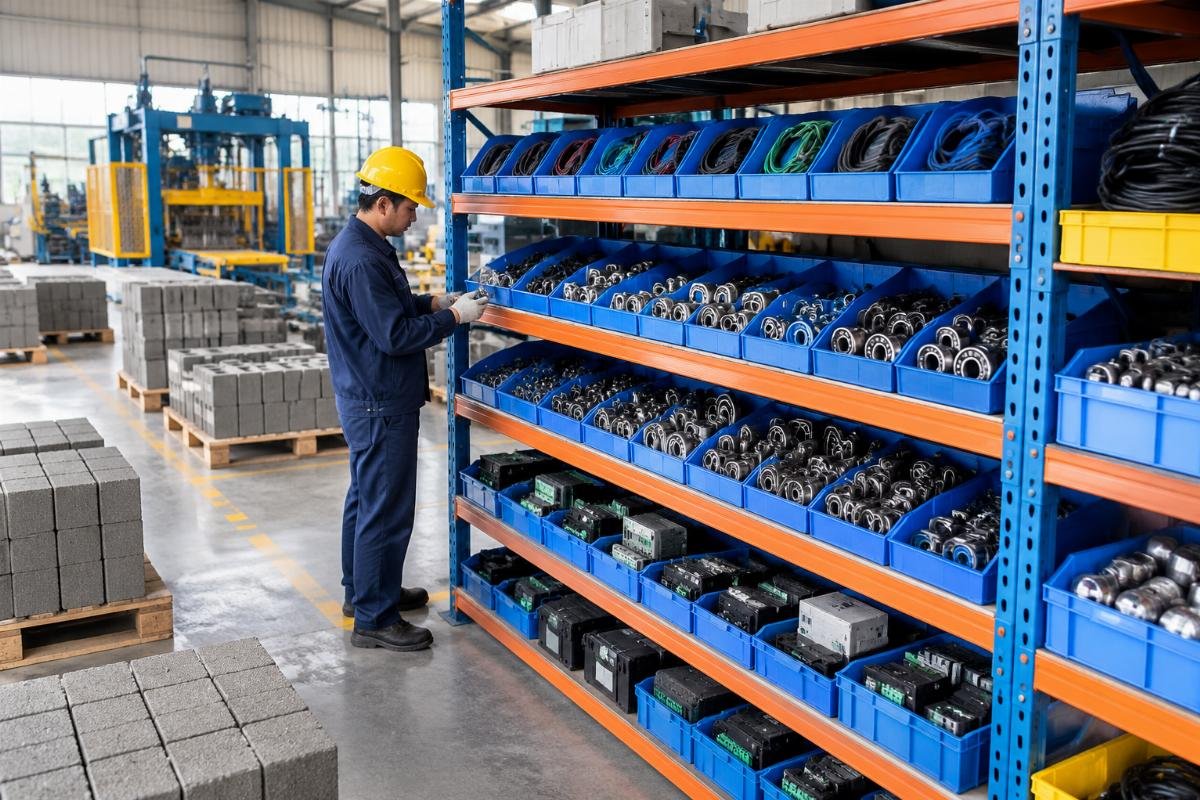
A one-size-fits-all approach to inventory does not work for global operations. A tiered system allows for flexibility and cost efficiency. The first tier consists of fast-moving consumables like seals, filters, and bearings. These should be stocked locally by distributors or at the plant site. Local availability ensures that minor issues can be resolved within hours, not days.
The second tier includes wear parts such as mold liners and mixing blades. These have a predictable lifespan and can be ordered in batches. Distributors can hold regional stock to serve multiple clients, reducing the burden on individual plant owners. This shared inventory model lowers costs while maintaining availability.
The third tier covers critical spares like electronic modules and specialized sensors. These items rarely fail but are impossible to source locally in many markets. For these, maintaining a direct line to the manufacturer is key. Express shipping options should be pre-arranged to minimize delay if a failure occurs. Some manufacturers offer remote diagnostic support to identify these issues quickly, ensuring the right part is shipped immediately.
This tiered strategy reduces the total capital tied up in inventory while maximizing uptime. It leverages the strengths of local distribution networks for speed and the manufacturer’s capacity for specialized support. For trading companies, offering this structured advice adds value beyond the sale of the machine itself. It positions the distributor as a partner in operational success, not just a vendor. Implementing this hierarchy is the final step in mastering the solid block machine spare parts stocking guide.
Conclusion
Strategic inventory turns potential downtime into seamless production.
By focusing on high-failure-rate consumables and adopting a tiered stocking system, businesses can protect their revenue streams. The goal is not to fill a warehouse but to ensure that every critical component is available when needed. This approach minimizes risk and maximizes the return on investment for concrete block manufacturing operations.

Industry expert sharing insights about concrete machinery, block making technology and turnkey production solutions.
View all posts →
Leave a Reply