

Compressed Earth Block Machine for Interlocking Paver Production Manufacturer
Most early machine failures stem from unstable local power grids, not manufacturing defects.
Successful installation of an interlocking paver machine depends less on the equipment itself and more on rigorous site preparation, specifically electrical stability and foundation leveling, to prevent premature component failure. Plant investors in emerging markets often overlook these infrastructure prerequisites, leading to costly downtime that voids warranties. Ensuring a level concrete foundation with strict tolerance limits and integrating industrial-grade voltage stabilizers are non-negotiable steps before commissioning begins.
I still remember the humidity in Monterrey, Mexico, when I arrived at a client’s site two weeks after their new line went live. The plant manager was furious, pointing at a burnt-out vibration motor and blaming the build quality. He had skipped the electrical assessment, assuming the local grid was stable enough for heavy industrial machinery. It wasn’t. The voltage fluctuations were severe, causing the motor to run under constant stress until it overheated and failed. This wasn’t an isolated incident. Across Latin America and parts of Africa, I have seen identical patterns where rushed installations lead to immediate breakdowns. The machine is robust, but it cannot compensate for a poorly prepared site. [NEED_CITE: impact of voltage fluctuation on induction motor lifespan per IEC standards]
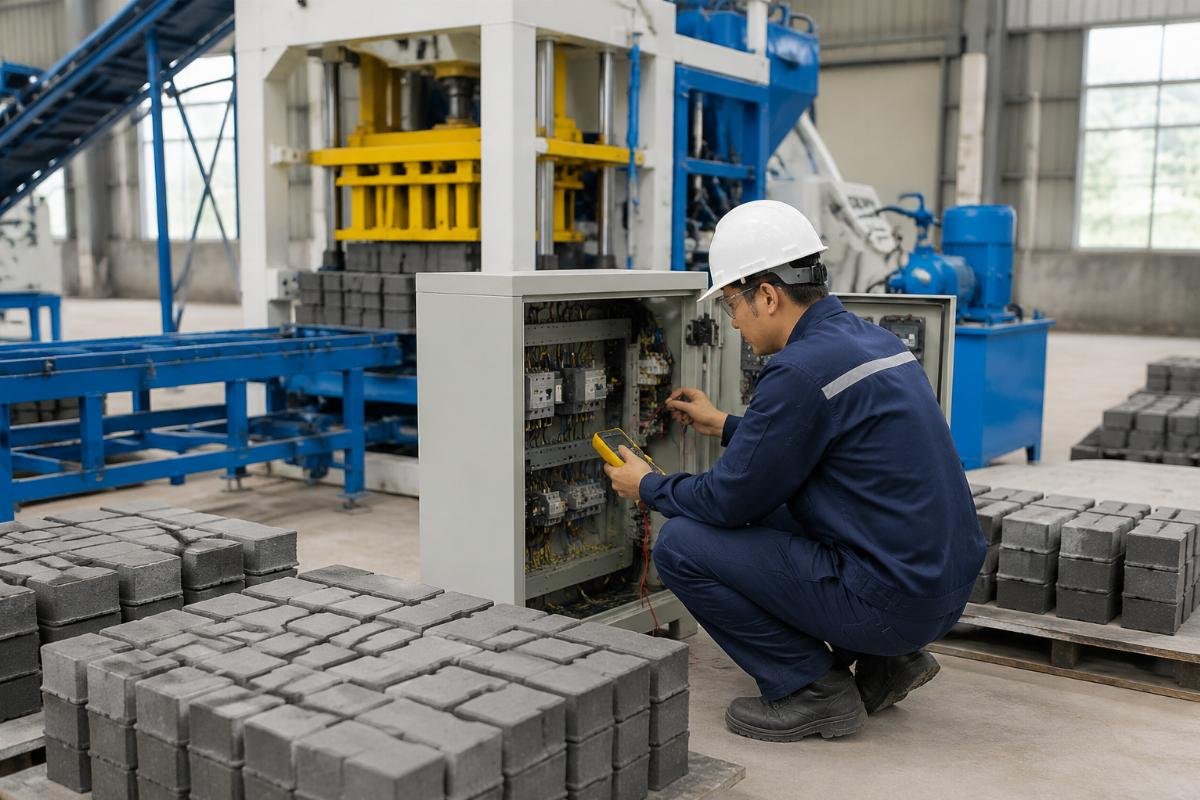
Understanding these pitfalls is crucial for anyone investing in concrete production. The following guide breaks down the critical steps for site preparation and commissioning, drawing from field experiences to ensure your operation starts smoothly and stays reliable.
Why Do New Paver Machines Fail Early?
Electrical instability and foundation errors are the primary culprits behind premature breakdowns, often mistaken for manufacturing flaws.
When a new plant investor sees a machine stop working within the first month, the instinct is to question the supplier. However, data from field service reports indicates that the majority of these early failures are environmental. The mechanical components of a concrete block machine are designed for high-cycle duty, but they rely on consistent external conditions to perform.
In many emerging markets, the local power infrastructure lacks the stability required for sensitive PLC-controlled systems. Voltage spikes or drops can damage frequency inverters and burn out motors. Similarly, an uneven foundation causes misalignment in the mold assembly. When the mold does not close evenly, the hydraulic cylinders experience uneven load distribution, leading to seal leaks and structural stress. [NEED_CITE: common causes of hydraulic system failure in construction machinery]
Consider a project in West Africa where a plant owner opted for a quick sand-bed foundation to save time and cost. Within months, the ground settled unevenly. The resulting tilt caused the interlocking paver machine to produce blocks with inconsistent dimensions. The operator tried to compensate by adjusting the PLC settings, but the mechanical misalignment was too severe. The cost of realigning the foundation and repairing the damaged mold far exceeded the initial savings from skipping proper concrete work.
These cases highlight that the longevity of your equipment is directly tied to the quality of your site infrastructure. Ignoring these basics turns a profitable investment into a maintenance nightmare.
How to Prepare Your Site for Installation?
Ensure a stable power supply with voltage stabilizers and level concrete foundations before the machine arrives.
Site preparation is the most critical phase of the installation process. It requires careful planning and adherence to technical specifications. Rushing this stage is a false economy that leads to higher costs later.
First, assess the electrical supply. Industrial machines require a stable three-phase power source. In regions with frequent voltage fluctuations, installing a dedicated voltage stabilizer is mandatory. This device protects the PLC and motors from harmful spikes and drops. Without it, the risk of electronic component failure increases significantly. [NEED_CITE: guidelines for industrial power quality management]
Second, prepare the foundation. The concrete base must be level and capable of supporting the dynamic loads generated during operation. Use a spirit level to check the surface, ensuring it meets the required tolerance. A common mistake is allowing the concrete to cure insufficiently before placing the machine. This can lead to cracking and settling under weight.
During a turnkey project for a client in Southeast Asia, our team conducted a thorough site audit before shipment. We identified that the local grid voltage varied by more than ten percent. We recommended and supplied a heavy-duty stabilizer as part of the package. This proactive step prevented the kind of motor burnout seen in other regional projects. The client appreciated the foresight, as it ensured uninterrupted production from day one.
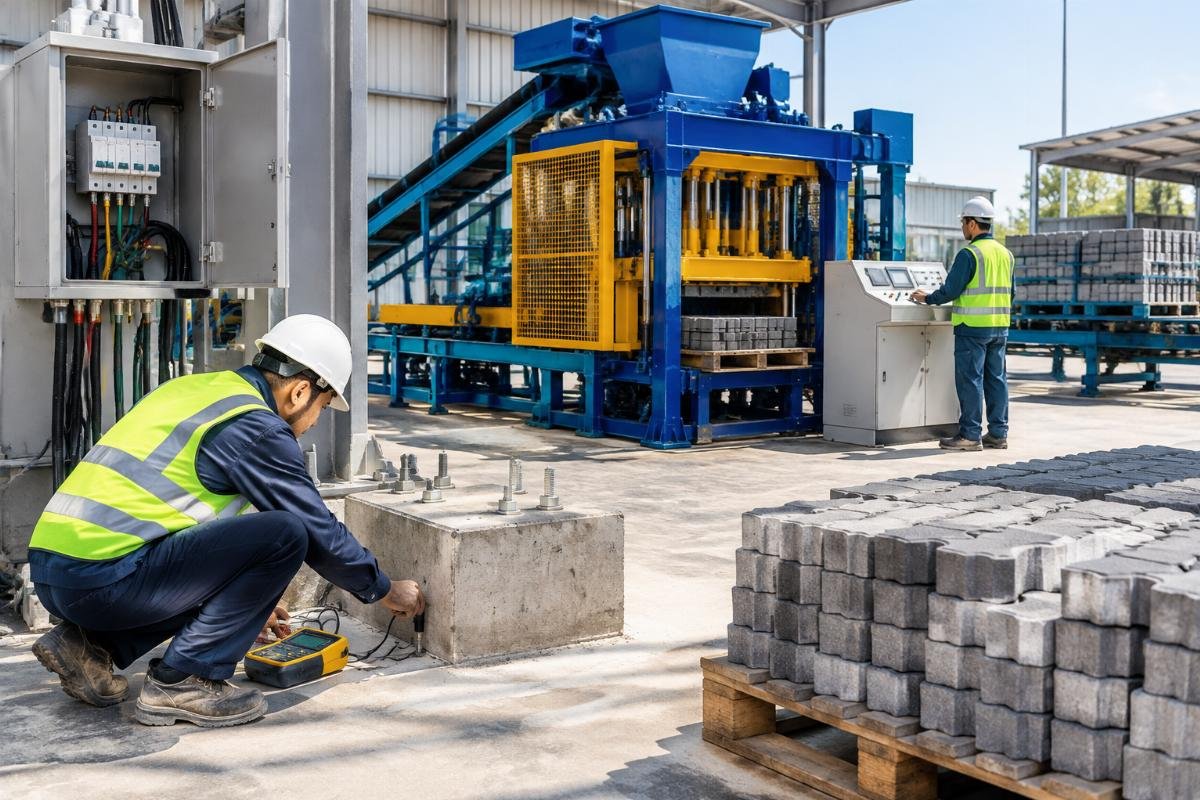
Proper site preparation sets the stage for a smooth installation. It minimizes risks and ensures that the machine operates within its designed parameters.
What Are the Critical Steps During Commissioning?
Verify hydraulic pressure, calibrate PLC sensors, and conduct a no-load test run to ensure system integrity.
Commissioning is the process of verifying that all systems function correctly before full-scale production begins. It involves a series of checks and adjustments that require technical expertise. Skipping or rushing these steps can lead to operational issues and safety hazards.
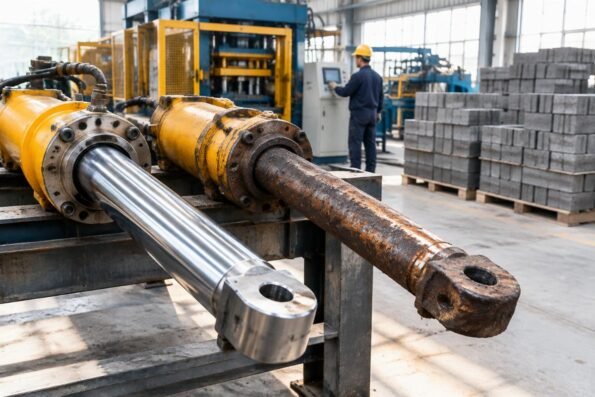
Start with the hydraulic system. Check the oil level and quality, ensuring it is free from contaminants. Bleed the system to remove air pockets, which can cause erratic movement and pressure loss. Then, verify the operating pressure against the manufacturer’s specifications. Incorrect pressure can damage seals and reduce the efficiency of the molding cycle. [NEED_CITE: standard hydraulic commissioning procedures for industrial machinery]
Next, calibrate the PLC sensors. These sensors control the timing and sequence of the machine’s operations. Ensure that proximity switches and limit switches are properly aligned and functioning. Test each sensor individually to confirm accurate signal transmission. Misaligned sensors can cause the machine to stop unexpectedly or produce defective blocks.
Finally, conduct a no-load test run. Operate the machine without material to observe the movement of all components. Listen for unusual noises and check for smooth operation. This test helps identify any mechanical issues before introducing concrete, which can complicate troubleshooting.
In a recent installation in the Middle East, a technician noticed a slight delay in the mold vibration response during the no-load test. Upon inspection, he found a loose connection in the sensor wiring. Fixing this minor issue prevented potential production delays and quality inconsistencies once the plant went live.
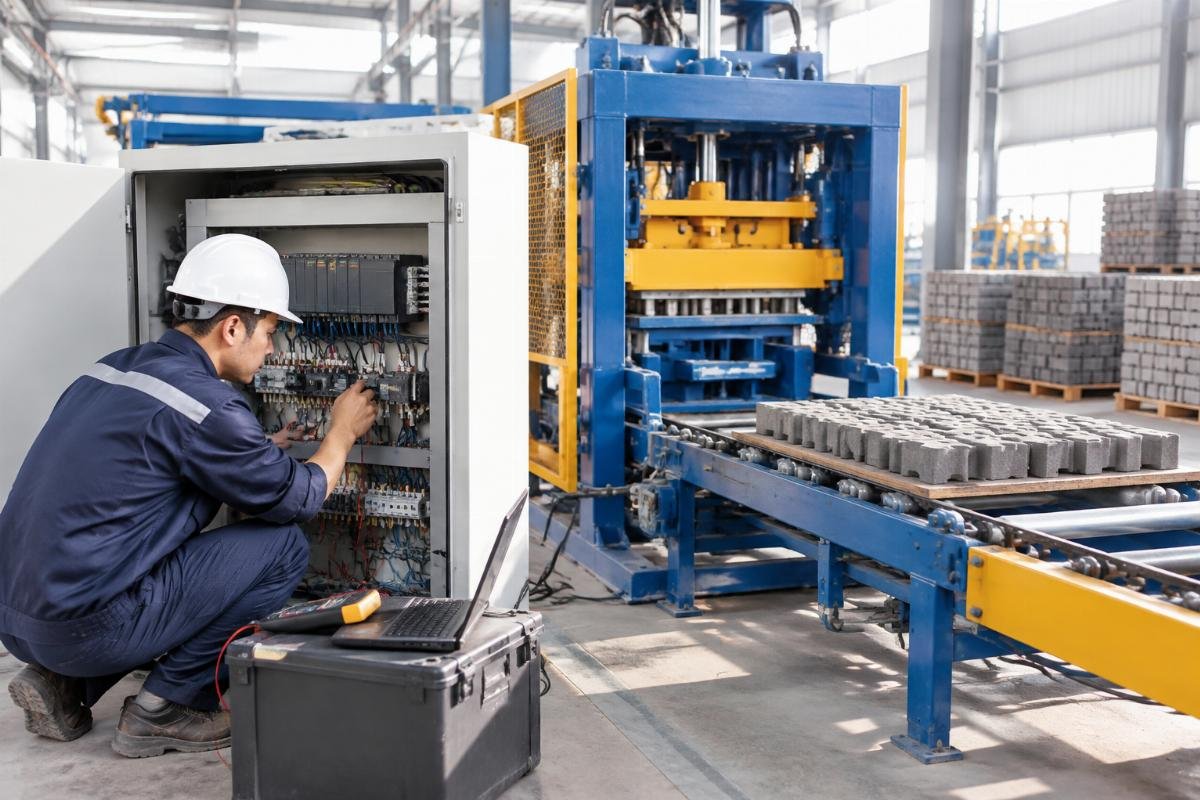
Thorough commissioning ensures that the machine is ready for reliable and efficient production. It provides peace of mind and sets a baseline for future maintenance.
How to Train Operators for Long-Term Reliability?
Focus on daily voltage checks, proper lubrication routines, and immediate reporting of anomalies.
Operator training is essential for maintaining the longevity and performance of the machine. Well-trained operators can identify potential issues early, preventing minor problems from becoming major failures. Training should go beyond basic operation to include routine maintenance and troubleshooting.
Emphasize the importance of daily checks. Operators should inspect the voltage readings, oil levels, and general condition of the machine before starting work. Any deviations from normal parameters should be reported immediately. This proactive approach helps catch issues like loose bolts or leaking hoses before they cause damage.
Lubrication is another critical area. Ensure that operators know which points require regular greasing and the correct type of lubricant to use. Over-lubrication can attract dust and debris, while under-lubrication leads to wear and tear. Provide a clear schedule and checklist for these tasks.
In a plant in South America, we implemented a structured training program that included hands-on sessions with experienced technicians. The operators learned to recognize the signs of hydraulic contamination and electrical instability. As a result, the plant saw a noticeable reduction in unplanned downtime and maintenance costs. The operators felt more confident and engaged, taking ownership of the machine’s performance.
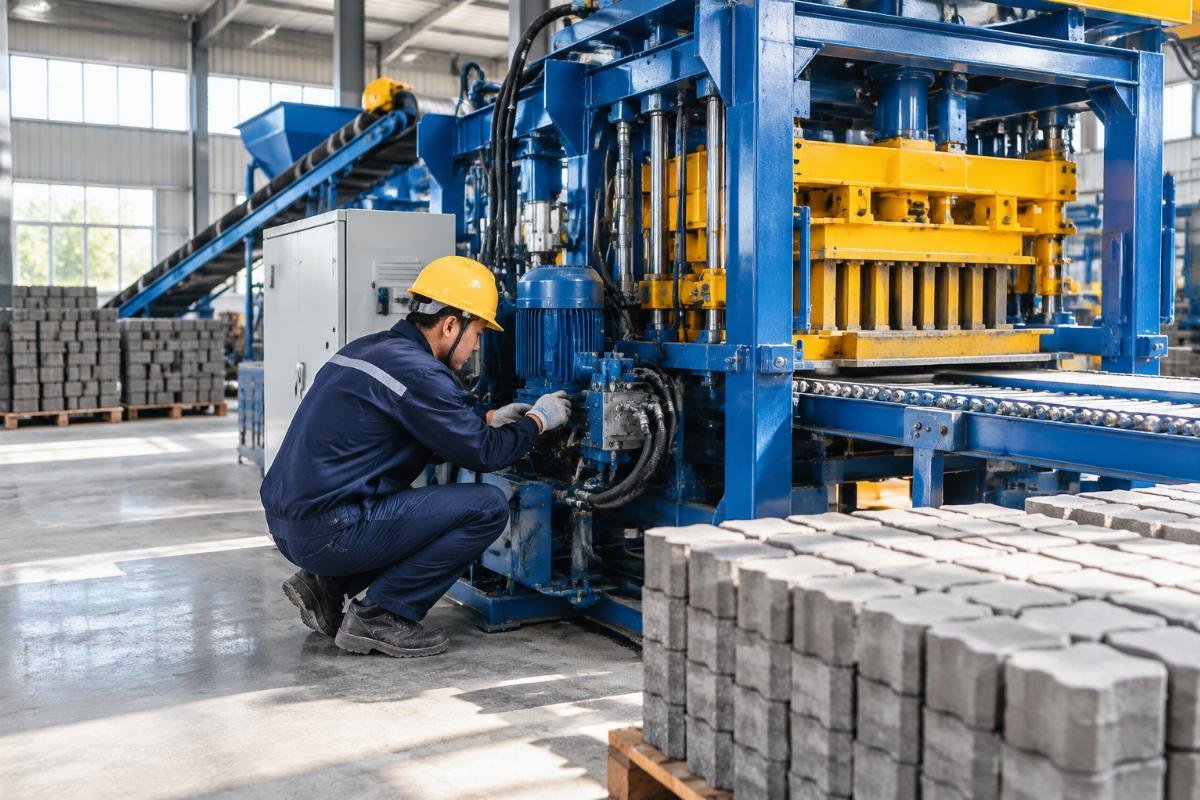
Investing in operator training pays off in the long run. It extends the life of the equipment and ensures consistent product quality.
Conclusion
Rigorous site preparation and disciplined operation are the keys to maximizing the ROI of your paver production line.
The success of an interlocking paver machine installation hinges on attention to detail before and after the equipment arrives. Stable power, a level foundation, and thorough commissioning prevent the common pitfalls that lead to early failure. By prioritizing these elements and investing in operator training, plant owners can ensure reliable production and long-term profitability.

Industry expert sharing insights about concrete machinery, block making technology and turnkey production solutions.
View all posts →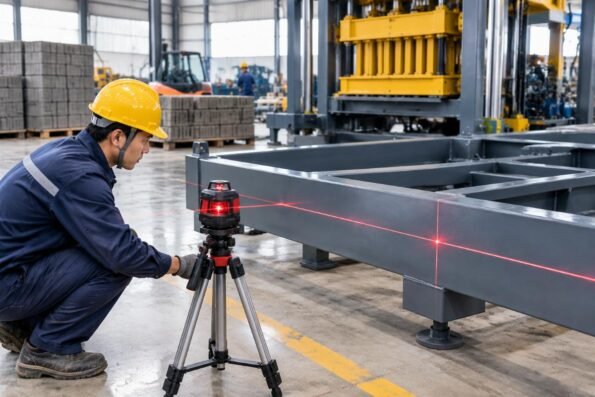
Leave a Reply