

Egg-Layer Block Machine Component Types: Wholesale Supplier
Most operators treat the mold as a single replaceable unit, but it is actually a modular assembly of core rods and side plates that wear at different rates.
Understanding the specific component groups in an egg-layer block machine—structural frames, vibration mechanisms, hydraulic power packs, and modular mold assemblies—is essential for accurate customs classification, efficient spare parts inventory, and minimizing production downtime in remote sites. Misidentifying these Egg-layer block machine components during procurement often leads to port demurrage due to HS code conflicts or unexpected line stoppages when only partial mold replacement was needed instead of a full assembly swap.
I still recall the humidity and the smell of diesel at the Apapa port in Lagos. A client had ordered a QMY10-15 mobile brick machine, shipped as a complete DDP package. The documentation listed the machine as a single entity. However, local customs officials insisted that the mold components and the main chassis be declared separately, citing different tariff codes for structural steel versus precision tooling. The cargo sat on the dock for weeks. The demurrage charges eventually exceeded the profit margin of the entire deal. That incident reshaped how I approach technical documentation for emerging markets. It is not just about selling a machine; it is about ensuring the Egg-layer block machine components are classified correctly before they ever leave the factory floor. This experience highlights why a granular understanding of the machine’s anatomy is critical for buyers who manage their own logistics or operate in regions with strict import regulations.
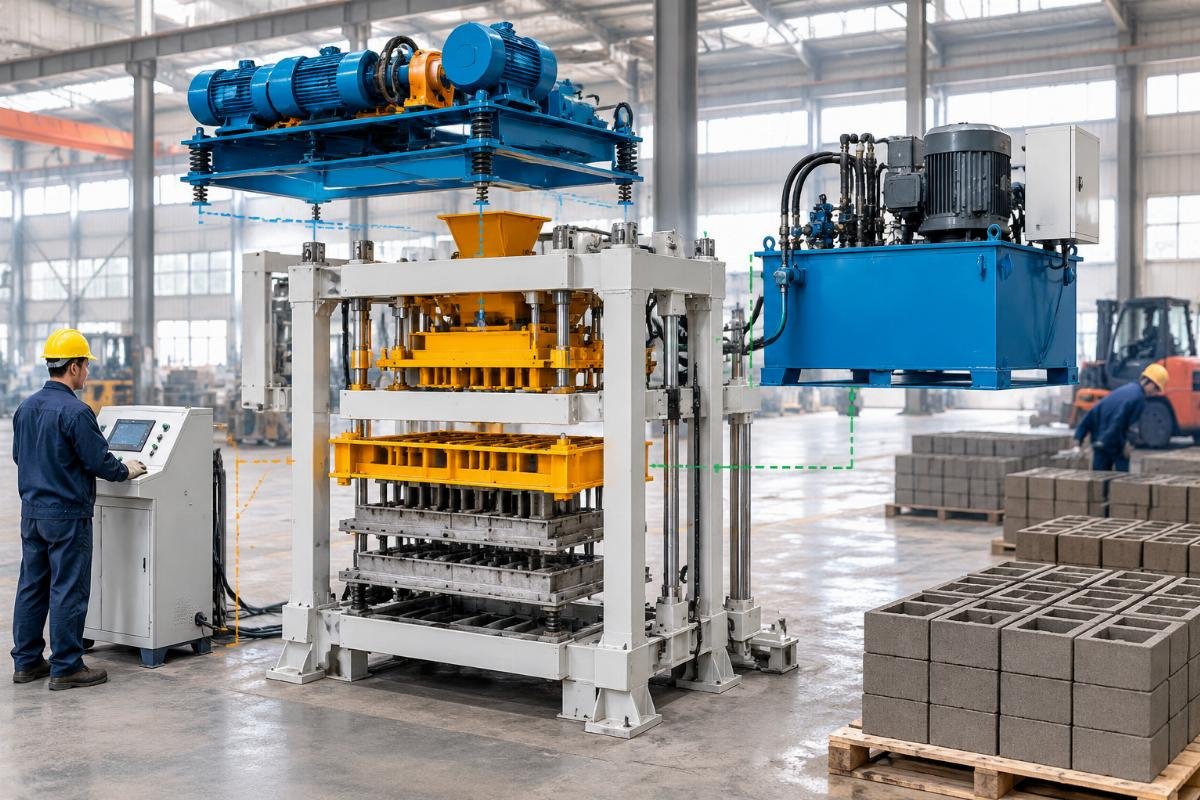
To avoid such pitfalls, buyers must move beyond viewing the equipment as a black box. By breaking down the machine into its functional subsystems, plant managers can optimize their spare parts strategy, ensuring that high-wear items are stocked locally while major structural elements are managed through long-lead supply chains.
What Are the Critical Component Groups in an Egg-Layer Machine?
Categorizing parts into structural, vibration, hydraulic, and mold assemblies simplifies management and clarifies maintenance responsibilities.
An egg-layer machine is deceptively simple in appearance but complex in its mechanical interactions. The primary structure consists of the main frame and the traveling wheels, which must withstand constant impact and movement across uneven terrain. The vibration system, often the heart of the compaction process, includes eccentric shafts, heavy-duty bearings, and counterweights. The hydraulic power pack drives the mold lifting and material feeding mechanisms, relying on pumps, valves, and cylinders. Finally, the mold assembly itself is composed of face plates, core rods, and liners.
When sourcing Egg-layer block machine components, it is vital to recognize that these groups have different lifecycles. Structural parts rarely fail unless subjected to extreme abuse or transport damage. In contrast, vibration components and mold liners are consumables. [NEED_CITE: standard maintenance intervals for concrete machinery vibration systems] A common error among new plant owners is ordering a full replacement mold when only the internal core rods are worn. This misunderstanding stems from viewing the mold as a monolithic block rather than an assembly of separable parts.
For instance, a project in East Africa faced repeated delays because the local team replaced the entire mold assembly every few months. Upon inspection, it was clear that only the core rods required refurbishment. By switching to a modular replacement strategy, they reduced their spare parts expenditure significantly. This approach also aids in customs clearance. Declaring "steel mold cores" often attracts a different duty rate than "complete brick making machines," allowing for more predictable landing costs.
How Do Vibration System Components Affect Block Density?
Eccentric shafts and bearings determine the compaction force; regular inspection prevents density inconsistency and premature failure.
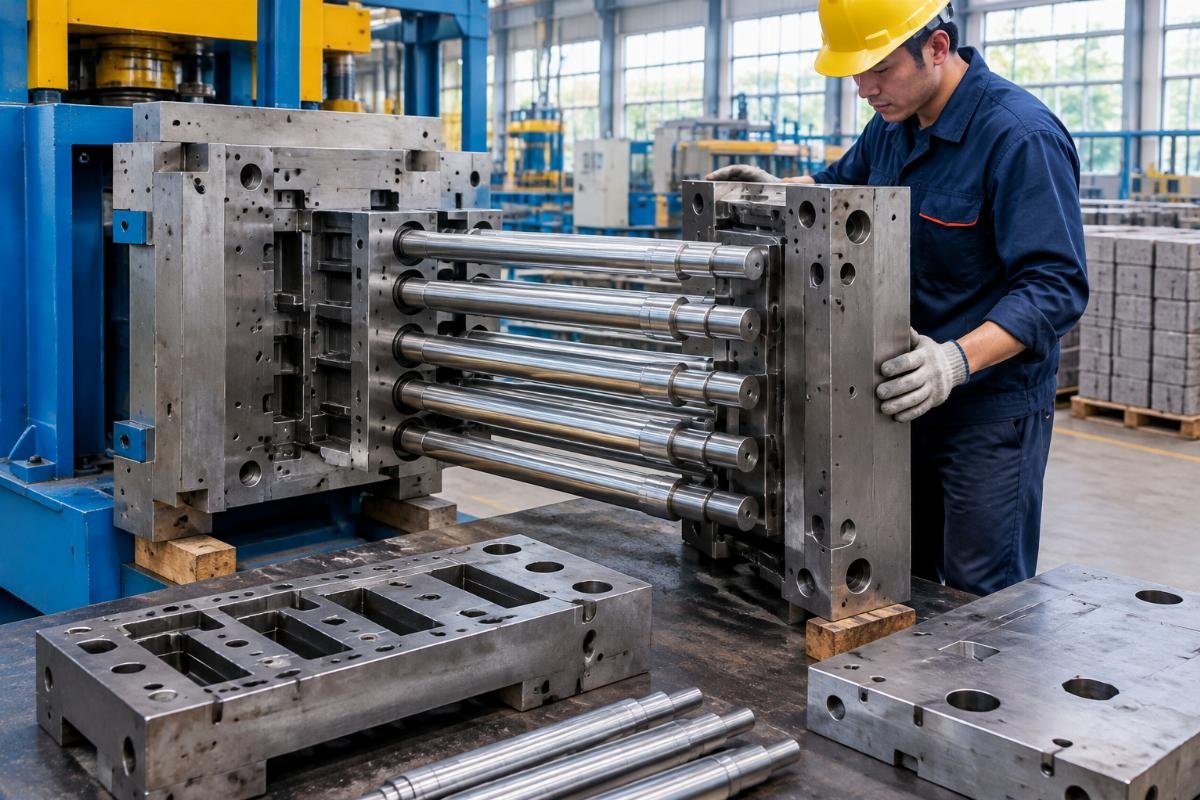
The quality of the final concrete block is directly linked to the performance of the vibration system. In an egg-layer machine, this system generates the high-frequency oscillations necessary to compact the concrete mix within the mold. The key Egg-layer block machine components here are the eccentric shafts and the supporting bearings. If these components wear out or become unbalanced, the vibration amplitude drops, leading to blocks with poor surface finish and low compressive strength.
In sandy environments, such as those found in parts of the Middle East and North Africa, dust infiltration is a major threat to bearing life. Standard seals may not suffice, leading to premature failure. [NEED_CITE: impact of particulate contamination on industrial bearing lifespan] A buyer once reported that their machines were losing vibration intensity after just a few hundred hours of operation. The root cause was not the motor or the shaft design, but the lack of adequate sealing on the bearing housings, allowing fine sand to abrade the rolling elements.
Maintenance teams should monitor the vibration system daily for unusual noises or changes in amplitude. Replacing bearings proactively, based on operating hours rather than waiting for failure, ensures consistent block density. When procuring spares, it is crucial to specify bearings with appropriate load ratings and sealing technologies suited to the local environment. Generic replacements may fit physically but fail to withstand the specific dynamic loads of an egg-layer machine.
Why Is Mold Assembly Modular Design Crucial for Maintenance?
Separable cores and plates allow targeted replacement, reducing long-term operational costs and minimizing downtime.
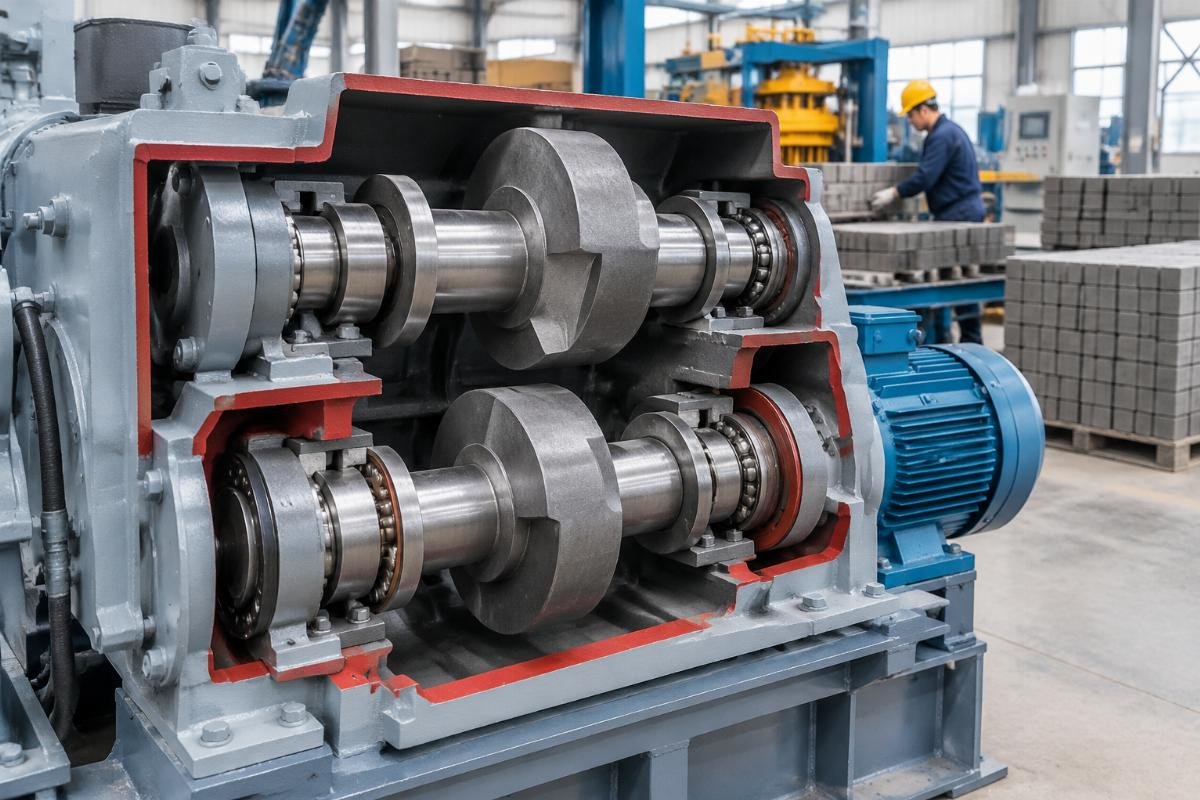
The mold is the most expensive wearable part of any block machine. In many traditional designs, the mold is welded or cast as a single unit. However, modern Egg-layer block machine components feature a modular design where the face plates, side plates, and core rods are bolted together. This design philosophy allows for partial replacement. When the inner surface of a core rod wears down, affecting the hole dimensions of the block, only the rods need to be replaced or machined, not the entire mold frame.
This modularity is particularly beneficial for plants producing multiple block types. By swapping out core rods and adjusting side plates, a single mold base can produce different block configurations. This flexibility reduces the capital investment required for tooling. Furthermore, it simplifies inventory management. Instead of storing multiple complete molds, a plant can keep a stock of standard core rods and liners.
A case in point involves a manufacturer in Southeast Asia who produces both solid blocks and hollow bricks. By utilizing a modular mold system, they switch production formats by changing only the internal components. This process takes hours rather than days, allowing them to respond quickly to market demand shifts. When ordering Egg-layer block machine components, buyers should verify the compatibility of modular parts and ensure that the supplier provides detailed drawings for each sub-component.
Which Hydraulic Components Require Frequent Monitoring?
Seals and valves are sensitive to dust and vibration; proactive replacement avoids system failure and costly repairs.
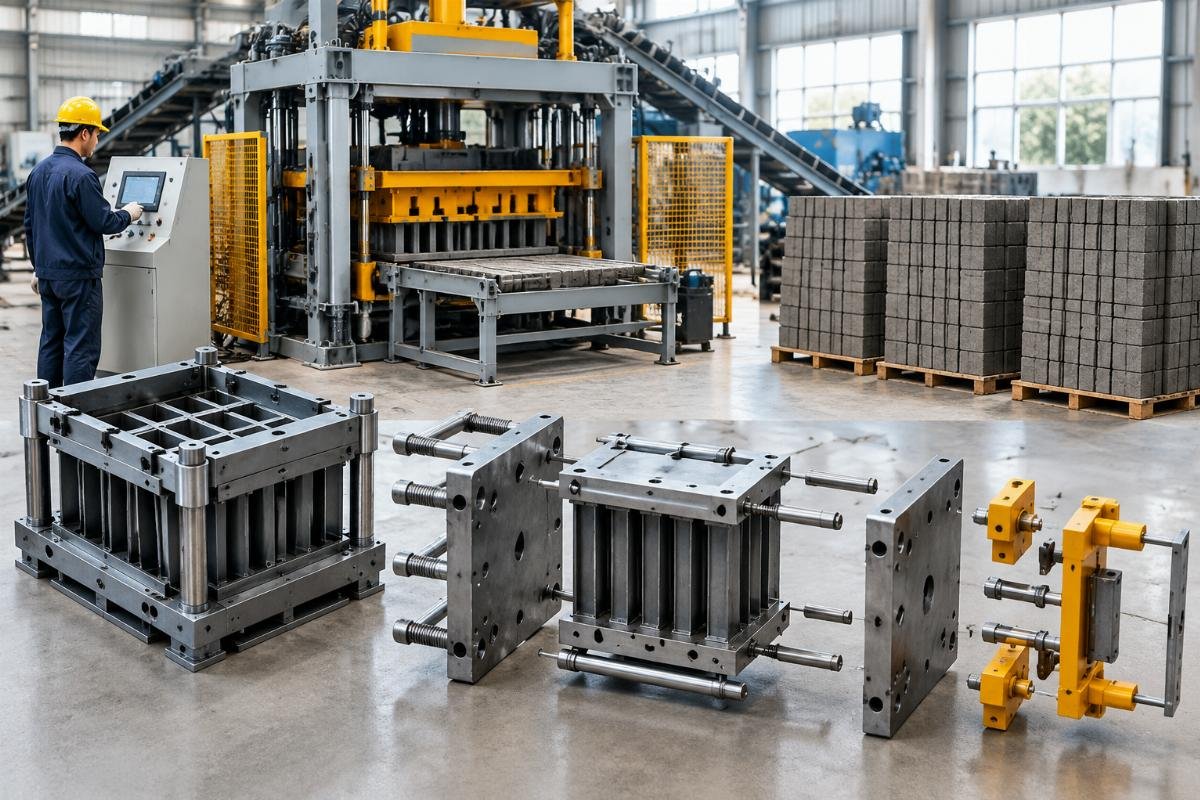
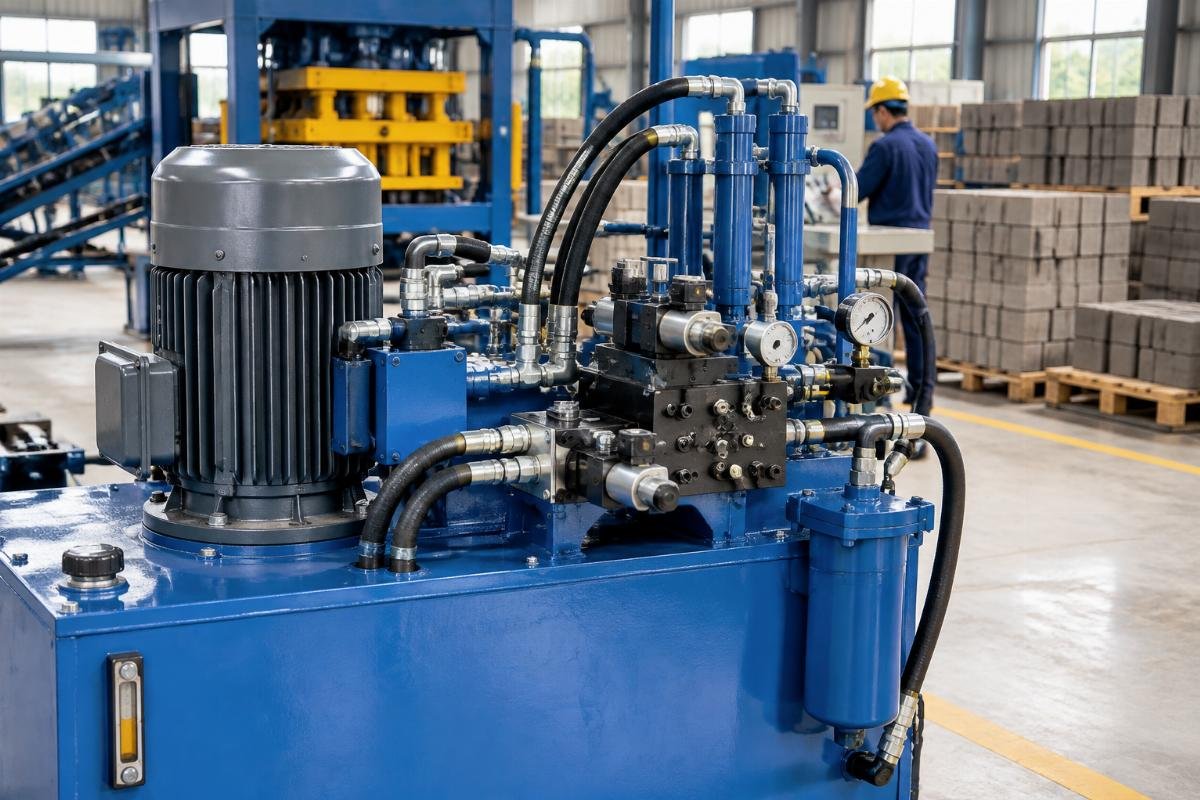
The hydraulic system powers the vertical movement of the mold and the horizontal feed of the concrete. While robust, it is susceptible to issues caused by the harsh operating conditions of mobile block machines. The most critical Egg-layer block machine components in this system are the hydraulic cylinders, control valves, and seals. Leaks are often misdiagnosed as pump failures, but they frequently stem from vibration-induced loosening of fittings or degradation of seals due to heat and contamination.
In tropical climates, high ambient temperatures can accelerate the breakdown of hydraulic oil, leading to increased wear on seals and valves. [NEED_CITE: effects of temperature on hydraulic fluid viscosity and seal integrity] Regular monitoring of oil quality and filter condition is essential. Additionally, checking the tightness of hose connections and valve mounts should be part of the daily routine. Vibration from the compaction process can gradually loosen these connections, causing minor leaks that escalate into major failures if ignored.
Proactive maintenance involves replacing seals during scheduled service intervals, even if no leaks are visible. This preventive approach is far cheaper than dealing with a sudden hydraulic failure that halts production. When sourcing hydraulic spares, it is important to use components that meet the original specifications for pressure ratings and material compatibility. Substandard seals may fail quickly, leading to frequent downtime and increased maintenance costs.
How to Optimize Spare Parts Procurement for Remote Sites?
Bundle high-wear items with initial orders to mitigate supply chain delays and reduce total landed cost.
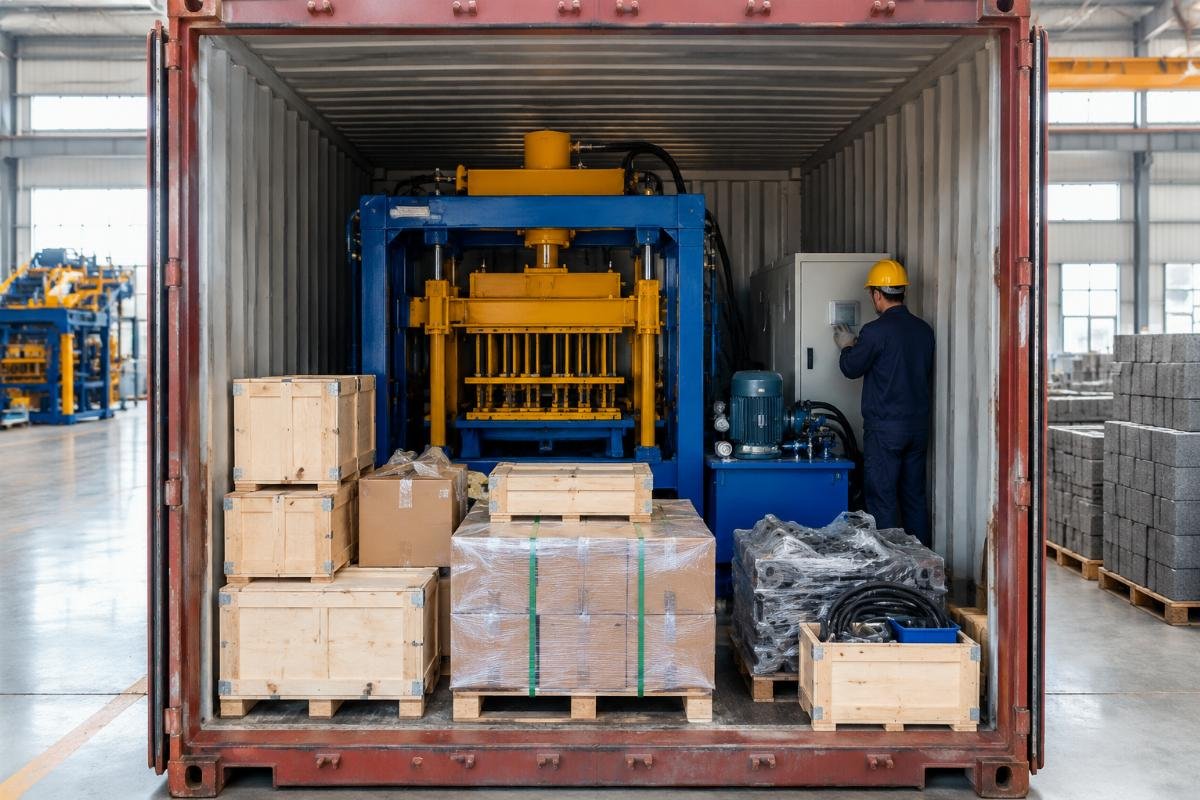
For plants located in remote areas or countries with complex import procedures, waiting for spare parts can mean weeks of lost production. Optimizing the procurement of Egg-layer block machine components requires a strategic approach to inventory and shipping. Instead of ordering parts reactively, buyers should identify high-wear items such as mold liners, bearings, and hydraulic seals and include them in the initial machine order.
Consolidating these spares with the main unit shipment offers several advantages. First, it simplifies customs clearance, as all items arrive under a single declaration. Second, it reduces shipping costs per unit, as sea freight is significantly cheaper than air freight for urgent deliveries. Third, it ensures that critical spares are available from day one, eliminating the risk of early downtime due to missing parts.
A distributor in West Africa adopted this strategy by creating customized spare parts kits for their clients. These kits included enough wear parts for the first year of operation, tailored to the specific usage patterns of the local market. This approach not only improved customer satisfaction but also strengthened the distributor’s reputation for reliability. By working closely with manufacturers to define the contents of these kits, buyers can ensure they have the right Egg-layer block machine components on hand to maintain continuous operation.
Conclusion
Accurate component identification drives operational efficiency and cost control.
Mastering the details of Egg-layer block machine components transforms maintenance from a reactive burden into a strategic advantage. By recognizing the modular nature of molds, the sensitivity of vibration systems, and the vulnerabilities of hydraulic units, plant owners can minimize downtime and extend equipment life. Strategic procurement, including the bundling of high-wear spares, further safeguards against supply chain disruptions. This holistic understanding ensures that the investment in mobile block manufacturing yields consistent returns, regardless of the operating environment.

Industry expert sharing insights about concrete machinery, block making technology and turnkey production solutions.
View all posts →
Leave a Reply