

Most buyers focus on the wrong numbers.
Technical specifications for a Compressed Earth Block Machine Technical Specification are not just data points; they are the primary tools for calculating return on investment and ensuring regulatory compliance. Buyers must look beyond nominal capacity to verified hourly output and valid certification documents to avoid extended payback periods.
I still remember the silence in the Las Vegas convention hall when a serious buyer from Europe asked for the CE certificate number and the specific page of the SGS report for our QT6-15 model. I had the machine, the price, and the enthusiasm, but I did not have the paperwork organized in my bag. He walked away before I could find it. That moment changed how I approach every inquiry. Now, I do not just show machines; I show proof. The gap between what is claimed on a brochure and what happens on a construction site in Africa or the Middle East is often defined by these missing details. Understanding the real meaning behind a Compressed Earth Block Machine Technical Specification prevents costly mistakes during tender submissions and daily operations.
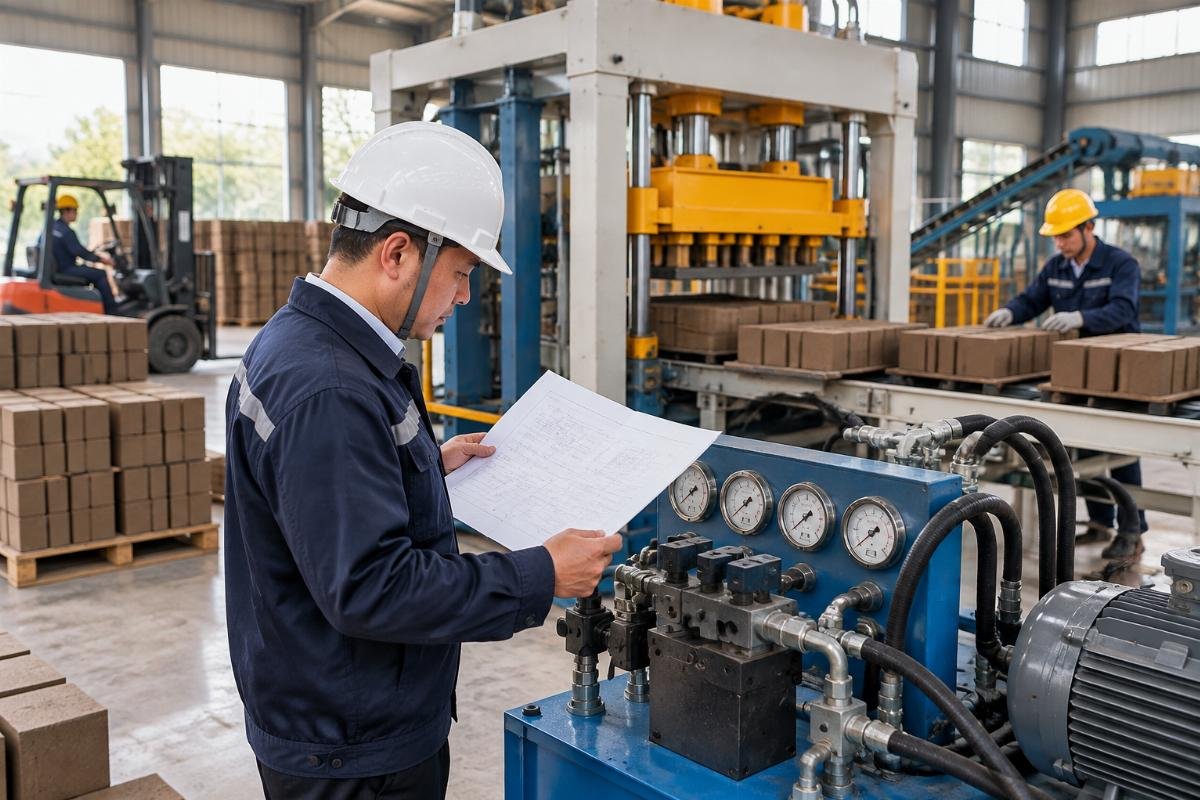
To make sense of these documents, one must understand that specs are the language of risk management. A higher model number does not always mean a better fit for your project. The right choice depends on matching cycle time to labor availability and ensuring that the cement ratio used in production aligns with local material costs. This guide breaks down how to read these specifications like a professional, focusing on what actually matters for your bottom line.
What Are the Critical Technical Specs for CEB Machines?
Focus on hydraulic pressure and mold cycle time, not just motor power.
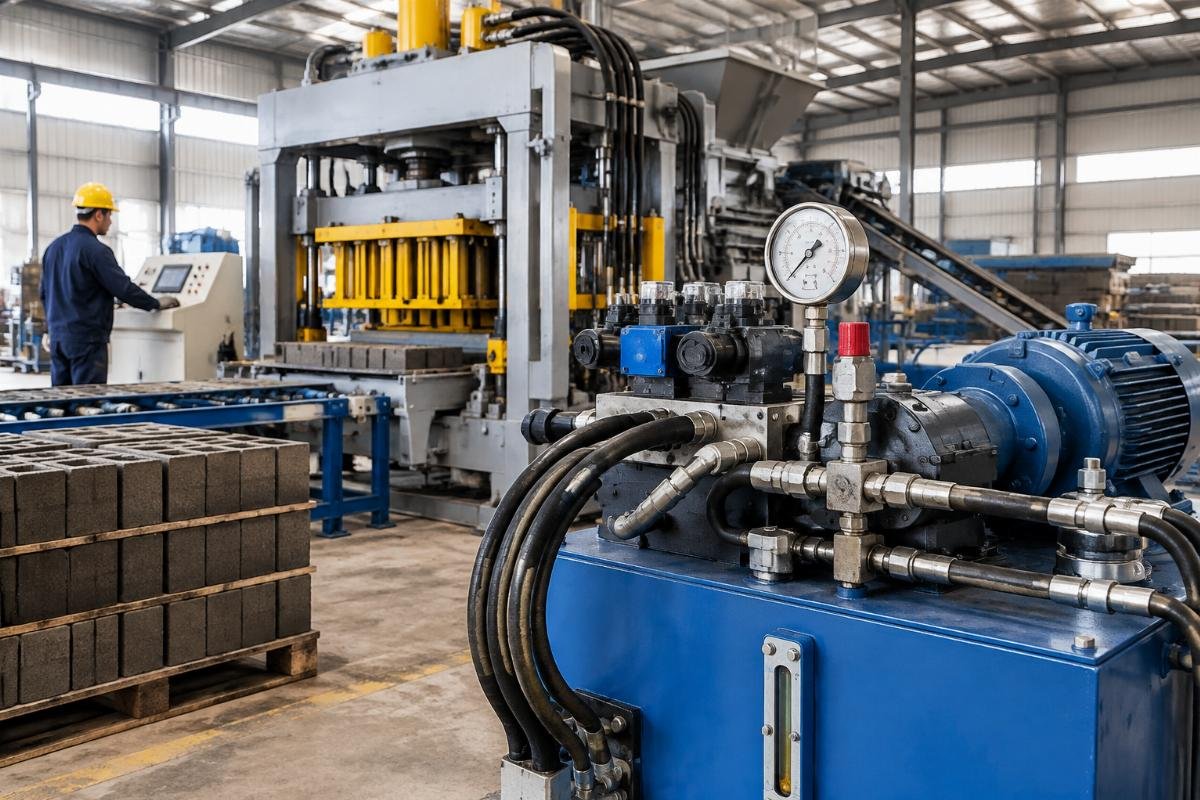
Many investors mistakenly believe that a larger motor indicates a more powerful machine. In reality, the ability to compress earth blocks consistently depends on the hydraulic system’s pressure stability and the speed of the mold cycle. Motor power is merely the energy source; the hydraulic pressure is the force that determines block density and strength. [NEED_CITE: relationship between hydraulic pressure and block compressive strength]
When reviewing a Compressed Earth Block Machine Technical Specification, look for the rated hydraulic pressure. This value dictates how well the machine can handle soils with varying clay content. If the pressure is too low, the blocks will crumble during ejection or fail to meet structural standards. Additionally, the mold cycle time—the time it takes to fill, compress, and eject a set of blocks—is the true driver of hourly output. A machine with a fast cycle time but unstable pressure will produce high volumes of defective units, which is worse than producing fewer good ones.
| Parameter | Basic Manual/Semi-Auto | Fully Automatic PLC Line | Impact on Production |
|---|---|---|---|
| Hydraulic Pressure Control | Fixed/Manual Adjustment | Automated/Consistent | Determines block density uniformity |
| Cycle Time | Variable/Dependent on Operator | Fixed/Optimized | Directly affects verified hourly output |
| Motor Power Rating | Often Overstated | Matched to Hydraulic Load | Influences electricity cost per block |
| Mold Change Mechanism | Manual/Bolted | Quick-Release/Hydraulic | Affects downtime for product switches |
A case from a housing project in West Africa illustrates this. The contractor chose a machine based on its high nominal capacity. However, under local soil conditions, the hydraulic system could not maintain consistent pressure, leading to a significant variance in block quality. The real-world test showed a noticeable drop in usable output compared to the claimed figures. By focusing on the hydraulic specs first, buyers can avoid such mismatches.
How to Verify CE and SGS Certifications?
Always request original document copies and cross-check serial numbers.
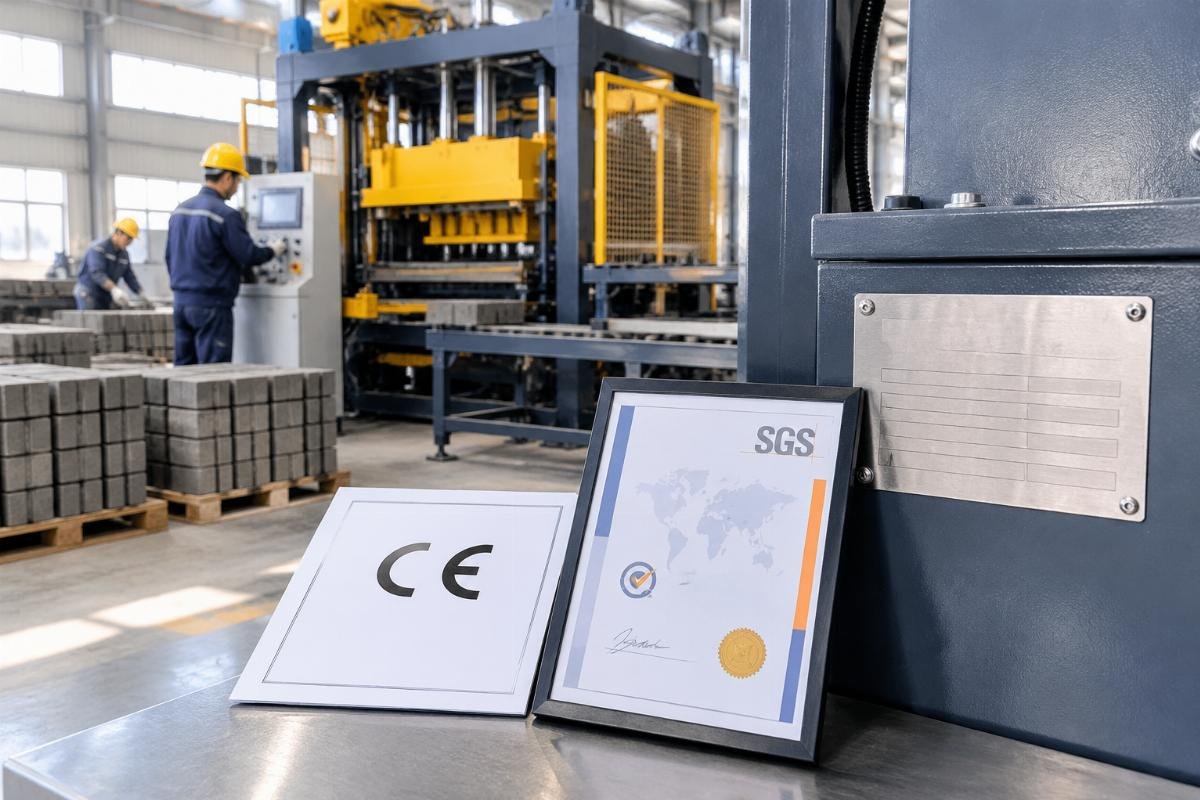
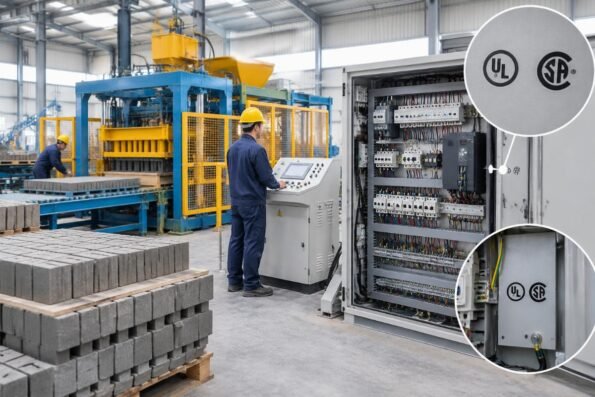
Certifications are not just badges; they are legal requirements for participating in government tenders and ensuring safety standards. A common mistake is accepting a scanned copy of a certificate without verifying its authenticity. For a Compressed Earth Block Machine Technical Specification to be valid in international bids, the CE and SGS documents must match the specific machine model and serial number. [NEED_CITE: importance of serial number verification in ISO certification]
During a tender process in the Middle East, a bidder was disqualified because their CE certificate did not list the specific model of the block making machine they offered. The certifying body had issued a general certificate for the manufacturer, but not for that specific unit. To avoid this, always ask for the original document copies and check the scope of certification. Does it cover the electrical systems? Does it include the hydraulic components?
Three critical documents are required for tender acceptance:
- The original CE certificate with the notified body number.
- The SGS test report detailing performance metrics.
- The declaration of conformity linking the machine serial number to the certificates.
Verifying these documents ensures that the machine meets international safety and quality standards. It also protects the buyer from liability issues if an accident occurs on site. When reviewing a Compressed Earth Block Machine Technical Specification, treat the certification section as a legal audit, not just a marketing feature.
How to Calculate Real Hourly Output?
Use video evidence of continuous operation rather than theoretical max capacity.
Theoretical capacity is calculated under ideal conditions: perfect soil, no interruptions, and maximum speed. Real hourly output is what you get when the machine runs for eight hours with local operators and variable material quality. To get an accurate figure, request video evidence of continuous operation. [NEED_CITE: methods for measuring actual vs theoretical production capacity]
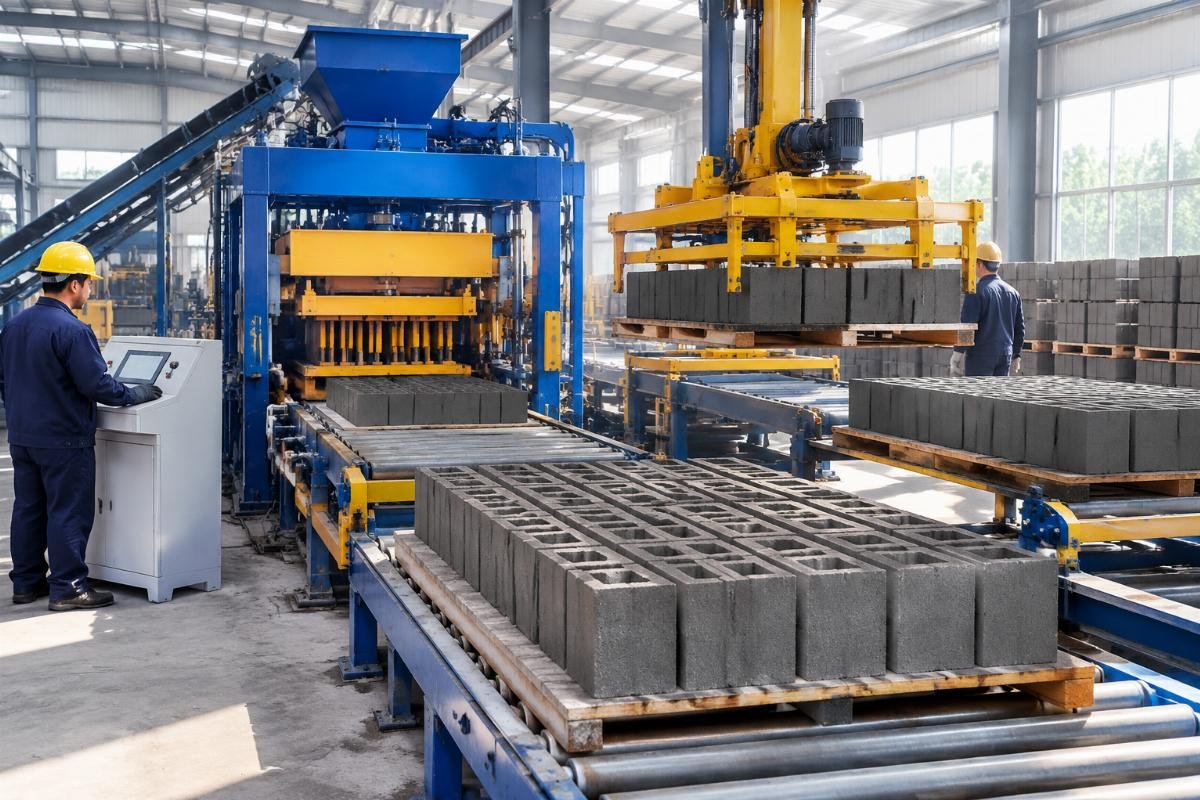
In one instance, a buyer was quoted a high hourly output for a QT series machine. However, when we provided a video of the machine running for a full shift, the average output was lower due to the time required for pallet changes and minor adjustments. This transparency allowed the buyer to calculate a realistic return on investment. Shiyue’s practice of providing real production videos helps buyers see the true performance of QT series machines under typical working conditions.
To calculate real output:
- Watch a video of at least one hour of continuous operation.
- Count the number of complete cycles.
- Multiply by the number of blocks per cycle.
- Subtract time for maintenance and material loading.
This method provides a much more accurate picture than the nominal capacity listed in a brochure. When analyzing a Compressed Earth Block Machine Technical Specification, look for data derived from actual tests, not just engineering calculations.
How Do Specs Impact ROI?
Lower cement consumption and higher uptime directly reduce the payback period.
The most expensive part of block production is not the machine itself, but the operating costs. Cement usage per block is a key factor in determining monthly profitability. A machine that allows for a lower cement ratio while maintaining strength can save significant amounts of money over time. [NEED_CITE: impact of cement ratio on operating costs in block manufacturing]
For a startup investor, calculating the cement usage per block is essential. A difference of a few percentage points in the cement ratio can lead to a noticeable impact on monthly profits. Machines with precise PLC control can optimize the mixing and compression process, allowing for consistent quality with less binder material. This efficiency translates to a shorter payback period.
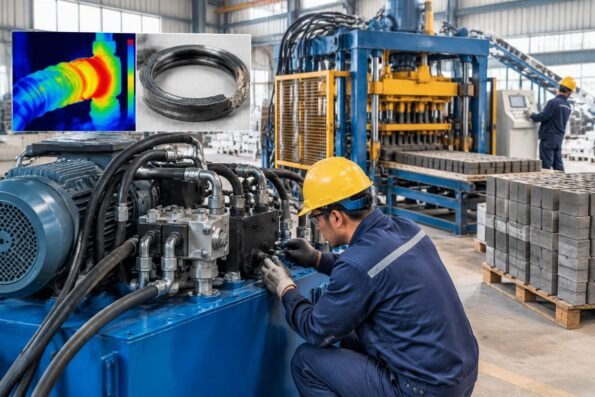
Additionally, higher uptime means more blocks produced per day. A machine with robust components and easy access for maintenance will have fewer breakdowns. This reliability ensures that production targets are met consistently, which is crucial for fulfilling contracts on time. When evaluating a Compressed Earth Block Machine Technical Specification, consider how each spec contributes to lowering operating costs and increasing uptime.
| Cost Factor | Influence of Machine Specs | ROI Impact |
|---|---|---|
| Cement Usage | Precision of mixing and compression | Lower material cost per block |
| Electricity Cost | Efficiency of hydraulic and motor systems | Reduced utility expenses |
| Maintenance Downtime | Quality of components and ease of access | Higher annual production volume |
| Labor Efficiency | Level of automation and PLC control | Lower labor cost per unit |
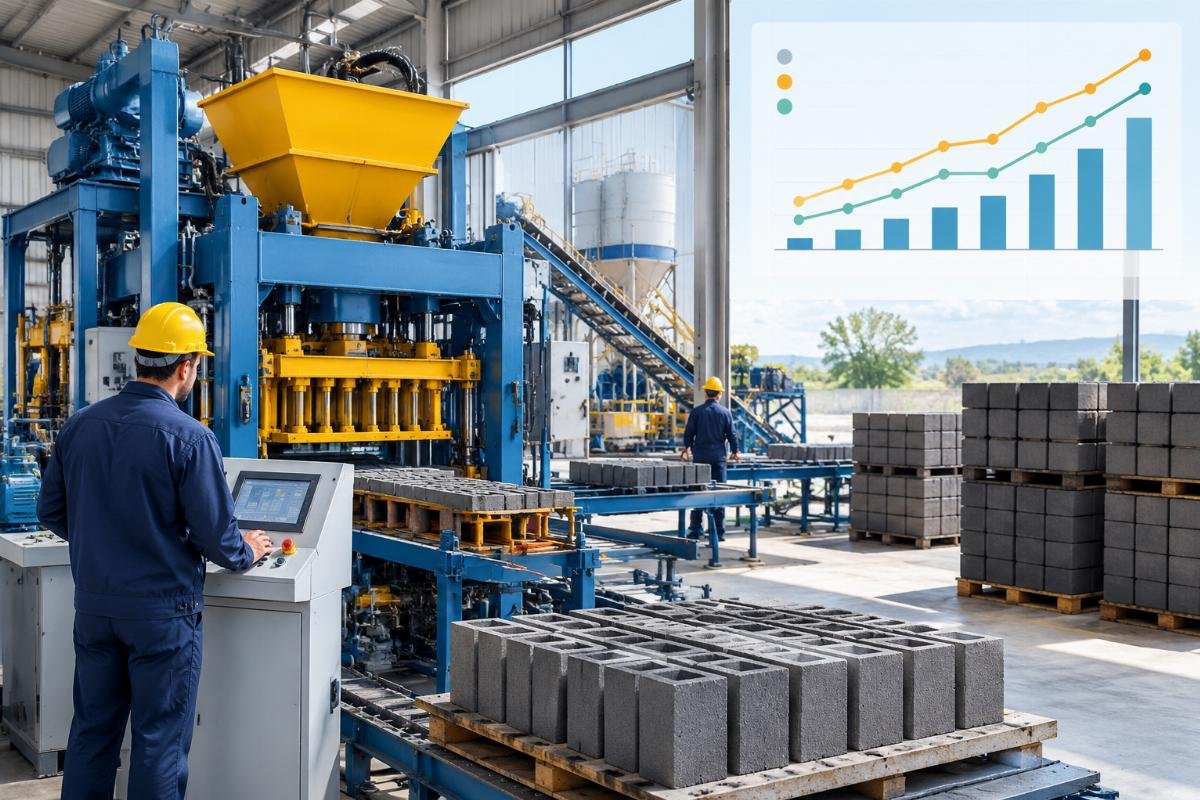
By focusing on these operational specs, buyers can choose a machine that not only performs well but also makes financial sense. The right Compressed Earth Block Machine Technical Specification will highlight features that drive efficiency and reduce long-term costs.
Conclusion
Specs are the blueprint for profit.
Understanding the technical details of a block making machine is essential for making a smart investment. By focusing on hydraulic pressure, verifying certifications, calculating real output, and analyzing operating costs, buyers can avoid common pitfalls. A well-chosen machine based on a thorough review of the Compressed Earth Block Machine Technical Specification will deliver consistent performance and a strong return on investment.

Industry expert sharing insights about concrete machinery, block making technology and turnkey production solutions.
View all posts →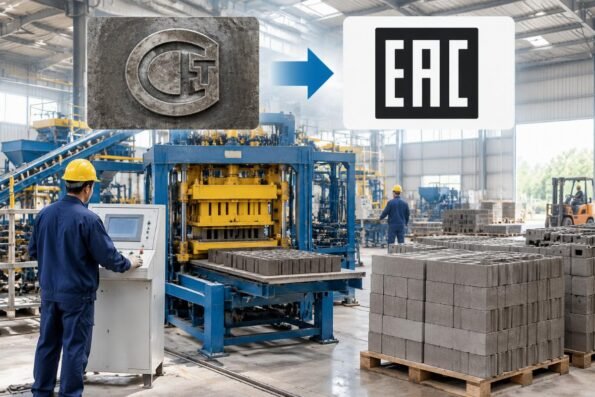
Leave a Reply