

QT9-18 AAC Block Production Line Manufacturer for Sale
Bigger capacity does not guarantee better ROI.
The QT9-18 AAC block production line is not a universal solution for every emerging market investor. Its success depends entirely on precise raw material adaptation, specifically silica content analysis, and local infrastructure readiness regarding steam and pressure stability. Without these foundational elements, high-capacity machinery often leads to increased waste and operational downtime rather than profit.
I remember standing in a dusty yard in Bac Ninh province, watching a newly installed cutting system struggle with local river sand. The client had insisted on the largest available configuration, assuming that volume would automatically translate to market dominance. He had not accounted for the variability in the local silica sources. The result was a box of broken cutting wires and a production schedule that stalled before it truly began. This scenario repeats across Southeast Asia and Africa, where the allure of high-output equipment overshadows the technical realities of aerated concrete manufacturing. [NEED_CITE: common failure modes in AAC production due to raw material mismatch]
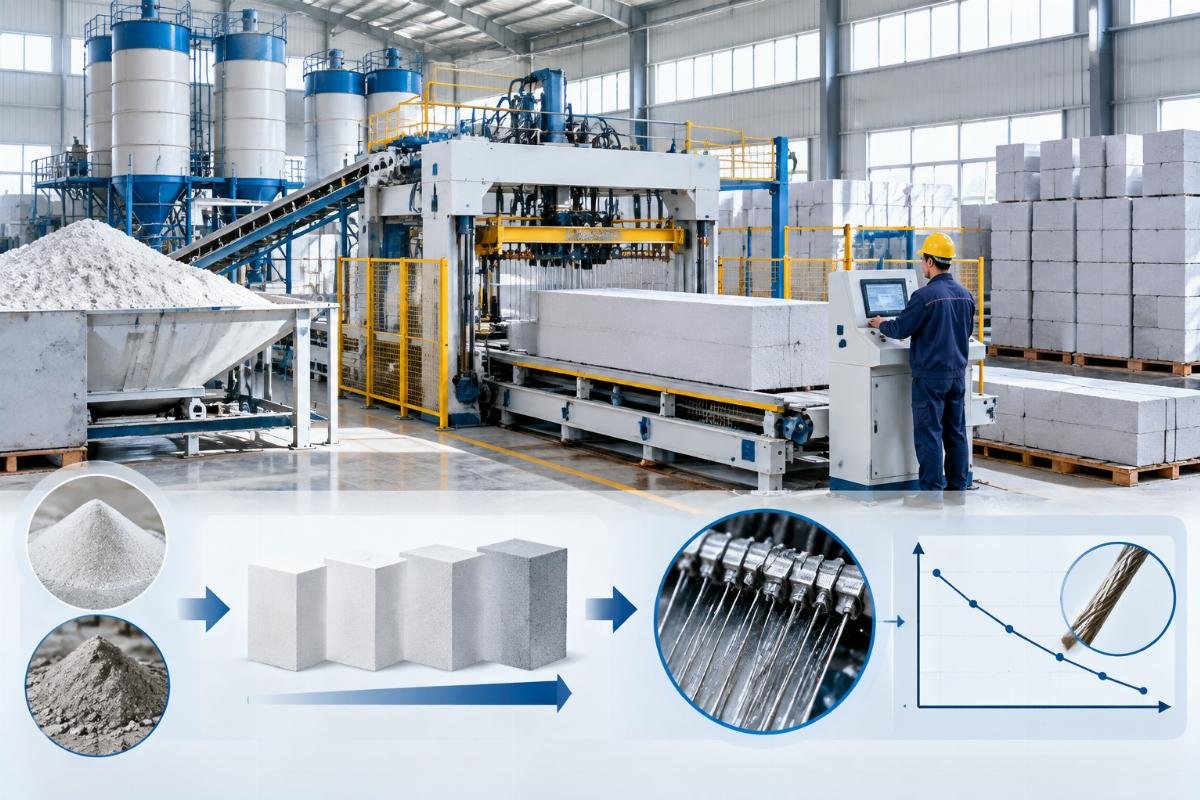
Understanding this dynamic is critical for private investors and contractors who are evaluating turnkey solutions. The machine is only as effective as the ecosystem supporting it.
Is the QT9-18 Right for Your Local Raw Materials?
Chemical compatibility determines product quality more than machine brand.
Many buyers assume that standard PLC controls can handle any type of sand or fly ash. In reality, local sand variability requires custom mold and cutting system adjustments. The QT9-18 AAC block production line is designed for high efficiency, but it operates within strict chemical parameters. If the ratio of silicon dioxide to calcium oxide is off, the autoclaving process fails to create the necessary crystalline structure, leading to weak blocks or excessive breakage during cutting.
A client in Indonesia once attempted to switch from imported fly ash to local river sand without prior testing. The visual difference was minimal, but the chemical composition was vastly different. The cutting wires snapped frequently, and the final product showed significant shrinkage cracks. This was not a mechanical fault of the QT9-18 AAC block production line, but a material mismatch. [NEED_CITE: impact of SiO2/CaO ratio on AAC structural integrity]
To avoid this, investors must prioritize pre-sales raw material testing. Shiyue offers this service as part of its turnkey design consultation, ensuring that the equipment configuration matches the specific geological characteristics of the site. This step is often skipped in the rush to secure financing, but it is the single most important factor in long-term viability.
| Material Factor | Risk Level | Mitigation Strategy |
|---|---|---|
| High Silica Variability | High | Custom cutting wire specification and mold adjustment |
| Unwashed River Sand | Medium | Additional screening and washing stage integration |
| Fly Ash with High Carbon | High | Adjusted slurry mixing time and additive formulation |
| Consistent Industrial By-product | Low | Standard QT9-18 AAC block production line configuration |
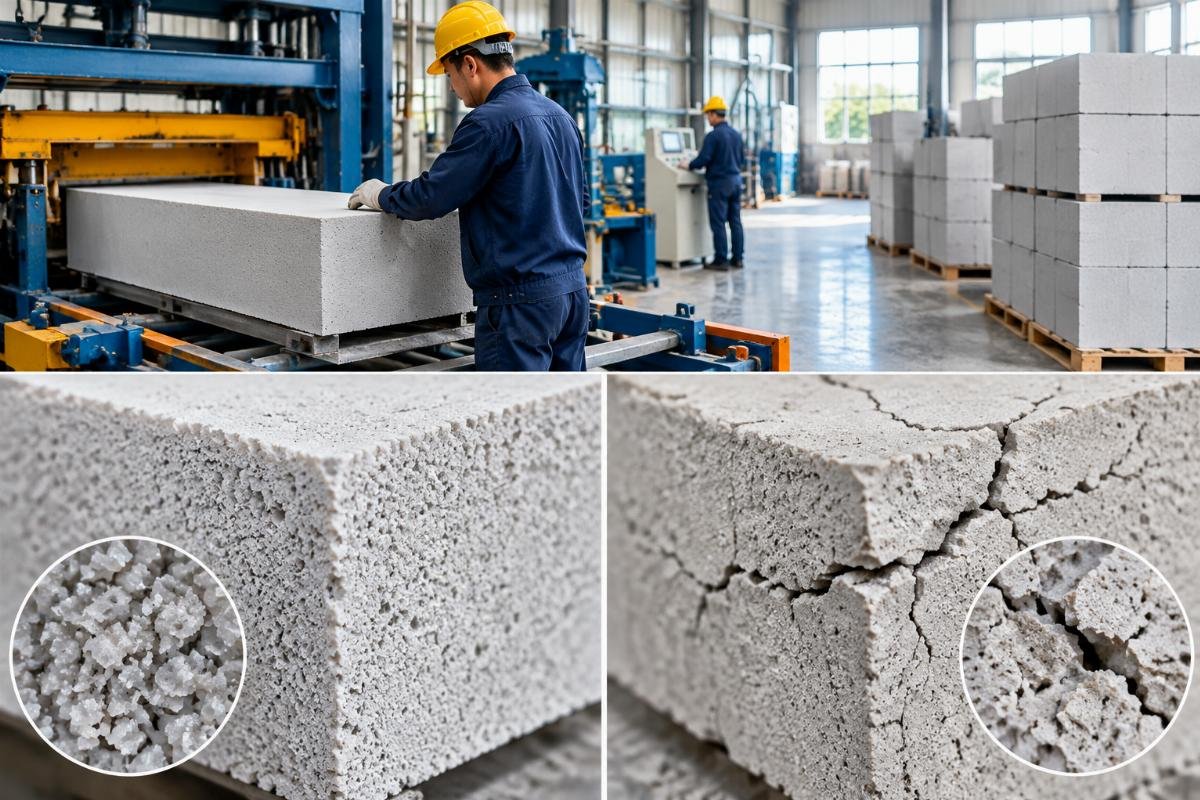
The key is not to force the raw material to fit the machine, but to adapt the QT9-18 AAC block production line setup to the raw material. This approach minimizes waste and ensures consistent product quality from day one.
Infrastructure Readiness: Power and Steam Requirements
Stable energy supply is critical for autoclave efficiency and safety.
The autoclaving phase is the heart of AAC production, and it demands consistent steam pressure and temperature. In many emerging markets, grid instability and fluctuating boiler output are common challenges. A QT9-18 AAC block production line requires a synchronized operation between the batching plant, the autoclaves, and the steam supply system. If the pressure drops during the curing cycle, the chemical reaction halts, resulting in defective batches that cannot be salvaged.
In North Vietnam, a project faced repeated curing defects because the local boiler capacity could not maintain steady pressure during peak usage times. The autoclaves were large, but the steam source was undersized. The solution was not to replace the autoclaves, but to upgrade the boiler system and install pressure stabilization tanks. This infrastructure gap is often overlooked in initial budgeting, leading to costly retrofits later. [NEED_CITE: importance of stable steam pressure in autoclaved aerated concrete curing]
Investors must calculate the total grid load for simultaneous autoclave operation. This includes not just the motors for the QT9-18 AAC block production line, but also the pumps, compressors, and heating elements. Working with a supplier who understands these local infrastructure constraints is vital. Shiyue’s engineering team reviews local utility data during the design phase to recommend appropriate buffer systems and backup power solutions.
Ignoring these requirements can lead to frequent downtime and inconsistent product quality. A well-planned infrastructure layout ensures that the QT9-18 AAC block production line operates at its designed efficiency, regardless of external fluctuations.
Navigating Local Regulations and Environmental Compliance
Permit acquisition must precede equipment ordering to avoid delays.
Environmental regulations for construction material production are tightening globally. In many countries, obtaining permits for dust control, wastewater treatment, and noise levels can take months. A common mistake is to order the QT9-18 AAC block production line before securing these permits. When the equipment arrives, installation may be halted by authorities, leading to storage costs and potential damage from exposure to the elements.
A developer in East Africa faced a six-month delay because the environmental impact assessment was not completed before the machinery shipment. The QT9-18 AAC block production line sat in containers while legal fees mounted. This delay erased the projected ROI for the first year of operation. [NEED_CITE: typical timeline for environmental permits in emerging market construction sectors]
To prevent this, investors should map out the regulatory timeline alongside the equipment delivery schedule. Shiyue provides guidance on the necessary documentation for CE and SGS certification, which can facilitate local approval processes. Additionally, the turnkey solution includes recommendations for dust collection and water recycling systems that meet international standards, helping to speed up permit approval.
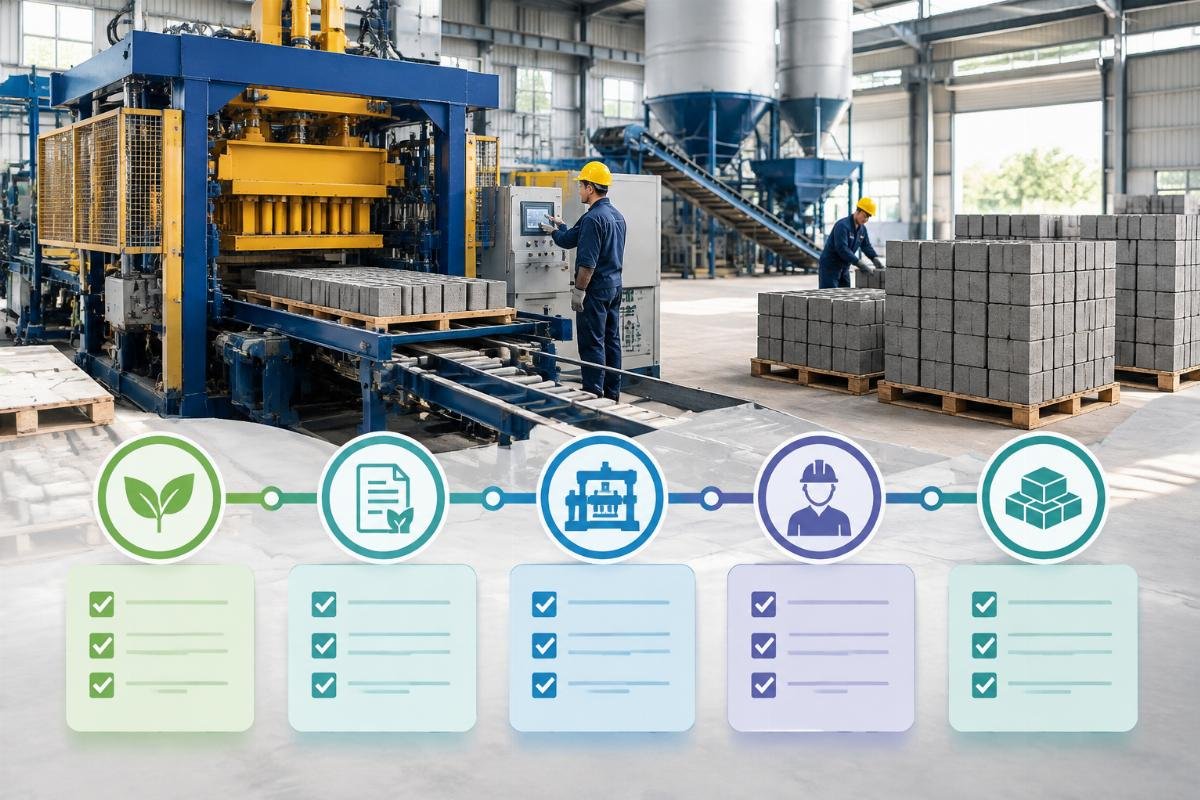
Proactive compliance planning ensures that the QT9-18 AAC block production line can be installed and commissioned without legal interruptions. This strategic alignment saves time and money, allowing the business to start generating revenue sooner.
Calculating Realistic ROI for AAC Plants in Emerging Markets
Factor in material waste and maintenance costs, not just output volume.
Most ROI calculations focus on maximum output capacity. However, real-world profitability is determined by net yield after waste and maintenance. A QT9-18 AAC block production line may have a high theoretical output, but if raw material mismatch causes significant waste, the actual profit margin shrinks. Similarly, if local spare parts are unavailable, downtime for minor repairs can last weeks, further eroding returns.
Investors should consider the total cost of ownership, including the cost of cutting wires, mold maintenance, and energy consumption. Shiyue’s ROI analysis tools help buyers model these variables based on local conditions. For example, using local sand might reduce material costs but increase wire consumption. The net effect must be calculated to determine true profitability. [NEED_CITE: factors influencing total cost of ownership in AAC manufacturing]
Furthermore, the availability of trained operators is crucial. The QT9-18 AAC block production line is automated, but it requires skilled supervision for troubleshooting and routine maintenance. Shiyue includes operator training in its turnkey packages, ensuring that local staff can manage the equipment effectively. This reduces reliance on expensive foreign technicians and minimizes downtime.
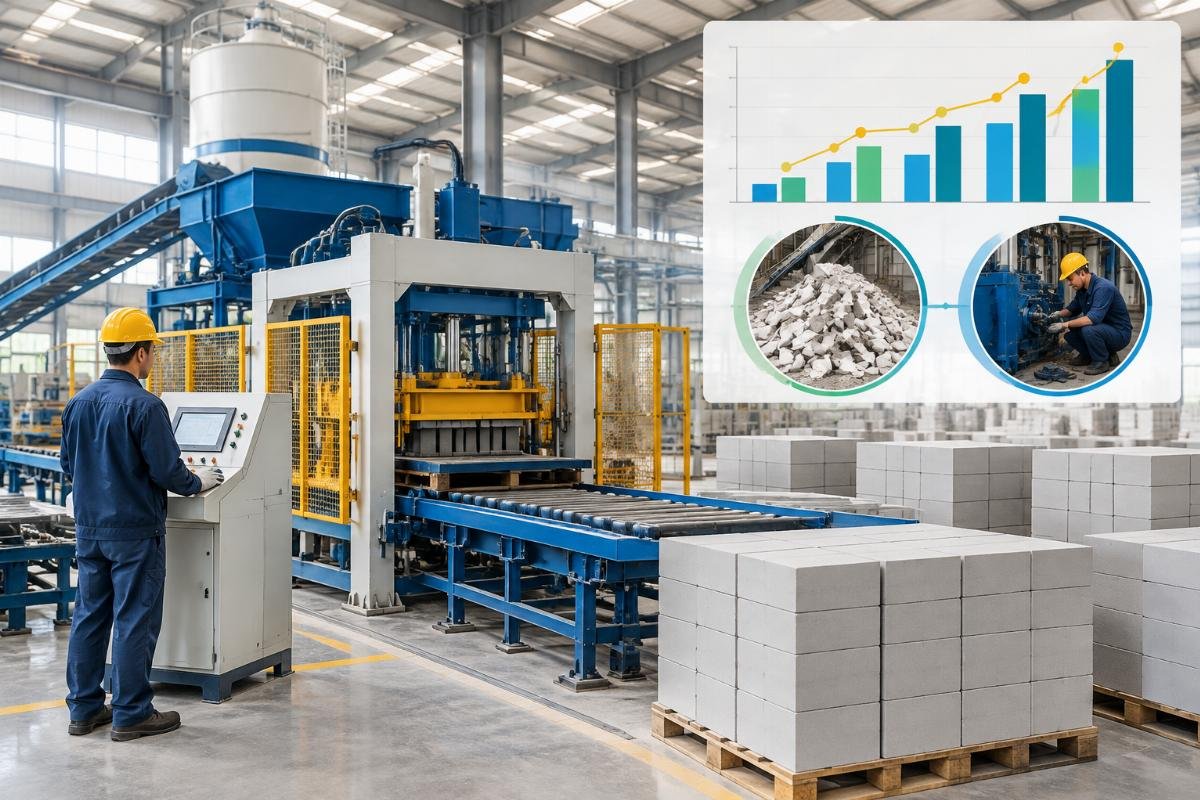
By focusing on realistic operational metrics rather than just capacity, investors can make informed decisions. The QT9-18 AAC block production line becomes a profitable asset when integrated into a well-planned business model that accounts for all local variables.
Conclusion
Success lies in preparation, not just procurement.
The QT9-18 AAC block production line is a powerful tool for entering the aerated concrete market, but it is not a standalone solution. Its performance is dictated by raw material compatibility, infrastructure stability, and regulatory compliance. Investors who prioritize these foundational elements will see sustainable returns, while those who focus solely on capacity may face operational hurdles. By leveraging expert consultation and thorough planning, buyers can ensure their investment delivers the expected value.

Industry expert sharing insights about concrete machinery, block making technology and turnkey production solutions.
View all posts →
Leave a Reply