

QMY6-25 Mobile Egg Layer Specs & Buyer Guide from China Manufacturer
Higher hourly speed does not equal higher daily profit for mobile block production.
The QMY6-25 mobile egg layer block machine specifications list a theoretical output that assumes perfect ground conditions and continuous operation, but real-world performance is dictated by site preparation and operator rhythm. For small-scale investors in emerging markets, this machine serves as a cost-effective entry point for scattered housing projects, provided buyers prioritize ground stability and mold versatility over maximum speed claims. Actual daily yield often varies significantly from brochure data due to uneven terrain and mix consistency, making site assessment more critical than motor power ratings.
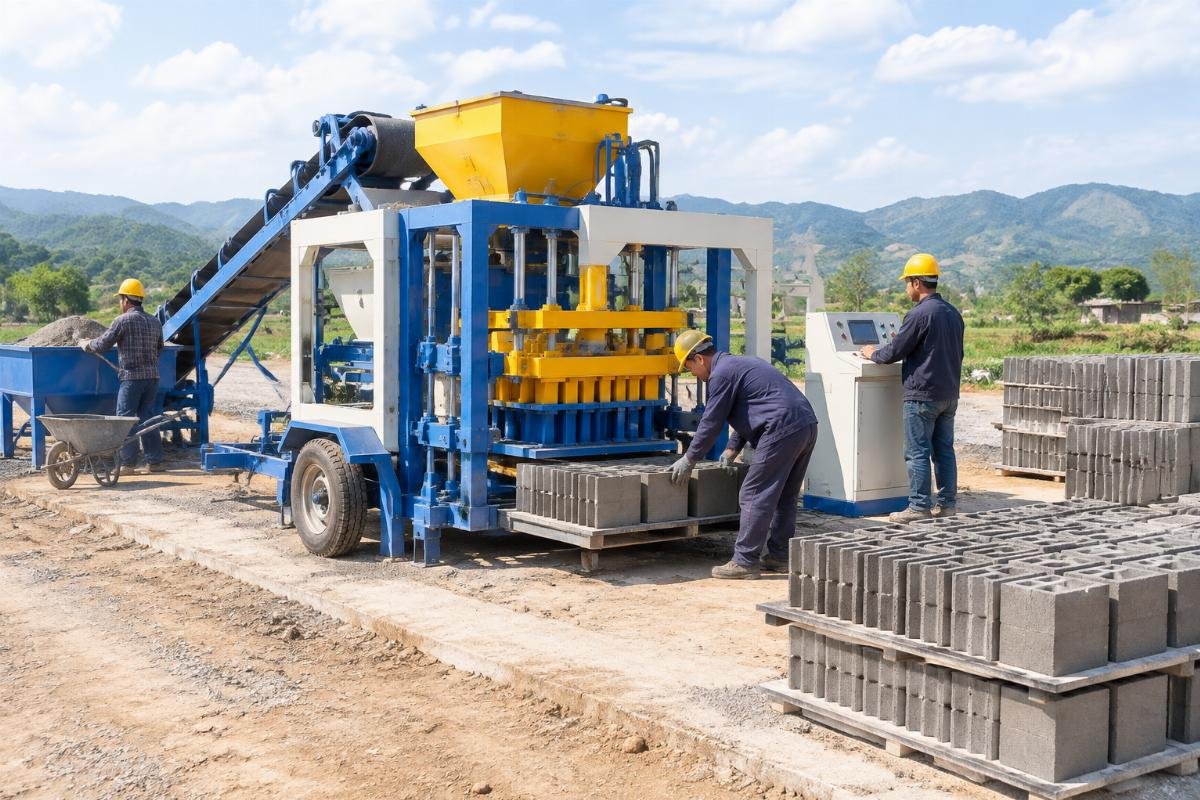
Moving from fixed production lines to mobile units requires a shift in mindset. The flexibility of moving the machine to the material source saves transport costs, but it introduces variables that static factories do not face. Understanding these variables is key to avoiding disappointment after purchase.
What Is the Real Output Capacity of the QMY6-25?
Theoretical hourly rates are misleading without accounting for cycle time losses in mobile operations.
When reviewing QMY6-25 output capacity, buyers often focus on the number of blocks produced per hour under ideal test conditions. However, field experience shows that actual output depends heavily on three factors: ground levelness, operator skill, and concrete mix quality. A machine that produces six blocks per cycle may stall if the ground is uneven, causing the mold to stick or the blocks to deform. [NEED_CITE: impact of ground flatness on mobile block machine efficiency]
In a recent project in Nigeria, a client expected to match the factory-tested output immediately upon arrival. The site, however, had minor undulations common in rural areas. Without proper leveling using local sand and compactors, the machine’s vibration system could not distribute energy evenly. This led to a noticeable drop in daily production and increased breakage rates. Once the operating area was leveled within strict tolerances, the output stabilized, though it remained lower than the theoretical maximum due to manual handling limits.
| Performance Factor | Ideal Condition (Factory Test) | Typical Field Condition | Impact on Output |
|---|---|---|---|
| Ground Levelness | Perfectly flat steel plate | Compacted earth with minor undulations | Noticeably reduced |
| Operator Experience | Trained specialist | Local labor with basic training | Variable cycle time |
| Concrete Mix | Standardized lab mix | Local aggregate with varying moisture | Inconsistent density |
| Power Supply | Stable grid connection | Diesel generator with fluctuation | Potential downtime |
This comparison highlights why QMY6-25 mobile egg layer block machine specifications should be viewed as a baseline rather than a guarantee. Buyers must calculate their ROI based on conservative estimates that account for these real-world constraints.
Why Ground Preparation Matters More Than Machine Speed
Mobility saves money on transport, but poor ground preparation costs money in wasted blocks.
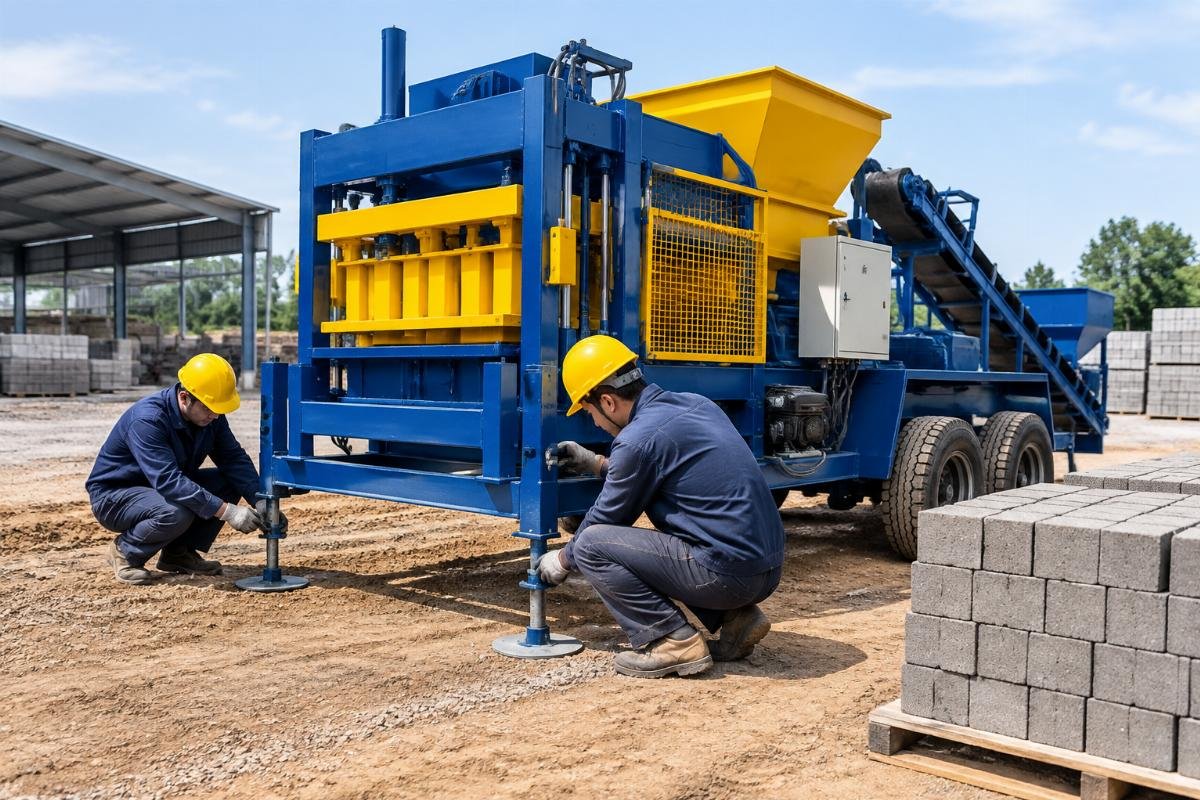
The core advantage of an egg-layer machine is its ability to move along a production line, laying blocks directly on the ground. This eliminates the need for pallets and reduces initial investment. However, this design makes the machine extremely sensitive to the bearing surface. [NEED_CITE: ground bearing pressure requirements for mobile block machines]
In Kenya, a startup investor chose the QMY6-25 for its low entry cost. He initially neglected ground preparation, assuming the machine’s wheels would handle minor irregularities. The result was inconsistent block height and frequent mold jamming. The "mobile" nature of the machine means it travels over its own path; if that path is not stable, every subsequent row suffers.
Proper site preparation involves clearing vegetation, compacting the soil, and creating a smooth, hard surface. Some operators use a thin layer of cement screed or well-compacted gravel to ensure uniformity. This upfront effort pays off by reducing waste and maintaining consistent block dimensions. Ignoring this step leads to frustration and the false belief that the machine is defective.

How to Select Molds for Local Market Demand
Standard molds do not fit all local aggregate sizes and market preferences.
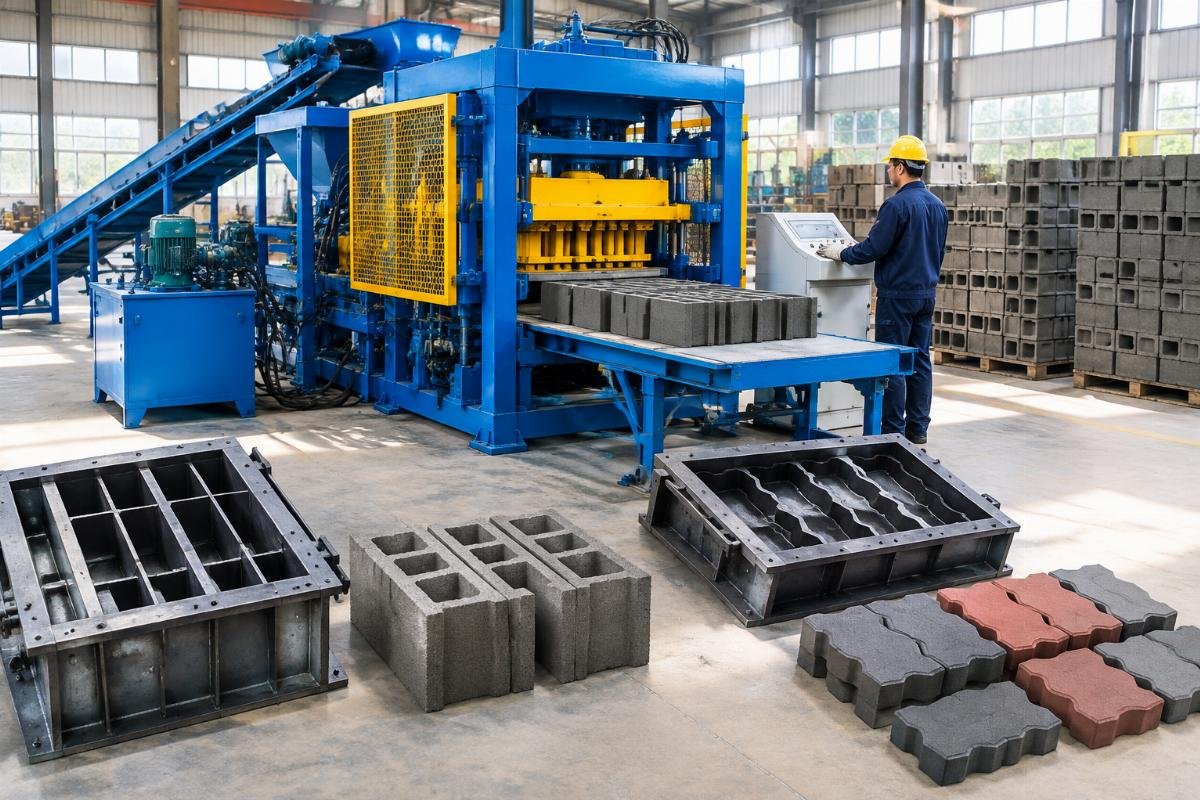
One common mistake is ordering the machine with a single mold type, assuming it will meet all customer needs. The QMY6-25 mobile egg layer block machine specifications include options for various mold configurations, such as solid blocks, hollow blocks, and interlocking pavers. Choosing the right mix is crucial for market penetration.
In many African and Latin American markets, demand shifts between structural hollow blocks for walls and solid pavers for pathways. A versatile approach involves starting with two or three core molds that cover the most common local standards. Custom adjustments may be necessary if local aggregates are larger than standard sizes, as this affects the wall thickness and overall density of the block.
| Mold Type | Typical Application | Market Demand Level | Production Complexity |
|---|---|---|---|
| Hollow Block (200mm) | Structural walls | High | Standard |
| Solid Block (150mm) | Partition walls | Medium | Standard |
| Interlocking Paver | Road paving | Growing | Higher precision required |
| Curbstone | Road edges | Niche | Specialized setup |
Buyers should consult with local builders to determine the most sought-after dimensions. Ordering extra molds at the time of purchase is often more cost-effective than shipping them later. The ease of mold changeover on the QMY6-25 allows for flexible production schedules, enabling operators to switch products based on daily orders.
Power Source Compatibility and Fuel Efficiency
Diesel generators offer independence but require careful management of fuel consumption and stability.
Remote construction sites often lack reliable grid electricity. The QMY6-25 mobile egg layer block machine specifications typically allow for both electric motor and diesel engine options. While diesel engines provide mobility and independence, they introduce variable costs and maintenance needs.
Fuel consumption per thousand blocks can vary based on engine load and operational continuity. Frequent start-stop cycles consume more fuel than steady-state operation. Additionally, diesel engines require regular maintenance to ensure consistent vibration frequency, which is critical for block density. In contrast, electric motors offer lower operating costs and less maintenance but depend on grid availability or large-capacity generators.
For buyers in areas with unstable power, a hybrid approach or a high-quality diesel engine with a stabilizer is recommended. Calculating the total cost of ownership should include fuel prices and maintenance intervals, not just the initial machine price. This holistic view prevents unexpected operational expenses from eroding profit margins.
Common Pitfalls and Maintenance Tips for Long-Term Operation
Simple daily checks prevent costly downtime and extend machine life significantly.
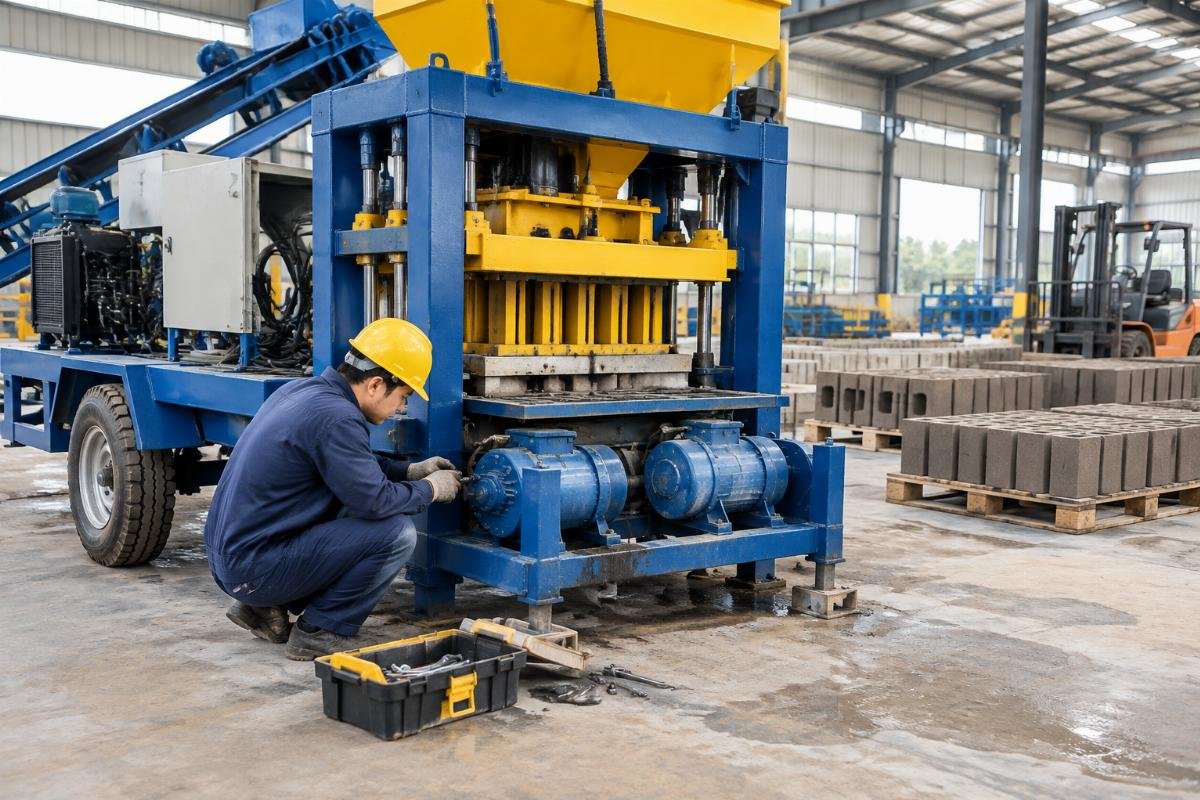
Many operational issues stem from neglect rather than mechanical failure. Vibrating machines endure high stress, so loose bolts and worn components are common. A daily inspection routine should include checking vibration motor mounts, hydraulic hoses (if applicable), and mold alignment. [NEED_CITE: maintenance checklist for mobile block machines]
Spare parts planning is another critical area. Waiting for shipments from overseas can halt production for weeks. Keeping a stock of essential wear parts, such as vibration bearings and mold liners, ensures continuity. Training local operators to recognize early signs of wear, such as unusual noises or decreased vibration intensity, empowers them to take preventive action.
Avoiding common buying mistakes also involves verifying the supplier’s support structure. A manufacturer that provides detailed manuals and remote diagnostic assistance adds value beyond the hardware. This support helps troubleshoot issues quickly, minimizing downtime and keeping the project on schedule.
Conclusion
Success with the QMY6-25 depends on site preparation and realistic expectations, not just machine specs.
The QMY6-25 mobile egg layer block machine specifications provide a framework for understanding capability, but real-world performance hinges on execution. By prioritizing ground leveling, selecting appropriate molds, and maintaining a disciplined operational routine, buyers can maximize the return on their investment. This machine remains a viable solution for small-scale projects where mobility and low initial cost are paramount, provided the operator adapts to the unique demands of mobile production.

Industry expert sharing insights about concrete machinery, block making technology and turnkey production solutions.
View all posts →
Leave a Reply