

Manual Brick Machine for Turkey Market: Factory Supplier & FOB Price
The cheapest machine on the invoice is often the most expensive asset in your yard.
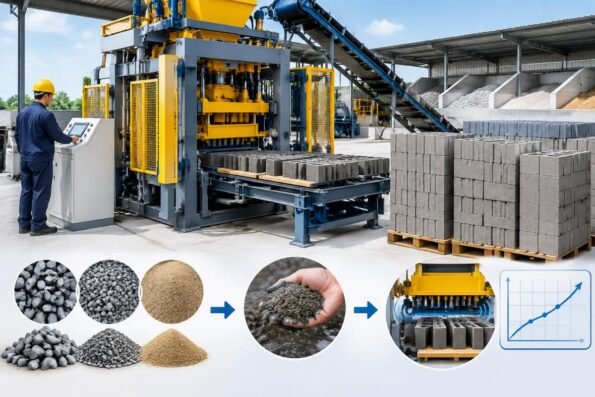
Success in sourcing a manual brick machine Turkey buyers need does not come from finding the lowest FOB price in Linyi or Quanzhou. It comes from matching the machine’s hydraulic cycle time to the specific mold typology demanded by local construction codes, whether that is standard hollow blocks for housing or interlocking pavers for municipal projects. A mismatch here creates idle labor and inventory bottlenecks that erase profit margins faster than any premium equipment cost.
I learned this the hard way during a shipment to a coastal project near Mersin. The client had ordered an entry-level manual unit based solely on the base price. They needed standard hollow blocks for a rapid housing development, targeting a daily output of several thousand units. However, the mold configuration we initially discussed was designed for solid bricks, which have a significantly different compression and ejection rhythm. When the machine arrived, the local crew found themselves waiting minutes between cycles for the concrete to settle enough to eject without cracking. The machine wasn’t broken; it was misaligned with the production goal. We had to air-freight a new set of hollow block molds and adjust the hydraulic pressure settings remotely. That delay cost more in lost labor hours than the initial savings on the machine itself. This experience dictates how I now approach every inquiry for a manual brick machine Turkey investors consider: we start with the brick type, not the budget.

To avoid these pitfalls, you must look beyond the steel frame and focus on the operational synergy between the machine’s power system and your local material supply.
Which Manual Model Fits Your Turkish Production Goal?
Do not choose a model based on its maximum theoretical capacity; choose it based on your realistic daily labor availability and target brick geometry.
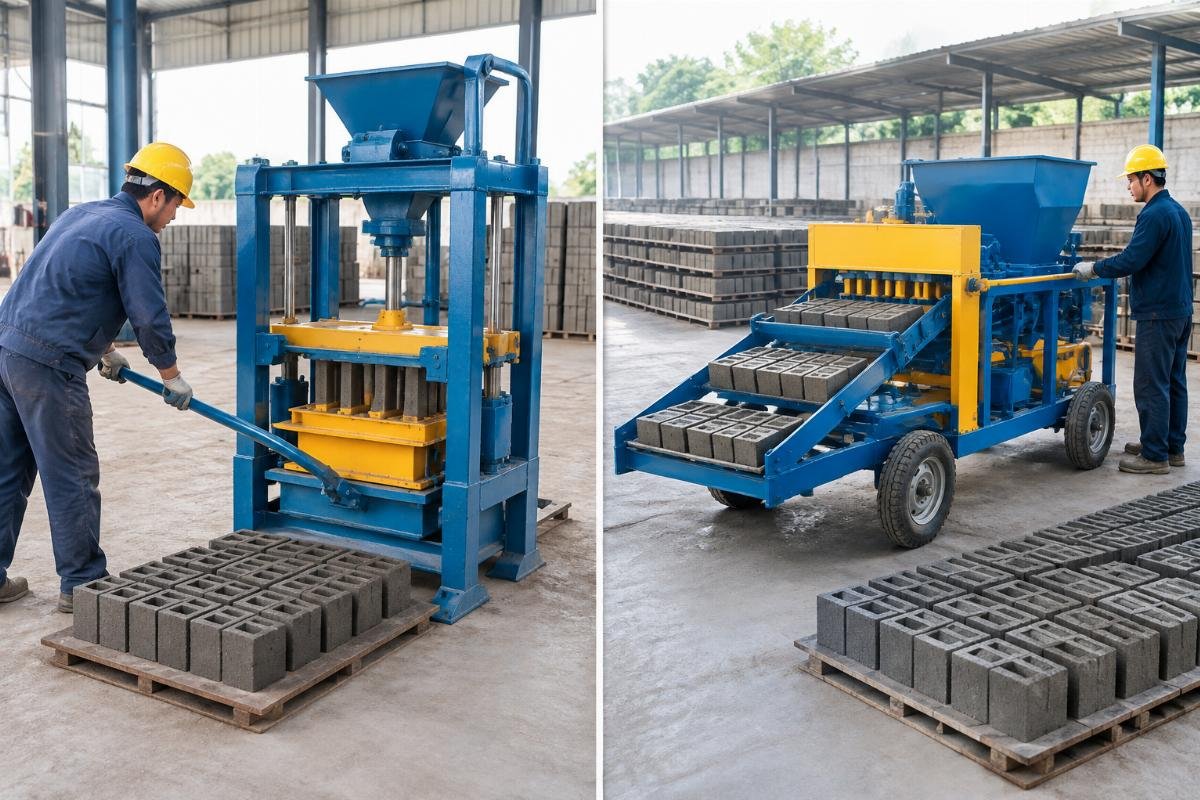
The market is flooded with various series, but for the Turkish context, two primary categories dominate the entry-level segment: the stationary manual hydraulic presses (like the QT4 series) and the mobile egg-layer machines (like the QMY series). Understanding the distinction is critical for ROI.
Stationary manual machines require a fixed foundation and a consistent supply of raw materials brought to the machine. They are ideal for producing high-density hollow blocks and solid bricks where aesthetic finish and dimensional accuracy are paramount. These machines typically operate on a 380V/50Hz power supply, which aligns with industrial standards in Turkey [NEED_CITE: Turkish industrial voltage and frequency standards]. The advantage here is consistency. The hydraulic pressure is applied uniformly, resulting in blocks that meet strict construction codes for load-bearing walls.
Mobile egg-layer machines, on the other hand, move over the curing floor. They are excellent for large-scale paving projects or producing curbstones where the volume is high, but the individual block complexity is lower. They require less civil work since they do not need a fixed mold station, but they demand a larger, perfectly leveled curing yard.
| Feature | Stationary Manual Press (e.g., QT4 Series) | Mobile Egg-Layer (e.g., QMY Series) |
|---|---|---|
| Primary Output | Hollow blocks, solid bricks, high-density pavers | Pavers, curbstones, simple hollow blocks |
| Foundation Requirement | Fixed concrete foundation required | Minimal; requires leveled ground only |
| Labor Intensity | Moderate; focused on feeding and ejection | High; requires moving the machine manually |
| Mold Changeover | Slower; requires tools and alignment | Faster; designed for quick swaps |
| Best For | Permanent block yards supplying housing projects | Roadside projects or temporary sites |
A client in Izmir recently started a decorative paver business. They initially leaned towards a stationary machine for its precision. However, their business model relied on rapid deployment to different municipal sites for park renovations. We shifted them to a mobile unit with a quick-change mold system. This allowed them to produce interlocking bricks on-site, reducing transport costs for finished goods. The trade-off was a slightly rougher surface finish, but for their specific application, the logistical flexibility outweighed the aesthetic perfection.
When evaluating a manual brick machine Turkey suppliers offer, ensure the model you select matches your site’s infrastructure. If you lack a stable 380V connection, some manufacturers can adapt motors, but this must be specified before production begins [NEED_CITE: Electrical compatibility requirements for industrial machinery imports].
Why Mold Configuration Matters More Than Machine Price
The bottleneck in your production line is rarely the press itself; it is the mold’s ability to release the brick cleanly and quickly.
Many buyers fixate on the tonnage of the hydraulic cylinder. While important, the mold design dictates the actual cycle time. In Turkey, the demand splits sharply between standard hollow blocks for residential construction and interlocking pavers for landscaping. These two types require fundamentally different mold geometries.
Hollow block molds need robust side panels and core rods that can withstand high pressure without bending. The ejection mechanism must be smooth to prevent cracking the thin walls of the hollow sections. If the mold clearance is too tight, the brick sticks; if it’s too loose, the dimensions vary, leading to rejection by quality inspectors.
Interlocking paver molds, conversely, require intricate shapes to create the locking mechanisms. These molds often need a color feeder system if you are producing multi-layered decorative bricks. The complexity here increases the risk of wear. A cheap mold might last for a few thousand cycles before the interlocking edges become rounded, ruining the product’s fit.
I recall a subcontractor in Ankara who needed road curbs for a government infrastructure project. He prioritized the machine’s frame durability but overlooked the mold’s wear resistance. Within weeks, the curb profiles were losing their sharp edges, causing delays in acceptance by the site engineers. We replaced the molds with a hardened steel variant, and the issue resolved. The lesson was clear: the machine presses the concrete, but the mold defines the product’s marketability.
When sourcing a manual brick machine Turkey distributors recommend, ask for detailed drawings of the mold cavity. Check the steel grade used for the mold plates. Standard carbon steel may suffice for low-volume production, but for commercial operations, manganese steel or treated alloys offer significantly longer service life [NEED_CITE: Material hardness standards for concrete mold manufacturing].
Furthermore, consider the changeover time. If you plan to produce both hollow blocks and pavers, how long does it take to swap the molds? Some designs allow for a change in under an hour, while others require half a day of downtime. This operational detail directly impacts your ability to respond to mixed orders from clients.
Navigating Logistics: From Linyi Factory to Turkish Ports
Understanding FOB terms and container optimization is as crucial as selecting the right machine specs.
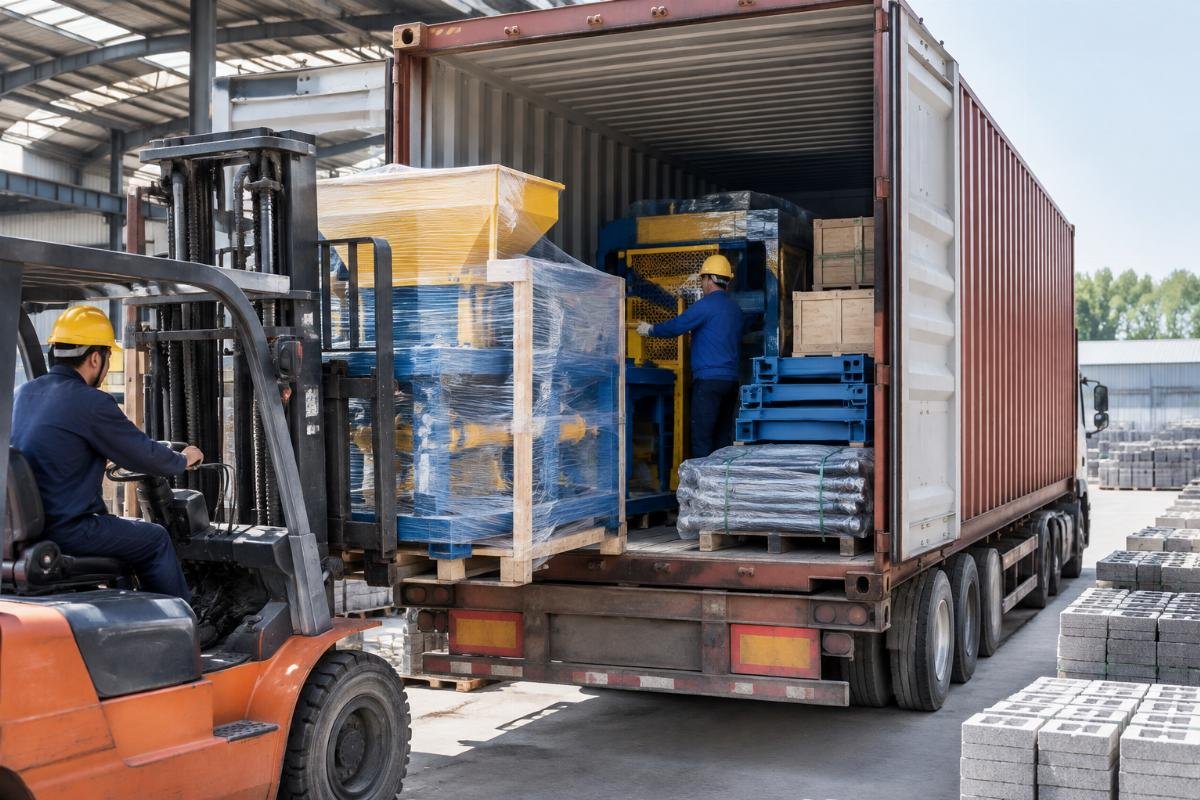
Shipping heavy machinery from China to Turkey involves more than just booking a vessel. The primary ports of entry, such as Mersin, Izmir, and Istanbul, have specific handling requirements. Most manual brick machines are shipped in standard 20ft or 40ft containers. However, the way the machine is packed can save you significant money in local handling fees.
A common mistake is shipping the machine fully assembled. This often leads to wasted space in the container, forcing you to pay for air freight for additional parts or requiring disassembly at the port, which incurs labor costs and risk of damage. Instead, reputable manufacturers optimize the packing by removing non-essential components like the hopper or control panel, securing them within the main frame, and using the remaining space for spare parts kits.
Spare parts are the lifeline of your operation. When importing a manual brick machine Turkey buyers should always include a comprehensive spare parts package. This should include hydraulic seals, solenoid valves, and wear plates for the molds. Customs clearance in Turkey can be stringent regarding industrial equipment. Having all necessary documentation, including CE certificates and detailed packing lists, ensures smooth clearance [NEED_CITE: Turkish customs regulations for imported industrial machinery].
I once assisted a client who faced a delay because the electrical diagrams provided did not match the actual wiring in the control box. The customs officers flagged it as a potential safety violation. We had to provide a certified translation and a letter of conformity from the manufacturer. This delay cost him weeks of storage fees. Now, we ensure that all electrical schematics are verified against the physical unit before shipment, and all documents are pre-checked for compliance with Turkish standards.
Container loading also affects the machine’s condition upon arrival. Proper bracing inside the container prevents movement during sea transit. Saltwater exposure can cause surface rust on unpainted metal parts. Ensuring that the manufacturer applies a protective wax or coating to exposed surfaces is a small detail that pays off when you unpack the machine.
Avoiding Common Pitfalls in Manual Block Production
Proper operator training and consistent mix ratios are the hidden variables that determine whether your machine generates profit or scrap.
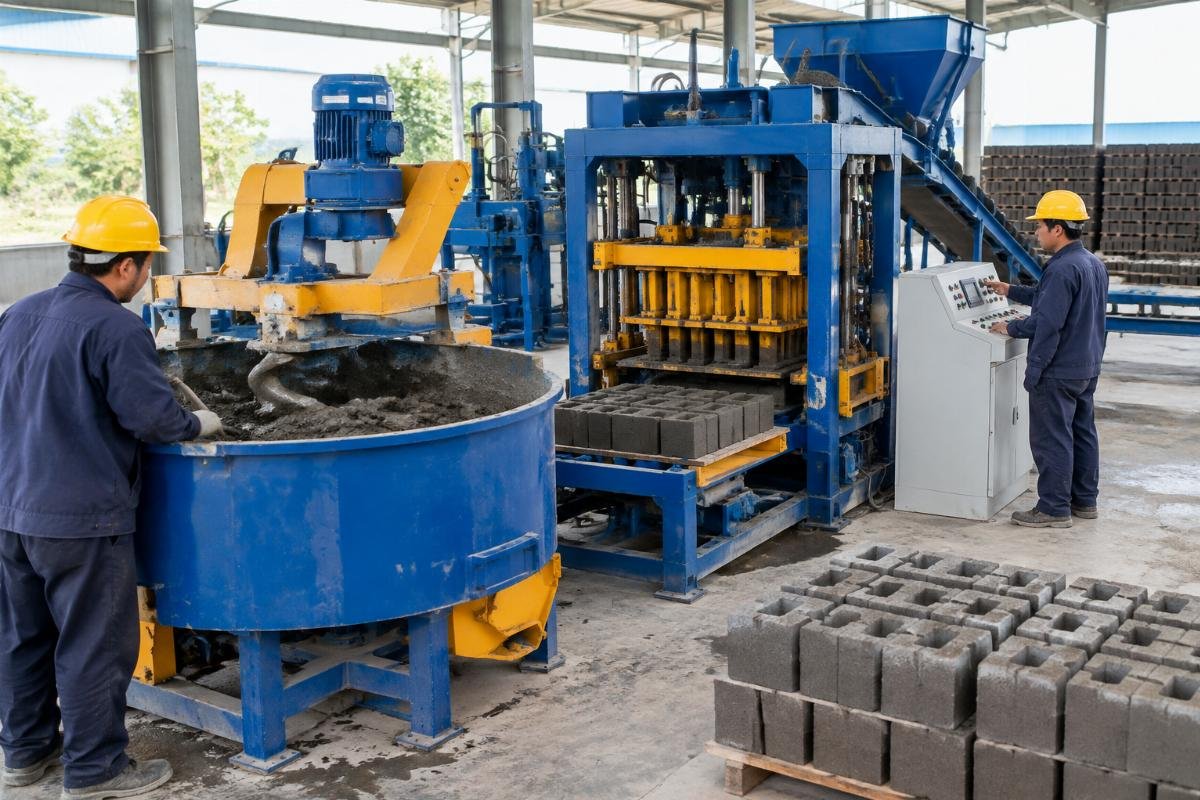
Even the best-engineered manual brick machine Turkey markets receive will fail if the input material is inconsistent. Concrete block production is a science of ratios. The amount of water, cement, and aggregate must be precise. Too much water leads to weak blocks that crumble during ejection; too little water results in poor compaction and rough surfaces.
Many new investors underestimate the importance of training. Operating a manual hydraulic press requires skill. The operator must know when to stop the feed, how long to hold the pressure, and the exact timing for ejection. Without proper training, operators may rush the cycle, leading to high breakage rates. We provide detailed operation manuals and video guides, but nothing replaces hands-on training. In some cases, we send technicians to the site for initial commissioning to train the local crew on best practices.
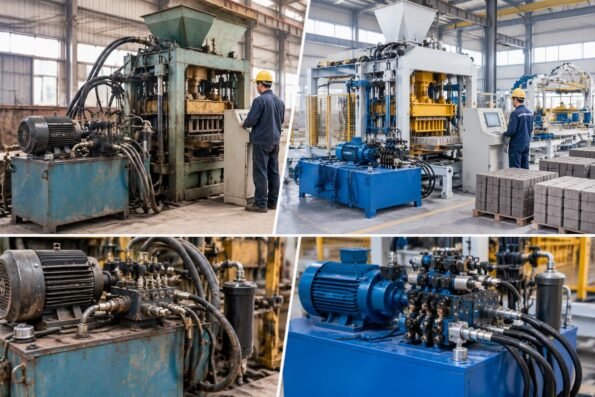
Another pitfall is neglecting maintenance. Hydraulic systems are sensitive to contamination. Dust and debris from the concrete mix can enter the hydraulic lines if seals are not checked regularly. Regular cleaning and lubrication of the mold guides and moving parts extend the machine’s life significantly.
A startup in Antalya struggled with inconsistent block strength for months. They blamed the machine. Upon inspection, we found that their sand source varied in moisture content, and they were not adjusting the water addition accordingly. We helped them implement a simple testing routine for mix consistency, and their rejection rate dropped noticeably. The machine was performing correctly; the process was flawed.
Ensure you have a reliable source of raw materials before you start. Test your sand and aggregate for impurities. Establish a standard operating procedure for mixing and stick to it. This discipline is what separates successful block plants from those that struggle to break even.
Conclusion
Selecting the right equipment is only the first step; mastering the process is where the value lies.
Investing in a manual brick machine Turkey requires a holistic view that integrates machine specifications, mold suitability, logistics planning, and operational discipline. By focusing on the synergy between these elements, you can build a sustainable and profitable block production business. Avoid the trap of chasing the lowest price and instead prioritize the total cost of ownership and operational efficiency. With the right preparation and partner support, your entry into the concrete products market can be both smooth and successful.

Industry expert sharing insights about concrete machinery, block making technology and turnkey production solutions.
View all posts →
Leave a Reply