

Sand Screening Machine Off-Season Storage Guide by Manufacturer Shiyue
Covering your machine with a plastic tarp is often worse than leaving it exposed to the elements.
Proper off-season storage for a sand screening machine requires active preservation of bearings, electrical insulation, and tension systems, not just physical covering. The core protocol involves disconnecting all power sources, heavily greasing bearings to displace moisture, releasing screen mesh tension to prevent metal fatigue, and elevating the unit to avoid ground water accumulation.
I still remember the silence on the phone line from Lagos. It wasn’t the usual background noise of a busy construction site; it was the heavy, humid silence of a project that had stalled. A client had purchased a vibrating screen for a road paving contract, but when the rainy season hit, the site manager decided to simply throw a blue tarp over the equipment and wait it out. Forty days later, when they tried to restart, the bearings were seized solid, and the motor junction box was filled with condensation-induced corrosion. The repair bill was significant, but the real cost was the two months of lost productivity while waiting for replacement parts. That incident shifted my perspective entirely. I realized that for many operators in tropical regions, the biggest threat to their ROI isn’t the machine’s performance during operation, but how it survives the downtime. Understanding how to store a vibrating screen in rainy season conditions is not just about cleanliness; it is about combating the aggressive chemistry of humidity and static stress.
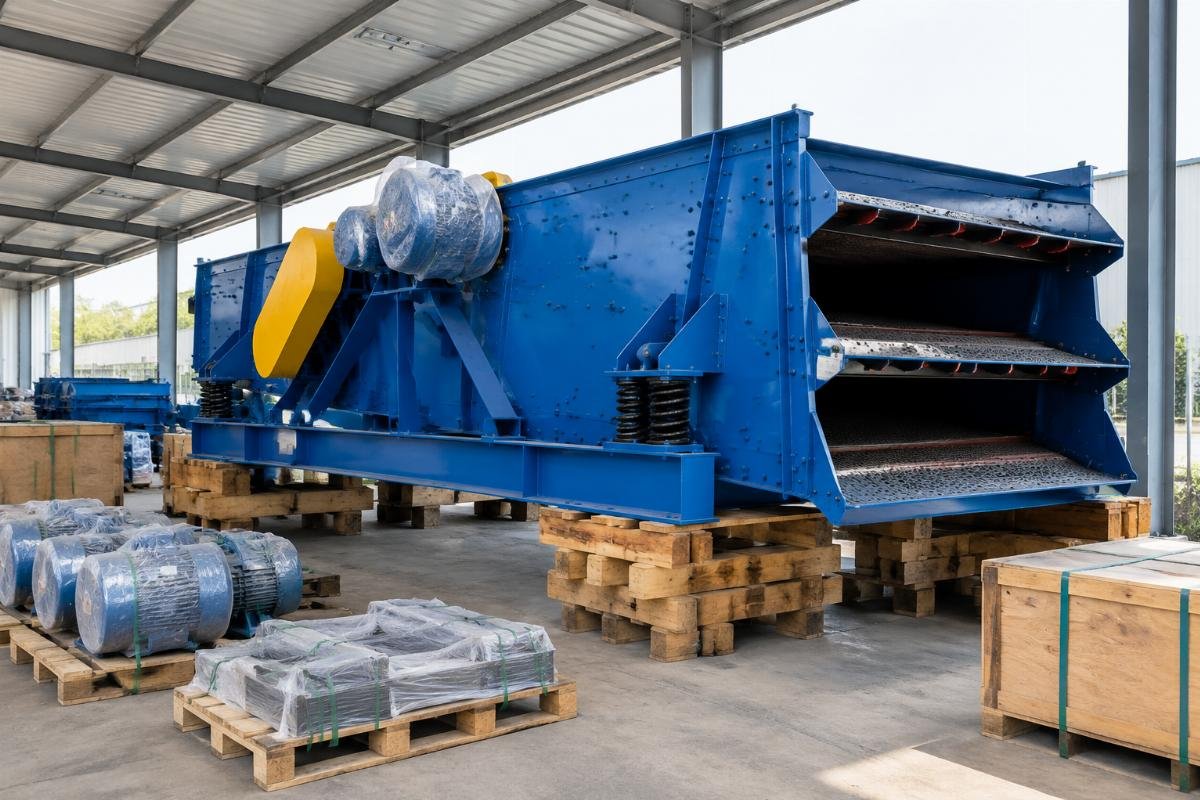
The transition from active production to idle storage is where most mechanical failures begin. When a machine sits still, the dynamic forces that normally help shed moisture and distribute lubricants disappear. Instead, static loads take over, and environmental factors like high humidity begin to attack unprotected surfaces. This guide breaks down the specific steps needed to protect your investment, drawing from field observations across West Africa and Southeast Asia. By following these protocols, you ensure that your sand screening machine off-season storage process preserves the equipment’s integrity, allowing for a quick and trouble-free restart when projects resume.
Why Static Stress and Humidity Destroy Idle Equipment
Most operators assume that if a machine isn’t running, it isn’t wearing out. This is a dangerous misconception. In reality, the absence of motion creates specific vulnerabilities that active operation does not. The primary enemies during storage are trapped moisture and static mechanical load.
When a sand screener sits idle, especially in coastal or tropical environments, the temperature fluctuations between day and night cause condensation. If the machine is covered with non-breathable plastic, this moisture gets trapped, creating a greenhouse effect that accelerates rust formation on unpainted surfaces and electrical contacts. [NEED_CITE: corrosion mechanisms in enclosed humid environments per ISO 9223] Furthermore, mechanical components like screen meshes and suspension springs are designed to handle dynamic loads. When left under constant tension for months without movement, the metal undergoes static fatigue. This leads to a permanent loss of elasticity, meaning the screen will not vibrate efficiently even after adjustments are made post-storage.
Consider the case of a quarry operator in a humid coastal region who left his screen mesh tightly tensioned during a three-month shutdown. Upon restart, the mesh had stretched permanently and developed micro-cracks along the frame edges, requiring a full replacement rather than a simple retensioning. This highlights why sand screening machine off-season storage must address both environmental protection and mechanical relief. The goal is to keep the metal dry and the components relaxed. Without these measures, the restart phase becomes a repair phase, negating any time saved by leaving the machine assembled.
Electrical System Protection Against Moisture Ingress
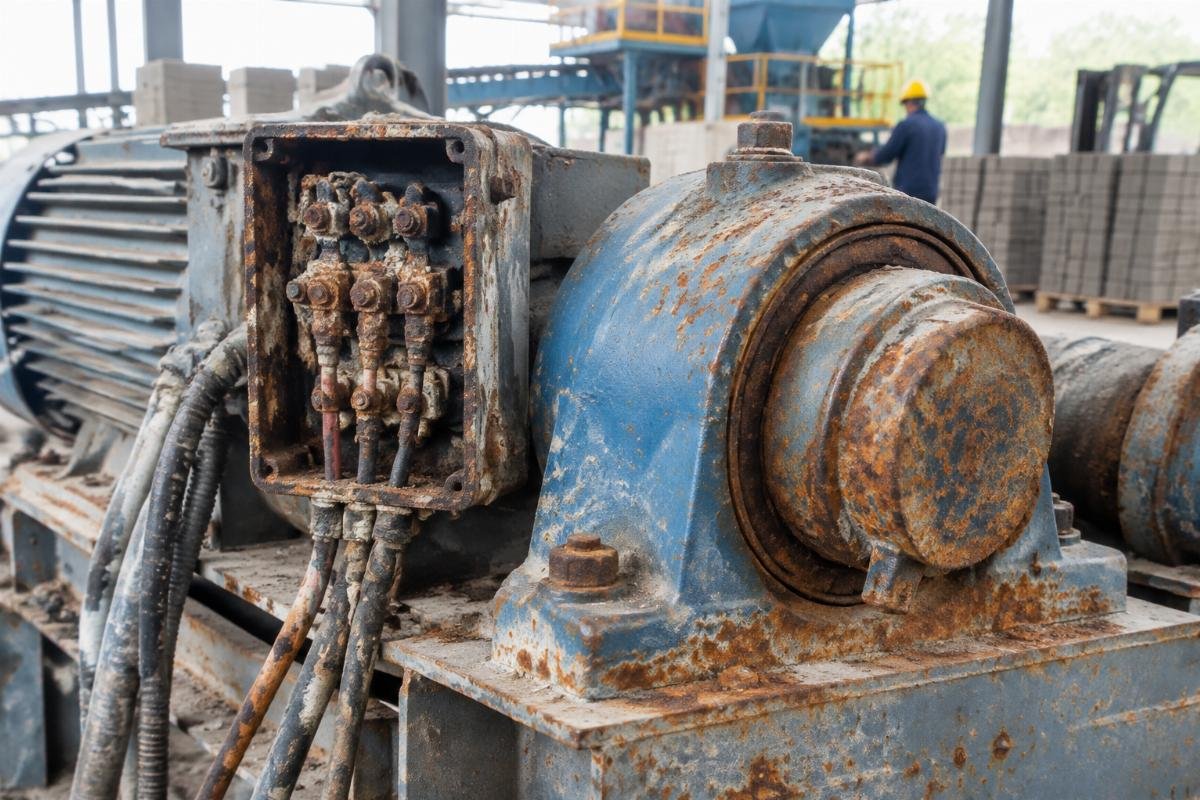
The electrical system is the most sensitive part of any vibrating screen. Water damage here doesn’t just cause a malfunction; it can lead to complete motor burnout or control panel failure. The key to protecting these components is isolation and desiccation.
First, always disconnect the main power supply. This is non-negotiable. Leaving the machine connected to the grid exposes it to voltage spikes during storms and keeps internal circuits live, which can generate heat and attract moisture. Next, focus on the motor junction boxes. These are common entry points for humidity. Remove the cover plates if possible, and place industrial-grade desiccant bags inside the box before resealing it. If removing the cover is not feasible, ensure the cable glands are tightly sealed and consider applying a dielectric grease to the terminal connections to repel water.
For the control panel, if it is not housed in a climate-controlled cabin, it should be removed and stored indoors. If removal is impossible, seal the panel door with waterproof tape around the edges and place large desiccant packs inside. Never rely on the standard gasket alone during long-term storage in high-humidity areas. A common mistake seen in rural sites is leaving the motor terminal box exposed to monsoon rains, resulting in short circuits that take weeks to diagnose and repair. Proper sealing takes minutes but saves significant downtime. When planning your sand screening machine off-season storage routine, treat every electrical connection as a potential leak point.

Mechanical Preservation Steps for Long-Term Idle Periods
Mechanical preservation is about more than just cleaning. It involves actively changing the state of the machine’s components to withstand inactivity. The three critical areas are bearings, screen mesh, and unpainted metal surfaces.
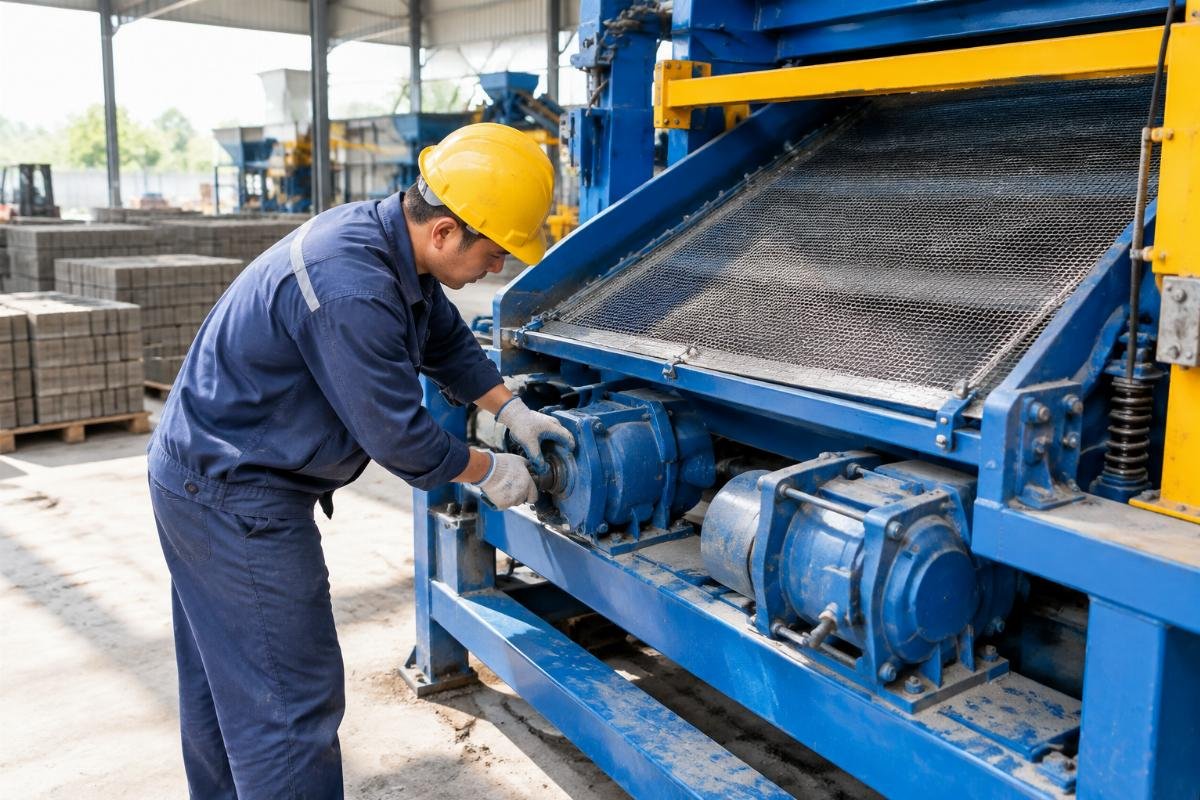
Bearings are the heart of the vibrating screen. During operation, the heat generated helps keep the grease fluid and distributes it evenly. When the machine stops, the grease cools and can settle, leaving metal surfaces exposed. To prevent this, purge the old grease and inject a fresh, heavy-duty lithium-based grease until it begins to exit the seals. This ensures that all internal rolling elements are coated with a fresh barrier against moisture. Do not skimp on this step. The cost of a tube of grease is negligible compared to the cost of replacing a seized bearing assembly.
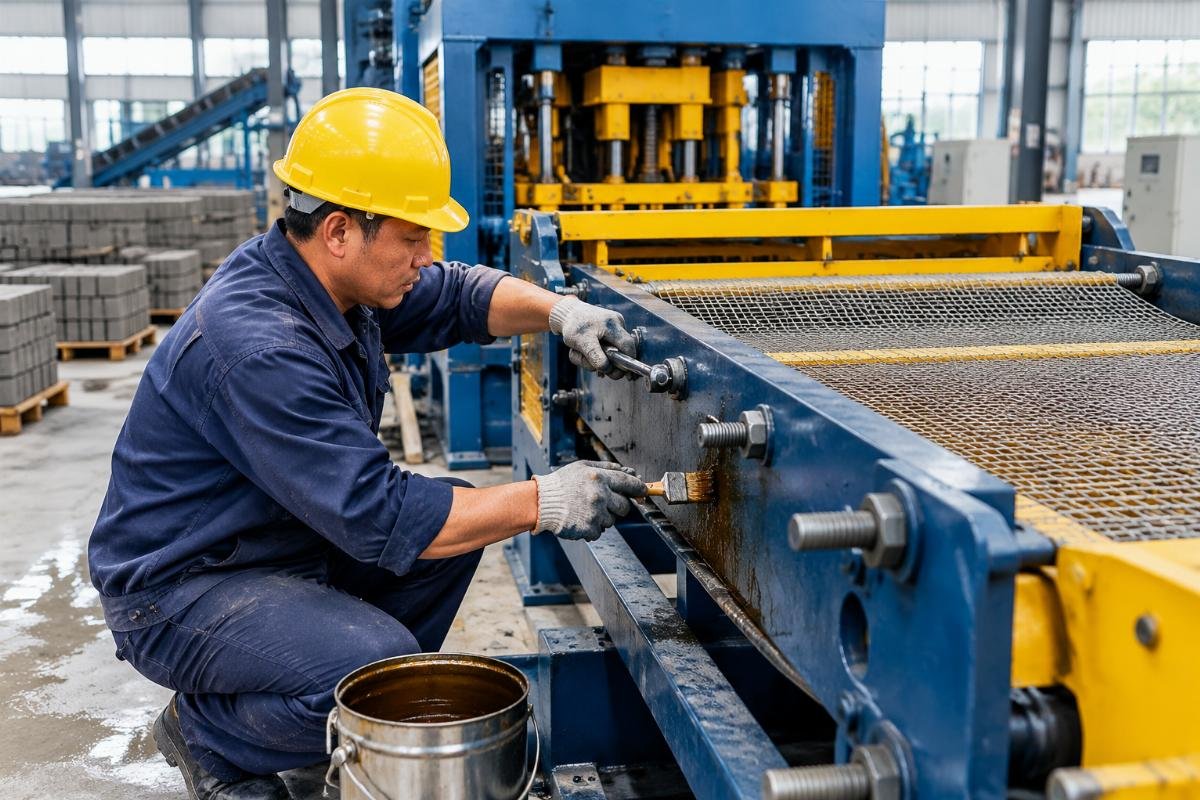
Screen mesh tension must be released. As mentioned earlier, static tension causes metal fatigue. Loosen the tensioning bolts or wedges until the mesh has slight slack. This relieves the stress on the wire strands and the frame, preserving the mesh’s structural integrity. Additionally, coat all unpainted metal surfaces, such as the side plates and discharge chutes, with a thin layer of anti-rust oil or wax. This creates a physical barrier against oxygen and moisture.
Shiyue’s sand screening machines come with detailed maintenance manuals that outline these specific preservation steps. Our technical support team often guides users through this process remotely, ensuring that even in harsh climates, the equipment remains ready for action. This level of support is crucial because proper mechanical care directly impacts the lifespan of the machine. Ignoring these steps during sand screening machine off-season storage can lead to premature wear and costly repairs upon restart.
Site Preparation and Physical Storage Conditions
Where you store the machine matters as much as how you prepare it. The ground beneath the equipment can be a source of significant moisture and pest infestation. Never leave a vibrating screen sitting directly on soil or concrete slabs that are prone to pooling water.
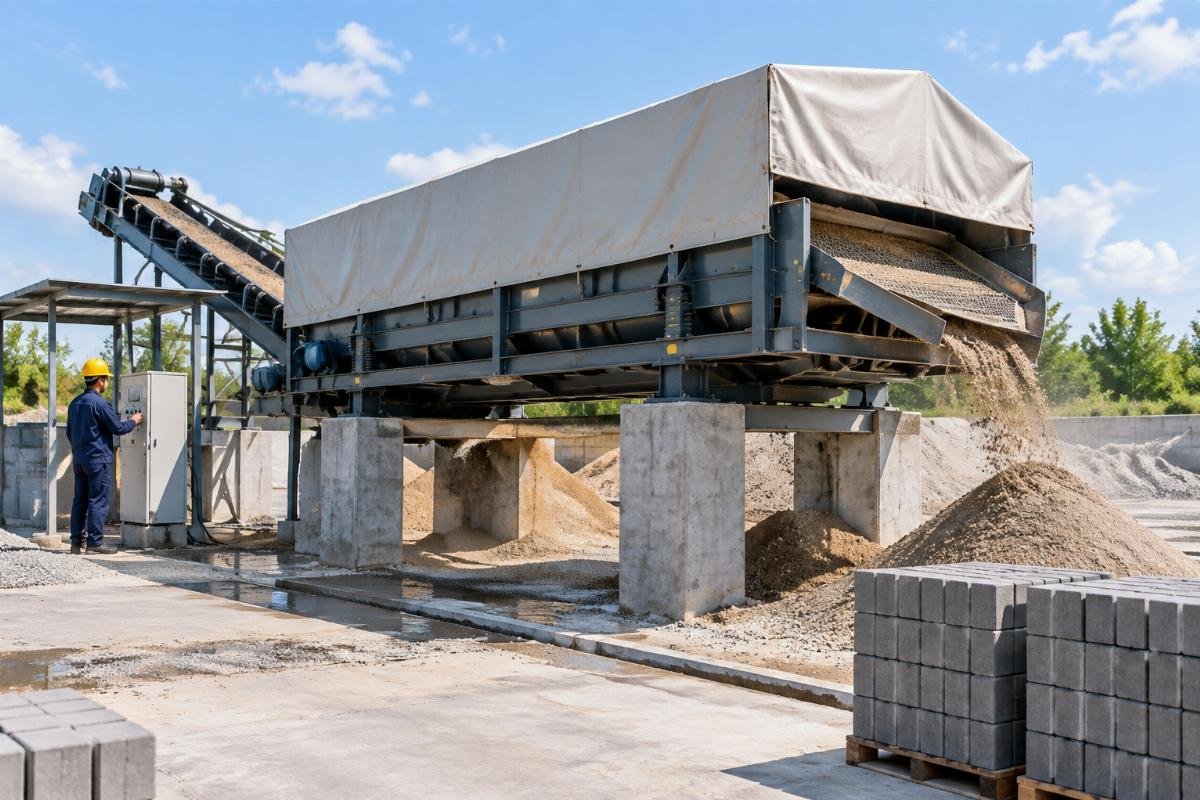
Elevate the machine using wooden pallets or concrete blocks. This lifts the frame off the ground, allowing air to circulate underneath and preventing water from wicking up into the steel structure. It also protects against ground-dwelling pests that might nest in the motor housing or chew through wiring insulation. If the storage area is outdoors, choose a location with good drainage and natural airflow. Avoid low-lying areas where water collects after rain.
If you must use a cover, avoid tight-fitting plastic tarps that trap humidity. Instead, use breathable canvas covers or construct a simple roof structure that allows air to flow around the machine while keeping direct rain off. Secure all loose parts, such as spare screens, tools, and fasteners, in a dry container. Loose items left on the machine can rattle during windstorms, causing cosmetic damage or becoming projectiles. A well-prepared site minimizes external risks, making your sand screening machine off-season storage strategy comprehensive. It turns a passive idle period into an active preservation phase.
Restart Checklist After Long-Term Storage
Storage is only half the battle. The restart process is equally critical. Rushing to power up the machine after months of idle time can cause immediate damage. A systematic inspection is required to ensure everything is in working order.
Begin with a visual inspection. Check for any signs of rust, pest damage, or loose bolts that may have vibrated free during the storage period. Remove the desiccant bags from the electrical boxes and inspect the terminals for any green corrosion. If any corrosion is present, clean it with a contact cleaner before reconnecting power. Manually rotate the vibrator shafts by hand to ensure they move freely. If there is resistance, do not force it. This could indicate seized bearings, which need to be addressed before starting the motor.
Check the screen mesh tension. Retension the mesh according to the manufacturer’s specifications, ensuring it is uniform across the width of the screen. Inspect the springs and rubber buffers for cracks or deformation. Replace any components that show signs of degradation. Finally, perform a no-load test run. Start the machine without material and let it run for a short period. Listen for unusual noises and check for excessive vibration. Monitor the motor temperature and current draw. If everything looks normal, gradually introduce material. This cautious approach ensures that any issues caught during sand screening machine off-season storage are resolved before full production resumes, protecting your operational timeline.
Conclusion
Effective storage is active preservation, not passive covering.
Neglecting the specific needs of bearings, electrical systems, and tension components during idle periods leads to preventable failures and costly downtime. By implementing rigorous moisture control, mechanical relief, and site preparation strategies, you ensure that your equipment remains reliable and ready for immediate deployment. Proper sand screening machine off-season storage is an investment in the longevity and efficiency of your production line, safeguarding your capital against the silent threats of humidity and static stress.

Industry expert sharing insights about concrete machinery, block making technology and turnkey production solutions.
View all posts →
Leave a Reply