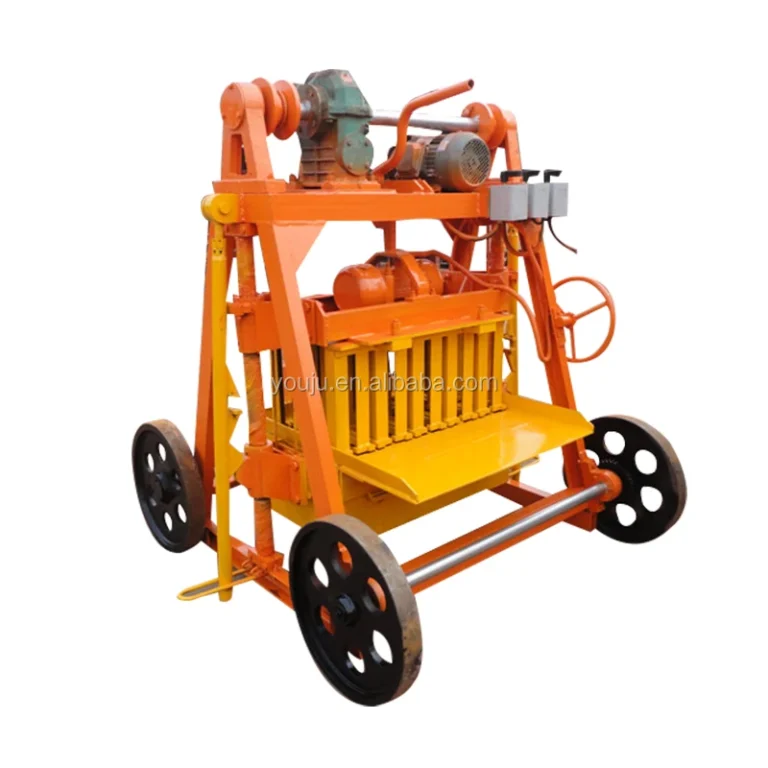
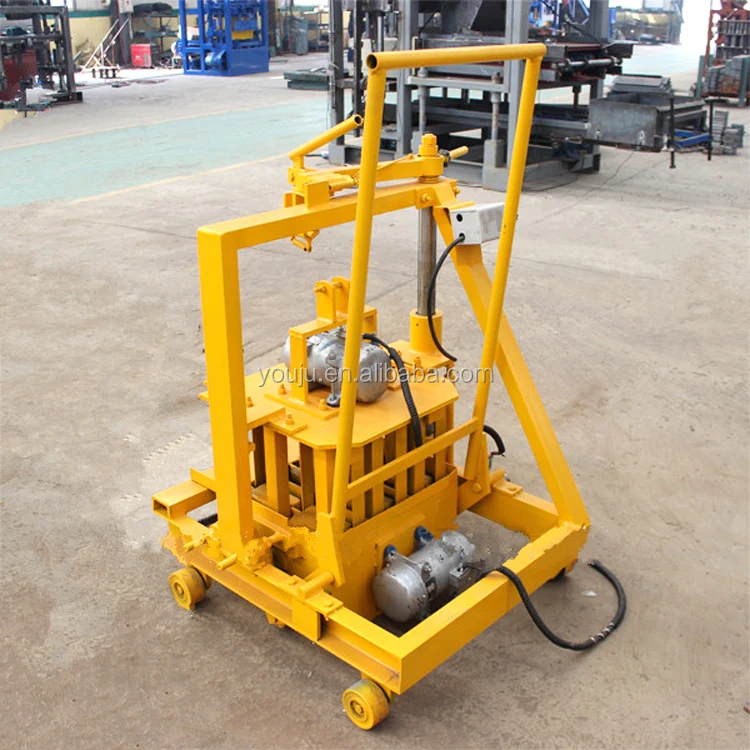
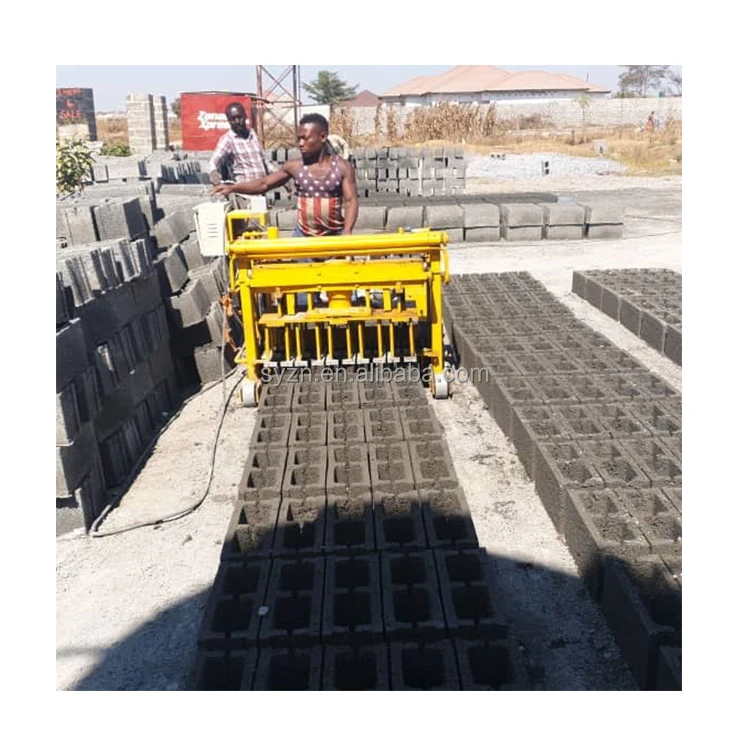
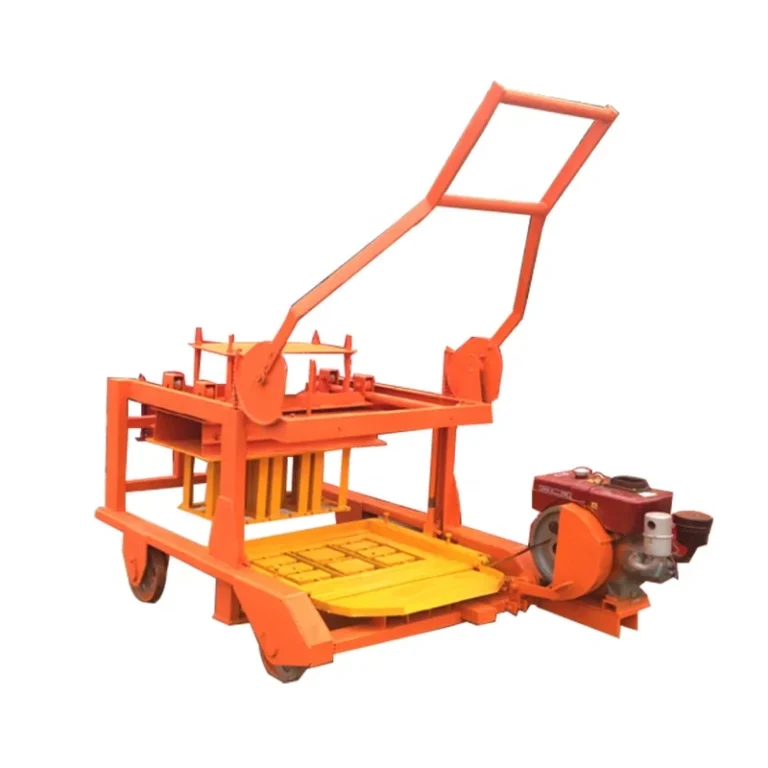
Single-Machine Focus — every QMY12-15 mobile block machine we ship leaves the factory with its mould, hydraulic circuit and PLC matched to one buyer’s block format and local aggregate, not a catalogue default.
Technical Specifications
| Parameter |
Value |
| Model |
QMY12-15 |
| Product Type |
Mobile Hydraulic Hollow Block Making Machine |
| Machine Type |
Mobile / egg-laying block machine |
| Block Formats Supported |
9 / 8 / 6 / 4 inch hollow and solid blocks |
| Forming Method |
Hydraulic pressure with vibration |
| Control System |
PLC (brand and language options to be confirmed) |
| Automation Level |
Automatic |
| Pallet Size |
Not applicable (blocks laid directly on ground) |
| Mould Format Options |
9 / 8 / 6 / 4 inch (additional formats to be confirmed) |
| Output Capacity |
Per format calculation required (basis to be confirmed) |
| Rated Power |
To be confirmed against buyer site supply |
| Voltage & Frequency |
Configurable to buyer site (to be confirmed) |
| Overall Dimensions (L×W×H) |
To be confirmed |
| Net Weight |
To be confirmed |
| Assembly State |
Typically shipped as single mobile unit |
Application Suitability
| Application |
Material or Output |
| On-site hollow block production for housing projects |
Crushed stone, sand, cement and water mix laid directly on prepared ground |
| Remote infrastructure site block making |
9 / 8 / 6 / 4 inch hollow and solid formats from one machine platform |
| First plant setup with minimal civil work |
Concrete blocks produced without fixed curing racks or pallet fleet |
| Multi-site contractor operations |
Machine moved between job sites as project phases advance |
Why "Cycles per Hour" Means Nothing Without the Block Format
The QMY12-15 mobile block machine for sale is rated by cycle, but a 9-inch hollow block cycle and a 4-inch solid block cycle produce vastly different daily outputs.
I have watched contractors in West Africa take delivery of a mobile hollow block making machine and stare at a machine plate that promised a production rate, only to find that rate assumed a 4-inch solid block while their market demanded 9-inch hollows. The real output fell well below the plan, and the project timeline slipped before the first week ended [NEED_CITE: buyer output shortfall claims in mobile block machine sector]. The QMY12-15 supports four block thicknesses from one base platform, which is a genuine advantage, but only if the capacity calculation you hold in your hand states the format, the mix design and the curing assumption behind every number.

Where the QMY12-15 Sits in the Full Machine Range
The Shiyue range spans mobile, semi-automatic and fully automatic tiers, and the QMY12-15 occupies the entry point where no fixed plant, no pallet fleet and no curing rack infrastructure is required. A buyer choosing this mobile block machine for sale is typically a contractor producing on their own project site or an entrepreneur starting with limited capital. The machine lays blocks directly on the ground and moves forward under its own power, so the production area is simply a leveled and compacted stretch of earth.
Moving Up the Range When Volume Demands It
What separates this mobile tier from the semi-automatic and automatic stations above it is not just output volume but the handling ecosystem around the press. Semi-automatic lines introduce pallets, a feeder, a stacker and a curing rack circuit; automatic lines add cubing and remote diagnostics. The QMY12-15 mobile hollow block making machine manufacturer configuration lets a buyer start here and step up later, because the mould interface and hydraulic logic follow the same Shiyue conventions across all tiers [NEED_CITE: block machine tier upgrade paths within a single manufacturer range].
Hydraulic Pressure, Vibration and the Mix That Meets Them
The forming method on the QMY12-15 pairs hydraulic pressure with mechanical vibration, and the balance between the two determines block density and wall integrity. Hydraulic pressure compacts the mix into the mould cavity while vibration settles fine particles into voids; if the local sand carries a high clay content, the vibration force that works for clean river sand will leave hollow cores with weak walls. Mould change across the four supported thicknesses is handled on site, and the time that change takes directly governs how many format switches a crew can justify in a single shift. Because the machine lays blocks without pallets, the ground preparation and curing method become part of the effective cycle, not just the press stroke itself.
What Happens When Voltage and Language Are an Afterthought
I have stood on sites where a mobile egg-laying machine sat idle for days because the PLC display showed fault codes in a language the local electrician could not read, and the control transformer had been wound for a frequency the grid did not supply. The QMY12-15 ships with a configurable voltage and frequency specification, and the PLC display language is selectable, but only if those choices are locked down before the machine enters production [NEED_CITE: PLC language and voltage mismatch incidents on exported block machines]. A machine that cannot talk to its operator is a machine that cannot run, and the cost of a return visit for re-commissioning always exceeds the cost of a confirmed specification sheet.
Why Buyers Source This Machine Here
Shiyue treats block machinery as a single focus, meaning the QMY12-15 press, its moulds and any supporting equipment are specified as one matched system rather than assembled from separate suppliers. The configuration is set against the buyer’s actual mix design and local aggregate, not a catalogue default that assumes material the buyer cannot source. Mould design covers the four standard thicknesses and can extend to custom formats drawn by the buyer. Automation level is selectable within the tier, and installation support includes operator training on the specific site where the machine will work. Documentation arrives with the machine, not weeks after it.
Documentation & Verification
- Line layout and capacity calculation stating the block format assumed for each output figure
- Machine specification sheet with hydraulic pressure, vibration force, power and voltage matched to site
- Mould drawing and format list confirming 9 / 8 / 6 / 4 inch cavities
- Voltage, frequency and PLC display language confirmation recorded before production
- Factory test record and packing photographs provided before dispatch
Installation, Commissioning & Support
- Ground preparation guidance specifying compaction and leveling for direct-on-ground block laying
- Voltage and frequency verification against the QMY12-15 motor plate before first energization
- On-site mould fit check across all four block thickness formats before production handover
- PLC display language set to operator preference during commissioning
- Operator training covering mould change procedure and daily hydraulic inspection
- Wear parts list with part numbers for first reorder cycle
What to Send With Your Inquiry
To size the QMY12-15 correctly, share the block formats your market actually buys, the daily output you need for each format, and a sample or lab report of your local sand and aggregate. Confirm the voltage and frequency available at your site, the language your operators read, and whether you plan to stay on this mobile tier or step up to a pallet-based line within a known timeframe.
Frequently Asked Questions
Q: How is daily output of the QMY12-15 calculated per block format?
A: Output is calculated per block format, not as a single headline number. Each figure states the block thickness, the mix design assumption and the curing method, because a 9-inch hollow block cycle and a 4-inch solid block cycle produce different volumes from the same machine in the same shift.
Q: Which voltage and frequency options are available, and is the PLC matched to my operators?
A: The QMY12-15 voltage and frequency are configured to match your site supply before production begins. The PLC display language is selected at the same stage, so fault codes and menus appear in the language your maintenance team reads.
Q: How does the mobile tier compare with semi-automatic and automatic lines?
A: The mobile tier requires no pallets, no curing racks and no fixed plant building. Semi-automatic and automatic tiers add pallet handling, stacking and cubing for higher volume. The QMY12-15 sits at the entry point, and the mould interface is consistent with higher Shiyue tiers for a future step-up.
Q: What moulds ship with the machine, and can I add formats later?
A: The QMY12-15 ships with moulds for 9, 8, 6 and 4 inch hollow and solid blocks. Additional formats can be designed to buyer drawings and fitted to the same machine platform, using the same hydraulic and vibration interface.
Q: What does on-site commissioning cover for a machine with no pallets?
A: Commissioning covers ground preparation verification, first-run block production in each mould format, mould change timing measurement, PLC language confirmation and operator training on daily hydraulic and vibration system checks specific to the egg-laying configuration.

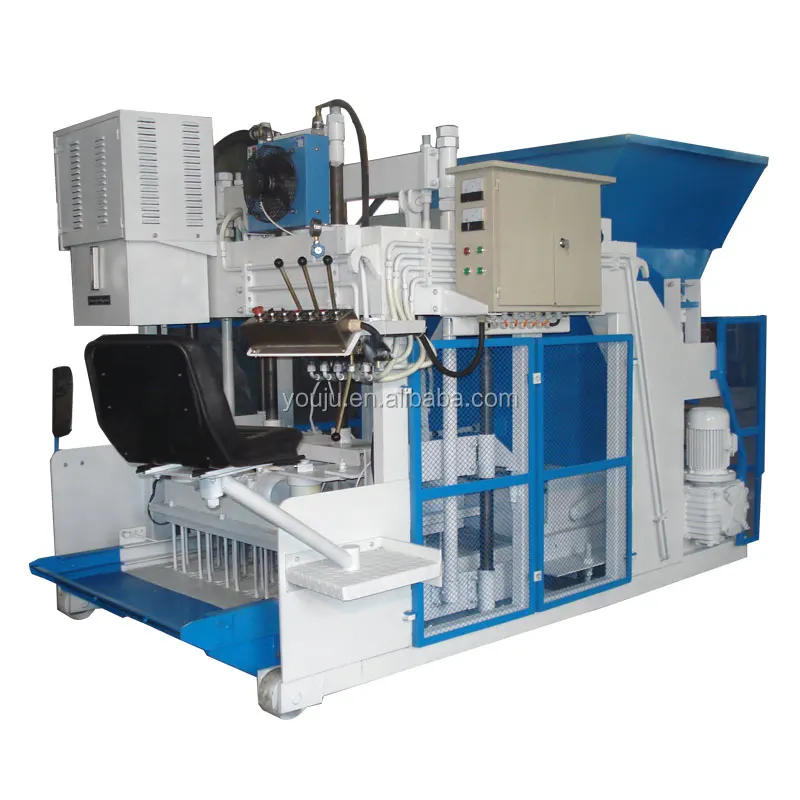
 Mobile block machine