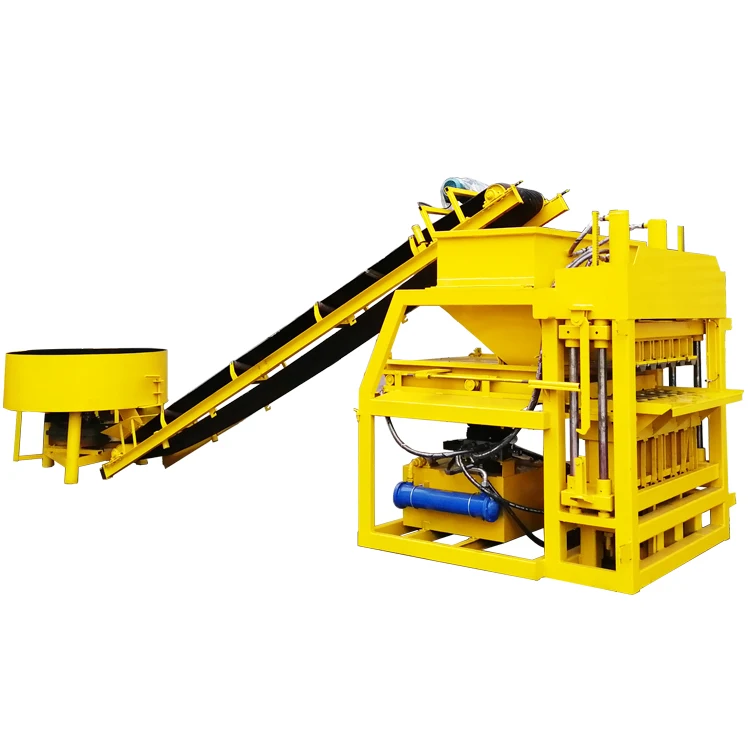
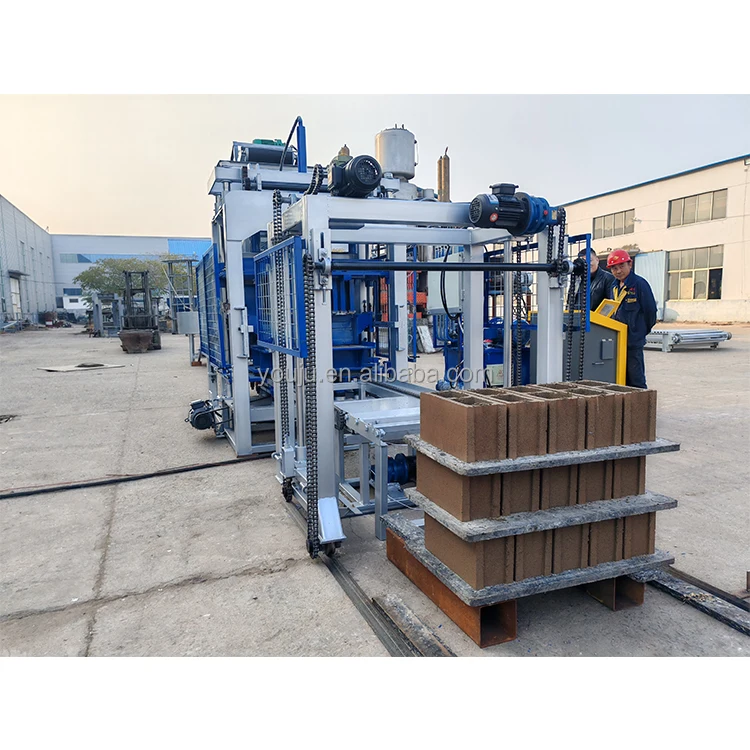
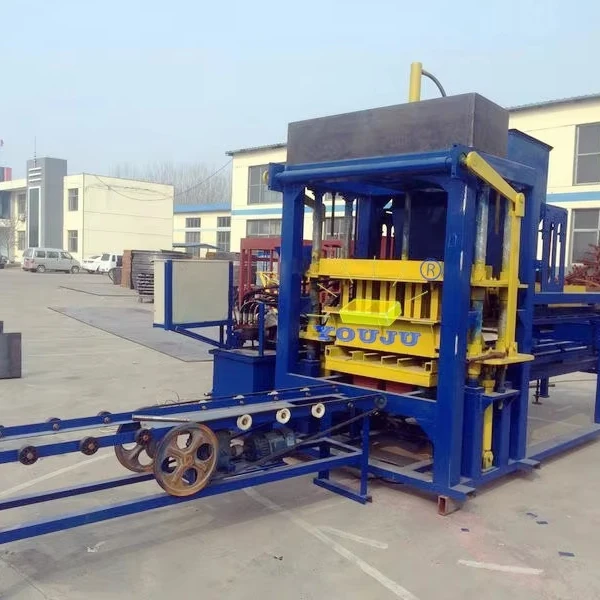
Single Focus Machinery — Block machines, moulds, pallets and handling are specified as one matched system rather than assembled from separate suppliers, with the QT4-15 configured against your actual mix design and target block format.
Technical Specifications
| Parameter |
Value |
| Model |
QT4-15 |
| Product Type |
Hydraulic Block Making Machine |
| Molding Cycle |
15-30s |
| Pallet Size |
900x500mm |
| Vibration Type |
Platform vibration |
| Vibration Frequency |
50-70Hz |
| Product Height Range |
50-220mm |
| Overall Power |
24.5kW |
| Demolding Method |
Hydraulic |
| Control System |
PLC controlled |
| Output Capacity |
900-1200 pcs/h (based on 400x200x200mm hollow block, 4 pcs/mould, 15-20s cycle) |
| Output Capacity |
1080-1440 pcs/h (based on 400x150x200mm hollow block, 5 pcs/mould, 15-20s cycle) |
| Output Capacity |
1440-1920 pcs/h (based on 400x100x200mm hollow block, 8 pcs/mould, 15-20s cycle) |
| Output Capacity |
2880-3840 pcs/h (based on 200x100x60mm paver, 16 pcs/mould, 15-20s cycle) |
| Output Capacity |
5930-6720 pcs/h (based on 240x115x53mm solid brick, 28 pcs/mould, 15-20s cycle) |
| Block Compressive Strength |
>15 MPa |
| Mould Format Options |
Hollow block, paver brick, solid brick |
| Automation Level |
Automatic (PLC + hydraulic + vibration synchronized) |
| Raw Materials |
Fly ash, slag, gangue, sand, crushed stone, cement, water |
Application Suitability
| Application |
Material or Output |
| Mid-to-small scale block production plants |
Fly ash, slag, gangue, sand, crushed stone, cement, water |
| Hollow block, solid brick, and paver brick manufacturing |
Multi-format capability with specific cycle times |
| On-site or fixed plant block production |
Local aggregate and cement mix designs |
| Construction contractors producing blocks for housing and development projects |
Standard and custom block formats |
What "Automatic Output" Really Means on a QT4-15 Hydraulic Block Making Machine Manufacturer Range
Cycle times and daily volumes only hold up when the stated block format matches what you actually plan to sell.
When a supplier quotes a single output figure, it is often based on their smallest, fastest block, which leaves a buyer producing 150mm hollow blocks expecting a volume the machine cannot physically deliver on that format. I have seen commissioning delayed because the pallet size was not checked against the buyer’s existing curing racks, and voltage mismatches that grounded a machine for weeks [NEED_CITE: voltage and frequency standards by export market].

Where This Machine Sits in the Stationary Range
The QT4-15 hydraulic block making machine manufacturer lineup places this unit in the mid-tier for stationary production, above entry-level manual pallet machines and below high-capacity fully automatic cubing lines. It targets the mid-to-small scale block plant that needs PLC-controlled synchronization but does not yet require the footprint of a continuous curing rack system.
Balancing Vibration and Pressure for Block Density
Achieving a compressive strength exceeding 15 MPa relies on matching the 50-70Hz platform vibration with sufficient hydraulic pressure during the demolding cycle. If the mix design uses a high percentage of local crushed stone, the vibration force must penetrate the aggregate bed evenly across the 900x500mm pallet to prevent weak zones in the finished block [NEED_CITE: block compressive strength testing standards].
Why Pallet Size and Power Draw Dictate Plant Layout
The 24.5kW overall power requirement means the electrical feed must be dedicated and stable, while the 900x500mm pallet size determines the width of the raw material feeding hopper and the spacing of the curing racks. If a plant is configured for a smaller pallet from a previous supplier, the entire downstream handling system, including forklift access and stacking height, must be re-evaluated before the QT4-15 hydraulic block making machine manufacturer unit arrives.
The Cost of Ignoring Electrical Confirmation
A machine wired for 380V/50Hz will simply refuse to start on a 440V/60Hz grid, and the resulting motor burnout or commissioning standstill costs more in lost production than the initial confirmation process. Every QT4-15 hydraulic block making machine manufacturer order requires a hard check on voltage, frequency, and the language of the PLC display to ensure the operator can read the fault codes [NEED_CITE: industrial motor voltage compatibility].
Why Buyers Choose the Shiyue Configuration
Shiyue focuses solely on block machinery, meaning the QT4-15 is not an assembled mix of generic components but a system where the mould, pallet, and hydraulic cycle are engineered together. Configuration is set against the buyer’s actual local aggregate and target block format, not a catalogue default, and the mould design supports the specific formats the local market sells. Automation is selectable, allowing a buyer to start with this mid-tier automatic model and upgrade the handling later.
Documentation & Verification
- Line layout and capacity calculation stating the block format assumed for the quoted output figure.
- Machine specification sheet with 900x500mm pallet size, 24.5kW power rating, and platform vibration type confirmed.
- Voltage, frequency, and PLC display language confirmation documented before production begins.
- Mould drawing and format list showing every block type the machine can produce with corresponding cycle times.
- Factory test record on your specific raw material mix design before dispatch.
Installation, Commissioning & Support
- Site preparation requires a level concrete foundation capable of supporting the vibration force of the 24.5kW system.
- Electrical panel must be wired to the confirmed voltage and frequency, with a dedicated circuit for the PLC control.
- Machine arrives dismantled for container loading, with on-site assembly and alignment of the 900x500mm pallet track.
- Commissioning includes setting the hydraulic pressure and vibration frequency (50-70Hz) to match your block density target.
- Operator training covers PLC fault reading, mould change procedures, and daily maintenance of the hydraulic system.
- Wear parts list and mould maintenance schedule provided for long-term production consistency.
Moving Forward with a Configuration Inquiry
To receive a proposal that reflects your actual plant conditions, provide the specific block formats you intend to sell, the daily volume target for each, and the local raw materials available for the mix design. We also need the site voltage and frequency, the preferred language for the PLC interface, and the dimensions of your existing curing area to ensure the 900x500mm pallets integrate smoothly.
Frequently Asked Questions
Q: How is the quoted capacity calculated for the QT4-15?
A: Capacity is calculated based on a specific block format, the number of cavities in the mould, and a 15-20 second cycle time. For example, producing 400x200x200mm hollow blocks at 4 per mould yields 900-1200 pieces per hour, while smaller formats like solid bricks yield higher volumes per hour based on the same cycle parameters.
Q: Where does the QT4-15 sit in the Shiyue machine range?
A: The QT4-15 is a mid-tier stationary automatic machine, positioned above semi-automatic models that require manual pallet handling but below high-capacity lines with fully automatic stacking and cubing. It is designed for plants that need PLC-controlled consistency without the footprint of a massive continuous production facility.
Q: What voltage and PLC options are available for export markets?
A: Voltage and frequency are configurable to match local industrial grids, and the PLC display language can be set to the operator’s preference. These details must be confirmed before production to prevent the motor failures and commissioning delays that occur when standard configurations are shipped to incompatible markets.
Q: Can the automation level be upgraded later?
A: Yes, the system is designed to allow buyers to start with the QT4-15’s automatic press cycle and later add automatic pallet feeding, stacking, or cubing stations. This upgrade path is planned during the initial line layout to ensure the press cycle times will match the future handling equipment.
Q: How does the machine handle different raw materials?
A: The platform vibration and hydraulic pressure are adjusted based on the buyer’s specific mix design, whether it uses fly ash, slag, sand, or crushed stone. Matching these forces to the local aggregate ensures the blocks reach the required compressive strength without cracking during demolding.

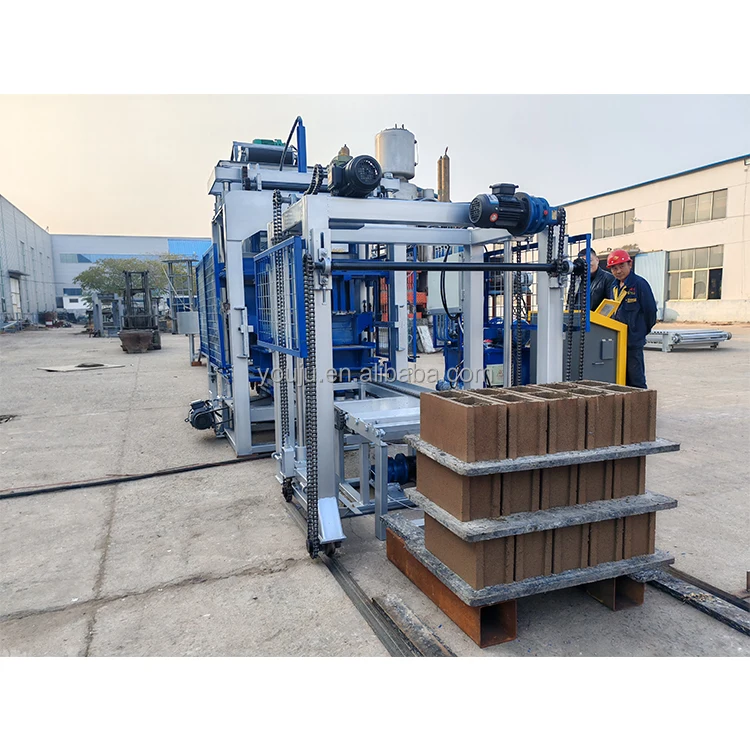
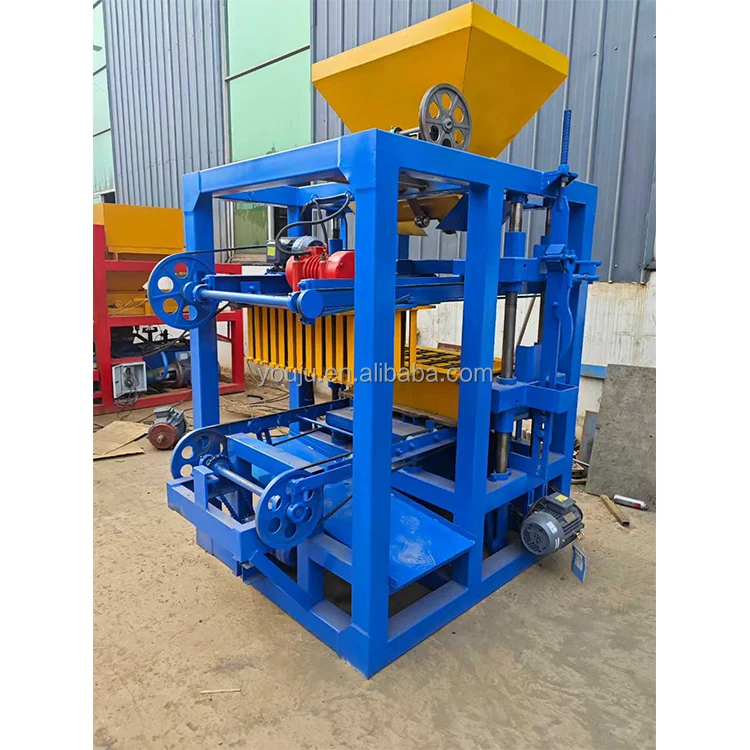 Stationary block machine