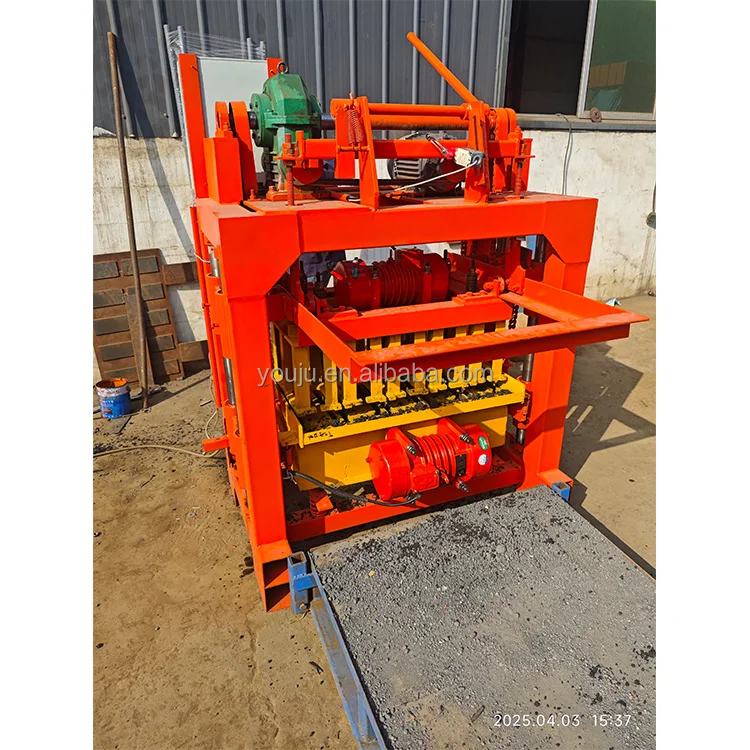
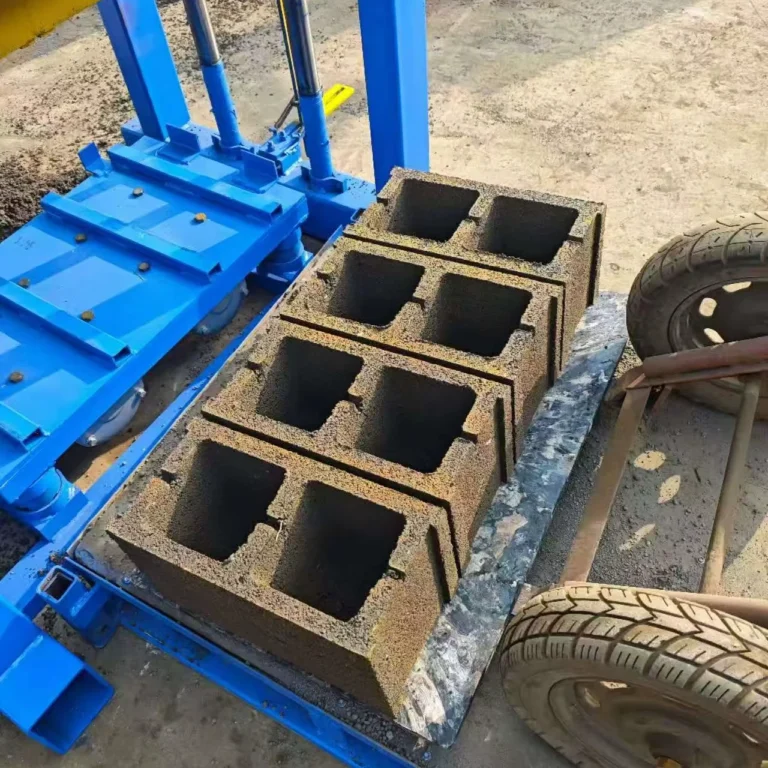
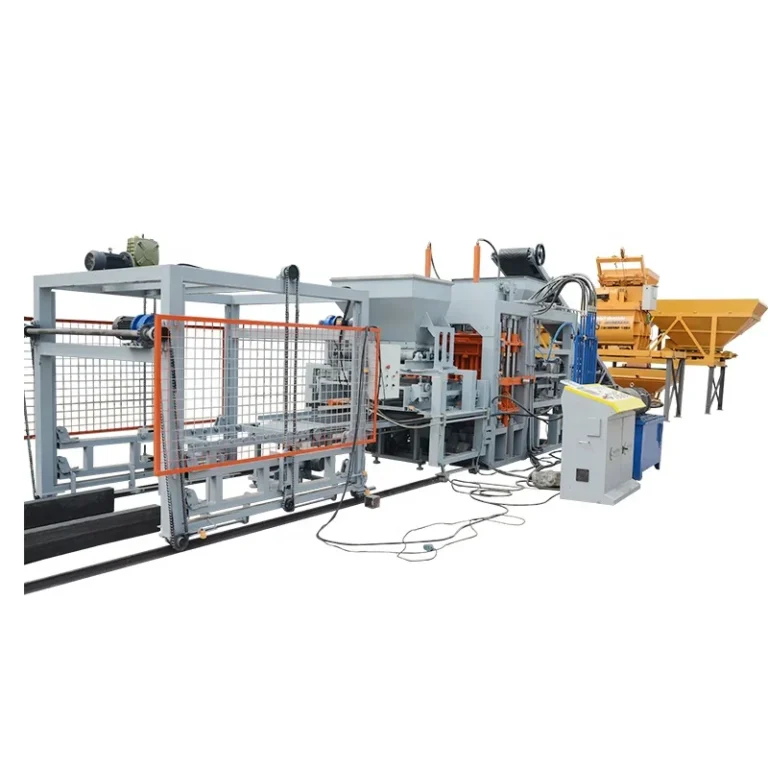
Tiered Range Clarity — the LY7-10 sits within a defined output tier for compressed earth interlocking block production, so buyers can compare plant footprint and automation level before committing to a configuration.
Technical Specifications
| Parameter |
Value |
| Model |
LY7-10 |
| Product Type |
Automatic Clay Soil Compressed Earth Interlocking Block Making Machine |
| Brand |
YOUJU |
| Automation Level |
Automatic |
| Assembly State |
Stationary |
| Raw Material Compatibility |
Clay soil |
| Block Format |
Compressed earth interlocking block |
| Mould Format |
Interlocking block |
| Hydraulic Pressure |
Not stated in source |
| Vibration Force |
Not stated in source |
| Pallet Size |
Not stated in source |
| Cycle Time per Format |
Not stated in source |
| Output Capacity |
Basis to be confirmed — depends on block format, material, and thickness |
| Stacking Method |
Not stated in source |
| Control System |
Not stated in source |
| Rated Power |
Not stated in source |
| Voltage & Frequency |
Not stated in source |
| Overall Dimensions (L×W×H) |
Not stated in source |
| Net Weight |
Not stated in source |
Application Suitability
| Application |
Material or Output |
| Interlocking earth block production |
Clay soil with site-specific moisture and aggregate content |
| Housing and construction projects |
Compressed earth blocks manufactured on-site or at a dedicated plant |
| Building material distributors |
Earth block formats added to an existing product range |
| First-time plant entrepreneurs |
Stationary compressed earth interlocking block line setup |
What "Daily Output" Really Means for Earth Block Buyers
Capacity numbers only hold weight when tied to a specific block format and mix design.
Many quotations for compressed earth block machines state a single cycle count per hour without naming the block profile, wall thickness, or clay composition that figure assumes. I have watched a buyer receive a machine rated for a particular hourly cycle, only to find that switching from a thin interlocking profile to a thicker structural block cut real daily volume roughly in half. The automatic compressed earth interlocking block machine manufacturer you choose should document the assumed format alongside every capacity claim, because soil density, moisture content, and interlocking geometry all shift the actual press cycle [NEED_CITE: capacity calculation standards for compressed earth block equipment].
Mapping the LY7-10 Across Output Tiers
The LY7-10 occupies a mid-range stationary position in the block machine lineup. Buyers evaluating their first automatic compressed earth interlocking block machine manufacturer often start by comparing this tier against smaller semi-automatic units and larger high-capacity lines. Each tier carries a different plant footprint, power draw, and labour requirement, and understanding where the LY7-10 fits prevents over-investment in a line the site cannot support or under-investment in one that bottlenecks a growing housing contract.
Why Stationary Configuration Matters for Earth Blocks
Stationary machines like the LY7-10 require a prepared foundation, consistent power supply, and a defined material flow path from soil intake through pressing to the curing area. Unlike mobile egg-laying units that move along a ground slab, the stationary layout fixes the press position and builds the line around it. This approach suits buyers planning a permanent production facility for compressed earth interlocking blocks, where raw material feeding, mixing, pallet circulation, and output handling connect in sequence. The advantage is repeatable block geometry and consistent compaction density across long production runs [NEED_CITE: stationary versus mobile compressed earth block production methods].
Reading the Specs That Actually Shape Output
Hydraulic pressure and vibration force together determine how tightly the clay soil is compacted into the interlocking mould. Too little pressure on a high-clay mix leaves the block friable; excessive force on a sandy blend can cause lamination and cracking at the interlock joints. The mould format itself defines the block profile, and the time required to swap moulds affects how many different formats a plant can produce in a single shift. Pallet size dictates how many blocks are pressed per cycle and must align with the curing rack dimensions and the forklift or trolley already on site. Control system language and voltage configuration must match the destination market to avoid commissioning delays once the machine arrives [NEED_CITE: voltage and frequency standards by export market].

The Cost of Skipping Configuration Questions
Ordering a compressed earth block machine on catalogue capacity alone leads to predictable problems. Blocks pressed from a clay mix that differs from the test soil lose interlocking strength and fail compression tests on site. A pallet size chosen without checking the buyer’s existing curing racks means output piles up on the floor instead of moving into the curing cycle. Voltage and frequency mismatches discovered after the container arrives force transformer purchases or panel rewires that push commissioning back by weeks. Every one of these issues traces back to a specification that was left unconfirmed at the quotation stage [NEED_CITE: CE machinery directive requirements for industrial equipment].
Why Buyers Source the LY7-10 Through This Range
Block machinery is the single focus here, so the LY7-10 and its supporting line are specified as one system rather than assembled from unrelated suppliers. Machine configuration is set against the buyer’s actual clay soil sample, target interlocking block format, and site conditions — not a catalogue default. Mould design covers the interlocking profile the buyer’s market actually sells, with custom drawings available when the standard range does not match. The tiered range allows a buyer to start with the LY7-10 and move to a higher automation tier later as demand grows. Installation and commissioning support includes operator training so the crew understands mix adjustment and mould change procedures from day one.
Documentation & Verification
- Line layout and capacity calculation stating the interlocking block format assumed
- Machine specification sheet with voltage and control language confirmation
- Mould drawing and format list for the interlocking earth block profile
- Factory test record on your clay soil sample before dispatch
- Operation and maintenance manual covering hydraulic and mould service intervals
- Packing photographs and customs documentation support for shipment
Installation, Commissioning & Support
- Foundation plan and load points matched to the LY7-10 stationary frame dimensions
- Electrical panel wiring confirmed to site voltage and frequency before production
- Machine dismantling and container loading plan provided with shipment schedule
- On-site commissioning with hydraulic pressure and vibration adjustment for local clay
- Operator training on mould change procedure and interlocking block quality checks
- Wear parts list for hydraulic seals and mould surfaces with reorder references
- Routine maintenance schedule covering hydraulic fluid, guide rails, and pallet tracks
Before You Request a Quote
To size the LY7-10 correctly, share your target interlocking block profile with dimensions, the daily output you need to meet, and a representative clay soil sample or geotechnical report. Include your site voltage, frequency, and preferred control language so the electrical and PLC configuration is confirmed before production starts. If you have existing curing racks, forklifts, or upstream mixers, note their specifications so the pallet size and material handling layout integrate without rework.
Frequently Asked Questions
Q: What output capacity does the LY7-10 deliver and which block format is it based on?
A: Output capacity depends on the interlocking block format, clay soil composition, and block thickness you specify. The LY7-10 capacity calculation is prepared per confirmed format, so the daily volume figure you receive will state the exact block profile and mix assumption behind it. Requesting a site-specific capacity sheet before ordering prevents mismatch between quoted and actual production.
Q: Where does the LY7-10 sit compared to semi-automatic and higher-tier machines?
A: The LY7-10 is a mid-range stationary automatic machine in the block production lineup. Semi-automatic tiers require more manual pallet handling and suit lower investment budgets, while higher tiers add automatic stacking, cubing, and larger press formats. Choosing the right tier depends on your target daily volume, available labour, and the plant footprint your site can accommodate.
Q: What plant footprint and installation conditions does this stationary tier require?
A: The LY7-10 needs a level concrete foundation, adequate overhead clearance for maintenance access, and space for raw material storage, mixing, pallet circulation, and curing racks. Power supply must match the confirmed voltage and frequency. A detailed line layout is provided during the proposal stage so you can verify space requirements before confirming the order.
Q: Can I start with the LY7-10 and upgrade to a higher automation tier later?
A: The tiered range is structured so buyers can begin at the LY7-10 level and add automation stations — such as automatic pallet feeding or stacking — as production demand grows. Upgrading within the same product family keeps mould compatibility and control logic consistent, reducing the integration effort compared to switching to an entirely different machine platform.
Q: What voltage, frequency, and PLC language options are available for my market?
A: Voltage, frequency, and control display language are confirmed during the quotation stage to match your destination market. This prevents commissioning delays caused by electrical incompatibility or an operator interface in an unfamiliar language. Confirming these details early ensures the machine is wired and programmed correctly before it leaves the factory.

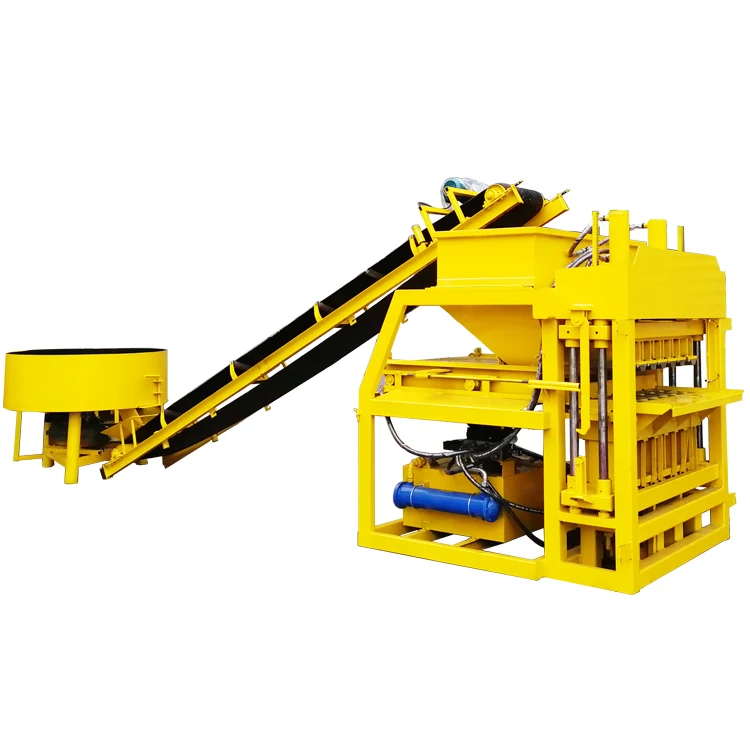
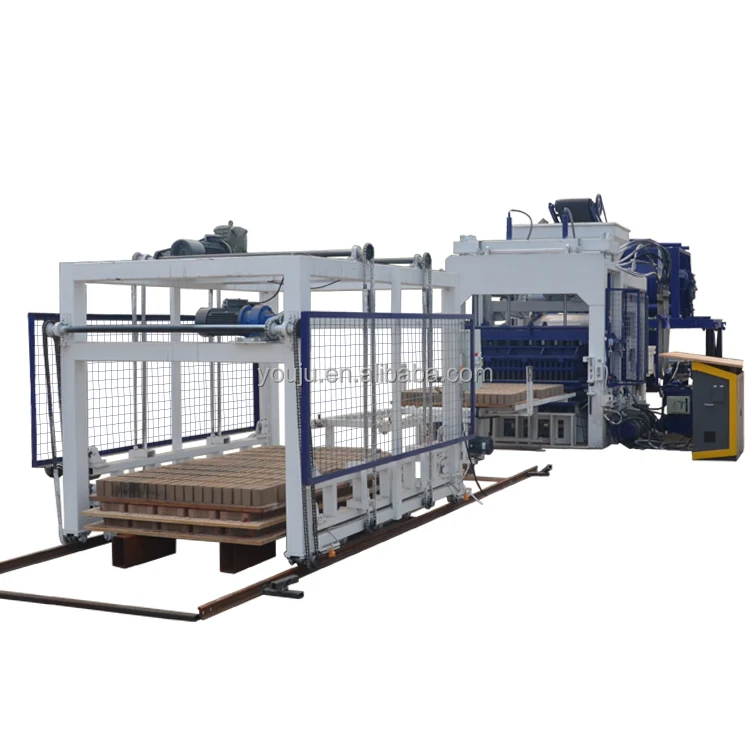 Stationary block machine