

Interlocking Block Machine for Paver Production: Wholesale Supplier
The lowest FOB price often results in the highest total landed cost.
Selecting a reliable wholesale interlocking brick machine supplier requires prioritizing certification compliance, voltage customization, and logistics optimization over initial unit price. A successful import strategy balances production capacity with local regulatory constraints to avoid costly port delays and equipment retrofitting.
Having spent years managing documentation and customs clearance before moving into direct sales, I learned that the most expensive part of buying an automatic paver block making line price quote is not the machine itself, but the unforeseen costs of getting it through the port and operational. In Latin America, where regulations are stringent and infrastructure varies, a mismatch in paperwork or electrical specs can halt a project for weeks. This perspective shapes how I evaluate every concrete paver machine for Latin America market inquiry, focusing on end-to-end viability rather than just factory gate metrics. [NEED_CITE: common causes of import delays in heavy machinery]
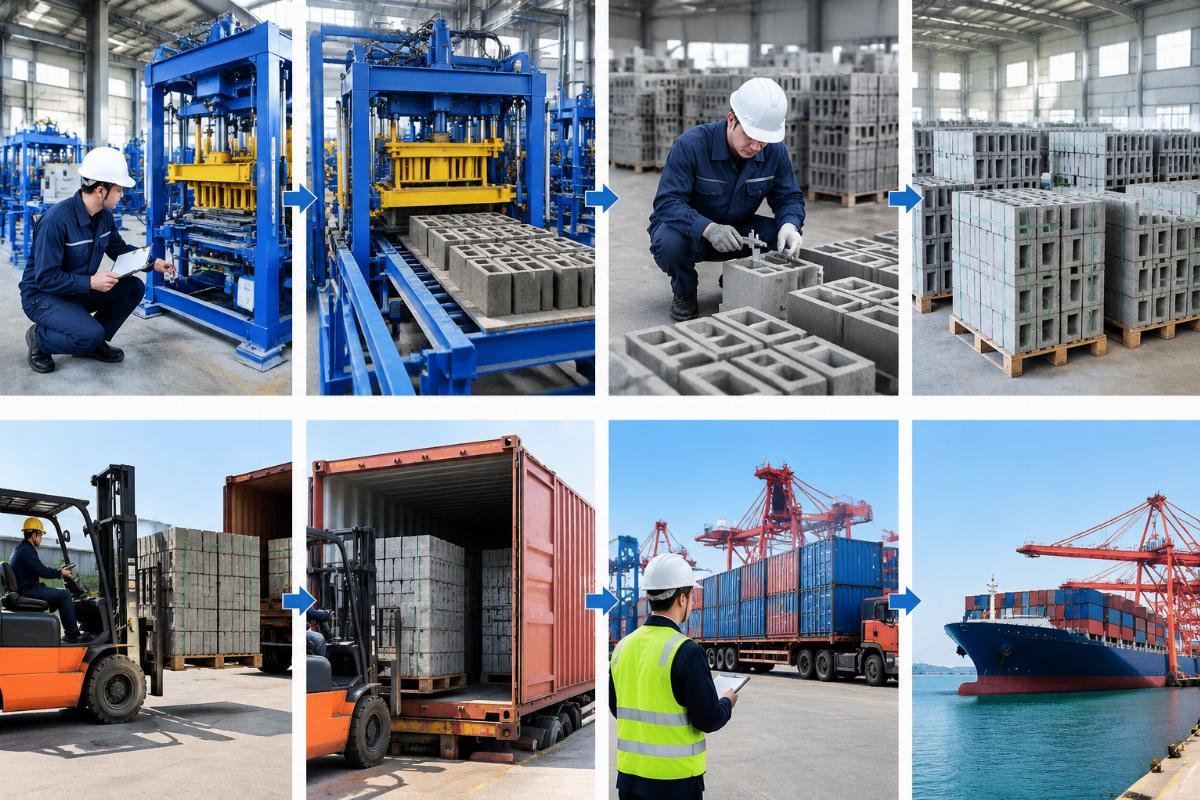
Understanding these hidden friction points allows investors to choose partners who provide more than just hardware. The following guide breaks down the technical and logistical factors that define a truly high-value partnership in the paver production industry.
What Defines a High-Quality Interlocking Block Machine for Pavers?
Precision molding and hydraulic stability matter more than raw tonnage.
Many buyers focus on the press force of a machine, assuming higher tonnage equals better quality. However, for interlocking pavers, dimensional consistency is driven by the rigidity of the mold box and the stability of the hydraulic system during the vibration phase. If the hydraulic pressure fluctuates during compaction, the interlocking edges will vary, leading to poor fitment on site. [NEED_CITE: hydraulic pressure stability metrics for consistent dimensions]
A high-quality Interlocking Block Machine for Paver Production uses hardened steel molds with specific heat treatment standards to resist abrasion from high-cement mixes. The cycle time must be balanced with sufficient vibration duration to ensure density without compromising output. When comparing suppliers, look for details on mold material hardness and the type of vibration motors used, as these directly impact the longevity of your production line.
| Feature | Basic Specification | Premium Specification | Impact on Production |
|---|---|---|---|
| Mold Material | Standard Steel | Hardened Alloy Steel | Extended service life, consistent dimensions |
| Hydraulic System | Standard Valves | Proportional Valves | Smoother operation, precise pressure control |
| Vibration Mode | Single Frequency | Multi-frequency | Higher density, better surface finish |
| Control System | Relay-based | PLC with Touchscreen | Easier troubleshooting, automated cycles |
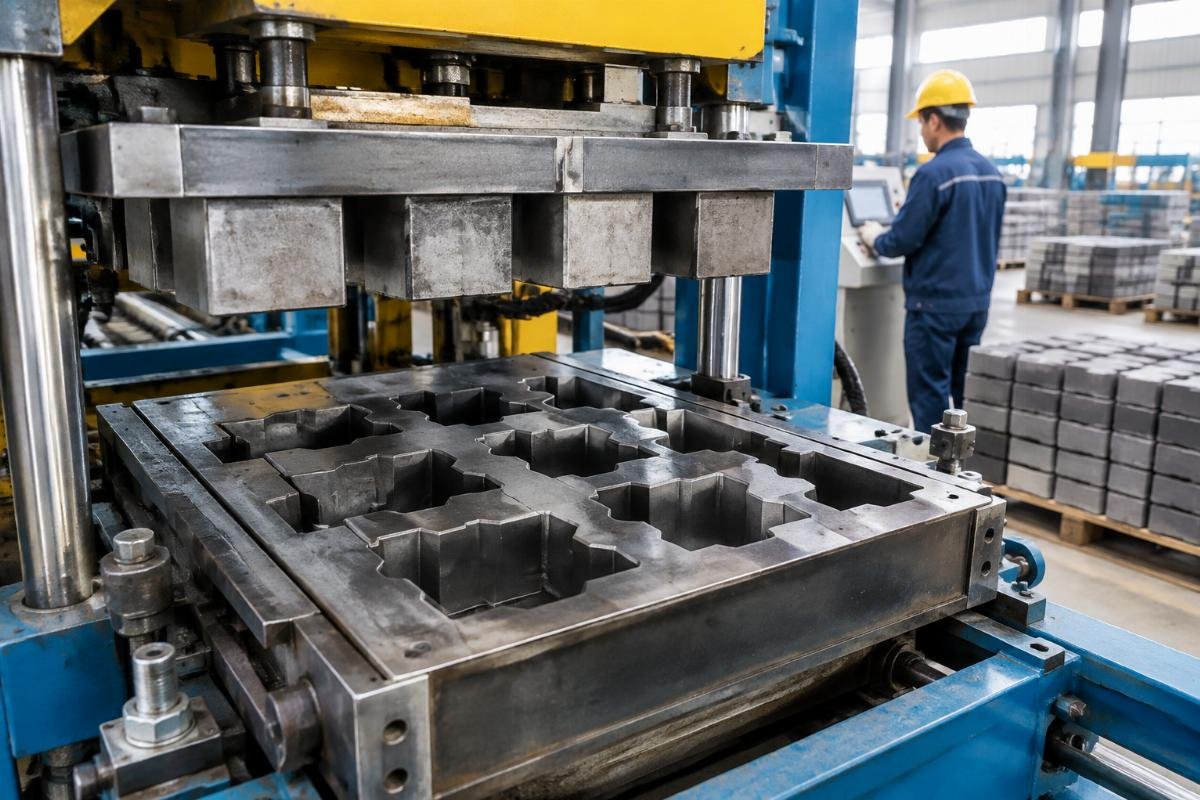
For instance, a client in Chile initially opted for a lower-cost unit with standard molds. Within months, the wear on the interlocking tabs caused significant variation in block size, leading to rejection by their construction clients. Switching to a supplier who offered hardened alloy molds resolved the issue, demonstrating that material quality is a critical component of the automatic paver block making line price calculation.
How to Evaluate Wholesale Suppliers Beyond Price Tags?
Verify their track record in handling complex logistics and certification for your specific region.
A reliable wholesale interlocking brick machine supplier does more than manufacture equipment; they manage the risk of international trade. This includes providing accurate documentation for customs, ensuring proper packing for ocean freight, and offering post-sale support that accounts for local conditions. Many suppliers claim to offer "global service," but few have the operational depth to handle region-specific challenges effectively.
One key indicator of a supplier’s reliability is their approach to pre-shipment verification. Do they insist on reviewing your import license and certificate requirements before production begins? A competent partner will ask for details about your local voltage, frequency, and any specific notarization needs for certificates like CE or ISO. [NEED_CITE: importance of pre-shipment document verification]
Consider the case of a buyer in Mexico who faced a delay of over twenty days at the Manzanillo port. The issue was not with the machine, but with the format of the CE certificate, which did not meet local customs requirements. The supplier had provided a standard European format, ignoring the specific notarization needs of the region. This incident highlights why choosing a concrete paver machine for Latin America market provider with regional experience is crucial. They understand that a certificate is not just a piece of paper, but a key to unlocking your cargo.
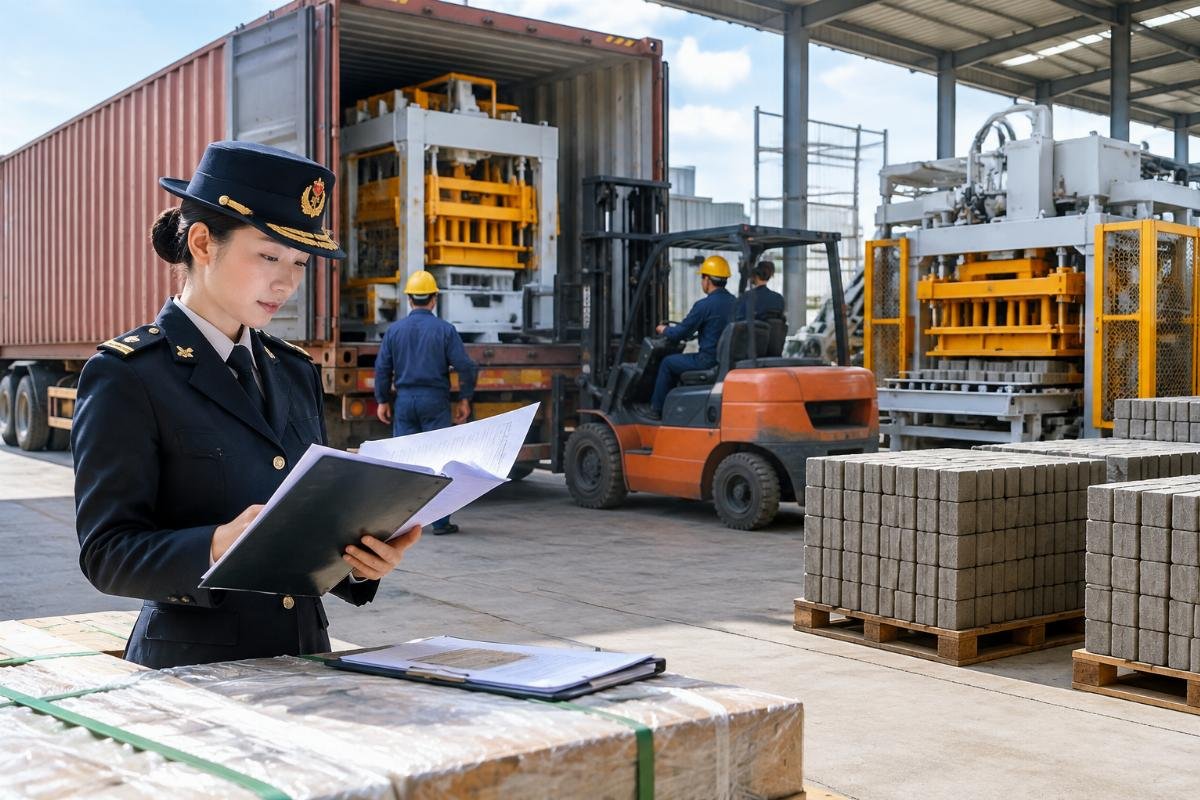
When evaluating suppliers, ask for examples of recent shipments to your country. Did they handle the packing? How did they manage the documentation? Their answers will reveal whether they are merely selling machines or providing a complete solution. This level of due diligence is essential when assessing the true value of an Interlocking Block Machine for Paver Production.
Which Specifications Matter Most for Latin American Imports?
Custom voltage, certified documentation, and robust packing are non-negotiable.
Latin America presents unique challenges for machinery imports, particularly regarding electrical standards and customs procedures. Unlike some regions where a standard 50Hz or 60Hz setup might suffice, countries like Brazil have specific voltage requirements that vary by state. Sending a machine with the wrong frequency or voltage configuration can render it unusable upon arrival, requiring expensive and time-consuming retrofits. [NEED_CITE: voltage and frequency standards in South American countries]
A professional wholesale interlocking brick machine supplier will customize the electrical components of your automatic paver block making line price package to match your local grid. This includes selecting the correct motors, PLCs, and transformers before manufacturing begins. It is not enough to assume that a "standard" machine will work; you must specify your exact electrical parameters.
Packing is another critical factor. Interlocking paver molds are precision tools that can be easily damaged during transit if not properly secured. A supplier experienced in exporting to regions like Chile or Peru will use reinforced wooden crates and secure the molds within the container to prevent movement. Poor packing can lead to bent frames or cracked molds, resulting in production downtime and additional costs for replacements.
| Risk Factor | Standard Approach | Optimized Approach | Consequence of Failure |
|---|---|---|---|
| Electrical Specs | Generic 50/60Hz | Customized to Local Grid | Equipment damage, retrofit costs |
| Documentation | Standard CE Certificate | Notarized/Apostilled as Required | Customs delays, demurrage fees |
| Packing | Basic Wooden Crate | Reinforced, Mold-Secured | Damaged molds, production stoppage |
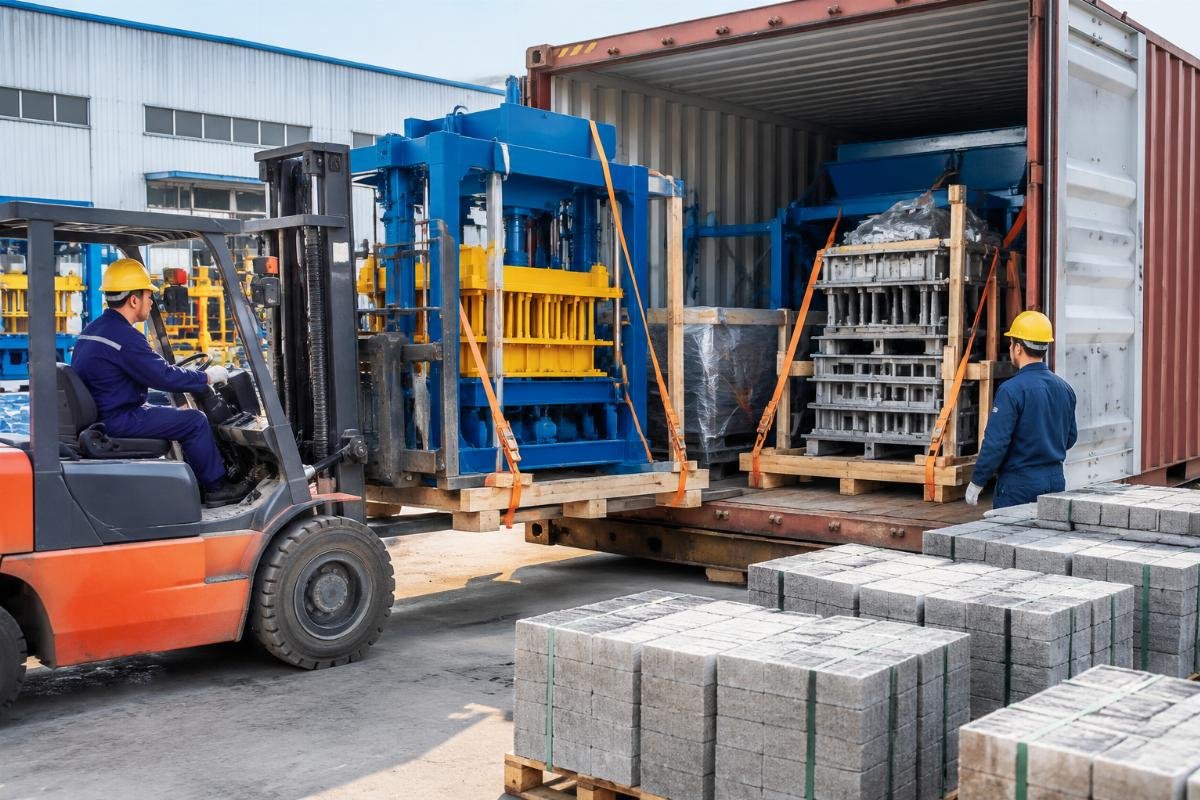
By addressing these specifications upfront, you avoid the hidden costs that often plague international machinery purchases. A supplier who proactively manages these details demonstrates a commitment to your success, making them a valuable partner in your venture. This attention to detail is what separates a generic vendor from a trusted provider of a concrete paver machine for Latin America market.
How to Calculate Real ROI for Your Paver Production Line?
Factor in maintenance costs, spare parts availability, and operator training efficiency.
Calculating the return on investment for an Interlocking Block Machine for Paver Production goes beyond the initial purchase price. You must consider the ongoing costs of operation, including energy consumption, wear parts, and labor efficiency. A machine that is cheap to buy but expensive to maintain will erode your profits over time.
Spare parts availability is a critical component of ROI. If a hydraulic hose bursts or a sensor fails, how quickly can you get a replacement? A supplier with a robust supply chain and express shipping options for critical parts can minimize downtime. [NEED_CITE: impact of downtime on manufacturing ROI] Additionally, the ease of operation affects labor costs. A machine with a user-friendly PLC interface and comprehensive training materials will require less skilled labor to operate efficiently.
Operator training is often overlooked but is vital for maximizing output. A supplier who provides detailed video tutorials, remote diagnostic support, and on-site training ensures that your team can run the machine at peak performance from day one. This reduces the learning curve and minimizes the risk of operational errors that can damage the equipment or produce substandard blocks.
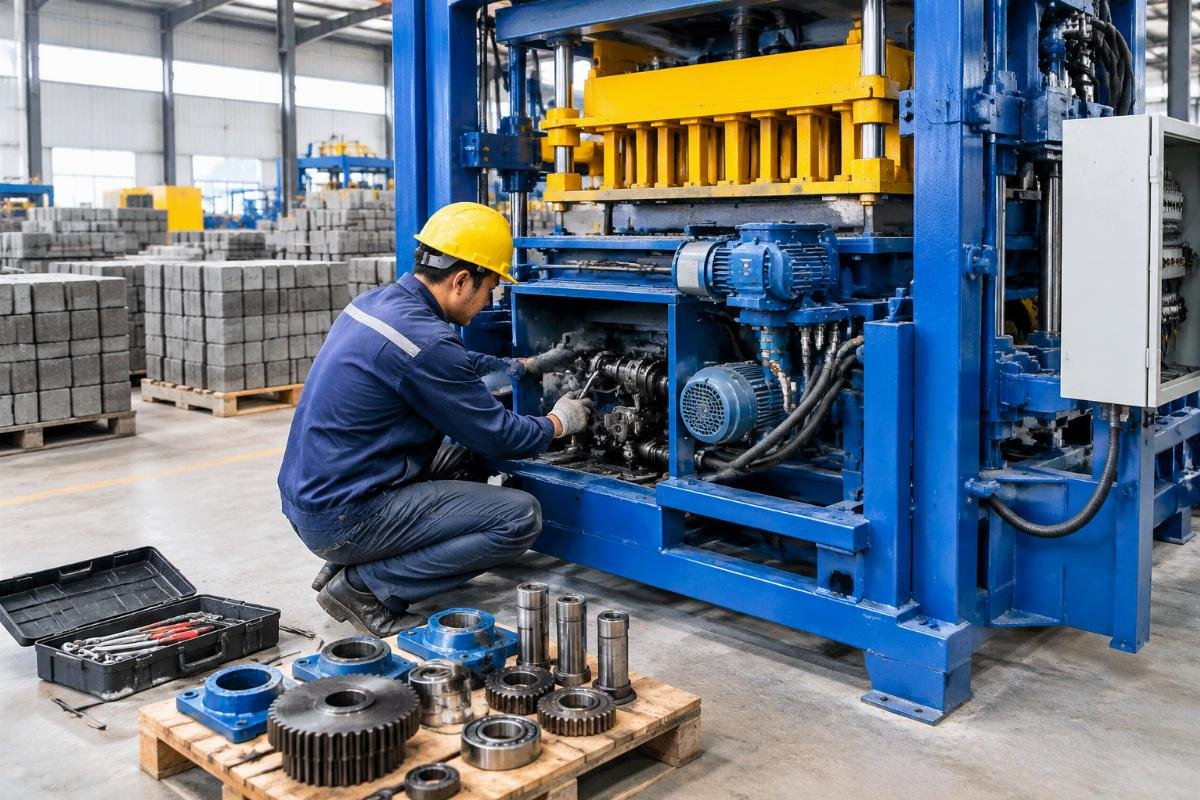
When reviewing quotes, ask about the expected lifespan of key components like vibration motors and hydraulic seals. Also, inquire about the availability of technical support in your language. These factors contribute to the total cost of ownership and should be weighed against the initial automatic paver block making line price. A slightly higher upfront cost for a machine with better support and durability often yields a higher long-term ROI.
Conclusion
True value lies in seamless integration, not just low entry cost.
Choosing the right wholesale interlocking brick machine supplier involves looking beyond the brochure specs to the realities of logistics, certification, and local operational support. By prioritizing vendors who understand the nuances of your market, such as voltage customization and customs documentation, you protect your investment from costly delays and inefficiencies.
A well-chosen concrete paver machine for Latin America market partner acts as an extension of your team, ensuring that your Interlocking Block Machine for Paver Production arrives ready to work and stays productive. Focus on the total landed cost and long-term reliability to build a sustainable and profitable manufacturing business.

Industry expert sharing insights about concrete machinery, block making technology and turnkey production solutions.
View all posts →
Leave a Reply