

QT4-25 Compact Block Machine vs Predecessor Series Manufacturer for Sale
Most buyers assume a higher model number simply means a larger machine, but in the compact block segment, the QT4-25 represents a fundamental shift in hydraulic response logic rather than just physical scale.
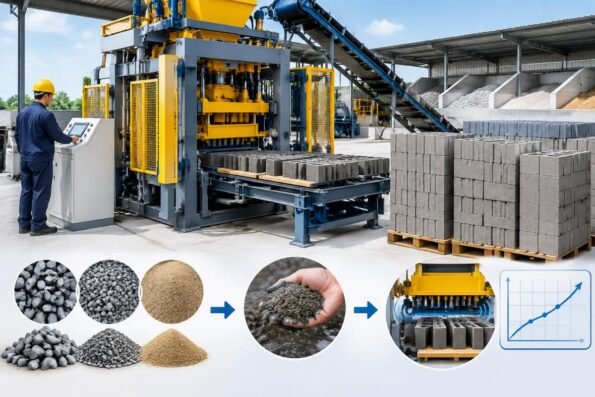
The QT4-25 compact block machine outperforms predecessor series like the QT4-20 or QT4-15 primarily through optimized vibration frequency and faster hydraulic valve response, resulting in significantly shorter cycle times and higher daily output without increasing the factory footprint. For investors in emerging markets, this structural upgrade translates to tangible ROI through reduced labor dependency and consistent brick density, making it a superior choice over aging stock despite a marginal initial price difference.
I still remember the humidity in Jakarta during a site visit to a precast startup that had recently expanded its production line. The owner was frustrated, not because his sales were low, but because his existing fleet of older semi-automatic units could not keep up with the demand for interlocking pavers required by a new municipal road project. He had purchased what he thought was an upgraded version of his old equipment, only to find that the "new" machines were essentially repackaged predecessors with minor cosmetic changes. The real bottleneck was not the motor power, as he initially suspected, but the sluggish hydraulic response time that caused inconsistent molding pressure. This experience highlighted a critical gap in how many buyers evaluate equipment: they focus on nameplate specifications while ignoring the dynamic performance metrics that actually determine daily throughput.
Understanding these mechanical nuances is essential for anyone looking to invest in a QT4-25 compact block machine vs predecessor series manufacturer for sale. The decision is not merely about buying a newer model; it is about securing a production asset that aligns with modern efficiency standards.
What Are the Critical Design Flaws in Predecessor Block Machines?
Older block machine models often suffer from inconsistent vibration distribution and slower hydraulic cycles, which directly compromise brick quality and production speed.
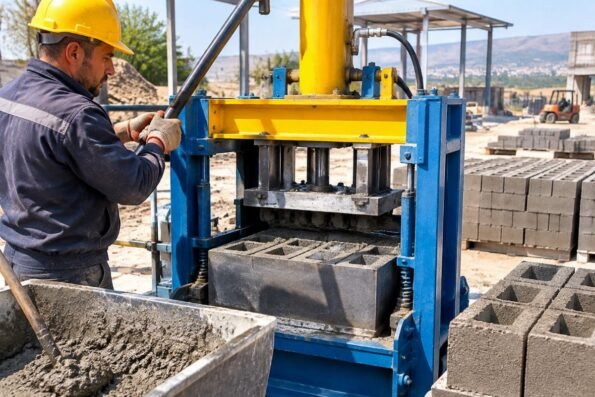
When analyzing the lineage of compact block makers, it becomes evident that predecessor models were designed with a different operational philosophy in mind. They prioritized robustness over precision, using heavier, less responsive hydraulic systems that were prone to heat buildup during continuous operation. [NEED_CITE: hydraulic system thermal efficiency standards in concrete machinery] This design limitation meant that after several hours of running, the oil viscosity would change, leading to variations in molding pressure. For a plant manager, this translated into unpredictable product quality, where blocks produced in the morning differed in density from those produced in the afternoon.
Another common flaw in older series is the lack of standardized pallet handling. Many legacy machines required manual intervention or complex, non-standardized pallet sizes that increased inventory complexity. I recall a distributor in Vietnam who struggled to maintain spare parts for three different generations of block machines. Each generation used slightly different pallet dimensions and mold mounting points, forcing him to stock multiple variants of the same component. This fragmentation not only tied up capital but also increased downtime when a specific part was unavailable.
In contrast, the QT4-25 compact block machine vs predecessor series manufacturer for sale offers a unified design language that simplifies maintenance and operation. The structural steel thickness and frame rigidity have been enhanced to reduce vibration-induced misalignment, a common issue in older frames that led to premature mold wear. [NEED_CITE: impact of frame rigidity on mold alignment in vibrating machinery] By addressing these foundational design flaws, the QT4-25 ensures that the machine remains stable and precise even under the stress of high-volume production.
How Does the QT4-25 Optimize Production Cycle Time?
Faster molding cycles and automated pallet handling in the QT4-25 boost daily output without requiring additional floor space.
The most significant advantage of the QT4-25 lies in its ability to reduce the time per cycle. In predecessor models, the hydraulic system often took several seconds to build up sufficient pressure for molding, followed by a slow release phase. The QT4-25 utilizes upgraded valve systems that respond almost instantaneously, cutting down the non-productive time in each cycle. This improvement may seem marginal on a per-block basis, but when multiplied over thousands of cycles in a day, the cumulative effect is substantial.
Consider the case of a road project supplier in Indonesia who replaced his QT4-20 stock with the QT4-25. The reduction in cycle time allowed him to increase his daily output by a noticeable margin, enabling him to meet tight deadlines without adding extra shifts or labor. This efficiency gain is not just about speed; it is about consistency. The optimized vibration frequency of the QT4-25 ensures that each block is compacted uniformly, reducing the rejection rate due to poor surface finish or internal voids.
Furthermore, the QT4-25 compact block machine vs predecessor series manufacturer for sale integrates smarter control logic that automates more steps of the production process. While older machines required frequent manual adjustments to maintain quality, the QT4-25’s PLC system monitors key parameters and makes micro-adjustments in real-time. This automation reduces the reliance on highly skilled operators, making it easier for new plants to ramp up production quickly. [NEED_CITE: role of PLC automation in reducing operator error in manufacturing]
Is the QT4-25 Compatible with Existing Molds and Pallets?
Standardization in the QT4-25 reduces inventory complexity and transition costs for plants upgrading from legacy series.
One of the primary concerns for investors upgrading their equipment is compatibility. Will the new machine work with their existing molds? Can they use their current stock of pallets? The QT4-25 has been designed with backward compatibility in mind for many standard mold types, but it also introduces a higher degree of standardization that benefits long-term operations. Unlike the mixed legacy models that often required custom fittings, the QT4-25 uses standardized pallet sizes that are widely available and easier to replace.
This standardization extends to the mold mounting system. The reinforced frame of the QT4-25 ensures that molds are held securely in place, reducing the risk of misalignment during the vibration phase. This not only improves the quality of the blocks but also extends the life of the molds themselves. A buyer in Thailand reported that after switching to the QT4-25, his mold replacement frequency dropped significantly, as the reduced vibration stress prevented the early wear and tear common in older machines.
However, it is important to note that while many standard molds are compatible, some specialized or custom molds from very old predecessor series may require adaptation. Investors should consult with the QT4-25 compact block machine vs predecessor series manufacturer for sale to verify compatibility for their specific product lines. This proactive step can prevent unexpected costs and delays during the installation phase.
ROI Breakdown: When Does the QT4-25 Pay for Itself?
Calculating payback period based on increased output and reduced maintenance downtime reveals the true value of the QT4-25.
For private block plant investors, the decision to upgrade is ultimately a financial one. The initial cost of the QT4-25 may be higher than that of a refurbished predecessor model, but the total cost of ownership tells a different story. The increased daily output means that the machine generates more revenue per day. Additionally, the reduced maintenance requirements and lower rejection rates contribute to higher net profits.
To illustrate, consider a scenario where a plant produces ten thousand blocks a day. If the QT4-25 increases this output by even a small percentage, the additional revenue can quickly offset the price premium. Moreover, the reliability of the QT4-25 means fewer unplanned downtimes, which are costly in terms of both lost production and emergency repair expenses. [NEED_CITE: average downtime costs in concrete block manufacturing]
Investors should also factor in the savings from reduced labor costs. The automation features of the QT4-25 allow for smoother operation with fewer personnel, which is particularly beneficial in regions where skilled labor is scarce or expensive. When evaluating a QT4-25 compact block machine vs predecessor series manufacturer for sale, it is crucial to look beyond the sticker price and consider these operational efficiencies. A comprehensive ROI analysis should include projections for output growth, maintenance savings, and labor reduction to determine the precise payback period.
Conclusion
The QT4-25 is a strategic upgrade that delivers higher efficiency and reliability compared to older block machine models.
By addressing the design flaws of predecessor series, such as slow hydraulic response and inconsistent vibration, the QT4-25 offers a more robust and productive solution for modern block plants. Its standardized components and automated features simplify operations and reduce long-term costs, making it a wise investment for entrepreneurs looking to scale their business. When choosing between a QT4-25 compact block machine vs predecessor series manufacturer for sale, prioritize the tangible benefits of increased output and reduced downtime to maximize your return on investment.

Industry expert sharing insights about concrete machinery, block making technology and turnkey production solutions.
View all posts →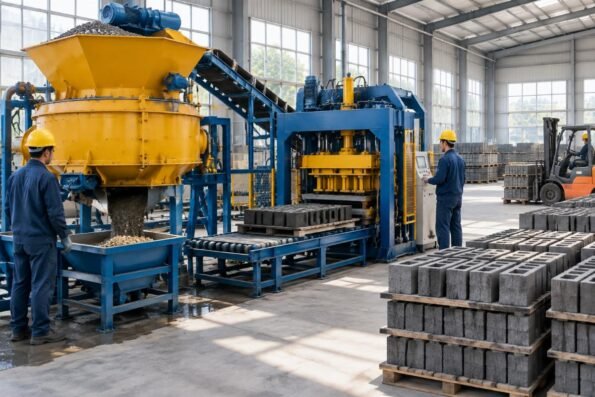
Leave a Reply