

Paver Block Machine for Saudi Arabia: Manufacturer & Supplier
Most buyers in the Gulf focus on tonnage, but thermal management determines lifespan.
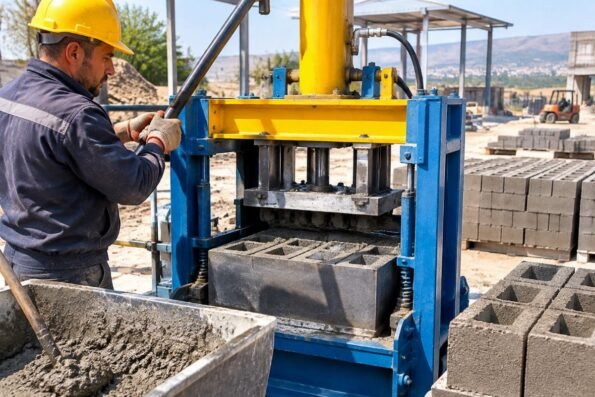
Selecting a Paver Block Machine Saudi Arabia requires prioritizing hydraulic cooling capacity and voltage stabilization over raw output speed. In desert climates where ambient temperatures exceed forty-five degrees Celsius, standard industrial specifications fail rapidly. The core decision factor is not how many blocks the machine produces per hour, but whether its electrical and hydraulic systems can sustain continuous operation without overheating or sensor failure. Direct sourcing from manufacturers who engineer specifically for high-temperature environments offers superior long-term reliability compared to generic global models.
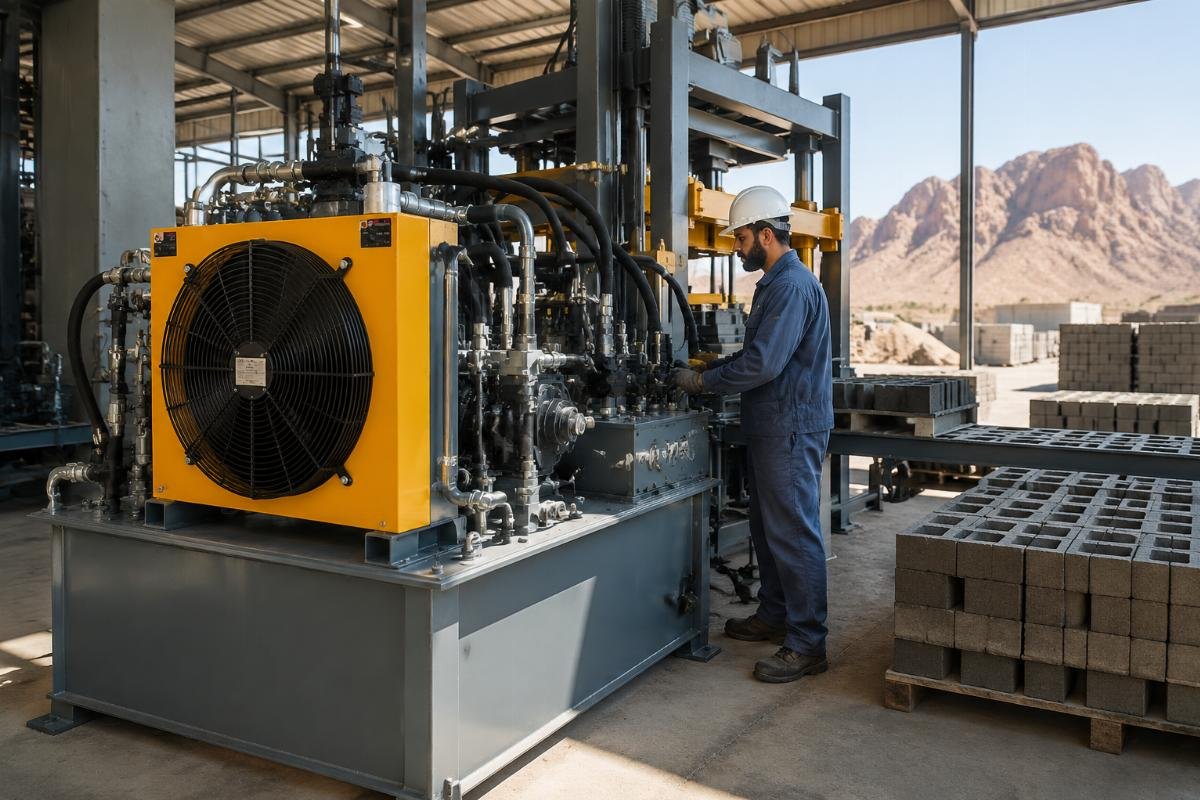
The difference between a functional plant and a costly downtime nightmare often lies in details invisible on a standard spec sheet. I once reviewed a procurement request from a contractor in Riyadh who was comparing two quotes based solely on cycle time. The cheaper option listed a higher theoretical output, but its hydraulic reservoir size was standard for temperate European climates. Within weeks of summer operation, the oil temperature spiked, causing seal degradation and inconsistent block density. This is not an isolated incident; it is a systemic mismatch between generic equipment design and local environmental reality. [NEED_CITE: hydraulic system thermal limits in high ambient temperatures]
Why Standard Machines Fail in Saudi Climate?
Heat and dust are the primary enemies of automation, not mechanical load.
Standard concrete block machines are typically engineered for moderate climates with stable power grids. When deployed in the Kingdom of Saudi Arabia, they face two distinct stressors: extreme ambient heat and fine particulate dust. These factors do not just reduce efficiency; they actively degrade critical components.
The most common failure point is the hydraulic system. Hydraulic oil viscosity changes significantly with temperature. In a desert environment, the delta between operating temperature and ambient temperature shrinks, reducing the efficiency of standard air-cooled radiators. Without specialized thermal management, the oil reaches breakdown temperatures, leading to loss of pressure and erratic mold movement. [NEED_CITE: effects of high ambient temperature on hydraulic oil viscosity]
Dust infiltration is equally destructive. Fine silica dust penetrates standard electrical cabinets, coating circuit boards and causing short circuits or sensor misreads. Proximity sensors, essential for automatic pallet feeding and block ejection, become unreliable when covered in dust. A project in Dammam reported frequent unplanned stops due to false sensor triggers, which were only resolved after upgrading to IP65-rated enclosures and adding positive pressure air filtration systems.
| Component | Standard Specification | Desert-Adapted Specification | Risk Level in KSA |
|---|---|---|---|
| Hydraulic Cooling | Standard Air Radiator | Oversized Radiator + High-Temp Seals | Critical |
| Electrical Cabinet | IP54 Rating | IP65 Rating + Air Filtration | High |
| Voltage Protection | Basic Surge Protector | Industrial Stabilizer + Isolation Transformer | High |
| Sensor Type | Standard Inductive | Dust-Resistant Shielded Sensors | Medium |
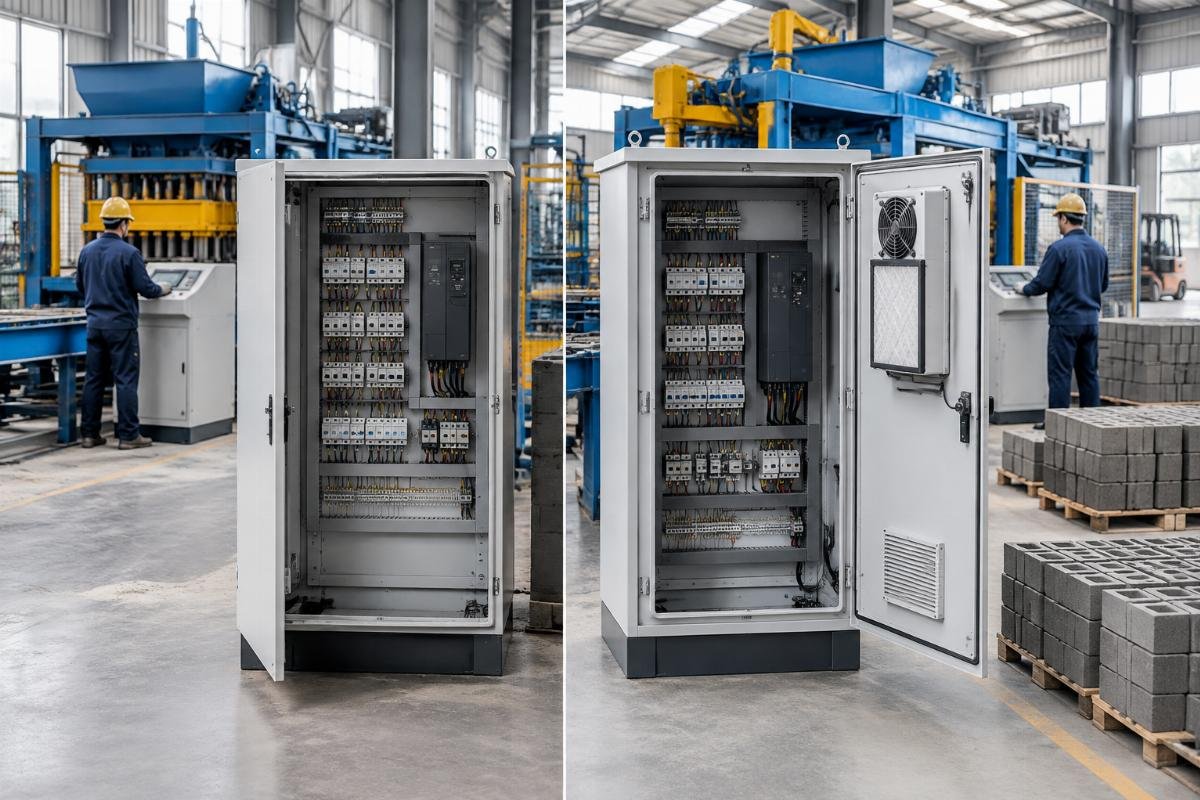
Buyers often overlook these adaptations because they are not visible during a static inspection. However, their absence becomes apparent within the first few months of operation. The cost of retrofitting these systems post-installation is substantially higher than specifying them initially. Therefore, verifying the thermal and environmental design of a Paver Block Machine Saudi Arabia is the first step in risk mitigation.
Key Specs for KSA Market
Prioritize cooling systems, IP-rated electronics, and voltage stabilizers.
When evaluating technical proposals, the focus must shift from production capacity to system resilience. The key specifications for the Saudi market revolve around three pillars: thermal stability, electrical protection, and dust resistance.
Thermal stability begins with the hydraulic station. The manufacturer should specify the use of high-temperature seals and an oversized cooling system capable of maintaining oil temperature within safe limits even when ambient air exceeds forty-five degrees Celsius. Some suppliers offer water-cooled options for extreme conditions, though these require a reliable water source and maintenance infrastructure. [NEED_CITE: industrial hydraulic cooling requirements for ambient temps above 45C]
Electrical protection is non-negotiable. Grid instability in some industrial zones can cause voltage fluctuations that reset PLCs or damage sensitive drives. A robust solution includes an industrial-grade voltage stabilizer and isolation transformer integrated into the control panel. This ensures that the machine receives clean, stable power regardless of external grid conditions.
Dust resistance requires more than just sealed boxes. It involves a holistic approach to enclosure design. Electrical cabinets should be rated IP65 or higher, with filtered ventilation fans that maintain positive pressure inside the cabinet. This prevents dust from entering through gaps when doors are opened for maintenance. Additionally, all external sensors and connectors should be shielded or housed in protective casings.
| Specification Category | Critical Requirement | Verification Method |
|---|---|---|
| Thermal Management | Oversized Cooler + High-Temp Seals | Request thermal calculation data |
| Electrical Safety | Voltage Stabilizer + Isolation Transformer | Check single-line diagram |
| Dust Protection | IP65 Cabinets + Filtered Ventilation | Inspect cabinet design photos |
| Sensor Reliability | Shielded/Dust-Resistant Types | Review component list |
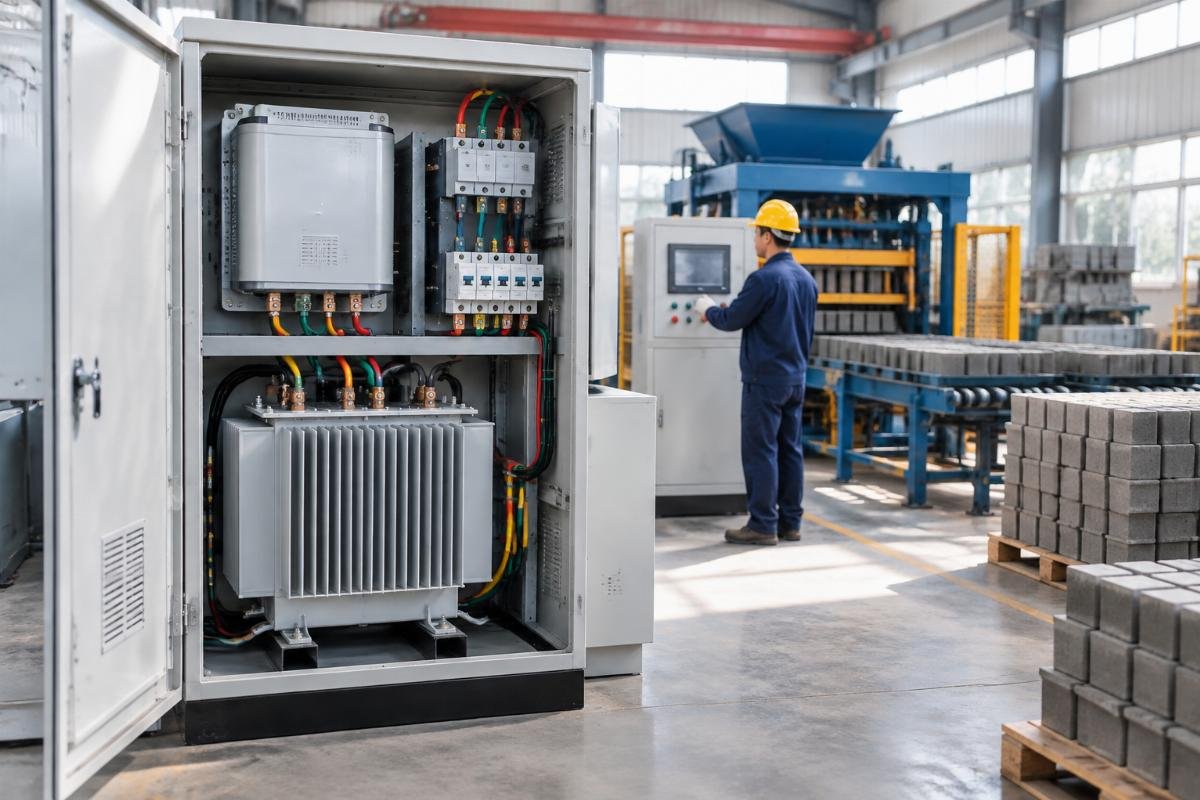
These specifications are not optional extras; they are fundamental requirements for operational continuity. A supplier who cannot provide detailed information on these aspects may be offering a generic product unsuited for the region. When searching for a Paver Block Machine Saudi Arabia, demand clarity on these engineering details.
QT Series Selection Guide
Match machine size to project scale and infrastructure capacity.
The QT series represents the standard for fully automatic block making machines. Selecting the right model depends on the scale of the project and the available infrastructure. Smaller models like the QT4-15 are suitable for startups or smaller housing projects, offering a balance of cost and output. Larger models like the QT10-15 or QT12-15 are designed for major infrastructure projects requiring high-volume production.
For new investors, the QT8-15 often provides the optimal entry point. It offers sufficient capacity for medium-scale contracts while remaining manageable in terms of initial investment and operational complexity. For large government tenders or major road paving projects, the QT10-15 or QT12-15 delivers the necessary throughput. However, larger machines require more robust power supply and foundation preparations. [NEED_CITE: QT series machine capacity and power requirements]
It is crucial to align the machine choice with the available utility infrastructure. A QT12-15 machine demands a significant power connection and a large footprint for raw material storage and finished product handling. Underestimating these requirements can lead to bottlenecks that negate the benefits of higher machine capacity.
Shiyue’s QT8-15 and QT10-15 models are specifically optimized for MENA climates. They feature enhanced cooling systems and dust-resistant electrical components as standard. This regional adaptation ensures that the machine performs reliably under local conditions, minimizing the risk of heat-related failures. The turnkey installation services provided include site assessment to ensure that power and foundation requirements are met before delivery.
| Model | Typical Application | Power Requirement | Foundation Complexity |
|---|---|---|---|
| QT4-15 | Small Startups / Local Supply | Moderate | Low |
| QT8-15 | Medium Projects / Housing | High | Medium |
| QT10-15 | Large Infrastructure / Tenders | Very High | High |
| QT12-15 | Major Industrial Production | Extreme | Very High |
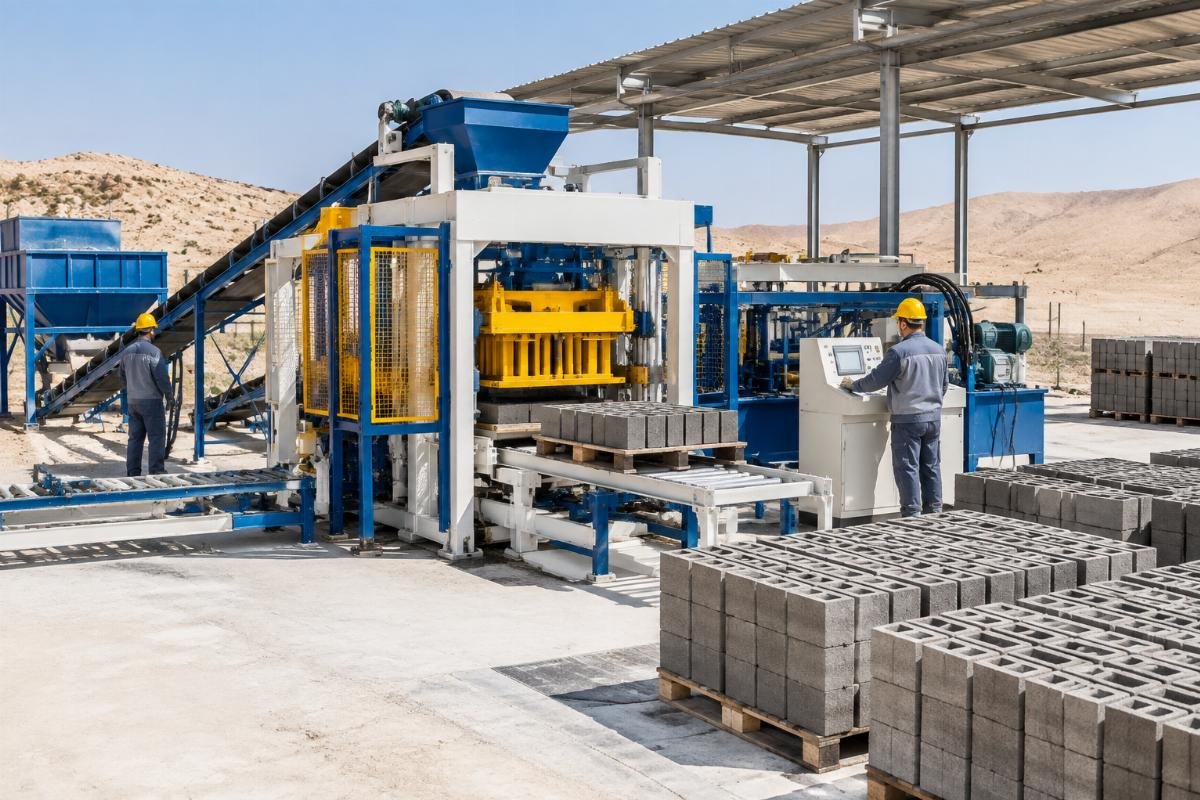
Choosing the right model is not just about output volume; it is about ensuring that the entire production ecosystem can support the machine. A well-matched Paver Block Machine Saudi Arabia integrates seamlessly into the existing infrastructure, maximizing efficiency and minimizing operational friction.
Verification Checklist for Suppliers
Demand CE/SGS certs, video proof of desert testing, and clear spare parts lists.
Verifying a supplier’s capability goes beyond checking certificates. It requires evidence of real-world performance in similar environments. Request CE and SGS certification documents to ensure compliance with international safety and quality standards. However, these certificates alone do not guarantee suitability for desert conditions.
Ask for video evidence of the machine operating in high-temperature environments. Look for details such as the condition of the hydraulic oil, the behavior of the electrical systems, and the overall smoothness of operation. A supplier confident in their product will provide unedited footage from actual client sites in the Middle East or North Africa. [NEED_CITE: importance of real-world performance verification for industrial machinery]
Spare parts availability is another critical factor. Request a detailed list of recommended spare parts for the first two years of operation. This list should include wear items like seals, filters, and sensors. Verify that these parts are readily available and can be shipped quickly. Delayed access to critical spares can result in extended downtime, which is costly in any construction project.
| Verification Item | Purpose | Red Flag |
|---|---|---|
| CE/SGS Certificates | Compliance with International Standards | Expired or unclear docs |
| Desert Operation Video | Proof of Thermal Performance | No footage from hot climates |
| Spare Parts List | Maintenance Planning | Vague or incomplete list |
| Technical Support Plan | Downtime Minimization | No remote diagnostic capability |
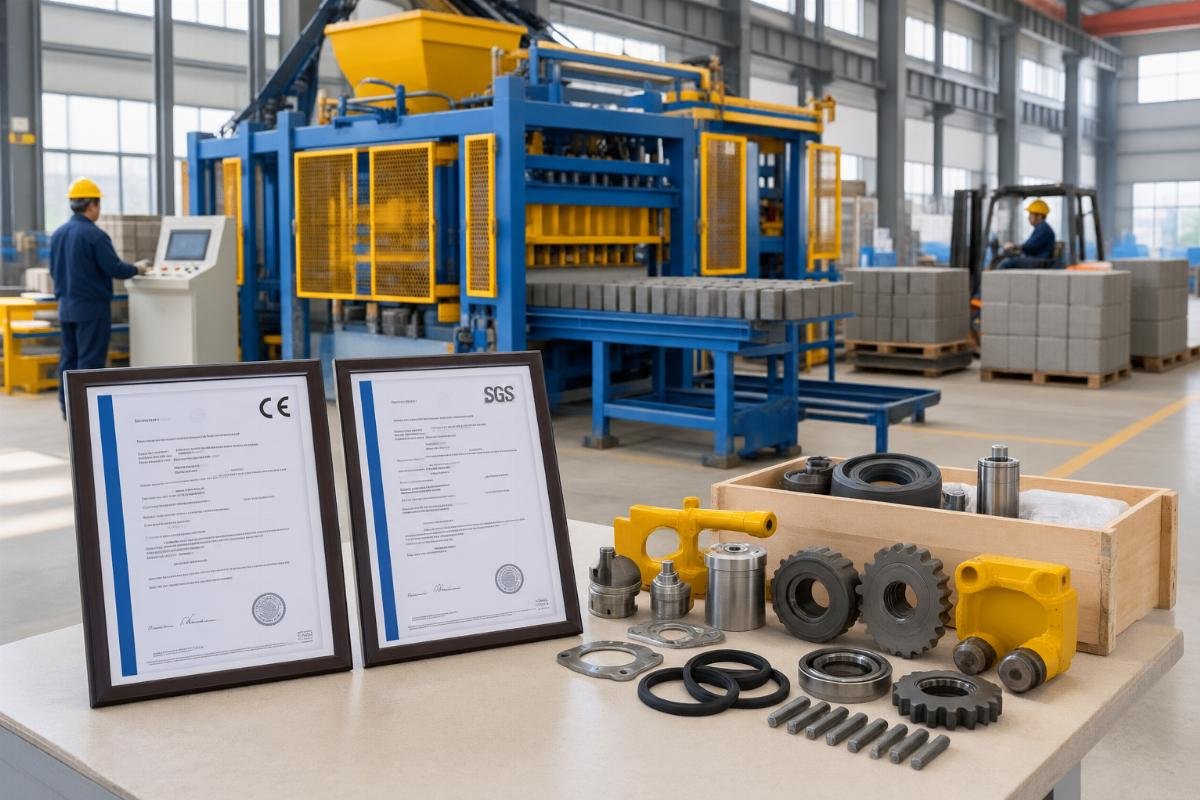
A thorough verification process reduces the risk of purchasing unsuitable equipment. By demanding concrete evidence of performance and support, buyers can distinguish between genuine manufacturers and trading companies. When evaluating a Paver Block Machine Saudi Arabia, this due diligence is essential for long-term success.
After-Sales & Installation Support
Remote diagnostics and on-site training are critical for minimal downtime.
Installation and training are not mere formalities; they are integral to the machine’s lifecycle. Professional installation ensures that the machine is leveled correctly, connections are secure, and systems are calibrated for optimal performance. Improper installation can lead to premature wear and inconsistent product quality.
On-site training for operators and maintenance staff is equally important. Local teams need to understand not just how to operate the machine, but how to perform routine maintenance and troubleshoot common issues. This knowledge empowers the local team to handle minor problems independently, reducing reliance on external support.
Remote diagnostic capabilities add another layer of security. Modern PLC systems allow technicians to monitor machine performance and diagnose issues remotely. This feature can significantly reduce resolution time for complex problems, minimizing downtime. Ensure that the supplier offers robust remote support as part of their after-sales service package. [NEED_CITE: benefits of remote diagnostics for industrial equipment]
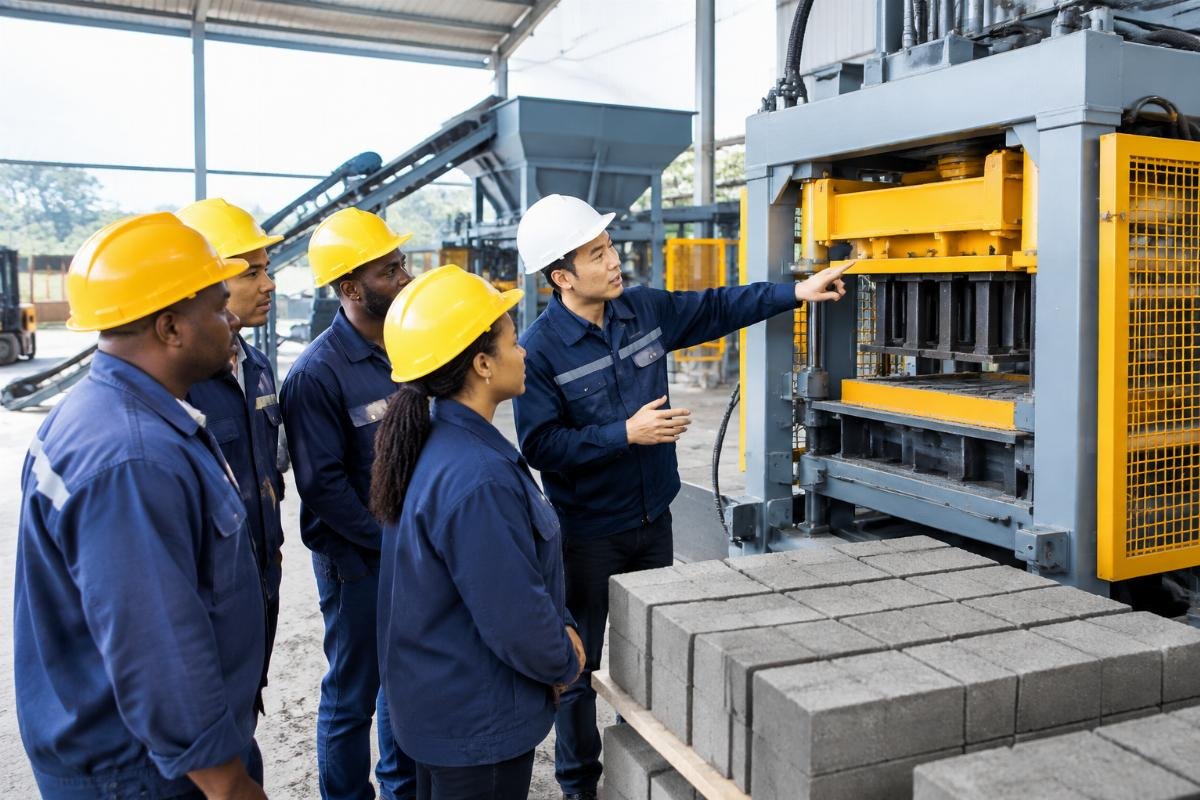
Effective after-sales support transforms a machine purchase into a long-term partnership. It ensures that the investment continues to deliver value over time. For buyers seeking a Paver Block Machine Saudi Arabia, prioritizing suppliers with strong support infrastructure is a strategic decision that pays dividends in operational stability.
Conclusion
Thermal resilience outweighs raw speed in desert operations.
Success in the Saudi market depends on selecting equipment engineered for heat and dust. Prioritize hydraulic cooling, electrical protection, and verified supplier support. A well-adapted Paver Block Machine Saudi Arabia ensures consistent production and long-term reliability for infrastructure projects.

Industry expert sharing insights about concrete machinery, block making technology and turnkey production solutions.
View all posts →
Leave a Reply