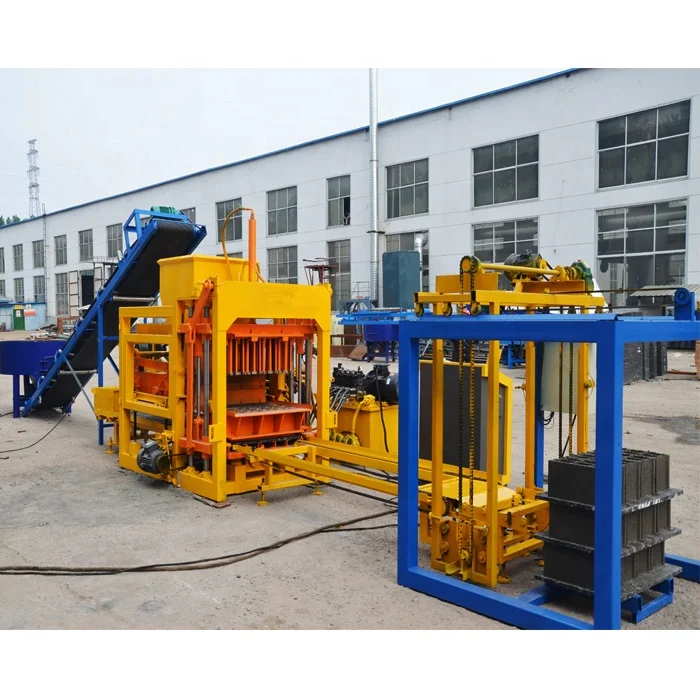
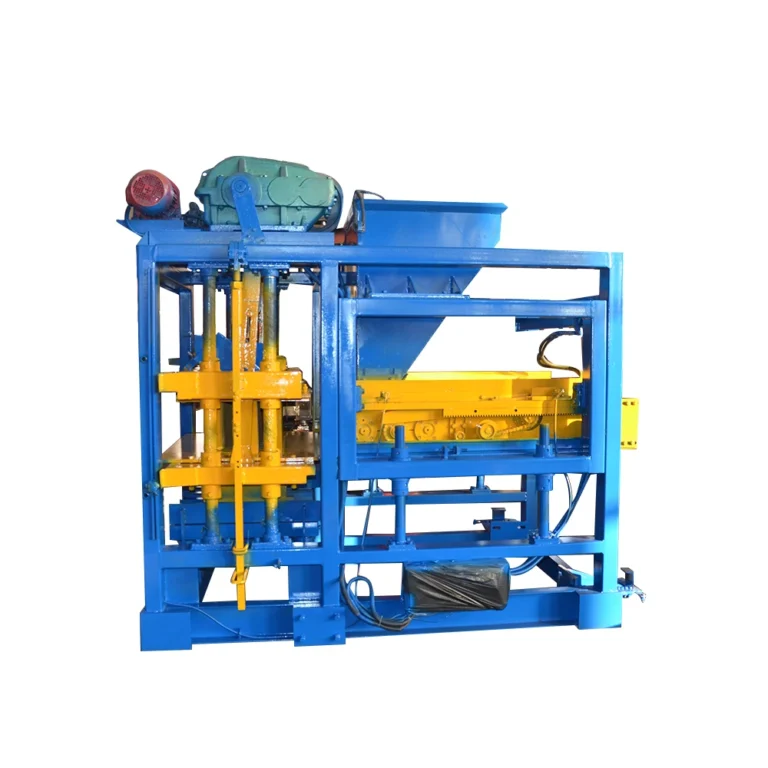
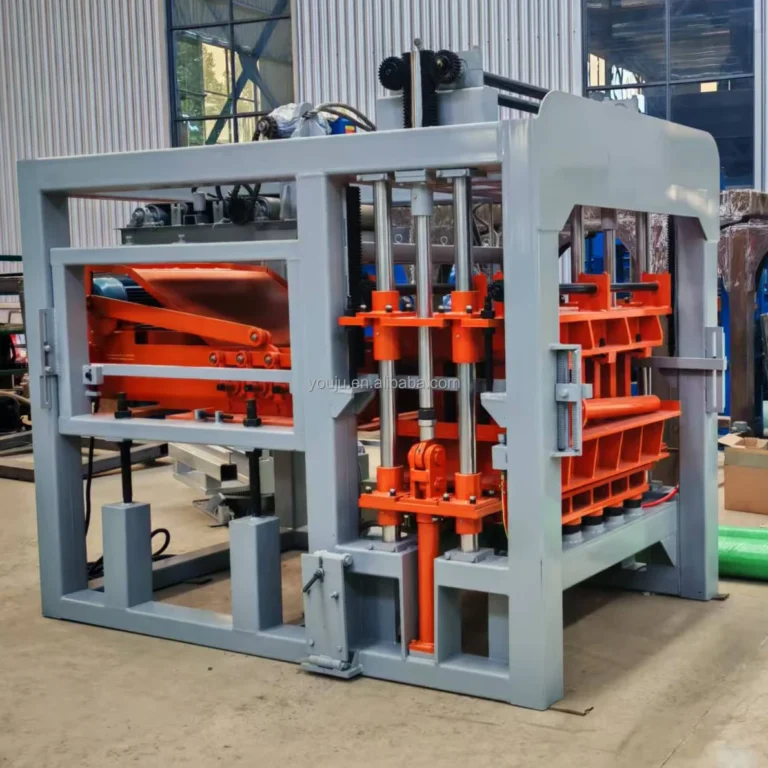
Technical Specifications
| Parameter |
Value |
| Model |
QTJ4-35 |
| Product Type |
Stationary Manual Block Making Machine |
| Moulding Formats |
390×190×190 mm (4 pcs/mould), 390×240×190 mm (3 pcs/mould), 390×120×190 mm (6 pcs/mould), 240×115×53 mm (21 pcs/mould) |
| Moulding Cycle |
35 s |
| Output Capacity |
3,200 pcs/day (basis not stated in source — format and material to be confirmed) |
| Vibration Form |
Platform Vibration |
| Vibration Force |
32 kN |
| Pallet Size |
850 x 450 mm |
| Overall Power |
9.7 kW (Host Machine) |
| Automation Level |
Manual |
| Raw Material Compatibility |
River sand, mechanism sand, gravel, crushed stone, slag, cinder, fly ash, perlite, shale |
Application Suitability
| Application |
Material or Output |
| Small-scale masonry supply |
Production of 390×190×190 mm hollow blocks using river sand and cement |
| Residential paving projects |
Manufacturing 240×115×53 mm solid bricks from crushed stone or slag |
| On-site contractor production |
Standalone operation or simple line setup using local aggregate and fly ash |
| Lightweight block manufacturing |
Utilization of perlite, shale, or pumice stone for non-load-bearing formats |
Why "Daily Output" Figures Are Often Misleading for Manual Machines
A cycle time of 35 seconds is a mechanical constant, but daily output is a function of your material handling and feeding speed.
In my experience working with manual block plants, many buyers assume that the maximum theoretical cycles per hour will translate directly to their daily production tally. With a stationary block making machine for sale in this tier, the limiting factor is rarely the vibration motor or the host machine itself; it is almost always the speed at which the operator can feed the mould and move the pallets. If your local aggregate requires a specific moisture content to demould cleanly, or if your site layout forces manual pallet transport over long distances, your actual throughput will diverge from the catalogue figures. [NEED_CITE: impact of manual feeding logistics on block machine throughput]

Defining the Entry Tier of the Stationary Range
The QTJ4-35 represents the foundational layer of our stationary equipment lineup. For a buyer surveying options, this model is designed for operations where capital investment is limited but a consistent block format is required. It provides a stationary block making machine for sale that focuses on mechanical simplicity, allowing for maintenance in workshops with limited technical infrastructure.
Scaling from Standalone to Simple Line Configuration
A primary advantage of this tier is the ability to scale the plant footprint. While the host machine operates independently, it is frequently configured with a 6 m belt conveyor and a small pan mixer to create a continuous flow. This setup reduces the physical strain on operators and ensures a more consistent mix supply, which is essential for maintaining block density when using variable local materials. [NEED_CITE: typical block plant layout evolution from manual to semi-automatic]
Understanding Vibration and Platform Mechanics
In manual stationary machines, the platform vibration at 32 kN is calibrated for smaller-format moulds and standard concrete mixes. Unlike hydraulic systems that rely on immense pressure, this machine uses high-frequency vibration to settle the aggregate into the mould box. The 35-second cycle allows the vibration to compact the mix effectively, provided the pallet is seated correctly. The 850 x 450 mm pallet size is a standard industry dimension, chosen to balance the weight of a full mould of wet blocks with the ability of one operator to handle it manually.
The Cost of Ignoring Raw Material Compatibility
Buying a machine without verifying how it handles your specific sand source is a common error. I recall a project where a client used high-silt river sand in a manual machine not calibrated for that stickiness; the result was blocks that crumbled upon demoulding. The QTJ4-35 is compatible with a wide range of materials, from fly ash to crushed stone, but the vibration force must be respected. If the mix is too dry, the 32 kN force will not consolidate it; too wet, and the block will slump.
Why We Focus on System Matching
- Single-focus engineering: We treat the machine, mould, and pallet as one matched system rather than separate components, ensuring the 32 kN vibration is effective for the specific mould formats you choose.
- Configuration against local reality: Our proposals are based on your local aggregate and mix design, avoiding the common issue where a stationary block making machine for sale arrives configured for a material you cannot source.
- Upgrade clarity: We provide clear paths from this manual tier to semi-automatic lines, ensuring your initial investment in pallets and mixers remains compatible as you expand capacity.
Documentation & Verification
- Line layout and capacity calculation stating the block format assumed for your specific target output.
- Mould drawing and format list supplied with the quotation to verify market fit before production.
- Factory test record using a simulated mix design to confirm vibration and cycle performance.
- Voltage and control language confirmation sheet to prevent commissioning delays at the site.
- Operation and maintenance manual specific to the manual host and any auxiliary mixer/conveyor.
Installation, Commissioning & Support
- Foundation requirements: A level concrete pad is essential for the 2050 x 1660 mm footprint to ensure platform vibration is not dampened by uneven ground.
- Power supply: Confirmation of local voltage and frequency for the 9.7 kW host and any 5.5 kW mixer motors to avoid rewiring on arrival.
- First-run calibration: On-site adjustment of the vibration duration and amplitude to match the buyer’s specific aggregate density.
- Mould change training: Instruction on manual mould replacement to ensure operators can switch between hollow and solid formats safely.
- Wear parts planning: Provision of a specific list for platform springs and mould liners based on the abrasiveness of the local stone.
Request a Configuration Proposal
To provide an accurate assessment for this stationary block making machine for sale, please share your target block format, the type of local sand or aggregate available, and the daily production goal. We also require your site’s voltage and frequency specifications to ensure the electrical components are matched to your local grid.
Frequently Asked Questions
Q: How is the 3,200 pcs/day capacity calculated and which block format does it assume?
A: The 3,200 pcs/day figure is a general reference for this tier of manual machine, typically assuming a standard hollow block format and an optimized 8-hour shift with a dedicated feeding crew. Real-world output varies significantly based on the operator’s speed in moving pallets and the complexity of the mould format being used. We provide a capacity calculation based on your specific block choice in our proposal.
Q: What voltage and frequency options are available for the target market?
A: The QTJ4-35 motors are configurable to match most industrial voltage and frequency standards globally, such as 380V/50Hz or 440V/60Hz. It is vital to confirm your local supply before production begins, as changing a motor after arrival can cause significant delays in commissioning and initial production runs.
Q: How does the QTJ4-35 fit within the full machine range and when should a buyer move to semi-automatic?
A: This model sits at the entry tier of our stationary range, designed for startups or site-specific contractor use. If your labor costs are high or your target daily output consistently exceeds the physical capacity of manual pallet handling, we recommend reviewing our semi-automatic tier, which introduces automatic pallet feeding and stacking systems.
Q: Which mould formats are included and can custom moulds be ordered to buyer drawings?
A: The standard range includes common hollow block and solid brick sizes like 390×190×190 mm and 240×115×53 mm. We also manufacture custom moulds based on buyer-provided drawings or specific market requirements, ensuring the vibration force and mould weight remain balanced for the host machine’s platform.

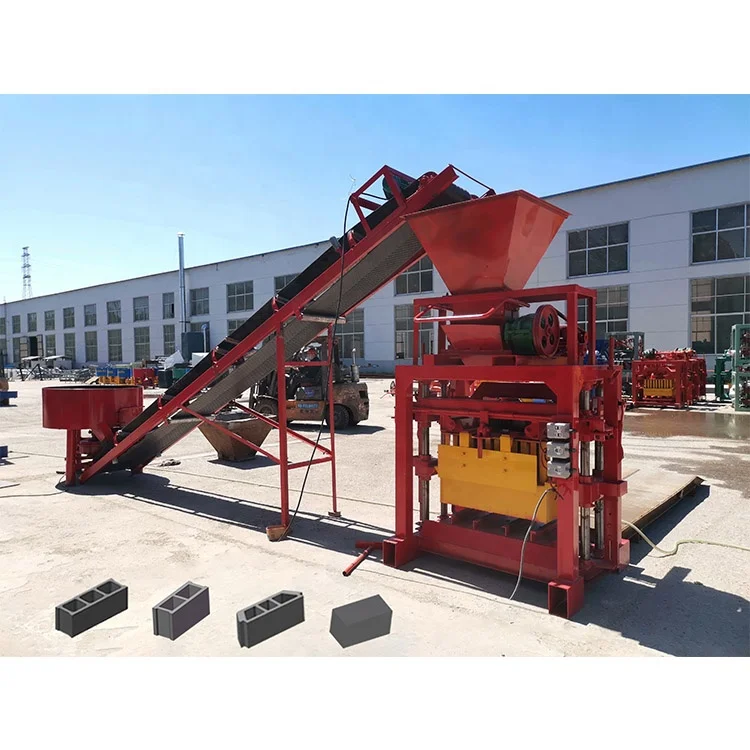
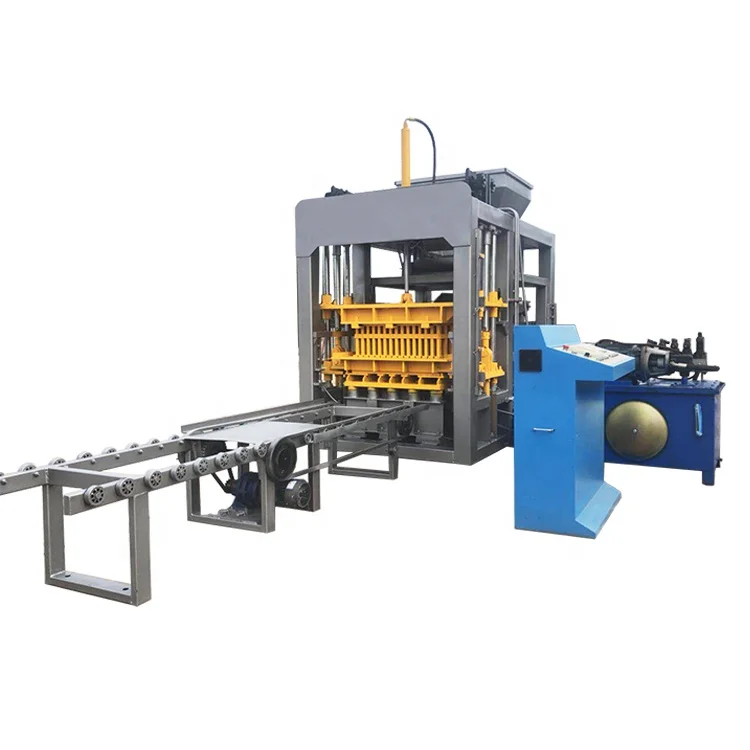 Stationary block machine