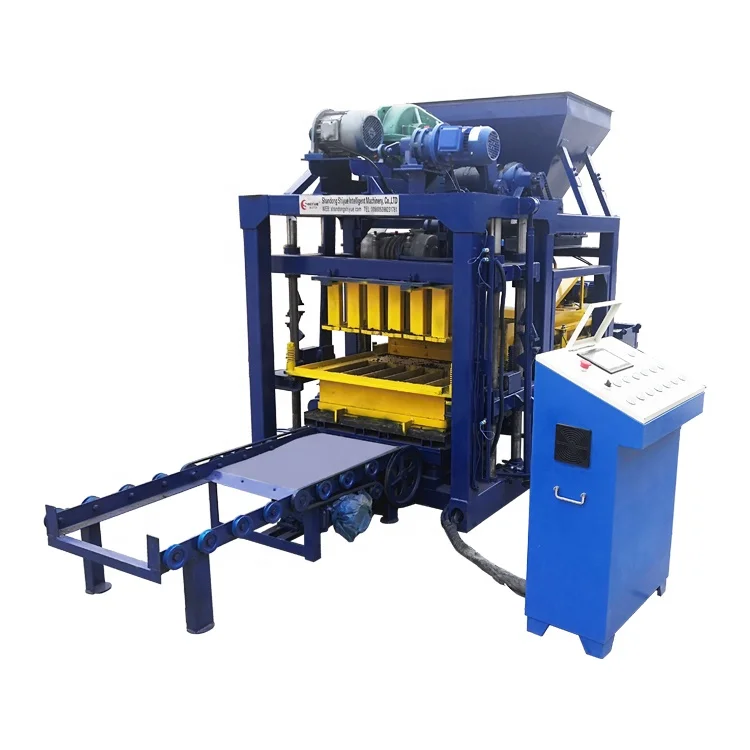
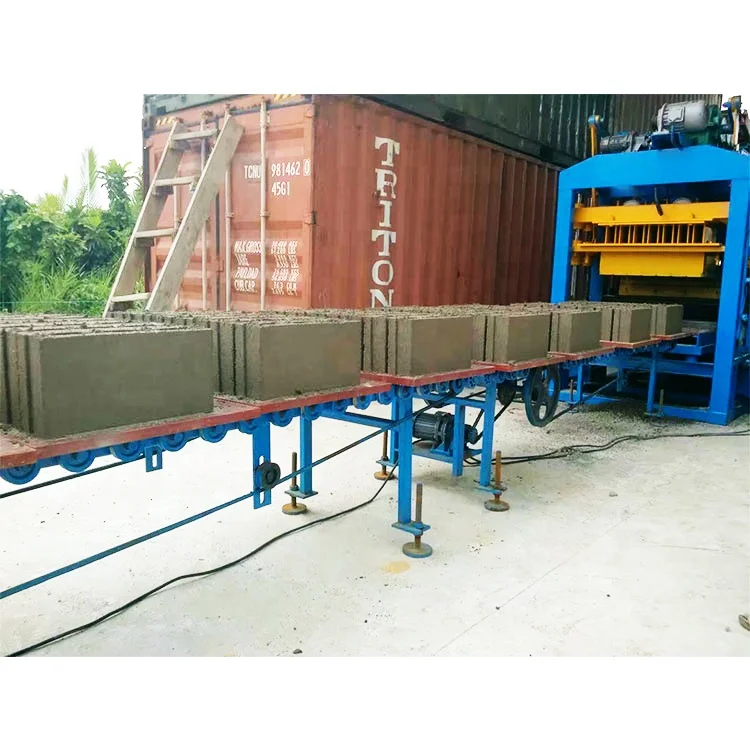
Matched System Specification — Every QTJ4-25 block machine ships with pallet dimensions, mould format, and vibration force aligned to your specific aggregate and target block density, not pulled from a generic catalog.
Technical Specifications
| Parameter |
Value |
| Model |
QTJ4-25 |
| Product Type |
Semi-Automatic Concrete Block Making Machine |
| Overall Dimensions (L×W×H) |
6400×1500×2700 mm |
| Molding Cycle |
25 s |
| Vibration Frequency |
2800–5100 r/min |
| Vibration Force (Exciting Power) |
60 KN |
| Rated Power |
17.9 kW |
| Mixer Model |
JQ350 |
| Pallet Size |
850×550×20 mm |
| Net Weight |
2500 kg |
| Applied Products |
Concrete hollow blocks (8 inch, 6 inch), solid bricks |
| Raw Materials |
Crushed stones, sand, cement, dust, fly ash |
| Output Capacity |
480 pcs/hr (basis: 390×190×190 mm hollow block, 4 pcs/mould) |
| Output Capacity |
600 pcs/hr (basis: 400×150×200 mm hollow block, 5 pcs/mould) |
| Output Capacity |
2100 pcs/hr (basis: 240×115×53 mm solid brick, 18 pcs/mould) |
| Automation Level |
Semi-automatic |
| Key Features |
Hydraulic station equipped, supported mould change for hollow, solid, paver, and curbstone formats |
Application Suitability
| Application |
Material or Output |
| Small to medium-scale block production plants |
Hollow block production from crushed stone, sand, and cement |
| On-site block production for housing projects |
Solid brick production using local aggregates and fly ash |
| Building material distributors expanding product range |
Paving block and kerbstone formats with custom mould integration |
| Entrepreneurs setting up a first block plant |
Semi-automatic operation with manageable investment and upgrade path |
Why "Output per Hour" Needs a Mould Dimension Attached
A capacity figure without a block format attached tells you nothing about your actual daily production.
I once watched a buyer receive a machine rated for a specific cycle time, only to discover the number assumed a small solid brick while his market demanded 8-inch hollow blocks. His real hourly output dropped to less than half the quoted figure. The QTJ4-25 block machine manufacturer listing you are reading solves this by tying every capacity claim to a specific mould and block dimension: 480 pieces per hour assumes a 390×190×190 mm hollow block at 4 pieces per mould, while 2100 pieces per hour assumes a 240×115×53 mm solid brick at 18 pieces per mould [NEED_CITE: block format and cycle time relationship in concrete block production]. When you compare semi-automatic block making machine for sale options, always ask which block format the capacity figure assumes.

Placing the QTJ4-25 Within the Machine Range
The QTJ4-25 occupies the semi-automatic tier, designed for buyers who need reliable daily output without the capital commitment of a fully automatic line. Its 6400 mm length and 2500 kg weight reflect a machine built for stable operation on a prepared concrete foundation rather than a permanent plant structure. For a first-time block producer or a contractor needing on-site production, this tier removes the complexity of automatic stacking and cubing systems while still delivering consistent block density through hydraulic pressure and controlled vibration.
Where Semi-Automatic Operation Makes Sense
Buyers running smaller plants or producing blocks directly on construction sites benefit from the semi-automatic configuration because it reduces the number of subsystems that require maintenance and operator training. The JQ350 mixer feeds material into the press at a rate matched to the 25-second molding cycle, preventing bottlenecks at the hopper. Manual pallet handling at this tier keeps the initial investment contained, and the machine supports a future upgrade path to automatic pallet feeding and stacking when production volume justifies the additional equipment [NEED_CITE: semi-automatic to automatic upgrade considerations in block production].
Vibration Force, Hydraulic Pressure, and Block Density
The 60 KN vibration force operating at 2800–5100 r/min works in combination with the hydraulic station to compact the concrete mix into a dense, structurally sound block. Bed mould vertical vibration settles the aggregate particles while upper mould compression vibration eliminates voids near the block surface. This dual-action approach matters because vibration frequency alone does not guarantee block strength — the hydraulic pressure must match the specific mix design and local aggregate characteristics. A mix with high clay content in the sand, for example, requires different vibration settings than clean crushed stone, and the QTJ4-25 adjustable vibration frequency range accommodates both scenarios. The 850×550×20 mm pallet size is specified to align with standard curing rack dimensions and forklift capacity at small to medium plants.
The Cost of Configuring for the Wrong Mix Design
When a machine is configured for a concrete mix the buyer cannot source locally, the result is either weak blocks that fail compression tests or excessive wear on moulds and vibration components. I have seen buyers forced to import specific aggregate grades because their machine was calibrated for material unavailable in their region, adding substantial ongoing cost to every production run. The vibration force and hydraulic pressure must be matched to your actual raw materials before the machine leaves the factory, not adjusted empirically after arrival when production delays have already accumulated [NEED_CITE: impact of aggregate variation on block machine performance].
Why Procurement Through a Single-Focus Manufacturer Matters
Block machinery is the only product category here, which means the press, mould, pallet, and handling equipment are specified as one matched system rather than assembled from separate suppliers who may not coordinate cycle times and dimensions. The mould design covers the formats your market actually sells — hollow block, solid brick, paver, and curbstone — with custom drawings available when standard formats do not match local demand. Every QTJ4-25 semi-automatic block making machine for sale configuration is set against the buyer’s actual mix design and target block format, not a default catalog setting. Installation support includes operator training so your team understands mould change procedures, vibration adjustment, and daily maintenance from the first production shift.
Documentation & Verification
- Line layout showing block format assumed in capacity calculation for the QTJ4-25
- Machine specification sheet confirming vibration force and pallet size against your mix
- Mould drawing and format list for hollow, solid, paver, and curbstone production
- Hydraulic and electrical schematic for the semi-automatic station configuration
- Voltage and control language confirmation document signed before production begins
- Factory test record demonstrating cycle time and block density on your specified format
Installation, Commissioning & Support
- Foundation preparation for 6400×1500 mm footprint with level tolerance for the 2500 kg machine
- Dedicated power circuit matching rated 17.9 kW draw with confirmed voltage and frequency
- Hydraulic station commissioning with pressure setting adjusted to your aggregate and mix design
- Mould change procedure training covering hollow to solid format transition on the QTJ4-25
- Vibration frequency calibration across the 2800–5100 r/min range for your specific block density target
- Wear parts and mould replacement schedule provided with first shipment documentation
What to Share Before Requesting a Quotation
Provide your target block format and dimensions, the daily output you need based on an 8-hour shift, and samples or specifications of your local aggregate including sand, crushed stone, and any fly ash content. Confirm your site voltage and frequency, the PLC display language your operators require, and the curing area dimensions so pallet size can be matched to your existing handling equipment. If you are replacing an existing machine, share the current mould format and any cycle time issues you are experiencing.
Frequently Asked Questions
Q: How is output capacity verified, and which block format does each number assume?
A: Every capacity figure is tied to a specific mould and block dimension. The 480 pieces per hour figure assumes a 390×190×190 mm hollow block at 4 pieces per mould, while 2100 pieces per hour assumes a 240×115×53 mm solid brick at 18 pieces per mould. This ensures your real daily output matches expectations when you calculate based on the format your market actually purchases.
Q: Where does the QTJ4-25 sit in the full machine range, and when should I step up?
A: The QTJ4-25 occupies the semi-automatic tier, suited for first-time plants and on-site production. Consider stepping to an automatic tier when daily volume demands exceed what manual pallet handling can sustain, or when labour cost makes automatic stacking and cubing financially justified for your operation.
Q: What voltage, frequency, and control language options are confirmed before shipment?
A: Voltage and frequency are confirmed against your site electrical supply before production begins, and the control display language is specified to match your operator team. This confirmation step prevents commissioning delays that occur when equipment arrives configured for a different regional standard.
Q: Which mould formats are available, and how long does a mould change take?
A: The QTJ4-25 supports hollow block, solid brick, paver, and curbstone formats with custom mould design available to buyer drawings. Mould change time depends on operator familiarity and whether the machine was specified with a quick-change system during initial configuration.
Q: What supporting equipment is included, and what can I source locally?
A: The JQ350 mixer and pallets sized at 850×550×20 mm are part of the matched system. Pallet handling trolleys and curing racks can often be sourced locally if dimensions are confirmed early, reducing shipping volume while ensuring compatibility with the press cycle time.

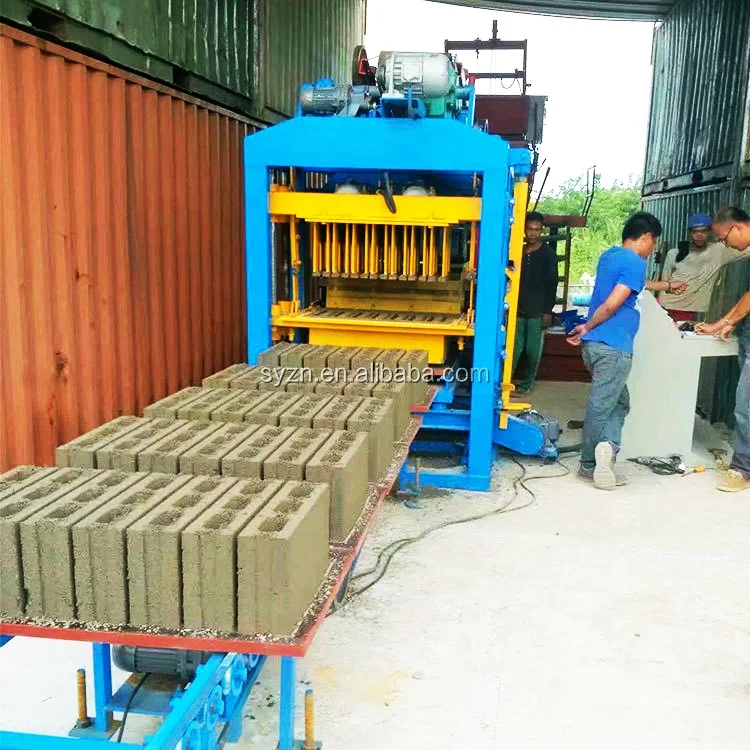
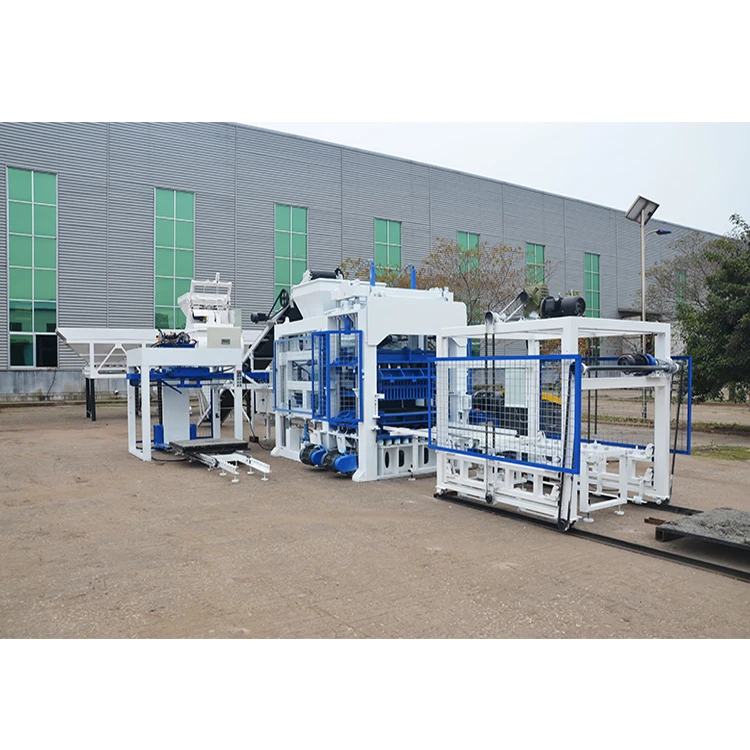 High quality block machine