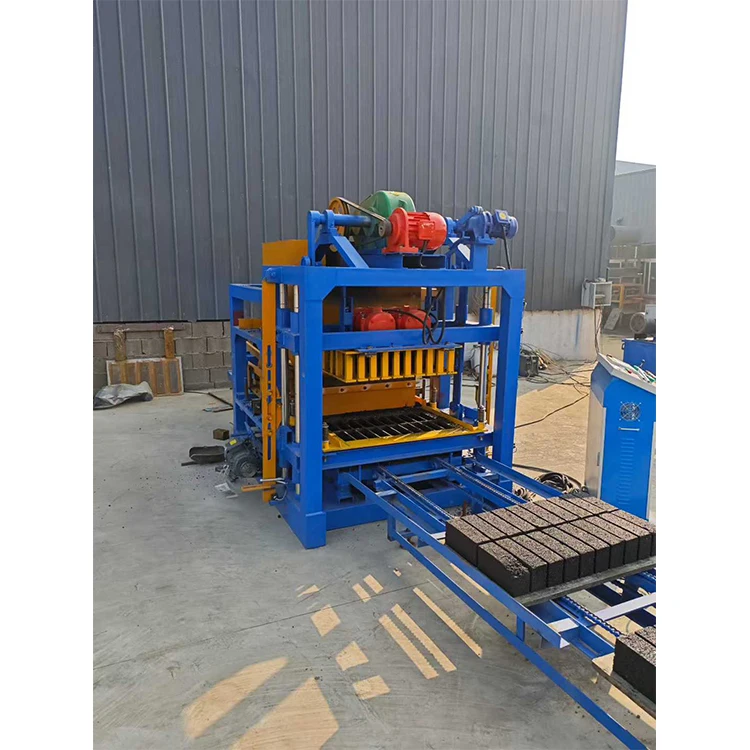
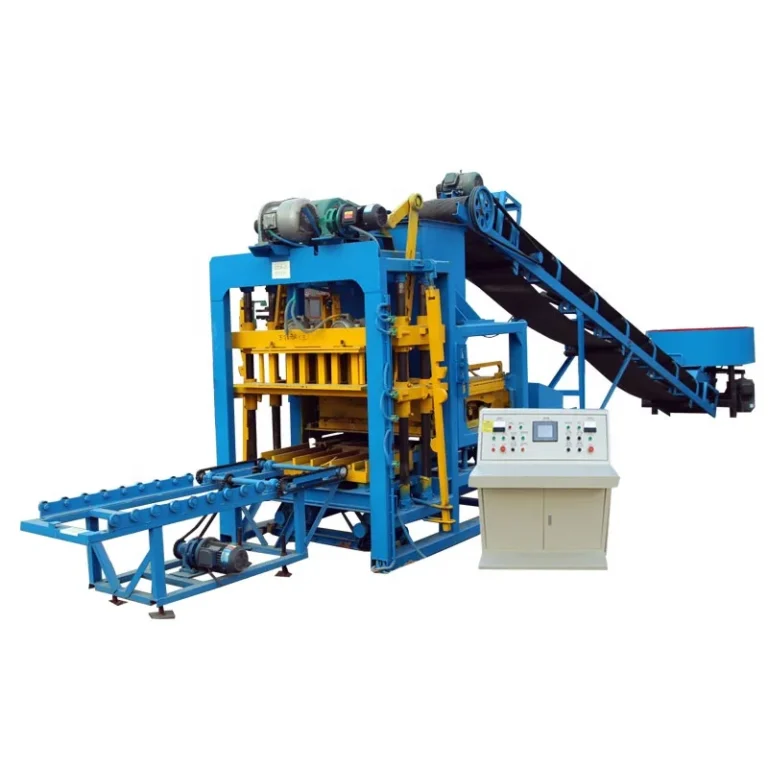
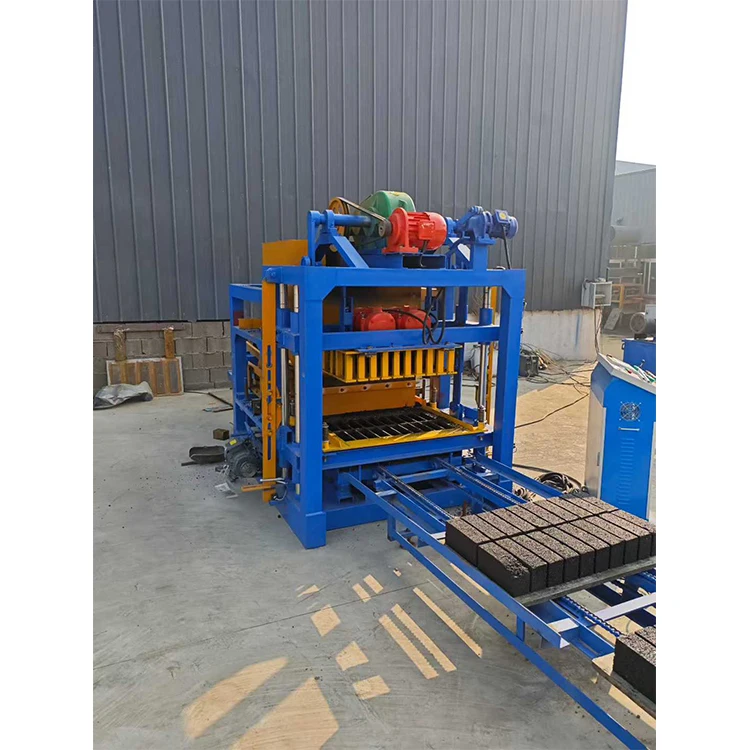
Matched system design — the QTJ4-24 semi-automatic block machine is specified alongside its moulds, pallets, and handling gear so every component works as one coordinated line rather than a collection of mismatched parts.
Technical Specifications
| Parameter |
Value |
| Product Type |
Semi-Automatic Concrete Block Making Machine |
| Model |
QTJ4-24 |
| Overall Dimensions (L×W×H) |
2060×1730×2580 mm |
| Main Vibration Form |
Platform vibration |
| Vibration Frequency |
4200 r/min |
| Exciting Force |
35.5 kN |
| Rated Pressure |
15 MPa |
| Molding Cycle |
26 s (basis not stated in source — confirm block format / material / thickness) |
| Pallet Size |
880×480×38 mm |
| Total Power |
14.25 kW |
| Control Technology |
Frequency converting control |
| Mould System |
Exchangeable moulds |
| Voltage & Frequency |
380V / 3-phase / 50Hz (customizable to local voltage) |
| Warranty |
1 year (excluding wearing parts) |
Application Suitability
| Application |
Material or Output |
| Hollow block production for low-rise masonry |
Cement, crushed stone, sand, and water mix |
| Solid block manufacturing for load-bearing walls |
Dense aggregate blends with standard cement ratios |
| Interlocking paver runs for walkways and yards |
Fine aggregate with pigment additives |
| On-site production for construction contractors |
Locally sourced gravel and river sand |
| Small workshop block supply |
Crusher dust and quarry waste with cement binder |
What a 26-Second Cycle Actually Means for Your Daily Output
Cycle time only matters when tied to the block format it was measured on.
A semi-automatic block machine for sale often gets advertised with a single molding cycle number, yet that figure may have been recorded on a thin paver rather than the 200 mm hollow block you plan to run all year. I have watched buyers receive their equipment and immediately wonder why the daily tally sits well below the brochure promise. The gap almost always traces back to a cycle quoted without naming the format. [NEED_CITE: block machine capacity claims and format assumptions in export machinery trade]

Where the QTJ4-24 Sits Across the Full Output Range
The QTJ4-24 occupies the entry tier in a line that extends upward through higher-capacity automatic presses. Buyers surveying options for a first plant or a replacement unit can use this model as a baseline to understand what each tier offers in terms of floor space, capital outlay, and labour requirement. Choosing a starting position on the range lets you plan an eventual move to more automated tiers without replacing the entire line. The semi-automatic block machine for sale here is positioned so that pallet handling and stacking remain manual at this tier, keeping the initial investment contained.
How Automation Tiers Scale From This Starting Point
Moving up from the QTJ4-24 means adding automatic pallet feeding, stacking, and eventually cubing stations around the press. Each tier removes a manual task from the operator and introduces more consistent batch-to-batch output. Buyers who begin at this semi-automatic level can later integrate those stations without discarding the core press, provided the foundation and utility layout were planned with expansion in mind. [NEED_CITE: semi-automatic to automatic block plant upgrade paths in small-scale production]
Platform Vibration, Pressure, and What They Mean for Block Density
The platform vibration system operates at 4200 r/min with an exciting force of 35.5 kN, while the hydraulic circuit delivers a rated pressure of 15 MPa. Together these two figures govern how tightly the aggregate compacts inside the mould cavity. A higher vibration frequency alone does not guarantee a stronger block if the hydraulic pressure is too low to consolidate the mix, and vice versa. The 880×480×38 mm pallet must also be matched to your curing rack spacing and forklift tine width so that wet blocks move smoothly from press to yard without damage. Frequency converting control across the motors allows the operator to adjust vibration intensity when switching between a fine sand mix for pavers and a coarser aggregate blend for hollow blocks.
When a Quoted Capacity Collapses on Arrival
Choosing the wrong pallet size means your existing curing racks cannot accept the output, forcing you to rebuild the yard or handle blocks by hand on the floor. I have seen production stalls where the forklift tines did not match the pallet dimensions, leaving fresh blocks sitting on the press for far too long and cracking before they reached the curing area. Voltage and control language mismatches add further delays, sometimes weeks, before the machine can even run its first test cycle. [NEED_CITE: common commissioning delays in exported concrete block equipment]
Why Sourcing the Press and Its Line Together Matters
Specifying the QTJ4-24 as a single package with its moulds, pallets, and handling equipment means the cycle time of each station has been checked against the others so the press is never left idle. Mould design is based on the block formats your local market actually buys, not a catalogue default, and custom drawings are available. The automation level is selectable, so you can begin with manual pallet handling and add automatic stacking later. Installation support includes operator training on your specific mix design and local aggregate. Configuration is set against the raw materials you can actually source, avoiding the costly material substitutions that occur when a machine arrives tuned for a mix you cannot find locally.
Documentation & Verification
- Line layout and capacity calculation stating the block format assumed for the quoted cycle time
- Machine specification sheet with vibration force and hydraulic pressure matched to your mix design
- Mould drawing and format list showing every block type the QTJ4-24 can produce
- Voltage, frequency, and control language confirmation recorded before production begins
- Factory test record on your target block format before dispatch
Installation, Commissioning & Support
- Foundation plan sized to the 2060×1730 mm footprint and dynamic load of platform vibration
- Dedicated 3-phase circuit matched to the 14.25 kW total power draw and your local voltage
- Fully assembled shipping with on-site placement and first-cycle parameter setup
- Mould change procedure trained on your exchangeable mould set for minimal format switch time
- Wear parts and mould replenishment list provided so replacements are available from the first run
- Frequency converting control calibration for your specific aggregate and cement blend
Preparing Your Inquiry
Share the block formats your market demands, the daily output you need, and the raw materials available at your site so we can size the QTJ4-24 and its mould set accurately. Confirm your local voltage, frequency, and preferred control display language early to avoid commissioning delays. If you have existing curing racks or forklifts, provide their dimensions so the pallet specification aligns from the start.
Frequently Asked Questions
Q: How is the 26-second molding cycle verified, and which block format does it assume?
A: The 26-second cycle is listed in the specification sheet, but the source does not state which block format it was measured on. We verify it against your target block — size, wall thickness, and aggregate mix — before finalising the quotation, so the daily output figure you plan against is realistic for your actual product.
Q: What output tiers are available, and where does the QTJ4-24 sit in the full range?
A: The range spans from small workshop volume through to high-capacity automatic lines. The QTJ4-24 sits in the entry semi-automatic tier, suited to entrepreneurs and contractors who want a contained initial investment with the option to add automation stations later as production demand grows.
Q: Can I start semi-automatic and upgrade to a higher automation level later?
A: Yes. The QTJ4-24 can begin with manual pallet handling and later accept automatic pallet feeding, stacking, and cubing modules. Planning the foundation and utility layout for future expansion during initial installation makes the transition smoother when you decide to scale.
Q: What voltage and frequency options are available for my local power supply?
A: The standard configuration is 380V, 3-phase, 50Hz, but voltage and frequency are customizable to match your local grid. We confirm the exact supply specification and control display language before production starts, so the machine is ready to run on arrival.
Q: How do I confirm pallet size compatibility with my existing curing racks and forklift?
A: The standard pallet measures 880×480×38 mm. Share your curing rack shelf width and forklift tine spacing with us during the inquiry stage so we can confirm fit or adjust the pallet specification before the machine enters production.

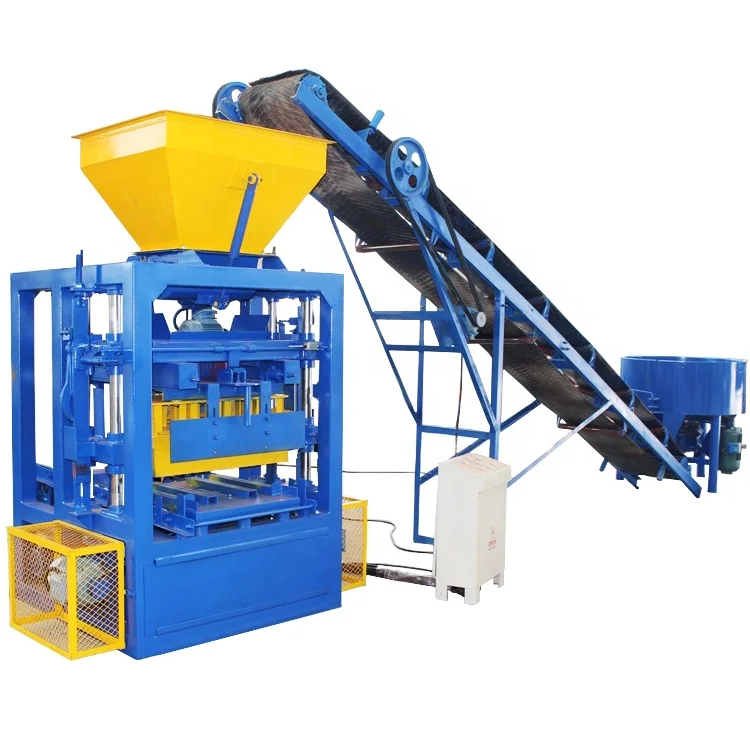
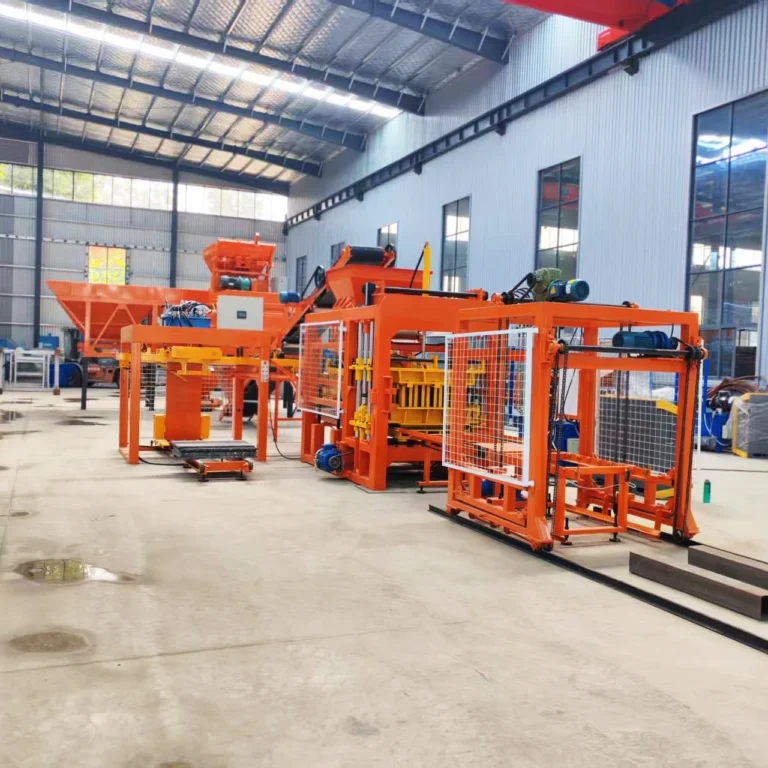 Automatic block machine