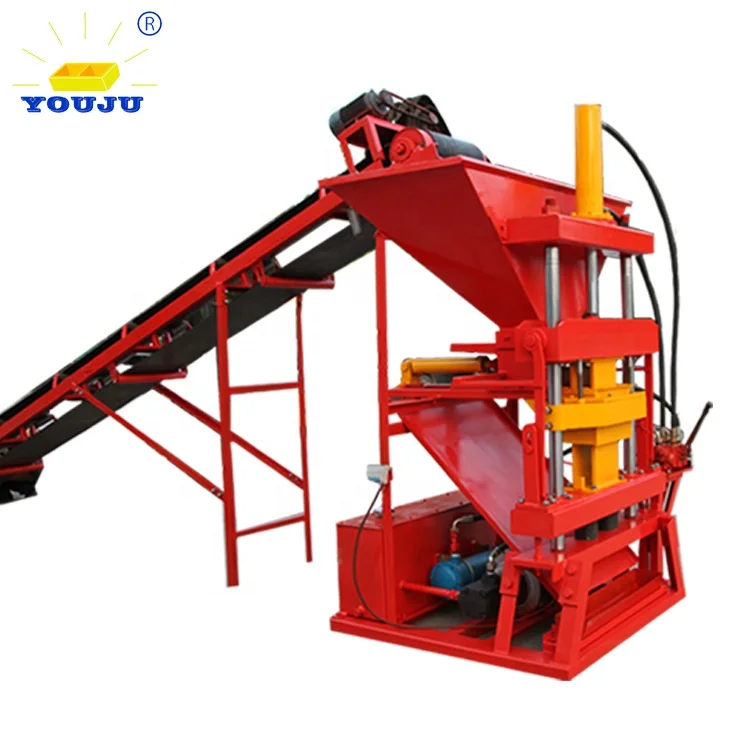
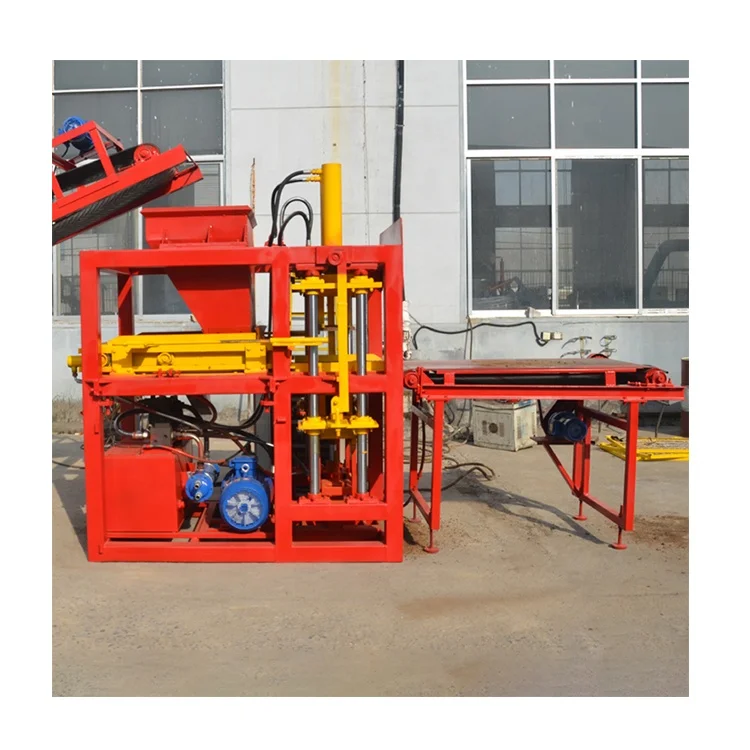
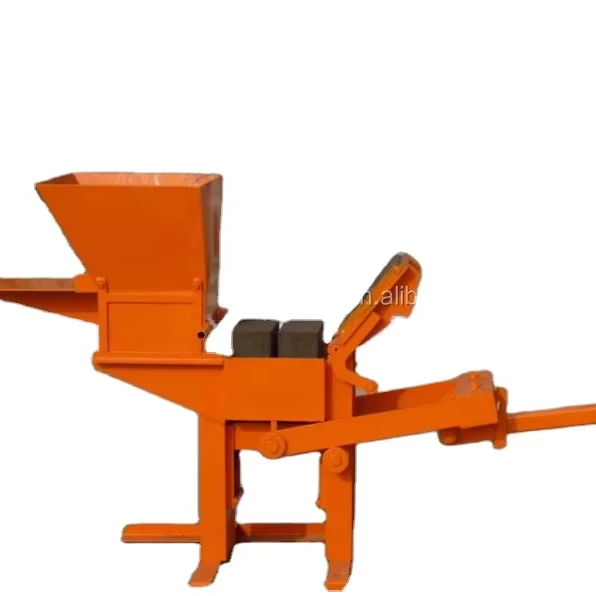
Matched System Design — machine, mould and pallet specified as one coordinated unit, with the LY4-10 configured around your target interlocking brick format rather than a generic catalogue default.
Technical Specifications
| Parameter |
Value |
| Model |
LY4-10 |
| Product Type |
Interlocking Clay Brick Making Machine |
| Machine Power |
11 kW |
| Hydraulic Pressure |
16 MPa |
| Molding Cycle |
10–15 s |
| Output Capacity |
14,400 pcs/day (basis: 300×150×100 mm interlocking brick, 4 pcs/mould, shift length to be confirmed) |
| Production Rate |
1,440 pcs/hour (basis: 300×150×100 mm interlocking brick, 4 pcs/mould) |
| Pieces per Mould |
4 (300×150×100 mm format) |
| Raw Materials |
Laterite, yellow or red soil, sand, cement, water |
| Mix Option 1 |
Cement-stabilized clay: water 3%, cement 6–8%, clay 80–90% |
| Mix Option 2 |
Full clay: water 3%, clay 90–95% |
| Machine Weight |
1,600 kg |
| Overall Dimensions (L×W×H) |
2,260 × 1,500 × 2,380 mm |
| Workers Required |
1–2 |
| Automation Level |
Automatic (material feeding, mould pressing, mould lifting) |
| Standards |
CE, ISO 9001 (company level) |
Application Suitability
| Application |
Material or Output |
| Low-cost housing wall construction |
Cement-stabilized interlocking bricks from laterite and red soil |
| Community building projects |
Full-clay interlocking bricks using local yellow or red earth |
| On-site contractor production |
Interlocking bricks formed directly at the building location to cut transport damage |
| Building material distributors |
Clay interlocking format added alongside existing concrete block lines |
| Small-yard brick enterprises |
Compact 2.26 × 1.5 m footprint for limited site conditions |
What "14,400 Pieces per Day" Actually Means for Your Interlocking Brick
The output figure only holds true when the brick format, mould cavity count and shift hours are all stated together — without those three, the number is meaningless.
Most interlocking clay brick machine manufacturers quote a daily capacity tied to a single ideal format and leave the shift assumption hidden. When a buyer arrives on site and switches to the brick profile their local market actually demands, the cycle time shifts and daily volume drops accordingly. [NEED_CITE: common gap between quoted and actual block machine output across export markets]. An interlocking clay brick machine manufacturer worth engaging will publish the cycle time and output tied to one named format and shift length, then help you recalculate for whichever profile your buyers purchase most. The LY4-10 produces 1,440 pieces per hour specifically on the 300×150×100 mm interlocking brick with a 4-cavity mould; any other profile changes that equation.

Where the LY4-10 Sits in the Block Machine Range
This machine occupies the mid-tier for interlocking clay brick production. Below it, manual egg-layers suit very small operations but demand constant operator timing and produce lower-density bricks. Above it, fully automatic hydraulic lines handle high-volume concrete and clay formats with integrated stacking and cubing. The LY4-10 targets buyers who have outgrown hand-fed machines and need consistent hydraulic pressing without the capital and floor space of a large automatic plant. As an interlocking clay brick machine manufacturer covering the full range, we help you decide whether this tier matches your volume and investment level or whether a neighbouring model fits better.
Automation Level and the Operator’s Role
The LY4-10 automates three core actions: material feeding into the mould box, hydraulic pressing at 16 MPa, and mould lifting after each cycle. [NEED_CITE: operator skill requirements across semi-automatic versus automatic block machine tiers]. What remains manual on this configuration is pallet handling and brick stacking after the press releases the formed unit. For a small-yard operation producing interlocking clay bricks with one or two workers, this balance keeps the machine running steadily without demanding a full conveyor and stacker investment up front. The automation level can be revisited as your plant grows and daily volume justifies additional handling equipment around the press.
Reading the Numbers That Shape Your Output
Hydraulic pressure at 16 MPa directly controls how tightly the clay particles compress inside the mould cavity. Higher pressure produces denser bricks that resist cracking during drying and handling, which matters when you are working with laterite or red soil that has natural shrinkage tendencies. The 10–15 second molding cycle reflects the time the press holds pressure and completes one full stroke — shorter cycles within that window apply to drier mixes, while wetter full-clay mixes may need the longer end. Four cavities per mould on the 300×150×100 mm format define your pieces-per-stroke; switching to a larger or more complex interlocking profile reduces the cavity count and changes your hourly rate. The 11 kW motor drives both the hydraulic pump and material feed, keeping total power demand manageable for sites with limited supply capacity. Two documented mix routes — cement-stabilized at 6–8% cement and full clay at 90–95% clay — give you a path whether your local cement price makes stabilization expensive or whether pure earth bricks meet your building code requirements.
The Cost of Skipping Mix and Voltage Verification
Sending a clay interlocking brick machine to a site without confirming the local soil behaviour and electrical supply creates problems that surface only after the container is unpacked. We had a Nigerian buyer whose local red clay had higher plasticity than the standard test sample we used during factory trials; bricks cracked along the interlock ridges until we spent a full week adjusting pressure and moisture settings on site. [NEED_CITE: impact of local soil variation on clay brick press performance]. A similar issue arises when voltage and frequency are assumed rather than confirmed — a machine wired for one supply standard will not commission correctly in a country running a different grid specification, delaying production while components are reordered.
Why Source This Machine Here
Block machinery is our single focus, which means the LY4-10 press, its interlocking mould, pallet specification and handling setup are treated as one matched system rather than assembled from unrelated suppliers. Configuration starts from your actual mix design and local aggregate, not a catalogue default — we ask for soil samples before production to match hydraulic pressure and cycle time to what your yard will actually feed into the hopper. Mould design covers the interlocking profiles your market sells, including custom drawings when your buyers need a format outside the standard range. The mid-tier position of this machine means you can begin with automatic pressing now and move up to higher-capacity lines within the same range later, keeping familiarity with controls and maintenance procedures.
Documentation & Verification
- Line layout and capacity calculation stating the 300×150×100 mm format and assumed shift length
- Machine specification sheet confirming 16 MPa hydraulic pressure and 11 kW rating
- Mould drawing with interlocking profile dimensions and cavity count
- Factory test record run on your supplied soil sample before dispatch
- Voltage and control language confirmation sheet signed before production begins
Installation, Commissioning & Support
- Foundation pad sized to 2,260 × 1,500 mm footprint with level tolerance for the 1,600 kg machine weight
- Dedicated 11 kW circuit with voltage and frequency matched to your site grid specification
- Machine arrives partially assembled; press frame and hydraulic system require on-site joining
- First production run includes pressure and cycle adjustment to match your local clay mix behaviour
- Operator training covers mould change procedure, daily hydraulic fluid checks and feed rate tuning
- Wear parts list for hydraulic seals and mould liner with reorder quantities identified up front
What We Need to Size Your Configuration
Tell us the interlocking brick profile your local market buys most and the daily volume you need to supply it. Share the type of clay or laterite available near your site and whether you plan to add cement stabilization. Confirm your site voltage, frequency and the language your operators will read on the control panel so we match the electrical build and documentation before the machine enters production.
Frequently Asked Questions
Q: How is the 14,400 pcs/day figure calculated and which brick format does it assume?
A: That number comes from 1,440 pieces per hour on the 300×150×100 mm interlocking brick with four cavities per mould, multiplied across a ten-hour shift. Switching to a different interlocking profile changes the cavity count and cycle time, which shifts the daily total. We publish the capacity tied to one named format so you can recalculate for your actual product.
Q: Which tier of the block machine range fits my daily output and investment level?
A: The LY4-10 sits at the mid-tier, suited to buyers who need automatic hydraulic pressing but are not yet ready for a full-capacity line with integrated stacking. If your target output is lower, a semi-automatic model may fit; if higher, a larger press with pallet conveyors becomes the better choice. We map your volume to the tier before recommending a model.
Q: What is the difference between cement-stabilized and full-clay mix on this machine?
A: The cement-stabilized route uses 6–8% cement with 80–90% clay, producing bricks with higher early strength suited to structural walls. The full-clay route at 90–95% clay eliminates cement cost entirely, relying on the natural binding properties of laterite and red soil. Your local building code and cement price determine which route makes sense.
Q: What voltage and frequency does the LY4-10 require, and can it match my site supply?
A: The electrical specification is not fixed at the catalogue level — we confirm your site voltage and frequency before production so the motor, hydraulic pump and control panel are built for your grid. This avoids commissioning delays caused by mismatched electrical components after the machine arrives at your yard.
Q: Can I start with the LY4-10 and later move up to a higher-capacity automatic line?
A: Yes. The LY4-10 belongs to a range that extends from semi-automatic models through to fully automatic lines with pallet conveyors and stackers. Moving up within the same range keeps control systems and maintenance procedures familiar, and your existing interlocking moulds may carry over depending on the pallet size of the larger press.

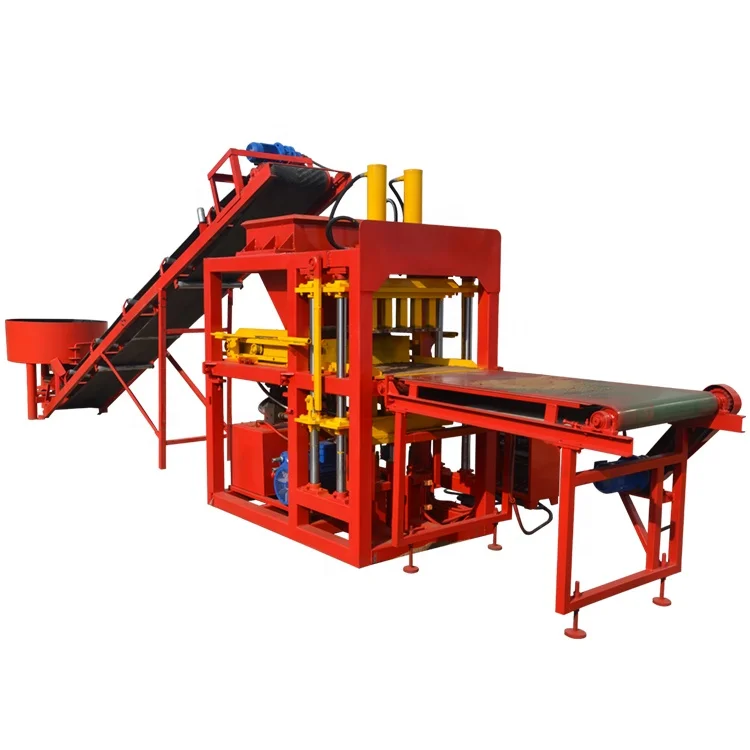
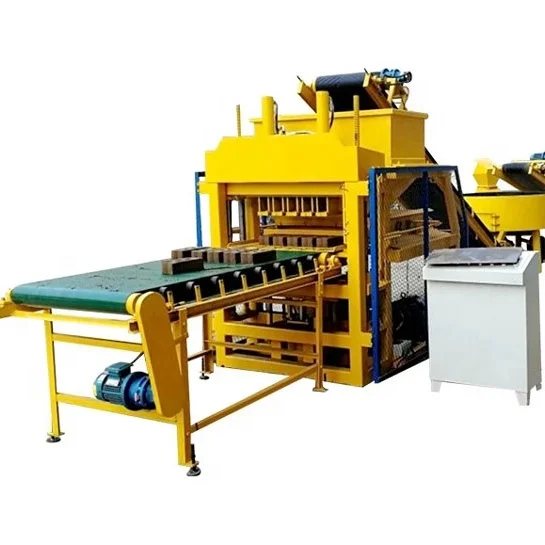 Clay interlocking brick