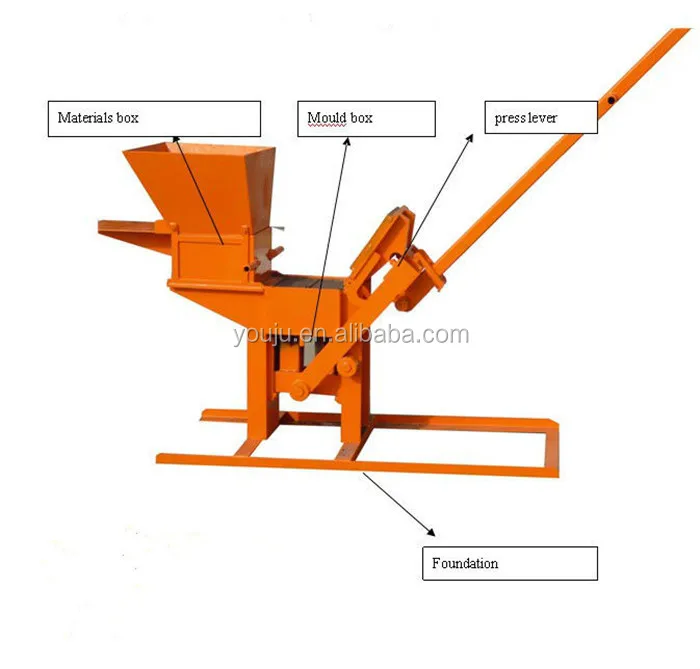
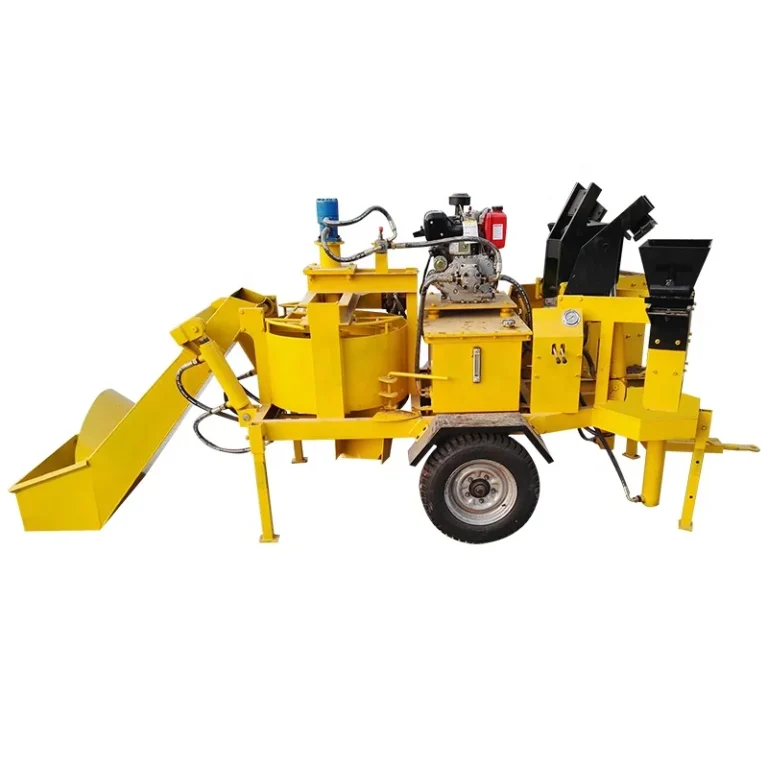
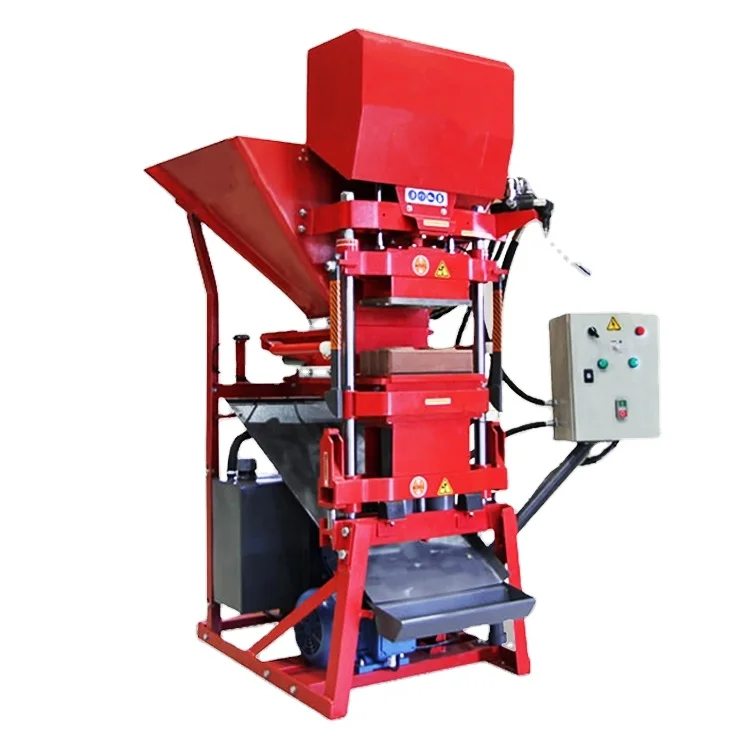
Configuration Matched to Buyer Reality — the LY4-10 is specified around the buyer’s actual interlocking brick format and local clay-cement mix, not a generic catalogue entry.
Technical Specifications
| Parameter |
Value |
| Model |
LY4-10 |
| Product Type |
Clay Interlocking Brick Making Machine |
| Rated Power |
11 kW |
| Hydraulic Pressure |
25–32 MPa |
| Moulding Cycle |
7–10 seconds (basis to be confirmed per brick format and material) |
| Output per Cycle |
4 pcs (basis to be confirmed per interlocking brick dimensions) |
| Machine Weight |
1500 kg |
| Overall Dimensions (L×W×H) |
2260 × 1500 × 2380 mm |
| Automation Level |
Fully automatic material feeding, mould pressing and lifting |
| Mould Format |
Interlocking clay / cement brick (exact dimensions to be confirmed) |
| Voltage |
Customizable to local voltage (exact value to be confirmed per buyer) |
| Control System |
To be confirmed (PLC or manual panel) |
| Warranty |
1 year (excluding wearing parts) |
Application Suitability
| Application |
Material or Output |
| Interlocking clay brick production for masonry walls |
Clay-cement mix with local aggregate |
| On-site block production for housing projects |
Interlocking cement brick from crushed stone and cement |
| Entry-level automatic plant for entrepreneurs |
Interlocking brick formats suited to regional building codes |
What "4 Pieces per Cycle" Actually Means for Your Daily Output
Cycle figures only matter when tied to the exact brick format you intend to sell.
Quoted output numbers on a clay interlocking brick machine manufacturer datasheet frequently omit which brick profile was assumed during testing. A 7–10 second moulding cycle might produce four standard interlocking bricks, but switch to a wider wall format or a thicker paver profile and that same cycle stretches. Buyers who plan their entire production schedule around a headline number often find daily throughput well below expectation once their specific mould is installed. I have seen contractors arrive at project sites confident in a quoted capacity, only to discover the machine needs a different rhythm for the interlocking format the local market actually demands [NEED_CITE: common discrepancies between quoted and actual block machine output by format].

Where the LY4-10 Sits Across the Full Machine Range
The LY4-10 occupies the compact automatic tier within the block machine lineup. Buyers stepping up from a semi-automatic or mobile egg-laying machine will find it delivers automatic material feeding, pressing and lifting without requiring the floor space of a high-capacity stationary plant. It suits entrepreneurs establishing a first interlocking brick plant or building contractors who need self-contained production on a housing project site. As a clay interlocking brick machine manufacturer option, it bridges the gap between manual pallet handling and fully integrated stacking lines.
How Automation Level Shapes Your Plant Layout
At this tier, the machine handles feeding, pressing and lifting automatically, but downstream pallet handling, stacking and curing remain separate decisions. A buyer might pair the LY4-10 with manual pallet transfer initially, then add automatic stacking later as volume grows. This selectable automation approach means the investment scales with the operation. The compact footprint of 2260 × 1500 × 2380 mm fits into smaller workshop bays, leaving room for a curing area without demanding a dedicated industrial building [NEED_CITE: typical block plant layout considerations for automatic tier machines].
Hydraulic Pressure and Moulding Cycle as Sizing Anchors
The 25–32 MPa hydraulic pressure range determines how densely the clay-cement mix is compacted during each press stroke. Higher pressure produces a stronger interlocking brick but demands a mix with enough cement content to hold the compressed form once released. The 7–10 second moulding cycle interacts directly with this pressure: a shorter cycle may not allow full compaction for a thicker brick, while a longer cycle reduces the hourly output that the quoted 4 pcs per cycle suggests. Matching pressure to the buyer’s local clay composition and target block strength is the engineering step that separates a working plant from a problematic one. The 11 kW rated power drives the hydraulic pump and vibration system together, so voltage stability at the site directly affects whether the machine reaches its designed pressure consistently across every cycle.
The Cost of Skipping Configuration Details
Ordering a clay interlocking brick machine without confirming which brick format the capacity figure assumes leads to a production line that cannot meet its contracted output. Voltage and frequency left unspecified mean the machine arrives with a motor wound for a different grid standard, delaying commissioning by weeks while a replacement is sourced. Mould dimensions not locked down in the quotation result in a profile that does not match the interlocking pattern builders in the buyer’s market expect, forcing a costly re-order before the first brick is sold [NEED_CITE: delays caused by unconfirmed voltage and mould specifications in machinery exports].
Why Sourcing Through a Focused Block Machinery Supplier Matters
The machine, mould, pallet and handling equipment are specified as one matched system rather than assembled from unrelated vendors. Configuration is set against the buyer’s actual mix design and local aggregate, not pulled from a default catalogue. Mould design covers the specific interlocking profile the buyer’s market sells, including custom drawings where standard formats do not apply. Automation level is selectable so a buyer can begin with the LY4-10 as a standalone press and add pallet feeding or stacking modules later. Installation support includes on-site commissioning and operator training, so the crew running the machine understands how mould change and pressure adjustment affect brick quality from day one.
Documentation & Verification
- Line layout with capacity calculation stating the interlocking brick format assumed
- Machine specification sheet confirming hydraulic pressure and moulding cycle per confirmed format
- Mould drawing and format list showing the exact interlocking profile covered by the quotation
- Voltage and control language confirmation record signed before production begins
- Factory test record on the buyer’s agreed brick dimensions before dispatch
Installation, Commissioning & Support
- Foundation pad sized for the 1500 kg machine weight and 2260 × 1500 mm footprint
- Dedicated electrical circuit matching the confirmed voltage and the 11 kW rated power draw
- Machine shipped as a single assembled unit, reducing on-site reassembly time
- First-run commissioning includes pressure and cycle adjustment for the buyer’s specific clay-cement mix
- Operator training covers mould change procedure and daily hydraulic seal inspection
- Initial spare parts package includes hydraulic seals and mould liner plates matched to the shipped mould
Before You Request a Quotation
Provide the exact interlocking brick format and dimensions your local market requires, along with the target daily output you need to meet project commitments. Confirm your site voltage, frequency and preferred control panel language so these are locked before production starts. Share details of any existing pallet size, curing area layout or forklift capacity you plan to use alongside this machine, so the quotation accounts for the full working environment rather than the press alone.
Frequently Asked Questions
Q: How is the LY4-10 output capacity calculated and which interlocking brick format is assumed?
A: The quoted 4 pcs per cycle with a 7–10 second moulding cycle is a starting reference. Actual capacity must be recalculated once the specific interlocking brick format, dimensions and clay-cement mix are confirmed. A larger or thicker brick profile extends the cycle time and changes the hourly throughput figure. Always request a capacity calculation tied to your exact brick drawing before placing an order.
Q: Where does the LY4-10 sit across the full machine range — automatic, semi-automatic or mobile?
A: The LY4-10 is a compact fully automatic press handling material feeding, mould pressing and lifting without manual intervention. It sits above semi-automatic and mobile egg-laying machines in automation but below high-capacity stationary lines that include automatic stacking and cubing. It suits buyers who want automatic pressing in a smaller plant footprint before scaling up.
Q: What voltage, frequency and control language should I confirm before production starts?
A: Confirm your local grid voltage, frequency and the language for the control panel display before the machine enters production. Mismatched voltage delays commissioning until a replacement motor or transformer is sourced. An unreadable control display adds training time and increases the risk of incorrect parameter settings during early production runs.
Q: Which other brick formats can the LY4-10 produce if I change the mould later?
A: The machine can produce alternative interlocking profiles, solid bricks or paving blocks if the mould is swapped and the hydraulic pressure is adjusted to suit the new format and mix. Mould change time and compatibility depend on the specific profiles selected. Request a format list and mould drawing showing all available options within the machine’s pallet size envelope.
Q: What plant footprint and supporting equipment does this machine tier require?
A: The LY4-10 measures 2260 × 1500 × 2380 mm and weighs 1500 kg, fitting into a modest workshop bay. Supporting equipment such as pallet feeding, stacking and curing rack handling are separate decisions at this tier. Plan floor space for raw material storage, a curing area and pallet circulation alongside the press itself.

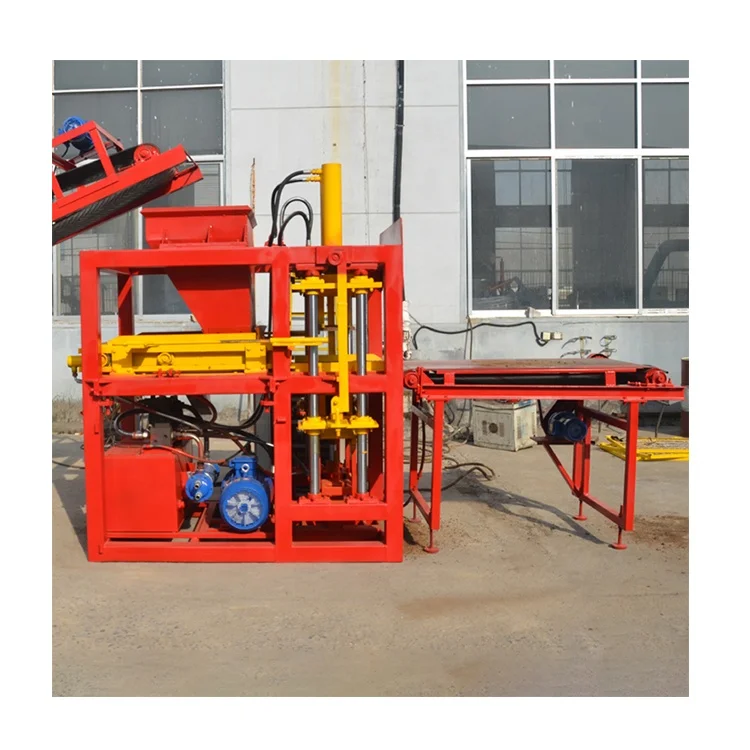
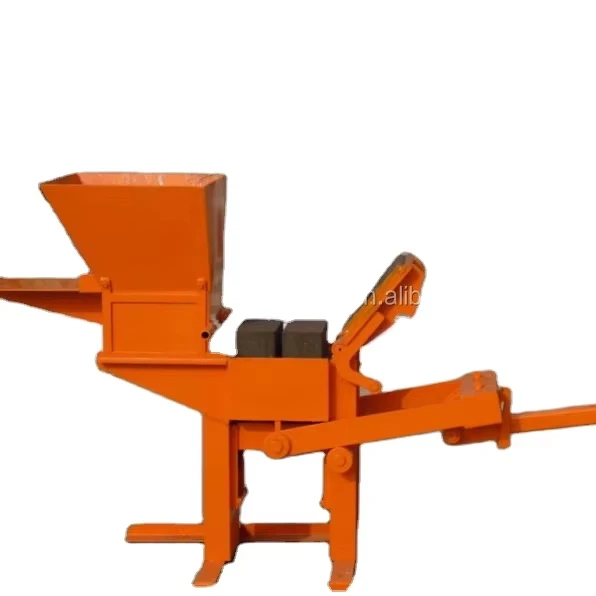 Clay interlocking brick