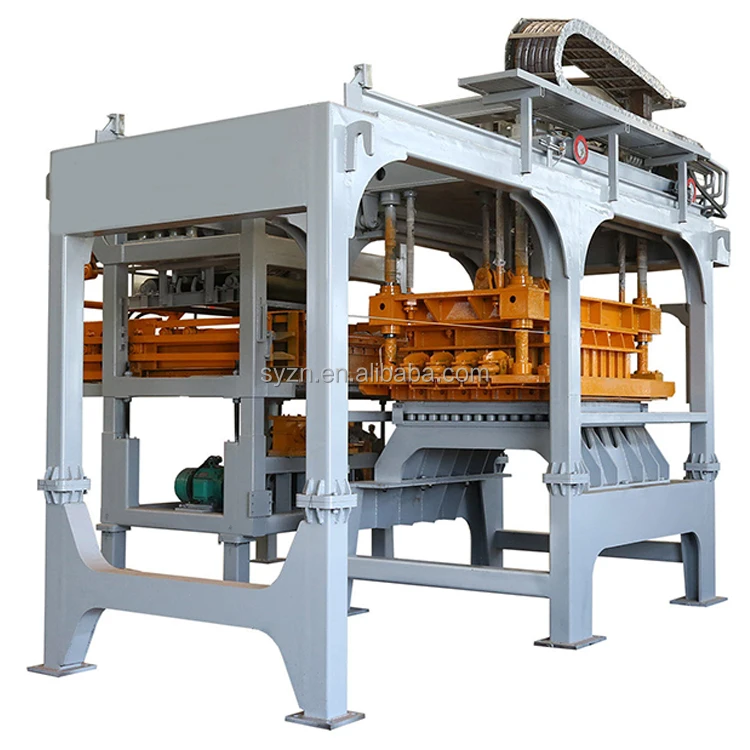
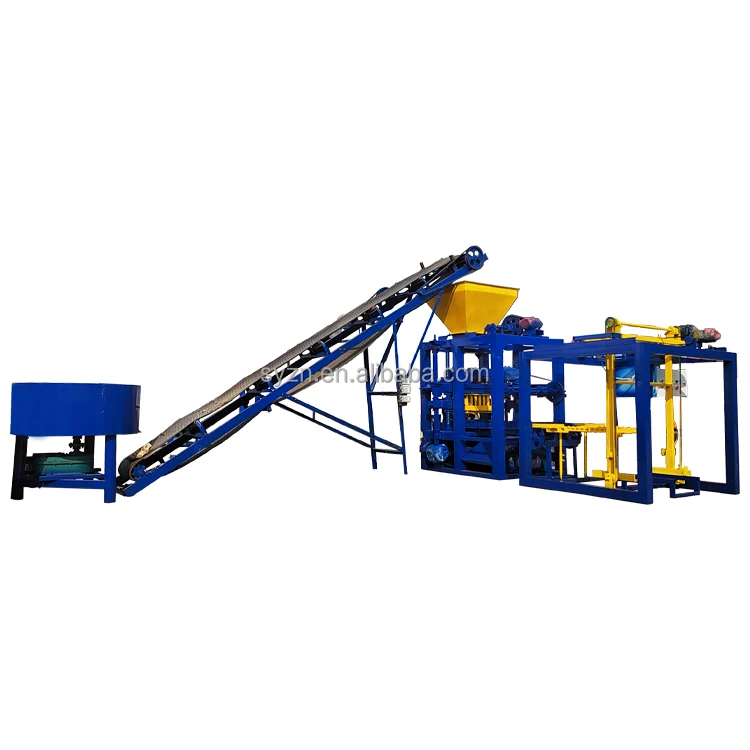
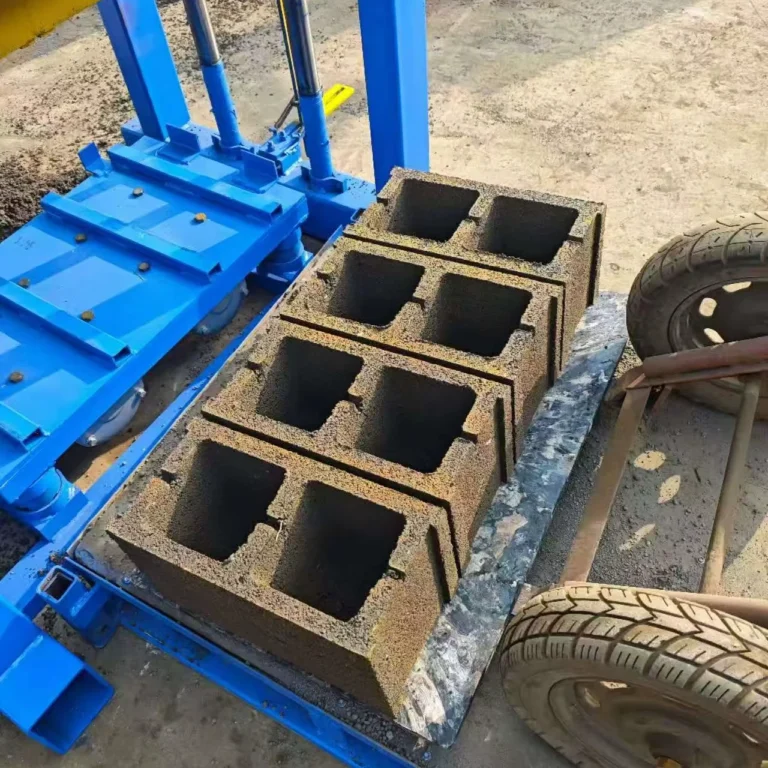
Eco Brava Configuration Matched to Your Block Format — Every capacity figure tied to a specific brick size, mould cycle, and local clay-cement mix, so buyers compare tiers on equal ground before committing.
Technical Specifications
| Parameter |
Value |
| Model |
Eco Brava |
| Product Type |
Clay Interlocking Brick Making Machine |
| Operation Type |
Semi-automatic (automatic material feeding, mould pressing and mould lifting) |
| Power Source Option |
Electric motor or diesel engine |
| Machine Power |
5.5 kW (electric) or 12 Hp (diesel) |
| Rated Pressure |
16–20 MPa |
| Molding Cycle |
15–20 s |
| Output Capacity |
180–240 pcs/h based on 300×150×100 mm interlocking block, 1 pc per mould (basis to be confirmed for other formats) |
| Raw Material |
Clay, soil, mud, cement, concrete |
| Mould System |
Interchangeable moulds for different block, brick and floor formats |
| Mould Change Method |
Manual swap |
| Overall Dimensions (L×W×H) |
1100 × 750 × 1700 mm |
| Machine Weight |
400 kg |
| Assembly State |
Skid-mounted, single-unit portable |
| Voltage |
Configured to buyer local voltage and frequency (to be confirmed before order) |
| Certification |
CE declaration where applicable |
Application Suitability
| Application |
Material or Output |
| On-site interlocking brick production for housing projects |
Locally sourced clay or soil mixed with cement, 300×150×100 mm interlocking format |
| Small-scale cement block production for distributors |
Concrete or cement-sand mix, solid block and floor tile formats via mould swap |
| Rural and remote site brick making |
Clay, mud or soil with partial cement addition, diesel engine option for off-grid sites |
| Entrepreneur first block plant |
Interlocking clay brick output at entry-level investment, portable single-unit footprint |
Why "Pieces per Hour" Means Nothing Without the Block Format Attached
Capacity quoted without the assumed block format is the single biggest source of buyer disappointment in this equipment class.
A clay interlocking brick making machine manufacturer quoting 240 pieces per hour may be referencing a small interlocking brick, but switch the mould to a larger hollow format and the same machine might yield far fewer units per shift. I once saw a buyer commit to a machine based on a headline cycle number, only to discover on arrival that the figure assumed a thin paver — his actual interlocking brick was nearly twice the volume, and daily output dropped accordingly. Before any tier comparison makes sense, the buyer needs to know which brick size, mould cavity count and material density the quoted number rests on. [NEED_CITE: block format and cycle time assumptions in machinery quotations]

Placing Eco Brava on the Output and Investment Spectrum
The Eco Brava occupies the entry tier of a complete block machine range, sitting below mid-range semi-automatic presses and high-capacity fully automatic stationary lines. For a buyer evaluating where to enter, this model offers a skid-mounted footprint that fits a small workshop or open-air site without dedicated foundations. The semi-automatic cycle handles material feeding, mould pressing and mould lifting automatically, leaving the operator to manage raw material loading and finished brick removal. This clay interlocking brick making machine manufacturer supplies the Eco Brava as a starting point for entrepreneurs who need to validate their local market before scaling to higher tiers.
Choosing Between Electric Motor and Diesel Engine on Site
The dual power source option — 5.5 kW electric motor or 12 Hp diesel engine — addresses a practical reality many buyers face: unreliable grid supply or no fixed electrical installation at a project site. Contractors producing interlocking bricks on a housing development often run the machine from a generator or rely on diesel because three-phase power is unavailable. The skid-mounted assembly means the unit can be relocated as the project advances, and the 400 kg weight keeps it within the handling range of a standard site forklift. [NEED_CITE: off-grid power constraints in rural construction projects]
Reading the Pressure and Cycle Numbers Against Your Mix Design
The rated hydraulic pressure of 16–20 MPa is matched to clay-cement and soil-cement mix designs typical of interlocking brick production, where excessive pressure can fracture the green brick and insufficient pressure leaves weak, crumbly output. The 15–20 second moulding cycle reflects the dwell time needed for a single-cavity interlocking brick at 300×150×100 mm; denser mixes with higher cement content may require the longer end of that range to achieve full compaction. Mould change is manual, which keeps the machine simple and avoids hydraulic quick-change systems that add cost and maintenance at this tier. The interchangeable mould system lets a buyer produce solid blocks, floor tiles and different interlocking profiles from one frame, though each format swap takes operator time that must be factored into daily scheduling.
The Hidden Cost of Skipping the Material Report Before You Order
I learned early that a buyer’s local clay behaves differently from the test material used at the factory. A machine set for clean river sand may struggle with high-silt soil, extending cycle times and reducing compaction quality. When the mix design is not confirmed before production, the machine arrives configured for a material the buyer cannot source, forcing either a costly material substitution or a performance compromise. [NEED_CITE: material variability impact on block pressing equipment]
Why Buyers Source the Full Range From One Machinery Focus
The Eco Brava is specified as part of a single-focus block machinery range, meaning moulds, pallets and supporting equipment are matched to the press rather than assembled from separate suppliers. Configuration is set against the buyer’s actual mix design and target block format, not a catalogue default. Mould drawings cover every interchangeable format the buyer’s market demands, including custom profiles to buyer drawings. Automation level is selectable, so a buyer can start with the Eco Brava semi-automatic cycle and move to a higher-output stationary line as demand grows. Installation support and operator training are included so the first production run is not left to guesswork.
Documentation & Verification
- Line layout and capacity calculation stating the block format and cycle time assumed for Eco Brava output
- Machine specification sheet with voltage, frequency and control language confirmed before production
- Mould drawing and format list showing every interchangeable mould available for this tier
- Factory test record and packing photographs provided before container loading
- Operation and maintenance manual covering mould swap procedure and daily greasing points
Installation, Commissioning & Support
- Skid-mounted Eco Brava requires a level concrete pad, no bolted foundations, matching its 1100 × 750 mm footprint
- Electrical connection to be confirmed at buyer voltage and frequency before dispatch to avoid on-site rewiring
- Diesel engine option requires standard fuel and coolant commissioning, no three-phase supply needed
- First-run parameter setting covers moulding cycle adjustment within the 15–20 s range to match local clay density
- Operator training includes manual mould change procedure and daily hydraulic pressure check at 16–20 MPa
- Wear parts list covers mould liner and hydraulic seal replacements specific to the Eco Brava frame
What We Need From You to Size the Right Tier
To determine whether the Eco Brava matches your target output or whether a higher tier in the range is warranted, share the specific interlocking brick format you plan to sell, the daily volume your market absorbs, and a sample or analysis report of the clay or soil available at your site. Confirm your site voltage and frequency so the motor or control panel can be wired correctly before shipment. If you are producing on a construction site rather than a fixed plant, let us know whether diesel power is required and what space is available for material storage and brick curing.
Frequently Asked Questions
Q: How do I know if Eco Brava is the right tier, or should I look at a larger semi-automatic or fully automatic line?
A: The deciding factors are your target block format and realistic daily volume. Eco Brava suits entry-level interlocking brick production at 180–240 pieces per hour on a 300×150×100 mm block. If your market demands higher output or larger block formats, the next tier in the range offers greater mould cavity count and shorter cycle times. We provide a capacity calculation for each tier based on your specific format so you can compare on equal terms.
Q: What block format and cycle time is the quoted capacity based on, and how does output change with a different mould?
A: The published capacity of 180–240 pieces per hour is based on a 300×150×100 mm interlocking brick with one cavity per mould and a 15–20 second cycle. Switching to a larger solid block or a multi-cavity paver mould changes both the cycle time and the pieces per cycle, so daily output shifts accordingly. We state the assumed format on every quotation to avoid surprises.
Q: Can I start with Eco Brava and upgrade to a higher automation tier later within the same range?
A: Yes. The range is structured so buyers can enter at the Eco Brava semi-automatic level and move to mid-range or fully automatic stationary lines as production demand grows. Mould formats and pallet specifications carry forward where compatible, reducing the learning curve when you scale. We document the upgrade path at the time of your first order.
Q: How does plant footprint and required supporting equipment change as I move up from Eco Brava to automatic stationary lines?
A: Eco Brava is a single skid-mounted unit requiring only a level pad and basic material storage. Higher tiers add a mixer, pallet feeding system, automatic stacking and curing rack handling, each requiring additional floor space and power circuits. We provide a line layout for each tier showing the total footprint so you can plan your site before committing to a larger machine.
Q: What voltage, frequency and control language options are available, and how are they confirmed before shipment?
A: Voltage and frequency are configured to your local supply — this must be confirmed before production so the motor and any control components are correctly specified. Control display language is agreed at the same stage. These details are recorded on the machine specification sheet and verified during the factory test before the unit is packed for dispatch.

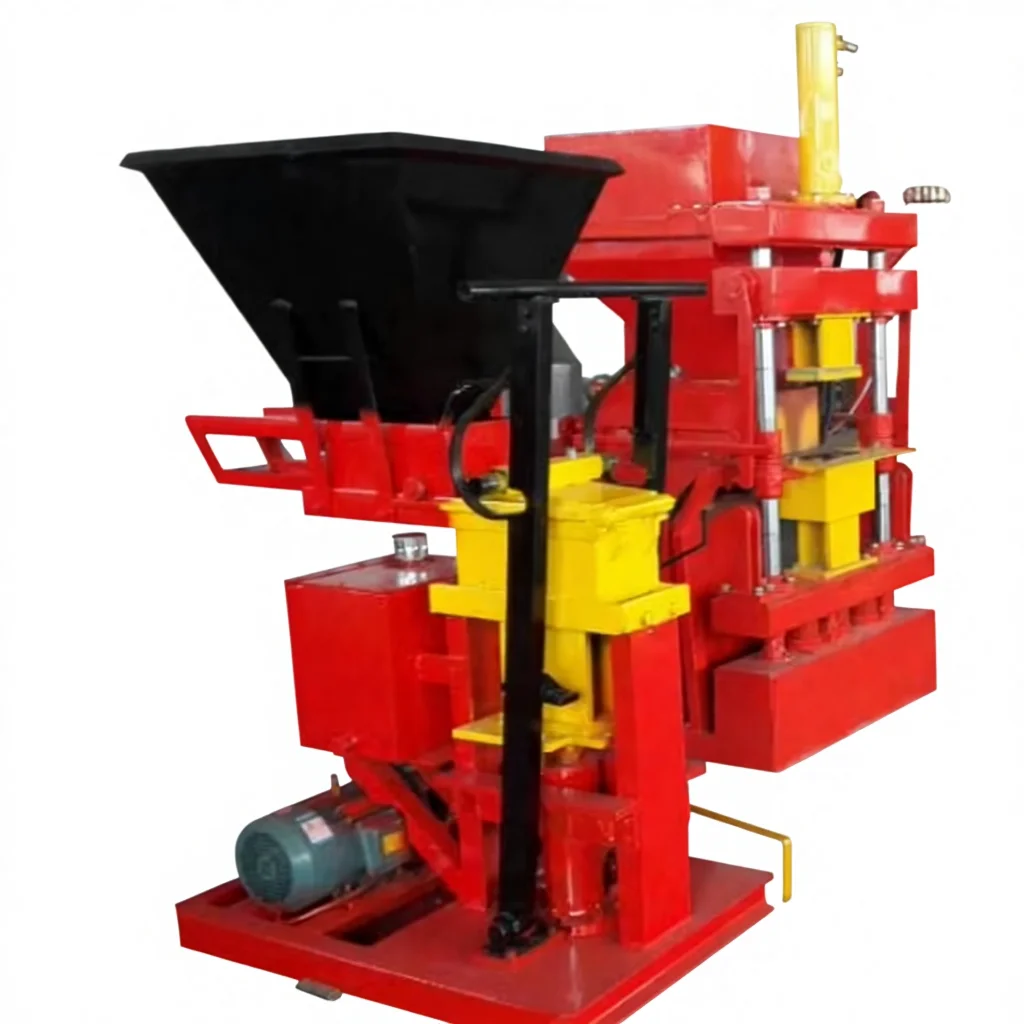
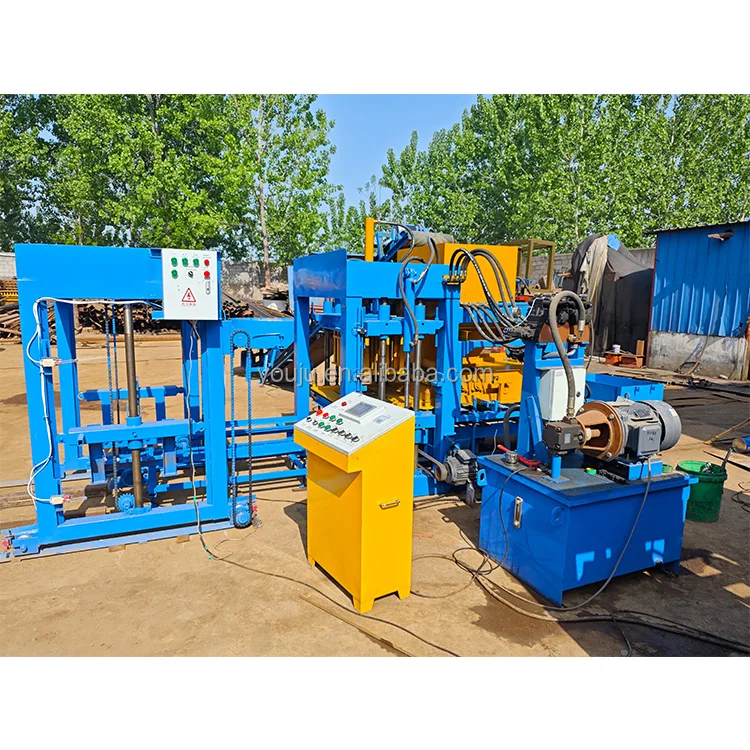 Stationary block machine