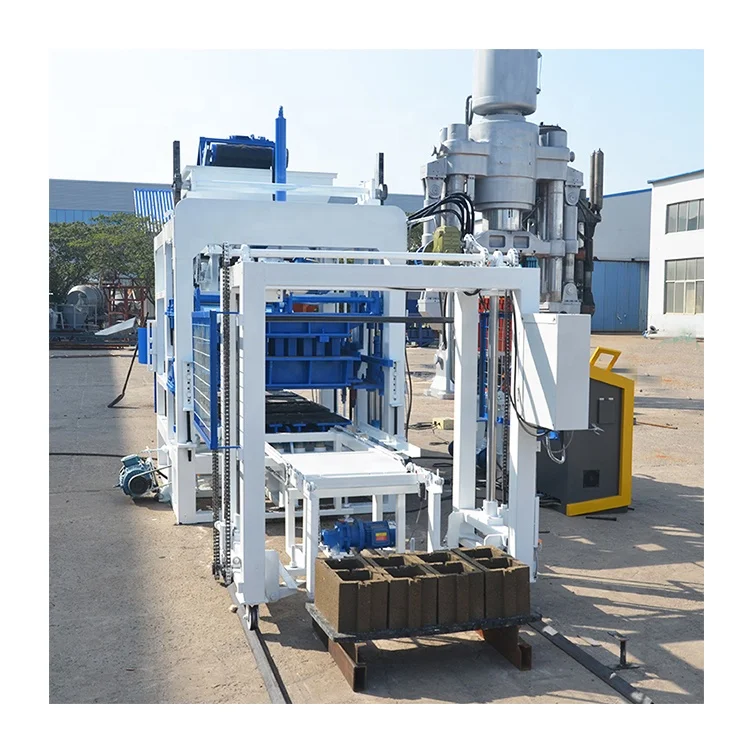
Single-Focus Engineering — Every station from hopper to stacking is matched to one product family so the QT4-18 runs as a complete system, not a loose assembly.
Technical Specifications
| Parameter |
Value |
| Model |
QT4-18 |
| Product Type |
Automatic Concrete Block Making Machine |
| Overall Dimensions |
2500 × 1750 × 2200 mm |
| Rated Pressure |
16 MPa |
| Vibration Form |
Platform Vibration |
| Pallet Size |
950 × 550 mm |
| Molding Cycle |
18–25 s (basis to be confirmed by block format) |
| Overall Power |
27.5 kW |
| Control System |
PLC with frequency converter |
| Electrical Components |
Schneider (internationally renowned brands) |
| Mold Lifting Mechanism |
Double-sided synchronous gears |
| Material Feeder System |
Hopper, feeding box, feeding platform and conveyor |
| Block Receiver |
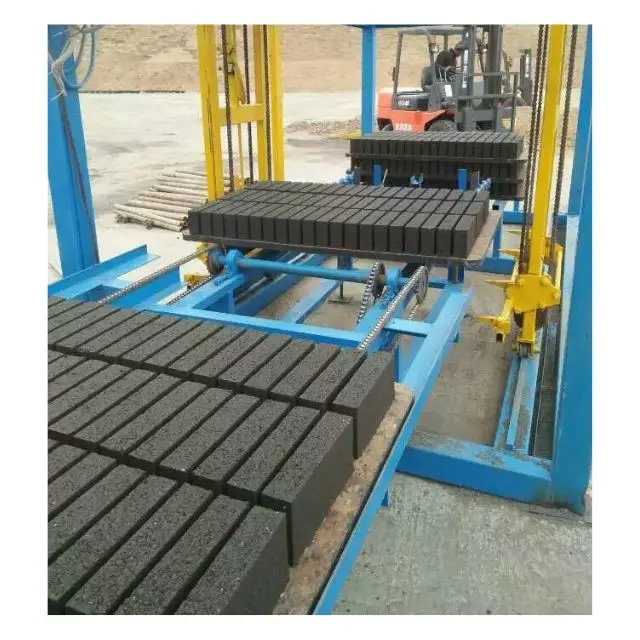
Frame, conveyor system and idler wheels with motor and reducer |
| Automation Level |
Automatic (with manual pallet handling options) |
| Certification |
CE declaration where applicable |
Application Suitability
| Application |
Material or Output |
| Hollow block production |
Crushed stone, sand, cement and water |
| Solid block production |
Dense aggregate mixes for load-bearing walls |
| Paving block production |
Fine aggregate with surface finish requirements |
| On-site contractor production |
Locally sourced sand, gravel and cement blends |
| Block and paver plant startup |
First-line equipment for mid-volume operations |
| Building material distribution |
Standard formats for regional resale networks |
What "18–25 Seconds" Really Means for Your Daily Output
A cycle time is only meaningful when tied to the exact block format you intend to sell.
Many automatic block making machine for sale quotations highlight a fast molding cycle without naming the block size that figure assumes. In practice, a hollow block takes longer to fill and vibrate than a small paver, so the same machine yields very different daily volumes across formats. I once watched a buyer in West Africa compare two quotations side by side; the cheaper option quoted a 15-second cycle, but that number was based on a thin solid brick, not the 200 mm hollow block the buyer actually needed. Once the correct format was applied, the "faster" machine was actually slower. [NEED_CITE: block format impact on cycle time and daily output]

Where the QT4-18 Sits in the Full Machine Range
The QT4-18 occupies the mid-range tier of the automatic block making machine for sale lineup. It bridges the gap between small workshop machines that rely on manual pallet handling and high-capacity lines with full stacking and cubing. Buyers evaluating their first automatic press or replacing an under-performing unit often land here because the investment footprint stays manageable while PLC control and hydraulic pressure deliver consistent block density.
Choosing the Right Tier Before You Commit
Jumping straight to the largest machine in the range is not always the right call. A smaller curing yard or limited forklift fleet can turn a high-output press into a bottleneck at the stacking end. The QT4-18 tier lets you match a 950 × 550 mm pallet to a curing area you can actually staff and cover, then add automation stations later as demand grows. This staged approach keeps capital expenditure aligned with real order volume rather than projected maximums. [NEED_CITE: staged automation investment in block production]
Reading the Spec Sheet Against Your Actual Mix
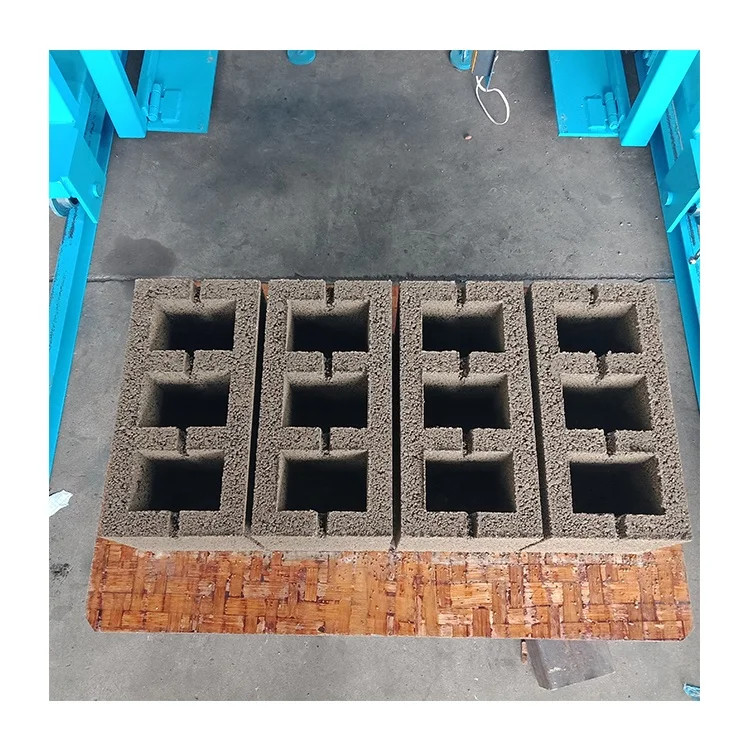
The 16 MPa rated pressure and platform vibration work together to compact the mix inside the mold. Denser aggregates like crushed granite respond well to high pressure, while lighter mixes with volcanic scoria or expanded clay need the vibration amplitude tuned lower to avoid segregation. The PLC with frequency converter on the QT4-18 allows the operator to adjust vibration frequency and duration per recipe, so the same machine can handle both a heavy hollow block mix and a finer paving blend without hardware changes. Pallet size at 950 × 550 mm also dictates how many blocks fit per cycle; a standard 400 × 200 × 200 mm hollow block typically yields four units per mold, but the actual count shifts with format. Double-sided synchronous gears keep the mold lift level, reducing edge chipping that would otherwise raise scrap rates.
The Cost of Skipping the Configuration Conversation
When voltage, control language, and pallet material are left to assumption, the machine arrives and sits idle while transformers or translated HMI screens are sourced locally. I have seen commissioning delayed by weeks because the PLC display shipped in a language the operators could not read, and the local electrician had to rewire the motor starter for a different frequency. These are not warranty issues; they are configuration gaps that a ten-minute confirmation call would have prevented. [NEED_CITE: common commissioning delays from unconfirmed electrical specifications]
Why Buyers Source This Tier Here
Block machinery is the single focus of the workshop, so the QT4-18 is specified as part of a matched system rather than bolted together from unrelated suppliers. The mold, pallet, feeder and receiver are all sized around the same 950 × 550 mm format, eliminating the mismatch where a conveyor is too narrow or a stacking rack cannot accept the pallet. Configuration is set against the buyer’s mix design and target block format, not pulled from a catalogue default. Custom mold design is available when the local market demands a format outside the standard list. Automation level is selectable, meaning a buyer can start with manual pallet handling and upgrade to automatic stacking later without replacing the press. Installation support includes operator training so the crew understands mold change procedure and daily maintenance before the first production run.
Documentation & Verification
- Line layout drawing with capacity calculation stating the block format assumed for the 18–25 s cycle
- Machine specification sheet listing hydraulic pressure and vibration force matched to your mix
- Mold drawing and format list confirming cavity count per pallet size
- Voltage, frequency and PLC display language confirmation form signed before production
- Factory test record showing cycle performance on your target block format
- Packing photographs and customs documentation for smooth clearance
Installation, Commissioning & Support
- Foundation pad sized to 2500 × 1750 mm footprint with anchor bolt template provided
- Dedicated 27.5 kW power circuit with breaker rating confirmed to local voltage and frequency
- Machine shipped in dismantled modules for standard container loading and on-site reassembly
- First-run parameter setting covering vibration frequency, pressure dwell and feed timing
- Operator training on mold change using double-sided synchronous gear lift procedure
- Wear parts list covering hydraulic seals, vibration springs and feeder liners with reorder codes
What to Include in Your Inquiry
To match the QT4-18 to your project, share the block formats you plan to produce, the daily volume you need per format, and the raw materials available locally including aggregate type and cement grade. Confirm your site voltage, frequency, and preferred PLC display language so the automatic block making machine for sale leaves the factory ready to run. If you already have a mixer, conveyor or curing racks on site, list their dimensions and capacity so the line layout accounts for existing equipment.
Frequently Asked Questions
Q: How do I verify the daily output for the block formats I actually sell?
A: Ask for a capacity calculation that names the exact block dimensions and assumes the 18–25 s cycle range. The QT4-18 sheet should state how many units per mold for each format, then multiply by realistic operating hours minus pallet change and mold swap time.
Q: Can the automation level be upgraded after installation?
A: Yes. The QT4-18 supports a path from manual pallet handling to automatic feeding and stacking. The PLC and frequency converter are already in place, so adding servo-driven pallet feeders or a cubing station later does not require a full control replacement.
Q: How does pallet size affect my curing yard layout?
A: The 950 × 550 mm pallet determines rack spacing and forklift capacity. If your existing racks are built for a different pallet, you will need adapters or new racks. Confirm pallet dimensions early so the curing area plan matches the machine output.
Q: What foundation and power requirements should I prepare before delivery?
A: Plan a reinforced concrete pad to support the 2500 × 1750 mm footprint and dynamic vibration loads. Provide a dedicated circuit rated for 27.5 kW at your local voltage and frequency, and confirm the plug or terminal type before the automatic block making machine for sale ships.

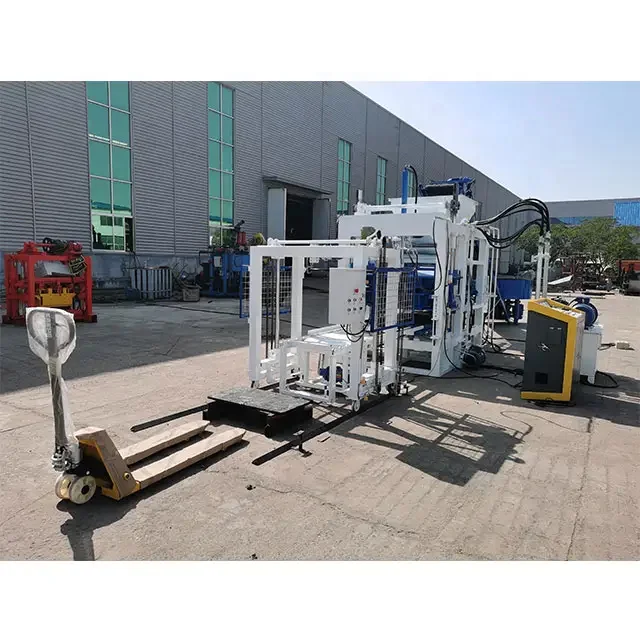
 Semi automatic block