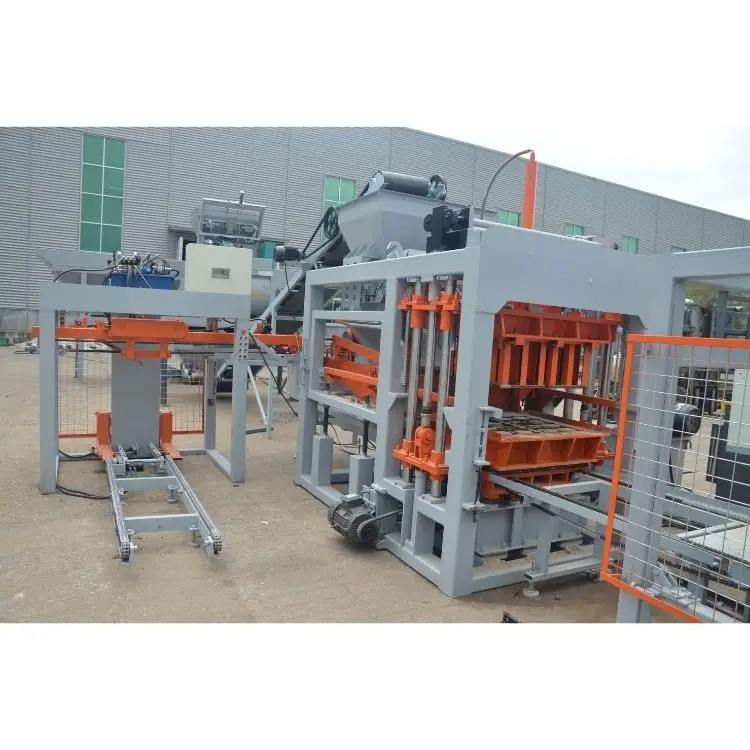
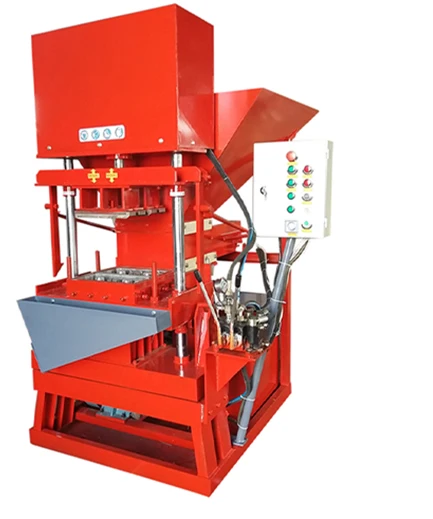
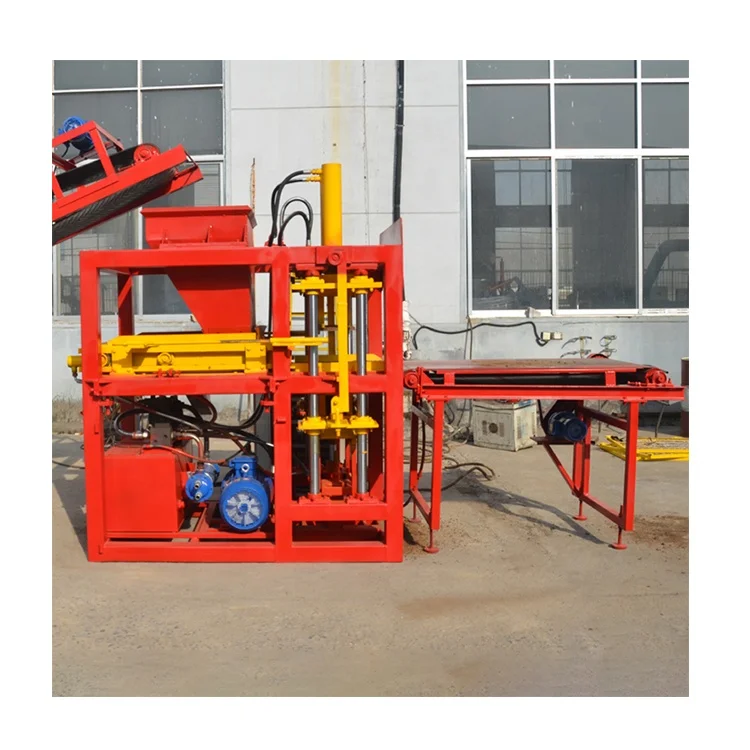
Matched System Engineering — the QT10-15 press, moulds, pallets, and handling equipment are specified together against your actual block format and local aggregate, not sourced from separate vendors and bolted together.
Technical Specifications
| Parameter |
Value |
| Model |
QT10-15 |
| Product Type |
Fully Automatic Concrete Block Making Machine |
| Overall Dimensions (L×W×H) |
9350×2320×2950 mm |
| Moulding Area |
1025×810 mm |
| Pallet Size |
1100×900 mm |
| Forming Height Range |
40–250 mm |
| Rated Hydraulic Pressure |
21 MPa |
| Main Vibration Form |
Platform vibration |
| Vibration Frequency |
4500–5100 r/min |
| Molding Cycle |
15–25 s |
| Overall Power |
44 kW |
| Mixer Model |
JS750 |
| General Water Consumption |
12 T/day |
| Control System |
PLC (Mitsubishi) |
| Hydraulic Unit |
Taiwan Jiugang |
| Switch Components |
Omron |
| Electrical Elements |
Schneider |
| Host Machine & Mixer Motor |
Siemens |
| Other Motors |
European CE standard |
| Mould Treatment |
High temperature carburizing heat treatment |
| Voltage |
Customized to local request |
| Output Capacity |
1800–2400 pcs/h based on 400×200×200 mm hollow block, 10 pcs/mould |
| Output Capacity |
2160–2880 pcs/h based on 400×150×200 mm hollow block, 12 pcs/mould |
| Output Capacity |
9360–12480 pcs/h based on 240×115×90 mm solid brick, 52 pcs/mould |
Application Suitability
| Application |
Material or Output |
| Hollow block production for structural walls |
Crushed stone, cement, sand, fly ash blends at standard densities |
| Solid brick manufacturing for load-bearing construction |
Cement-stabilized local aggregate with fine sand filler |
| Paving block and interlocking brick runs |
High-strength concrete mixes with fine aggregate grading |
| Kerbstone and curb production for road infrastructure |
Dense concrete mixes with coarse aggregate up to 10 mm |
| Fly ash brick production for masonry |
Fly ash, lime, gypsum, and sand composite blends |
Why the Block Format Question Must Come Before the Machine Size
A fully automatic block making machine manufacturer must state which format each capacity figure assumes, because quoting cycles per hour without naming the block is meaningless for your business plan.
I once watched a plant owner in Southeast Asia stare at a machine rated for an impressive hourly output, only to discover that figure was based on a hollow block his market never buys. His daily revenue target was calculated on pavers, which need longer cycle times and different vibration settings. The machine was right; the assumption behind the number was wrong. When you evaluate the QT10-15, every capacity figure above is tied to a specific block dimension and mould cavity count — no orphan numbers. [NEED_CITE: common discrepancies between quoted cycle capacity and actual daily output in block plant feasibility studies]
Positioning the QT10-15 Across the Output Tiers
The QT10-15 occupies the high-capacity tier in our fully automatic block making machine manufacturer range. Its 1025×810 mm moulding area and 1100×900 mm pallet set the ceiling on how many cavities a mould can carry, which directly governs throughput. Below this tier, semi-automatic and mobile machines serve smaller plants or on-site contractors who do not need a fixed production line. The QT10-15 is built for buyers whose daily volume targets require continuous automatic cycling with matched pallet feeding, stacking, and curing rack handling so the press never waits for the next station.
How the Automation Level Shapes Your Plant Footprint
A fully automatic configuration removes manual pallet handling from the operator’s workflow entirely. The Mitsubishi PLC coordinates pallet feeding, vibration sequence, hydraulic pressing, and stacking timing in one continuous loop. This means the plant floor layout must account for pallet return conveyors and curing rack space alongside the press itself — the machine footprint is only part of the total line. Choosing automation level determines not just labour count but also the physical space your curing and stacking area requires. [NEED_CITE: PLC-controlled block line synchronization requirements across pallet feeding and stacking stations]

Reading the Specs That Actually Govern Daily Output
Hydraulic pressure and vibration frequency together determine block density and demoulding strength. The QT10-15 delivers 21 MPa rated pressure combined with platform vibration at 4500–5100 r/min. If your local aggregate is angular crushed stone, higher vibration frequency helps consolidate the mix into sharp mould corners. If you use rounded river sand, the same frequency may over-compact and cause surface cracking — which is why mix design review must happen before vibration parameters are locked in. The 15–25 second molding cycle range reflects this variability: lighter solid bricks cycle faster, while tall hollow blocks with thin webs need longer vibration to fill completely. Pallet size at 1100×900 mm also dictates your curing rack dimensions and forklift capacity, so specifying pallets without checking your existing handling equipment creates a mismatch that surfaces only on the first production day. The 44 kW overall power draw requires a dedicated supply circuit with voltage and frequency confirmed against your local grid standard before the machine leaves the factory.
What Happens When the Line Is Assembled, Not Engineered
Buying a press from one supplier, moulds from another, and pallet handling from a third often leads to timing mismatches where the stacker cannot keep pace with the press output. Pallets arrive late, the press idles, and your quoted capacity drops in practice. Moulds built for a different pallet dimension cause misalignment and edge damage on every cycle. When vibration force was never matched to your specific aggregate, blocks emerge with inconsistent strength — some pass, some fail the drop test, and you cannot tell which until the customer complains. These are not machine defects; they are specification gaps that compound across the line. [NEED_CITE: production losses from uncoordinated block line component sourcing]
Why Buyers Specify This Model Through Our Range
Block machinery is our single product focus, so the QT10-15 press, its moulds, pallets, and handling equipment are designed as one system with timing matched across every station. We configure the vibration and pressure settings against your actual mix design and local aggregate samples, not against a catalogue default. Mould formats are chosen for the blocks your market actually sells, including custom drawings when your regional standard differs from common sizes. The automation level is selectable — a buyer can begin with semi-automatic pallet handling and upgrade the stacking and cubing section later without replacing the press. Installation support includes on-site commissioning and operator training so the crew running the line on day one understands the mould change procedure and daily maintenance checks.
Documentation & Verification
- Line layout drawing with capacity calculation tied to each block format the QT10-15 will produce
- Machine specification sheet covering hydraulic schematic, electrical diagram, and confirmed PLC display language
- Mould drawing and format list showing included cavities and optional custom moulds
- Pallet specification matched to your curing rack spacing and forklift load capacity
- Factory test record on your specified block format before dispatch
- Packing photographs and customs documentation for container loading
Installation, Commissioning & Support
- Foundation plan accounts for the 9350×2320 mm footprint and dynamic vibration loads from platform vibration
- Dedicated power circuit sized for the 44 kW total draw with voltage and frequency matched to your site supply
- Press arrives partially dismantled for container loading; reassembly and alignment completed on your floor
- First-run commissioning verifies molding cycle timing against your actual mix and block format
- Operator training covers mould change procedure, PLC fault codes, and daily lubrication points
- Wear parts list and hydraulic seal kit specified for your first scheduled maintenance interval
Preparing Your Inquiry
When you are ready to evaluate the QT10-15 for your plant, share the block formats your market sells along with your target daily output so we can size the line around realistic cycle times. Provide a sample of your local aggregate or describe its source, because the vibration and pressure settings must match what you actually feed into the mixer. Confirm your site voltage, frequency, and preferred PLC display language early so the control system is built to your standard before production begins.
Frequently Asked Questions
Q: How is each capacity figure for the QT10-15 calculated?
A: Every output number is tied to a specific block dimension and mould cavity count. The 1800–2400 pieces per hour figure assumes a 400×200×200 mm hollow block with 10 cavities per mould. Switch to a different format and the cycle time, cavity count, and daily total all change. We provide a capacity table listing each format you plan to produce so your business plan matches the machine you receive.
Q: Where does the QT10-15 sit compared to semi-automatic and mobile models?
A: The QT10-15 is the high-capacity tier designed for fixed plants running continuous automatic cycles with matched pallet handling. Semi-automatic models below it suit smaller plants with lower investment where manual pallet handling is acceptable. Mobile machines serve on-site contractors who produce blocks without a permanent facility. Each tier shares the same product focus but differs in automation level and daily throughput.
Q: What voltage and PLC language options are confirmed before shipment?
A: Voltage and frequency are customized to your local grid standard and confirmed before production begins. The Mitsubishi PLC display language is also set to your operator’s preference so the crew can read fault codes and cycle parameters on day one. These details are documented in the electrical schematic and verified during the factory test.
Q: Does the quotation include pallet handling and stacking equipment?
A: The line configuration covers pallet feeding, stacking, and curing rack handling as part of the matched system, not as separate add-ons. We confirm your pallet size, material, curing area dimensions, and forklift capacity before finalizing the quotation so the handling equipment fits your existing plant layout without modification after arrival.

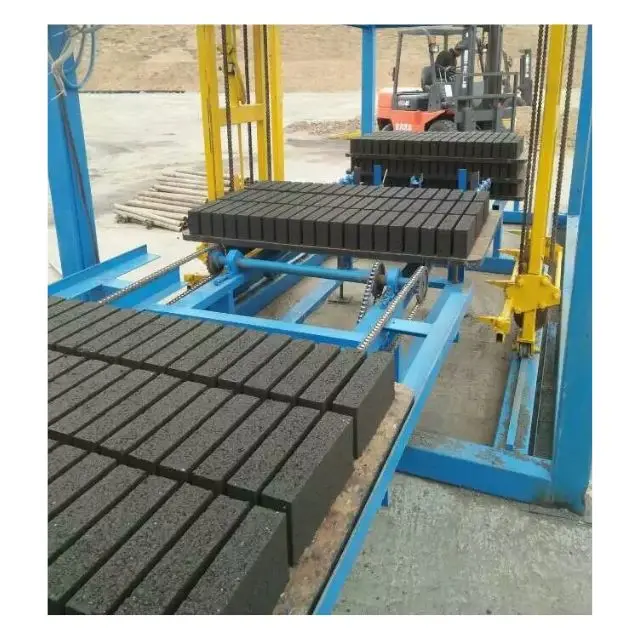
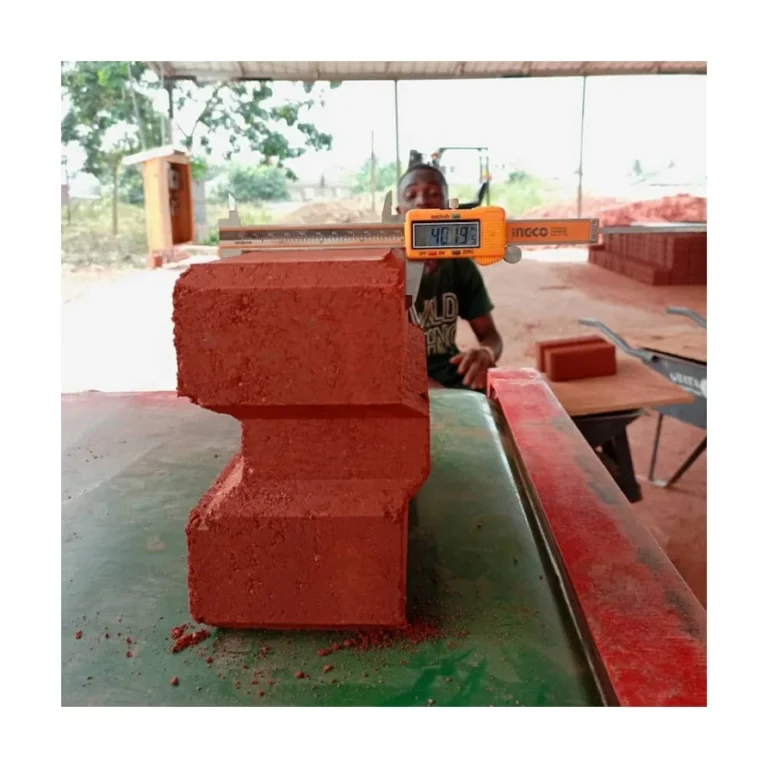 Semi automatic block