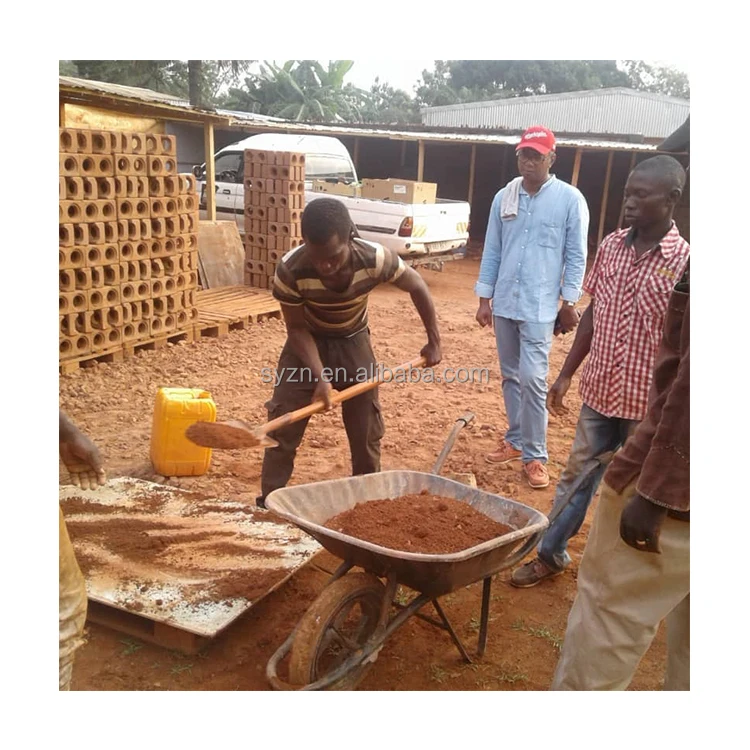
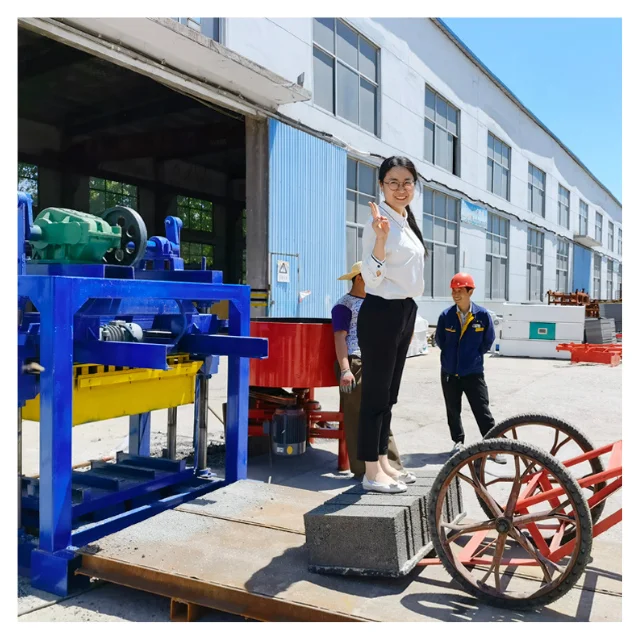
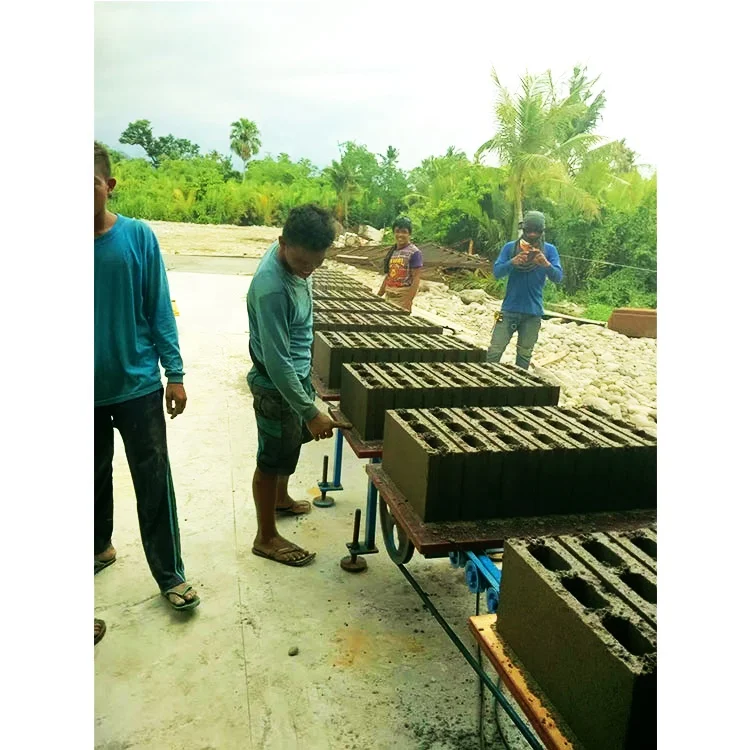
Matched System Sizing — The QT4-15A is configured as a complete production unit where press capacity, pallet dimensions, and handling equipment are specified together rather than sourced independently.
Technical Specifications
| Parameter |
Value |
| Model |
QT4-15A |
| Product Type |
Fully Automatic Concrete Block Making Machine |
| Overall Dimensions (L×W×H) |
4100×1600×2600 mm |
| Rated Pressure |
16–21 MPa |
| Main Vibration Form |
Platform Vibration |
| Vibration Frequency |
4200 r/min |
| Vibration Force |
55 kN |
| Pallet Size |
880×550 mm |
| Molding Cycle |
25–30 s (basis not stated in source — confirm block format / material / thickness) |
| Overall Power |
18.45 kW |
| Total Mass |
4 T |
| Demolding Method |
Hydraulic |
| Recommended Factory Area |
300 m² |
| Automation Level |
Fully automatic |
| Applied Products |
Concrete blocks, hollow/solid blocks, pavers, interlocking blocks, curbstone, colored pavers |
| Raw Materials |
Crushed stone, sand, cement, dust, fly ash, gravel, slag |
| Loading |
1×40HQ container (basic equipment) |
Application Suitability
| Application |
Material or Output |
| Standard hollow block production |
Crushed stone, sand, cement, fly ash |
| Solid block manufacturing |
Gravel, slag, cement blends |
| Paving block and interlocking paver |
Colored face mix, high-density aggregate |
| Curbstone and kerb production |
Coarse aggregate, cement-rich mix |
| On-site contractor block supply |
Locally sourced sand and stone |
What "Cycles Per Hour" Leaves Out About the QT4-15A
Capacity figures are meaningless unless the block format used for calculation is stated explicitly.
Buyers often receive a single output number for a fully automatic block making machine manufacturer without being told whether that figure assumes a 400×200×200 mm hollow block or a smaller paving format. The molding cycle on the QT4-15A is listed as 25–30 seconds, but a solid block requires longer compression time than a hollow one, and a thin paver demands a different vibration profile altogether. When the format assumption is missing, daily production routinely falls well below what was expected at the point of purchase [NEED_CITE: capacity calculation standards for concrete block equipment]. This gap between quoted cycles and actual shift output is the single most common reason buyers feel misled after commissioning.

Where the QT4-15A Sits in the Full Machine Range
The QT4-15A occupies the mid-tier fully automatic position within a broader block machine lineup that stretches from small semi-automatic workshop units up to high-capacity continuous production lines. Buyers setting up a first plant often compare this tier against a semi-automatic model that requires manual pallet handling, weighing the higher initial investment against the labor savings of automatic stacking and pallet return. For those replacing an existing press, the relevant comparison is usually against higher output tiers where larger pallet sizes and faster cycles justify a bigger factory footprint. Understanding where the QT4-15A lands in that spectrum — a 300 m² recommended area with an 880×550 mm pallet — helps buyers decide whether this is the right entry point or whether a larger format serves their market better.
Matching Automation Level to Actual Shift Patterns
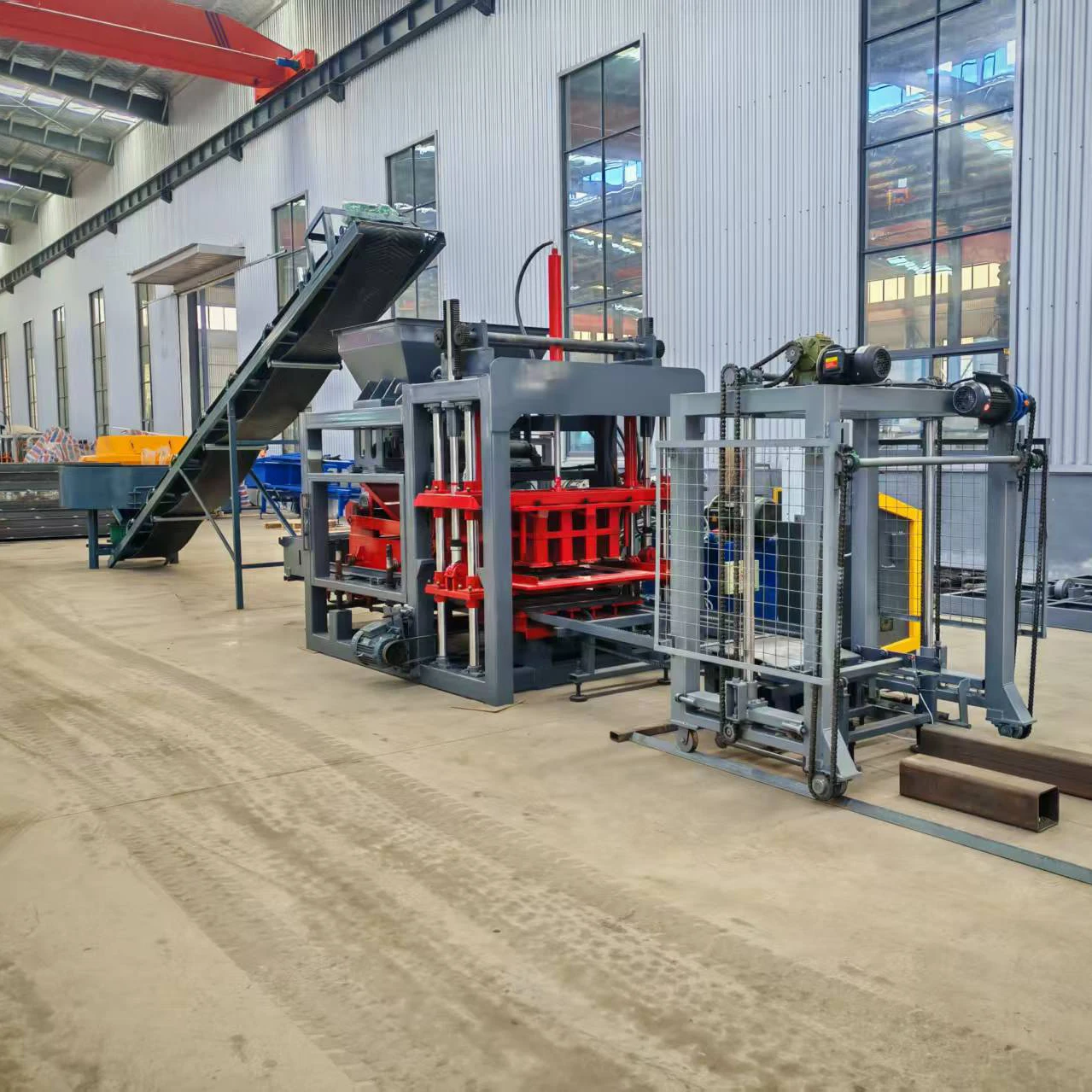
A fully automatic block making machine manufacturer typically configures the line so the press, pallet feeder, and stacker operate as one coordinated sequence. On the QT4-15A, the hydraulic demolding system and platform vibration must synchronize with the pallet return loop; if any station in that chain runs slower than the press cycle, the entire line waits. This is why the automation level is not simply a matter of adding more sensors — it requires matching cycle times across every station so the press is never left idle. Buyers upgrading from a manual or semi-automatic setup should confirm that their curing area and forklift capacity can absorb the continuous output that automatic stacking delivers [NEED_CITE: pallet handling and curing logistics for automatic block plants].
How Pressure, Vibration, and Pallet Size Shape Block Quality
The QT4-15A applies 16–21 MPa of rated hydraulic pressure combined with 55 kN of vibration force at 4200 r/min. In concrete block production, pressure alone compresses the mix, but vibration is what drives fine aggregate into the voids and eliminates honeycombing — both must be matched to the buyer’s specific mix design and local stone gradation. A high-silica sand behaves differently under vibration than a crushed volcanic rock, and the wrong frequency setting can leave blocks that crumble at the edges or fail compression testing. The 880×550 mm pallet size further constrains output: larger pallets mean more blocks per cycle, but they also demand more curing rack space and a forklift rated for the loaded pallet weight. Choosing pallet dimensions without checking compatibility with the buyer’s existing curing infrastructure is a frequent cause of post-installation bottlenecks.
The Cost of Configuring for the Wrong Local Aggregate
When a block machine is specified using a default mix design rather than the buyer’s actual local materials, the consequences appear within the first production week. Abrasive aggregate chews through mould liners prematurely, forcing unplanned downtime while replacement parts are shipped internationally. Mix proportions optimized for a different sand gradation produce blocks with inconsistent density, leading to rejection at the construction site or failure during transport. The QT4-15A’s vibration frequency and hydraulic pressure settings can be adjusted, but only if the buyer’s material profile was provided before the machine left the factory — retrofitting those settings on-site is far more costly than getting them right in the initial configuration [NEED_CITE: aggregate compatibility testing for concrete block machinery].
Why Buyers Source the Full Range from One Manufacturer
A fully automatic block making machine manufacturer that treats the press, mould, pallet, and handling system as one engineered package eliminates the integration gaps that arise when components are assembled from separate suppliers. The QT4-15A is supplied with mould options matched to the block formats the buyer’s market actually demands, including custom drawings where standard moulds do not cover the required shape. Pallet material and size are selected with the buyer’s curing area and forklift in mind, not chosen from a default catalog entry. Voltage, frequency, and PLC display language are confirmed before production begins, preventing the commissioning delays that occur when a machine arrives configured for the wrong electrical grid. Every configuration decision is documented against the buyer’s site conditions and target output format, so what arrives on site matches what was agreed in the proposal.
Documentation & Verification
- Line layout and capacity calculation stating the block format assumed for each output figure
- Machine specification sheet confirming voltage, frequency, and PLC language before shipment
- Mould drawing and format list showing all block types the QT4-15A can produce
- Pallet specification matched to the buyer’s curing rack dimensions and forklift rating
- Factory test record on the buyer’s target block format before dispatch
- Hydraulic and electrical schematic for on-site maintenance reference
Installation, Commissioning & Support
- Foundation must support the 4 T total mass with level tolerances for the 4100 mm frame length
- Power supply must match confirmed voltage and frequency, with a dedicated circuit for the 18.45 kW load
- Machine ships dismantled for 1×40HQ loading; on-site reassembly includes platform alignment and hydraulic line connection
- Commissioning includes vibration frequency tuning to the buyer’s local aggregate and mix design
- Operator training covers mould change procedure, PLC navigation in the confirmed language, and daily greasing points
- Wear parts list identifies mould liners and hydraulic seals for first replacement stocking
What to Include in Your Next Inquiry
To size the QT4-15A correctly within the full machine range, provide the target block formats your market sells along with the daily output you need for each format. Share your local aggregate type and any available sieve analysis so vibration and pressure can be matched before production. Confirm your site’s voltage, frequency, and preferred PLC display language, as well as your existing curing area dimensions and forklift capacity, so the pallet and handling configuration fits your plant from day one.
Frequently Asked Questions
Q: How is the QT4-15A daily output calculated, and which block format does the capacity figure assume?
A: The 25–30 second molding cycle is a baseline that varies depending on block format, wall thickness, and mix design. A hollow block cycles faster than a dense solid block or a multi-layer paver. Any capacity figure should state the exact block dimensions and mix used for the calculation; without that context, the number does not translate reliably to your production target.
Q: Where does the QT4-15A fit compared to semi-automatic and higher-capacity models?
A: It sits in the mid-tier fully automatic range, suitable for buyers who want automatic pallet handling and stacking without the larger footprint and higher investment of a high-capacity line. Those producing only one format at lower volume may find a semi-automatic unit sufficient, while buyers targeting multiple formats at high daily tonnage should evaluate larger pallet tiers.
Q: What factory area does the QT4-15A require, and how does that compare to other tiers?
A: The recommended factory area is 300 m², which covers the press, pallet return, and stacking zone but does not include raw material storage or curing racks. Semi-automatic models in the range need less floor space since pallet handling is manual, while higher tiers with larger pallets and automatic cubing systems require a proportionally larger building envelope.
Q: Can the QT4-15A be upgraded later if production demand grows?
A: Automation components such as automatic stackers can be added to some configurations, but the press frame, pallet size, and vibration system are fixed at manufacture. If demand is expected to outgrow the 880×550 mm pallet format within a few years, selecting a higher tier from the start avoids the cost of replacing the entire press rather than expanding the line.
Q: What voltage, frequency, and control language options are available?
A: The QT4-15A can be configured for the buyer’s local electrical grid, but voltage and frequency must be confirmed before production starts — changing motor specifications after the machine is built is not practical. PLC display language is also set during assembly and should be specified at the quotation stage so operators can navigate controls without translation barriers on site.

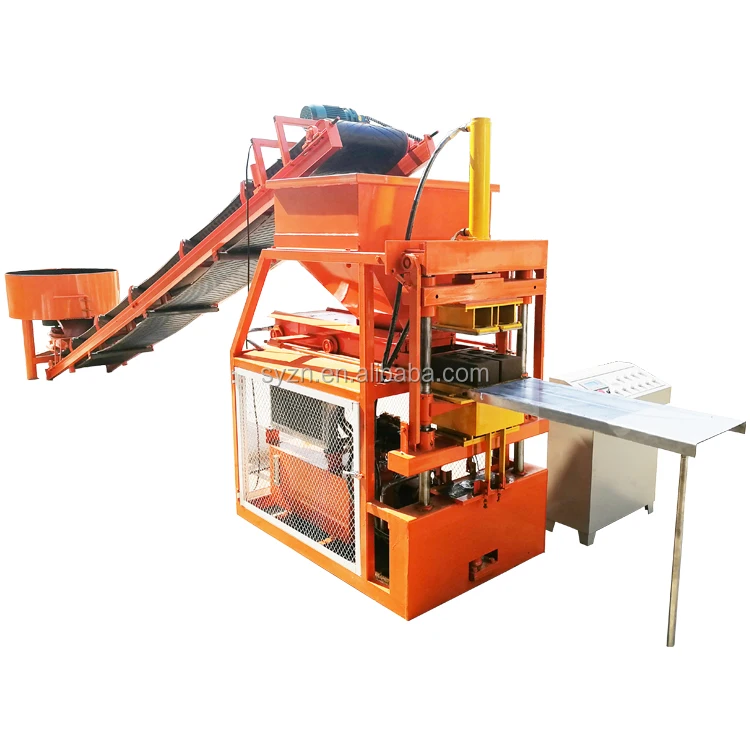 High quality block machine