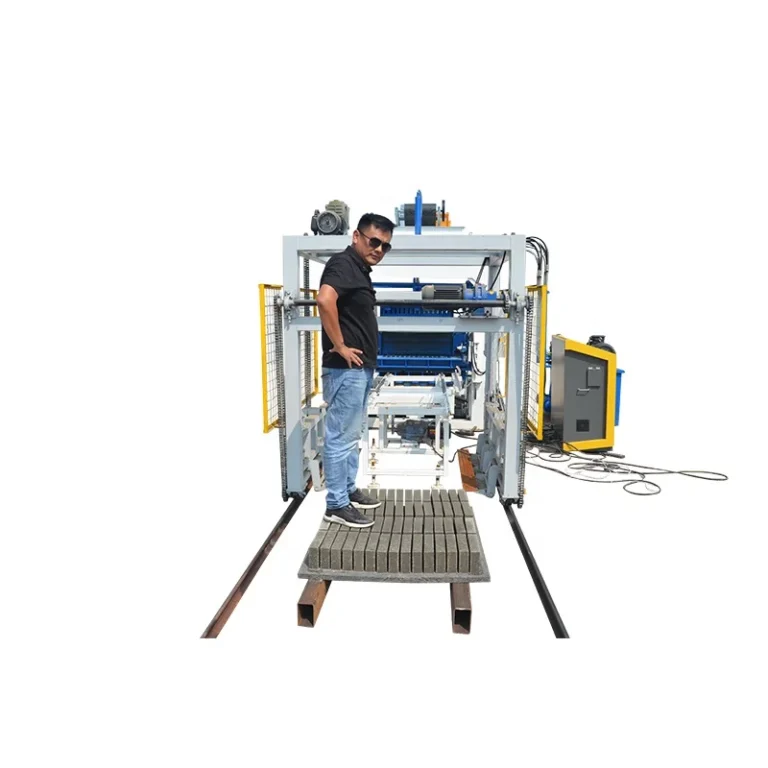
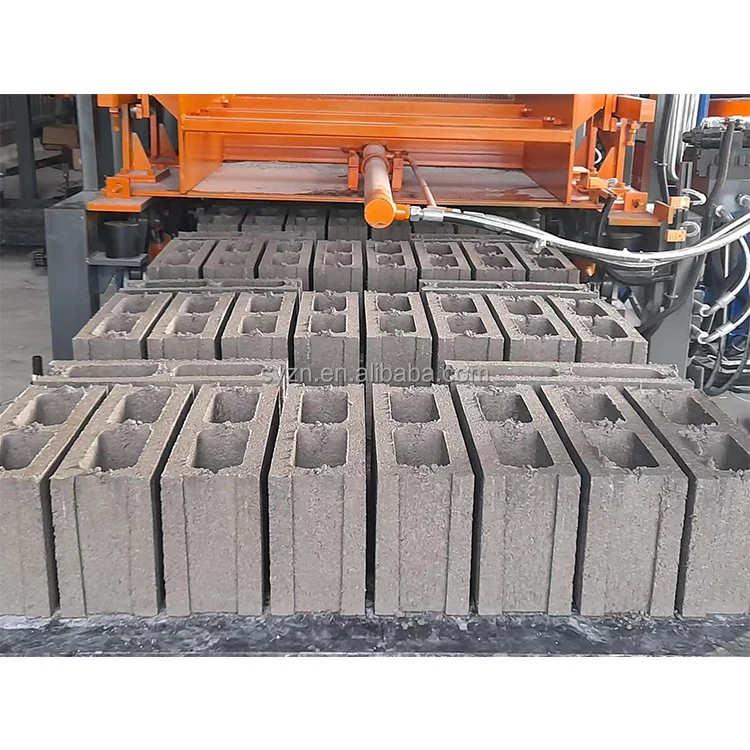
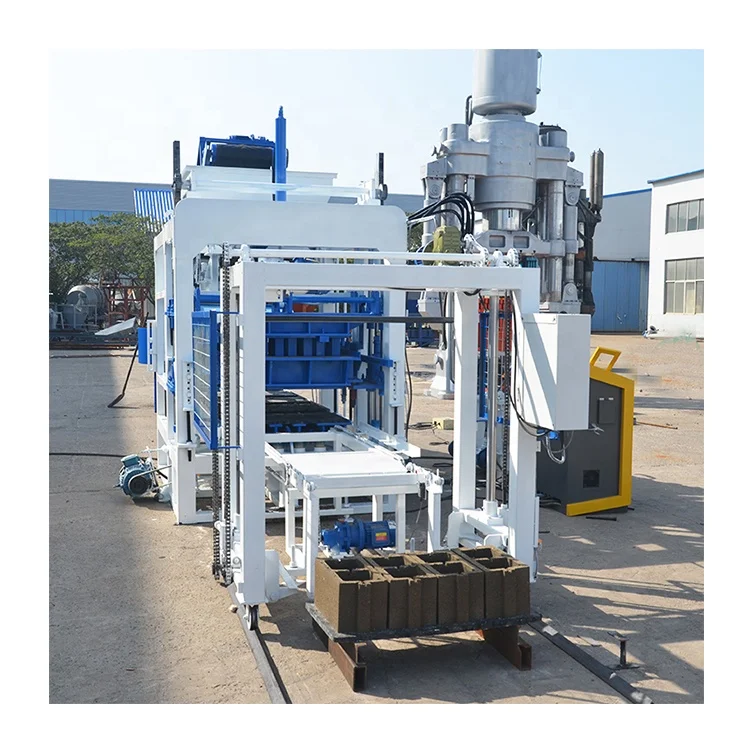
Matched to your raw materials and block format — the LY2-10 is specified against the clay, soil, and cement you actually source locally, not quoted against a catalogue default that falls short when your mix arrives on the shop floor.
Technical Specifications
| Parameter |
Value |
| Model |
LY2-10 |
| Product Type |
Clay Interlocking Block Making Machine |
| Rated Power |
7.5 kW |
| Molding Cycle |
10 s |
| Output Capacity |
6,000 pcs/8 hours (basis not stated in source — confirm block format, material, and thickness) |
| Pcs per Mould |
1 (for listed block sizes) |
| Block Formats |
300×150×100 mm / 250×125×75 mm / 230×220×115 mm |
| Raw Materials |
Clay, soil, earth, mud, concrete, cement, fly ash |
| Automation Level |
Semi-automatic |
| Overall Dimensions |
1300 × 1800 × 2400 mm |
| Voltage & Frequency |
Configurable to buyer requirement |
| Control System |
Configurable |
Application Suitability
| Application |
Material or Output |
| First interlocking brick plant setup |
Clay and soil mixed with small cement proportion |
| On-site block production for housing projects |
Locally excavated earth and mud |
| Adding clay interlocking formats to an existing range |
Clay, cement, and fly ash blends |
| Small-scale contractor self-supply |
Soil and concrete mixes for interlocking wall blocks |
Why "6,000 Bricks per Shift" Can Mislead a Buyer
Capacity is only meaningful when the block format behind the number is stated. When a quotation quotes output without telling you which block size it assumes, the real daily production often disappoints. I have seen buyers commit to a machine based on a headline figure, only to discover the number assumed a format their market does not buy. [NEED_CITE: capacity calculation transparency in block machinery quotations]
The clay block machine for sale market is full of capacity claims that omit the mould and block dimensions used to derive them. Before you compare quotations line by line, ask every supplier to state the exact block format, mould cavity count, and cycle time behind each capacity number. Without that context, you are comparing figures that do not describe the same product.

Where the LY2-10 Sits in the Full Range
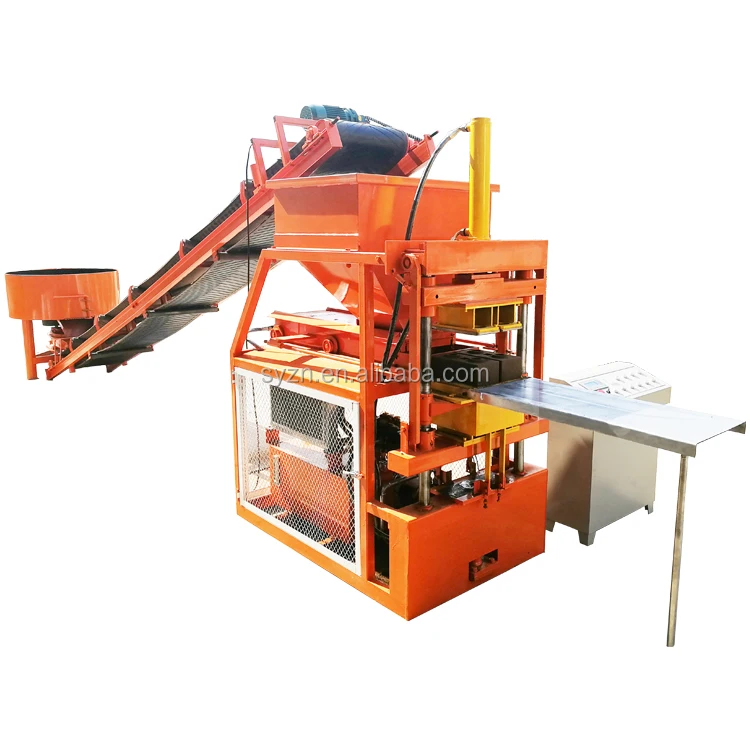
The LY2-10 occupies the entry-to-mid tier of the Shiyue block machine range. It serves buyers who need interlocking clay and cement brick capability without the capital outlay of a fully automatic line. With a 7.5 kW rated power, this clay block machine for sale draws less current than high-output automatic presses, making it viable for sites with limited electrical supply or where a dedicated transformer has not been installed. The semi-automatic configuration keeps initial investment lower while still allowing a future upgrade path toward greater automation as production volume grows.
Range Positioning Against Automatic and Mobile Alternatives
Automatic lines in the Shiyue range handle higher daily volumes with fully integrated pallet feeding, stacking, and cubing — suitable for plants running multiple shifts and targeting large infrastructure contracts. Mobile and egg-laying machines at the other end of the range serve contractors who produce blocks directly on a building site without a fixed factory footprint. The LY2-10 sits between these two extremes: a stationary semi-automatic press that delivers consistent interlocking block output from a compact plant, appropriate for entrepreneurs launching a first operation or established distributors adding a clay format to their catalogue. [NEED_CITE: block machine tier selection criteria for small and medium plants]
Reading the Specification Sheet for Production Impact
The 10-second molding cycle governs how fast each stroke completes, but actual hourly throughput also depends on how quickly an operator can remove the finished block and reposition the next pallet in the semi-automatic workflow. A well-trained operator working a familiar format can keep pace close to the theoretical cycle, while unfamiliar block shapes or poorly prepared clay mix will extend each cycle in practice.
The three listed block formats — 300×150×100 mm, 250×125×75 mm, and 230×220×115 mm — each produce one piece per mould. Switching between these formats requires a mould change, and the time that changeover takes directly subtracts from productive hours in a shift. Buyers planning to run multiple formats in a single day should confirm the changeover procedure and factor that downtime into their capacity planning.
The overall dimensions of 1300 × 1800 × 2400 mm mean the press itself occupies a relatively compact footprint, but the surrounding workspace for pallet staging, raw material feed, and finished block handling must also fit within your plant layout. Confirming the total line layout before ordering avoids the common problem of a press that fits the floor plan but leaves no room for material flow around it.
The Hidden Cost of Configuring Without Local Conditions
When a machine arrives configured for a raw material the buyer cannot source locally, the entire production plan stalls. Clay viscosity, moisture content, and aggregate particle size vary between regions, and a press set up for one soil profile will not necessarily produce合格 interlocking blocks with a different mix. I recall a line where the machine was tuned for sandy clay, but the buyer’s local earth was high in silt — block edges crumbled on demoulding, and weeks were lost adjusting parameters that should have been established before shipment. [NEED_CITE: importance of raw material testing before block machine commissioning]
Voltage and frequency mismatches create a different kind of delay. If the electrical specification was not confirmed before production, the motor and control panel may arrive incompatible with the local grid, requiring transformer upgrades or rewiring before the first test block can be pressed.
Why Buyers Source This Range Here
Block machinery is the single focus of Shiyue’s production, meaning the press, mould, pallet, and handling equipment are specified as one matched system rather than assembled from separate vendors who have never tested their components together.
Configuration decisions are made against the buyer’s actual mix design and target block format. For the LY2-10, this means confirming which of the three interlocking sizes the buyer’s market demands and setting the machine parameters accordingly before build.
Mould design and supply cover the formats the buyer actually sells, including custom drawings when the local market calls for dimensions outside the standard range.
Automation level is selectable, so a buyer can begin with semi-automatic pallet handling on the LY2-10 and plan an upgrade path as production volume and labour costs evolve. [NEED_CITE: block machine automation upgrade paths for growing plants]
Documentation & Verification
- Line layout and capacity calculation stating the block format assumed for the LY2-10
- Machine specification sheet with voltage, frequency, and control language confirmed
- Mould drawing and format list matching the buyer’s target interlocking sizes
- Factory test record and packing photographs provided before dispatch
- Operation and maintenance manual with wear parts and mould list included
Installation, Commissioning & Support
- Foundation plan suited to the 1300 × 1800 mm footprint and vibration characteristics of the LY2-10
- Electrical connection matching the confirmed voltage and 7.5 kW rated power requirement
- Assembly and alignment of press components upon arrival at the site
- First-run block pressing with the buyer’s own clay or soil mix to verify output quality
- Operator training covering mould changeover, cycle operation, and routine maintenance
- Wear parts list with reorder references for mould surfaces and hydraulic seals
What to Include in Your Inquiry
To size the right configuration, share the interlocking block dimensions your market buys and the daily volume you plan to produce. Provide a sample or description of the clay, soil, or cement mix you intend to use, along with your site voltage and frequency. If you have existing pallets or curing racks, tell us their dimensions so the handling workflow can be matched to what you already have.
Frequently Asked Questions
Q: How is the 6,000 pcs/8 hours capacity calculated, and which block format does it assume?
A: The capacity figure listed for the LY2-10 has not been tied to a specific block format in the source data. Before comparing this machine with alternatives, request a capacity calculation that states the exact mould size, material mix, and cycle assumptions behind the number. Without that context, daily output projections will be unreliable.
Q: What voltage and frequency options are available for the LY2-10?
A: Voltage and frequency are configurable to match the buyer’s local grid. These must be confirmed before production begins, because rewiring a motor and control panel after arrival delays commissioning by weeks. Share your site’s electrical specification during the inquiry stage so the correct configuration is built in.
Q: Where does the LY2-10 sit compared to fully automatic and mobile block machines in the range?
A: The LY2-10 is a stationary semi-automatic press in the entry-to-mid tier, between high-output automatic lines and portable egg-laying machines. It suits buyers launching a first interlocking block plant or adding a clay format without committing to full automation, with an upgrade path available as volume grows.
Q: Can the mould be changed to produce different interlocking block sizes, and how long does a changeover take?
A: The LY2-10 supports moulds for 300×150×100 mm, 250×125×75 mm, and 230×220×115 mm interlocking blocks. Changeover time depends on the specific mould mounting system fitted. Confirm the procedure and expected downtime before ordering if your production plan requires running multiple formats in one shift.
Q: What raw material preparation is needed before feeding clay or soil into the machine?
A: Clay and soil typically require screening to remove oversized stones and roots, moisture adjustment to suit the block format, and blending with any cement or fly ash binder before pressing. The exact preparation depends on your local material properties. Submit a sample description so the machine configuration matches what your site can supply.

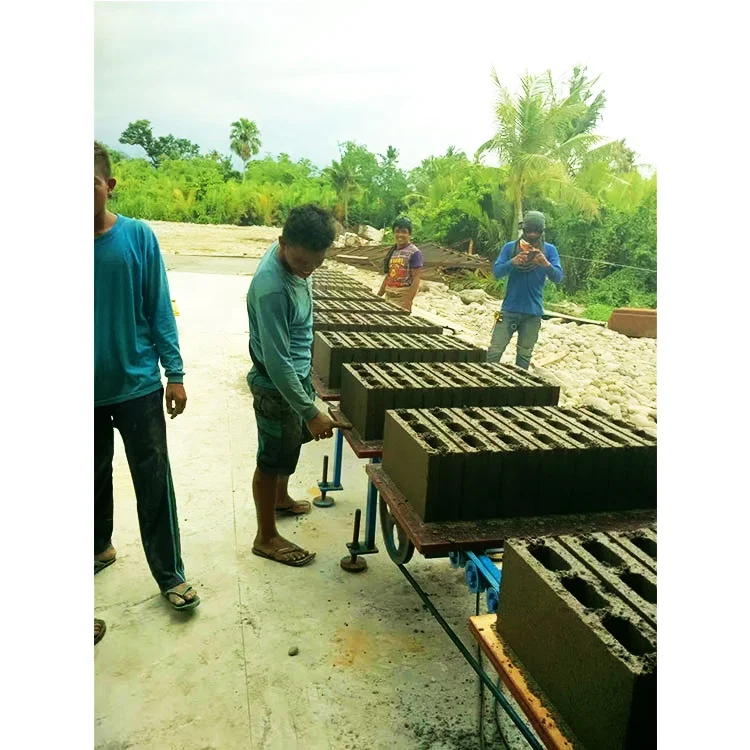 High quality block machine