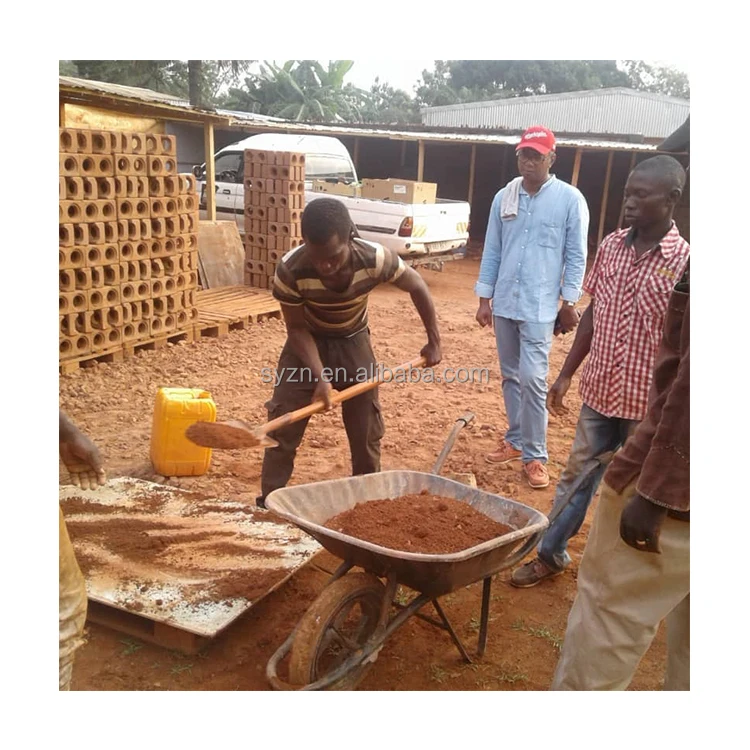
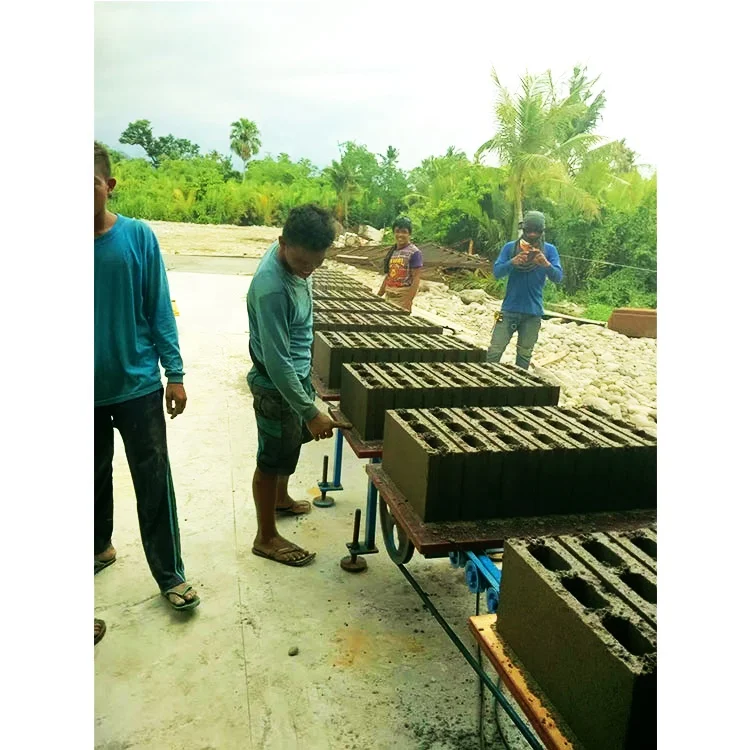
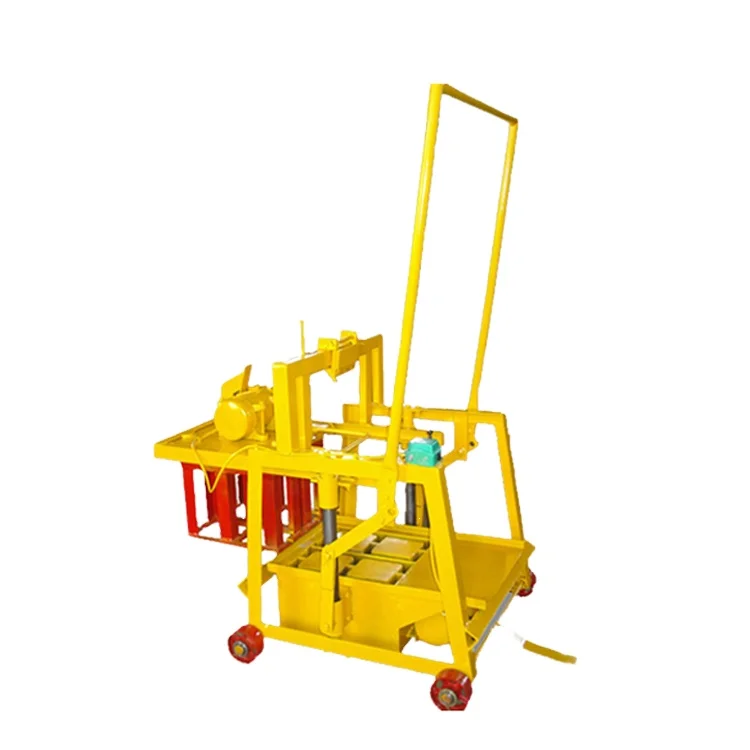
Matched system design — the QT6-15 automatic hydraulic block making machine is specified with pallets, moulds, and handling equipment as a coordinated line rather than isolated components.
Technical Specifications
| Parameter |
Value |
| Model |
QT6-15 |
| Product Type |
Automatic Hydraulic Concrete Block Making Machine |
| Overall Dimensions (L×W×H) |
8200×1700×2950 mm |
| Total Mass |
7 T |
| Vibration Form |
Platform Vibration |
| Vibration Frequency |
0-60 Hz (adjustable) |
| Vibration Force |
45 kN |
| Moulding Mode |
Automatic loading, vibration moulding |
| Demolding Method |
Hydraulic |
| Pallet Size |
880×850 mm |
| Molding Cycle |
15-20 s (basis not stated in source — confirm block format / material / thickness) |
| Overall Power |
37 kW |
| Control System |
PLC with touch screen HMI |
| Hydraulic System |
Independent integrated hydraulic station |
| Block Compressive Strength |
>15 MPa |
| Recommended Factory Area |
1200 m² |
| Output — Hollow Block 400×200×200 mm |
1080-1440 pcs/h (8640-11520 pcs/8hr) |
| Output — Hollow Block 400×150×200 mm |
1440-1920 pcs/h (11520-15360 pcs/8hr) |
| Output — Solid Brick 240×115×53 mm |
5760-7680 pcs/h (46080-61440 pcs/8hr) |
| Output — Rectangular Paver 200×100×60 mm |
2160-2880 pcs/h at 20-25 s cycle (17280-23040 pcs/8hr) |
| Output — Zigzag Paver 225×112.5×60 mm |
2160-2880 pcs/h at 20-25 s cycle (17280-23040 pcs/8hr) |
| Raw Material Adaptability |
Waste ash, slag, cement, various aggregates |
| Automation Level |
Automatic (PLC controlled, intelligent electronic control) |
| Voltage & Frequency |
Configurable (basis to be confirmed with buyer’s local supply) |
| PLC Display Language |
Configurable (basis to be confirmed before production) |
| Warranty |
1 year (excluding spare parts) |
Application Suitability
| Application |
Material or Output |
| Hollow block production for building walls |
Crushed stone, sand, cement, waste ash blends |
| Solid brick manufacturing |
Cement and fine aggregate mixes |
| Rectangular and zigzag paving brick production |
High-strength concrete mixes with graded aggregates |
| On-site block production for housing projects |
Locally sourced aggregates with cement binder |
| Multi-format concrete product plants |
Interchangeable moulds across hollow, solid, and paver formats |
What "Pieces per Hour" Actually Means for Your Block Plant
Capacity figures only matter when tied to a specific block format and mix design.
I have watched buyers in West Africa compare automatic hydraulic block making machine quotations by the headline hourly number alone, only to discover after commissioning that the figure assumed a block size their market does not buy. The QT6-15 output varies considerably across formats — hollow blocks at 400×200×200 mm yield a different hourly count than 200×100×60 mm pavers, and the molding cycle stretches from 15 seconds to 25 seconds depending on thickness and material. [NEED_CITE: how block format assumptions distort capacity comparisons across quotations] Without a line layout that states the assumed format, daily output projections remain guesswork.

Placing the QT6-15 Within a Complete Machine Range
Buyers evaluating their first fixed-plant investment need to understand where this automatic hydraulic block making machine sits relative to semi-automatic and mobile options. The QT6-15 occupies a mid-tier position, delivering PLC-controlled automation and hydraulic demolding for operations moving beyond manual pallet handling. Its 1200 m² recommended factory area sets a clear floor-space benchmark that helps buyers gauge whether their site can accommodate a full curing and stacking layout alongside the press.
From Mobile Units to Fixed-Plant Automatic Lines
Entrepreneurs who started with egg-laying mobile machines often reach a point where daily volume demands outstrip what a single mobile unit can deliver. The QT6-15 represents a logical step into stationary production, where pallet-based curing and consistent vibration parameters produce blocks with compressive strength exceeding 15 MPa. The transition also means the buyer must plan for raw material feeding, mixer capacity, and pallet circulation — elements that are not part of a mobile machine’s footprint but become critical in a fixed installation. [NEED_CITE: typical production volume thresholds where buyers transition from mobile to stationary block machines]
Vibration Force, Hydraulic Pressure, and Block Density
The 45 kN vibration force working through the platform at adjustable frequencies up to 60 Hz compacts the concrete mix before the hydraulic system completes demolding. This combination directly determines whether hollow blocks achieve the >15 MPa strength target or fall short. The 880×850 mm pallet size must align with the curing racks and forklifts already on site — a mismatch here forces the buyer to replace handling equipment or accept inefficient manual transfers. Hydraulic demolding isolates the finished block from vibration damage during extraction, preserving edge definition on pavers and interlocking formats.
When the Wrong Configuration Reaches the Site
A machine configured for a clean aggregate mix that the buyer cannot source locally forces a costly material change or a complete re-tune of vibration parameters. I saw a buyer in West Africa receive an automatic hydraulic block making machine calibrated for washed river sand while their local supply carried high clay content — the vibration frequency and pressure needed full recalibration, and daily output dropped sharply until the settings matched the actual material. [NEED_CITE: impact of local aggregate variation on block compressive strength and cycle time]
Voltage and PLC language present a similar trap. If the 37 kW power demand is not matched to the site’s transformer capacity, or the HMI displays in a language the operators cannot read, commissioning stalls before the first production run begins.
Why Source This Machine Through a Single-Focus Supplier
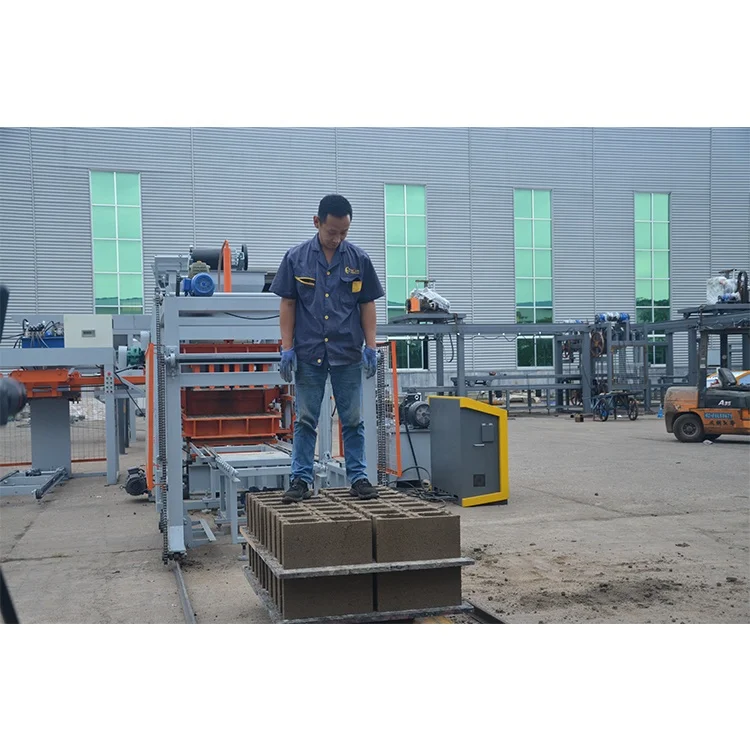
Block machinery as a single focus means the QT6-15 press, moulds, pallets, and handling equipment are specified as one matched system rather than assembled from separate vendors. Configuration is set against the buyer’s actual mix design and target block format, not a catalogue default. Mould design covers the formats the buyer’s market actually sells, with custom drawings available for non-standard sizes. Automation level is selectable, so a buyer can begin with a semi-automatic pallet handling arrangement and add automatic stacking later. Installation support includes operator training so the crew understands mould change procedure and PLC fault diagnosis from day one.
Documentation & Verification
- Line layout with capacity calculation stating the block format assumed for each output figure
- Machine specification sheet confirming voltage, frequency, and PLC display language before production
- Mould drawing and format list showing every block type included in the quotation
- Pallet specification aligned with curing rack dimensions and forklift capacity
- Factory test record and packing photographs provided before container loading
- Customs documentation support for smooth import clearance at destination port
Installation, Commissioning & Support
- Foundation planning based on the 8200×1700 mm footprint and 7 T operating mass
- Dedicated power circuit sized for 37 kW overall demand at the confirmed voltage and frequency
- Machine dismantled for container shipment and reassembled on-site with alignment checks
- PLC touch screen configured in the operator’s language before commissioning begins
- Operator training covering mould change, vibration parameter adjustment, and fault diagnosis
- Wear parts and mould replacement list supplied with the operation and maintenance manual
Before You Request a Quotation
Share the specific block formats your market demands, the daily output you need per format, and the raw materials available at your site including aggregate type and source. Confirm your local voltage, frequency, and preferred PLC display language. Providing your available factory area and existing handling equipment helps us match pallet size and automation level to your actual conditions.
Frequently Asked Questions
Q: How is QT6-15 capacity calculated per block format, and what daily output should I plan for?
A: Output varies by format — the 400×200×200 mm hollow block yields 8640-11520 pieces per 8-hour shift, while rectangular pavers at a 20-25 second cycle yield 17280-23040 pieces. We provide a line layout stating the exact format assumed so buyers can plan real daily production against their market demand.
Q: Where does the QT6-15 sit in the full Shiyue machine range compared to other tiers?
A: It occupies the mid-tier of our automatic block machine range, suited for buyers stepping up from semi-automatic or mobile machines into a fixed-plant line. It offers PLC-controlled hydraulic pressing with a 1200 m² recommended factory area, sitting between smaller workshop machines and high-capacity automatic lines.
Q: What plant footprint and supporting equipment does the QT6-15 require?
A: The recommended factory area is approximately 1200 m² to accommodate the press, raw material feeding, mixer, pallet circulation, and curing racks. Pallet size of 880×850 mm must align with your existing forklift and curing rack dimensions for efficient handling.
Q: Can I start with a semi-automatic configuration and upgrade automation later?
A: Yes. The automation level is selectable, allowing buyers to begin with manual pallet handling and add automatic stacking or cubing systems as production volume grows. The PLC platform supports these upgrades without replacing the core press or hydraulic station.
Q: What voltage, frequency, and PLC language options are confirmed before shipment?
A: Voltage and frequency are configured to match the buyer’s local power supply, and the PLC touch screen display language is set to the operator’s preference. Both are confirmed during the quotation stage before production begins to avoid commissioning delays.

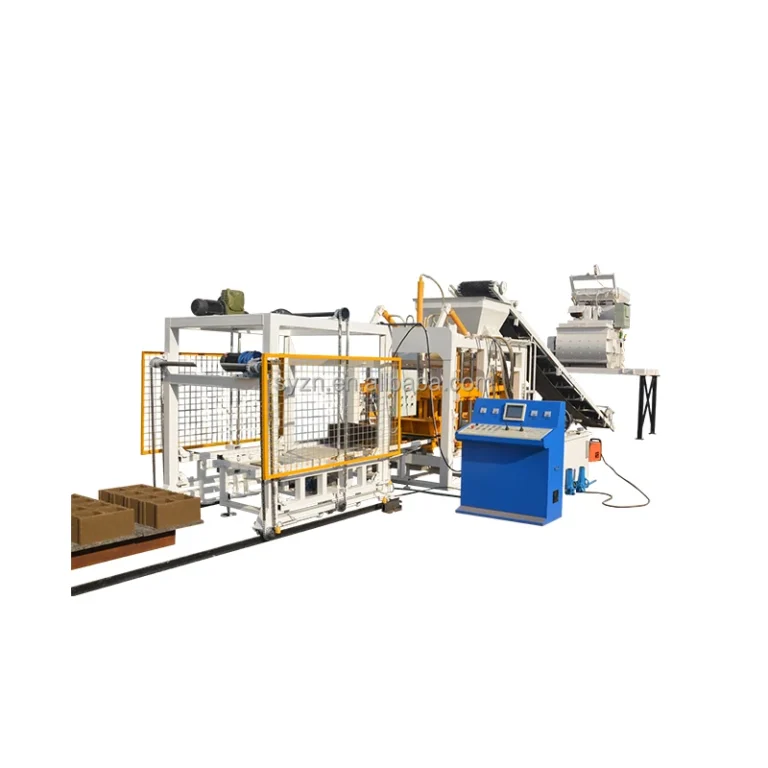 High quality block machine