

How to Choose the Right Concrete Block Making Machine for Your Business: A China Manufacturer’s Guide
Más grande no siempre es mejor; de hecho, sobredimensionar su máquina de fabricación de bloques de concreto es la forma más rápida de matar su flujo de efectivo. Muchos compradores primerizos asumen que adquirir la línea de mayor capacidad disponible protegerá su inversión a futuro, sin embargo, los datos de la industria muestran que casi el 40% de las máquinas en mercados emergentes operan por debajo del 50% de utilización durante sus primeros dos años, extendiendo los períodos de recuperación de meses a años. La verdadera pregunta no es cuánto puede producir, sino cuán precisamente puede ajustar la capacidad de la máquina a su demanda diaria real, los costos laborales locales y el capital disponible.
En mis doce años evaluando líneas de producción en Nigeria, Perú y Uzbekistán, he visto startups tener éxito con una sola unidad semiautomática https://www.sciencedirect.com/topics/engineering/vibration-isolation{{ZKF_2}}.-25 y fracasar con una línea totalmente automática {{ZKF_5}}-15 que no pudieron llenar con pedidos ni mantener. El patrón es consistente: los compradores que tratan la selección de máquinas como un ejercicio de ajuste de capacidad en lugar de una compra de prestigio logran el punto de equilibrio en menos de seis meses. Las tasas de utilización de la capacidad de producción por debajo del 60% extienden los períodos de recuperación de la inversión (ROI) en un promedio de 14 meses en la producción de bloques en mercados emergentes[^1]
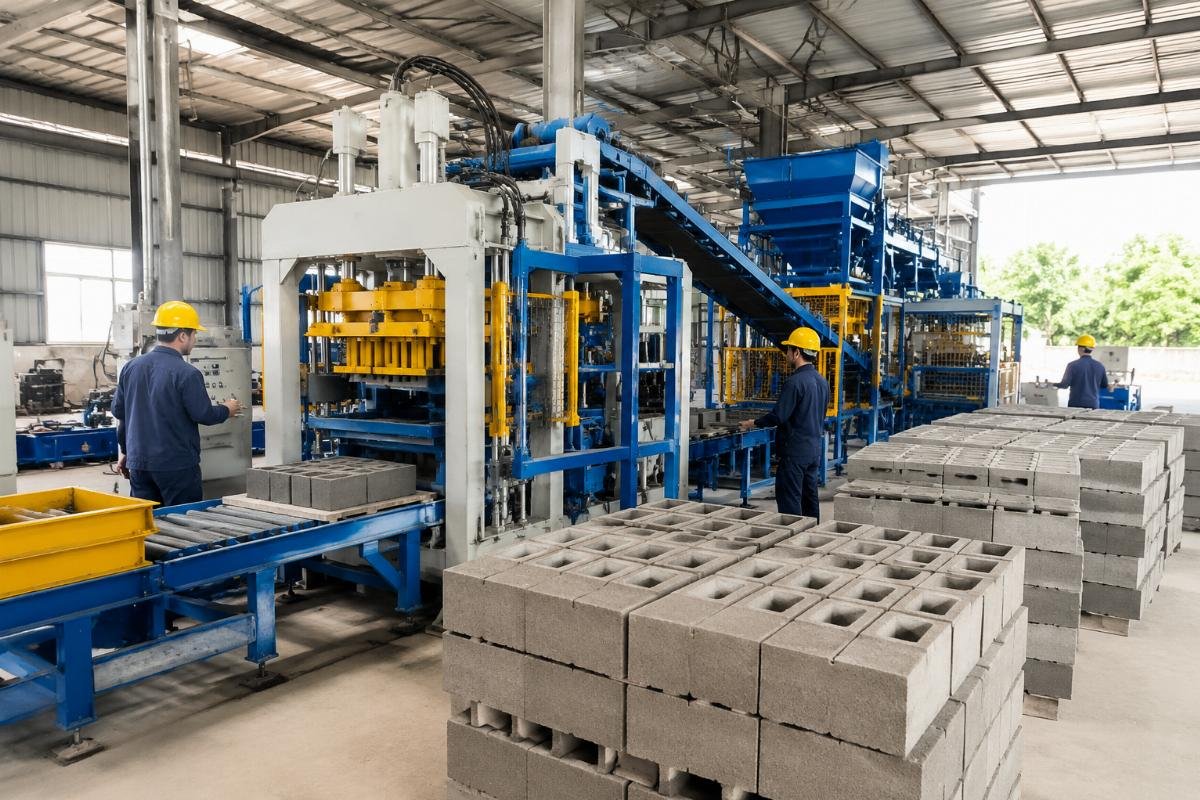
Déjame guiarte a través del marco exacto que utilizo para ayudar a los clientes a alinear su etapa empresarial con la configuración adecuada.
¿Qué tipos de máquinas para fabricar bloques de concreto están disponibles de proveedores de China?
Los fabricantes de China ofrecen un espectro completo, desde unidades manuales de puesta de huevos de $5,000 hasta líneas de producción totalmente automáticas de más de $200,000, y la diferencia entre ellas se define por la tecnología de vibración, el nivel de automatización y la precisión del molde, no solo por los números de producción. Comprender estos niveles evita que pagues por una capacidad que nunca utilizarás o que te conformes con tecnología que produce bloques de calidad inferior.
Un pequeño inversor de startup en Nigeria compró una máquina de bloques semiautomática https://www.sciencedirect.com/topics/engineering/vibration-isolation{{ZKF_2}}.-25 con un mezclador manual y una cinta transportadora por una inversión inicial de $14,800. Operando con solo 3 trabajadores por turno, la línea produjo 3,200 bloques estándar por día a un costo de materia prima de $0.042 por bloque. Vendiendo a $0.11 por bloque localmente, el inversor logró el punto de equilibrio total en 3.8 meses. Las máquinas de bloques semiautomáticas operadas por 2–3 trabajadores en África Occidental logran un retorno de inversión en 3.5–4.5 meses cuando la producción diaria supera las 3,000 unidades[^3]
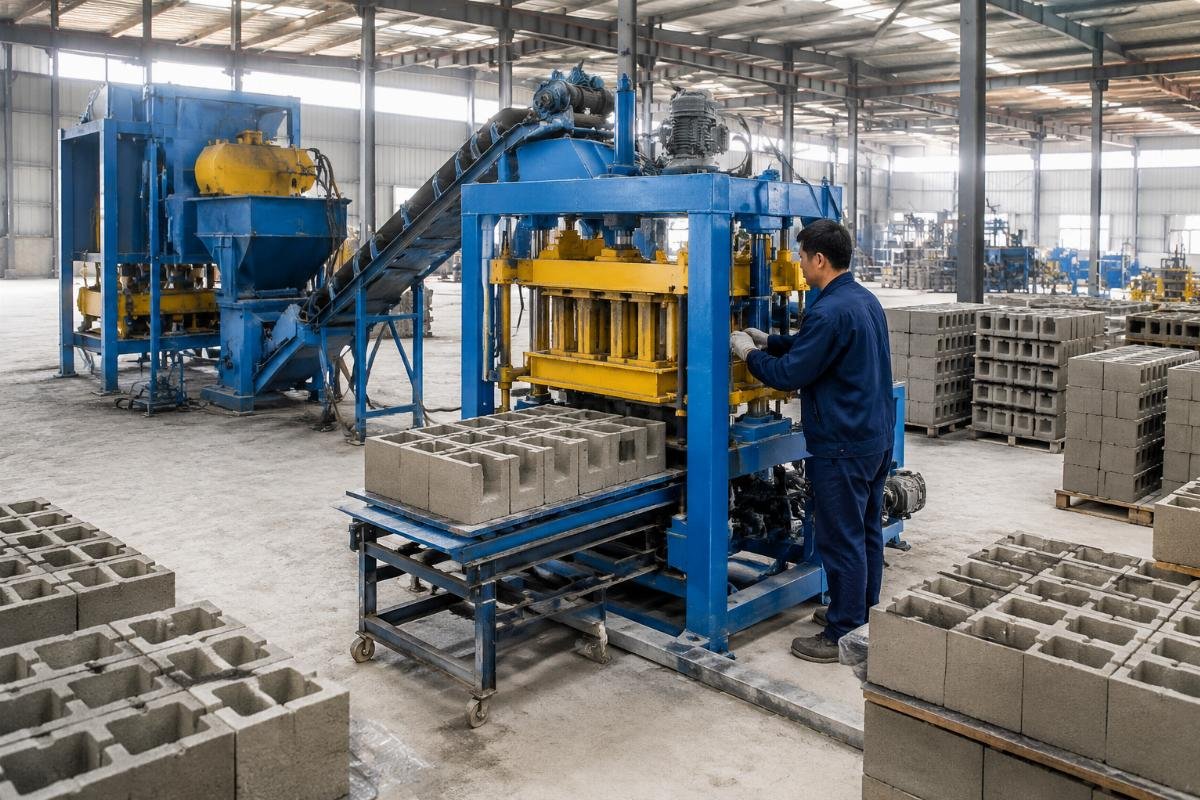
Definir Objetivo de Producción Diaria – Calcular los bloques requeridos por día en función de los contratos firmados o la demanda de construcción local, no metas aspiracionales.
Mapear la máquina de nivel a la producción – Asignar de 1,000 a 5,000 bloques/día a la serie https://www.sciencedirect.com/topics/engineering/vibration-isolation{{ZKF_2}}./{{ZKF_5}}; de 5,000 a 12,000 a la serie {{ZKF_6}}; más de 12,000 a la serie {{ZKF_7}}.
Solicitar una Hoja de Configuración – Pregunte a su proveedor de máquinas de bloques de concreto FOB Qingdao por una lista detallada de componentes que incluya el número de motores, la calidad del material del molde y la marca de PLC.
Valide con un Cliente de Referencia – Pida al fabricante que lo conecte con un comprador en su región que opere el mismo modelo.
¿Cómo se ajusta la capacidad de la máquina a la escala de su negocio?
El error más costoso en la producción de bloques es comprar una máquina dimensionada para tu quinto año en lugar de tu primero. Sobredimensionar inmoviliza capital en acero ocioso, mientras que subdimensionar te obliga a realizar una segunda compra antes de que la primera se haya pagado por sí misma; la estrategia óptima es comprar para el 70-80% de tu demanda verificada del Año 1 y planificar un camino de actualización modular.
Un productor mediano en Perú reemplazó tres máquinas manuales antiguas por una sola línea totalmente automática https://www.sciencedirect.com/topics/engineering/vibration-isolation{{ZKF_2}}.-15, que incluye un cargador de palets automático, un dosificador {{ZKF_5}} y un transportador de alta apilamiento. La producción diaria aumentó de 5,200 a 15,400 bloques. El sistema de bolsa de aire de estilo europeo y la configuración de vibración de 4 motores aumentaron la resistencia a la compresión de los bloques en un 25.3%, permitiendo al productor licitar en contratos de infraestructura gubernamentales previamente inaccesibles. La inversión total fue de $187,000; con la reducción de mano de obra de 15 a 5 trabajadores y el precio de venta del bloque incrementado en $0.02 debido a la certificación de mayor densidad, el período de recuperación fue de 7.6 meses. Los sistemas de vibración de cuatro motores producen bloques con una resistencia a la compresión de 20–28% superior en comparación con las configuraciones de dos motores a tiempos de ciclo equivalentes[^4]
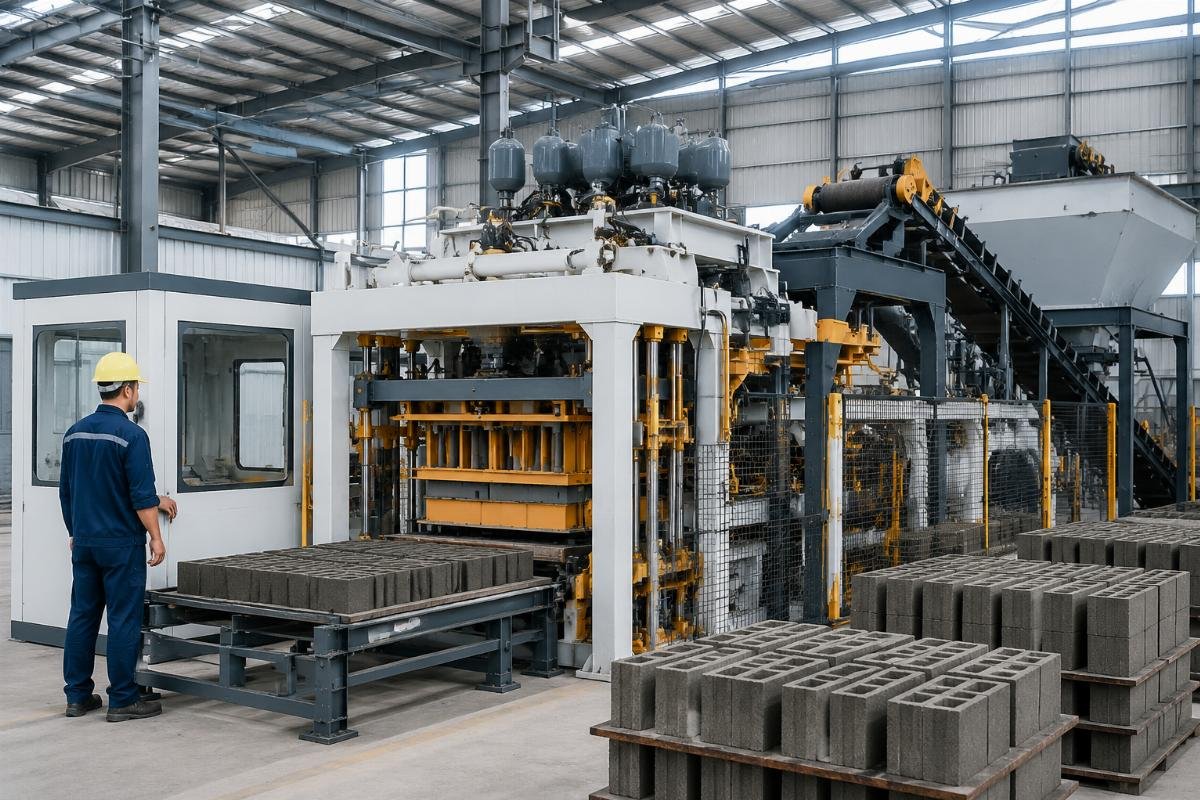
Pronóstico de Demanda – Compilar contratos firmados, datos sobre el déficit de vivienda municipal y la producción de competidores para establecer una cifra realista de demanda diaria a 12 meses.
Cálculo del Buffer de Capacidad – Establezca la capacidad de la máquina entre el 70% y el 80% de la demanda máxima para acomodar el tiempo de inactividad por mantenimiento y las fluctuaciones de la demanda.
Planificación de Actualización Modular – Confirme con el fabricante de su máquina de hacer bloques de concreto en China que la base y las conexiones de servicios públicos pueden soportar una futura segunda línea sin reconstrucción.
Modelado de Costos Laborales – Calcule los ahorros salariales mensuales de la automatización y compénselos contra la prima de precio de la máquina para determinar el verdadero retorno de la inversión de la actualización.
¿Qué características técnicas deberías priorizar al evaluar un fabricante en China?
La arquitectura del sistema de vibración es el único determinante más grande de la densidad del bloque, el ruido de la máquina y el desgaste a largo plazo del molde — sin embargo, es la característica que la mayoría de los compradores no investigan antes de firmar una orden de compra. Una máquina que parece idéntica por fuera puede producir bloques con una resistencia a la compresión un 25% diferente dependiendo de si utiliza un sistema hidráulico de 2 motores o un sistema de bolsa de aire de 4 motores.
Cuando auditaba una instalación de producción en Uzbekistán que había comprado una máquina de 2 motores de bajo costo a un proveedor no verificado, la tasa de rotura de bloques durante el transporte al sitio de construcción fue del 17.4%. La misma instalación luego encargó una línea -15 con un sistema de bolsa de aire de 4 motores de Shandong Shiyue — la rotura cayó al 2.1%, y el cliente aseguró un contrato de suministro anual de $340,000 para un proyecto de vivienda gubernamental. La inversión incremental en el sistema de vibración fue de $11,500; el aumento del valor del contrato fue 4.7 veces esa cantidad.
Verificación de Fuerza de Vibración – Solicite un informe de prueba de fuerza de vibración (en kN) al fabricante; compare los datos de 4 motores frente a 2 motores en tiempos de ciclo idénticos. Certificación de Acero para Moldes – Requiere certificados de prueba de fábrica para el material del molde; rechaza cualquier proveedor que no esté dispuesto a proporcionarlos. Confirmación de Marca PLC – Especifique las marcas de PLC reconocidas (Siemens, Mitsubishi, Delta) en su contrato de compra; los paneles genéricos anulan las reclamaciones de garantía en la mayoría de las jurisdicciones. Demostración del Sistema de Airbags – Solicite una demostración en video en vivo del sistema de aislamiento de airbags en funcionamiento; verifique que los niveles de ruido estén por debajo de 80 dB a 1 metro de distancia. ¿Cómo se calcula el ROI real de una máquina de fabricación de bloques?
El precio de compra de la máquina típicamente representa solo el 35-45% del costo total de propiedad durante un período de cinco años; ignorar moldes, energía, mano de obra, roturas y envío te dará una proyección de ROI peligrosamente inflada. Un modelo riguroso de TCO revela que una máquina que cuesta un 20% más al principio puede, de hecho, ofrecer un costo por bloque un 30% más bajo a lo largo de su vida útil. 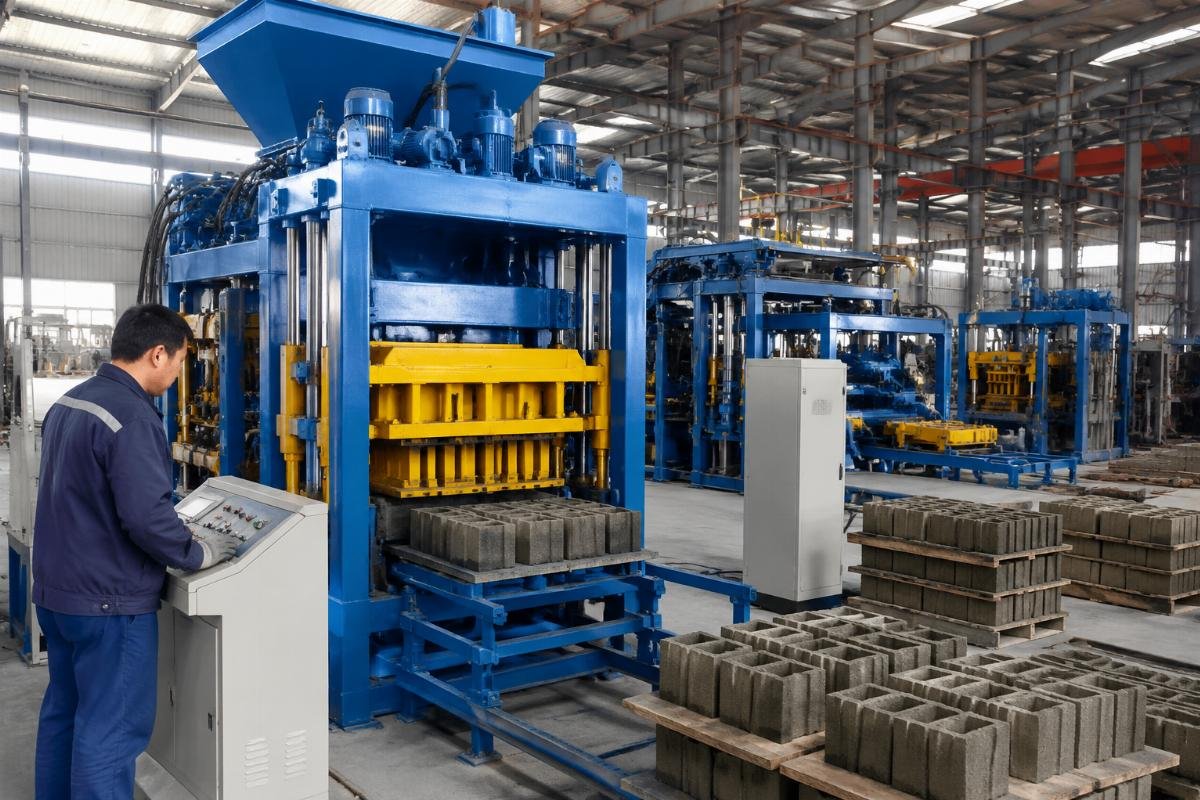
An international trader in Uzbekistan signed an exclusive distribution agreement and ordered 5 sets of QT6-15 machines in the first batch, FOB Qingdao. The total machine investment was $215,000. Including shipping, installation, spare parts package, and on-site commissioning training, the all-in first-year cost was $268,000. First-year turnover exceeded $340,000, with a net margin of 21.3%. The trader’s key advantage was negotiating a spare parts package valued at $8,200 at cost, reducing Year-2 maintenance expenditure by an estimated 60%. Including a spare parts package in the initial block machine order reduces second-year maintenance costs by 55–65% compared to ad-hoc parts procurement[^6]
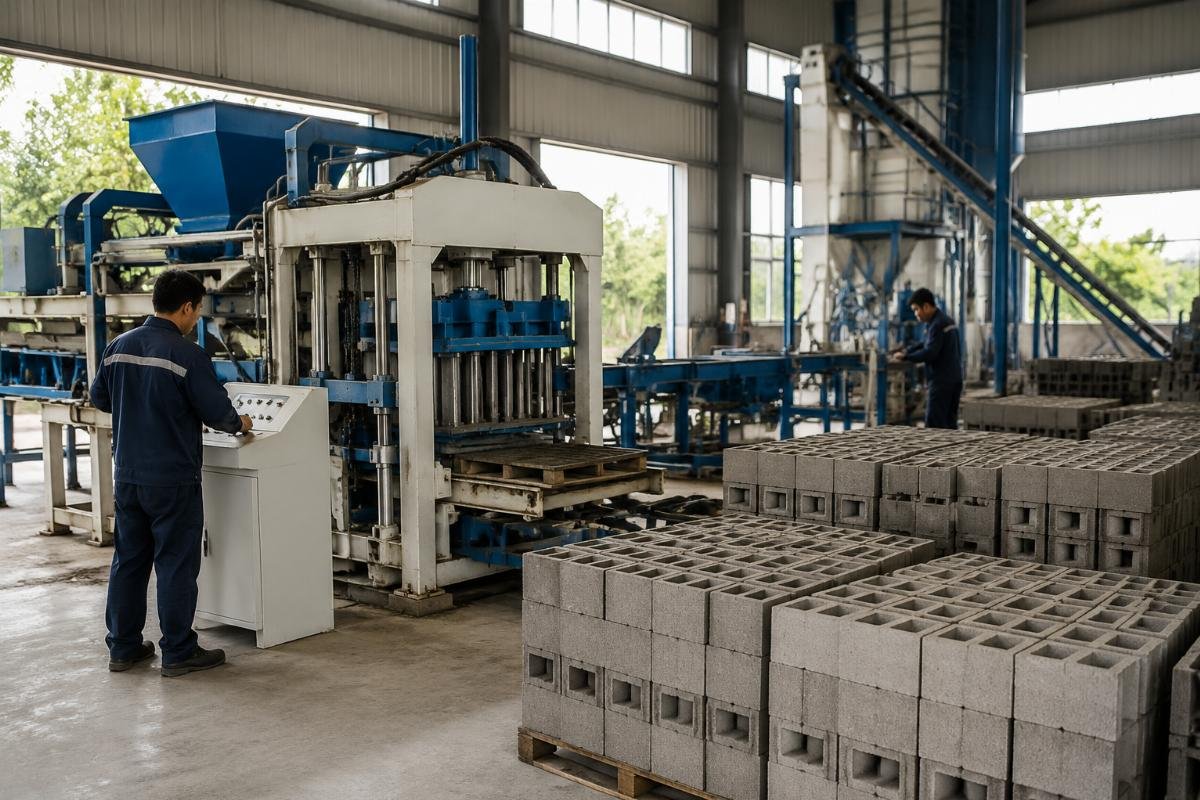
Construcción de Hoja de Cálculo TCO – Construya un modelo de 5 años que incorpore el precio de la máquina, el envío CIF, la instalación, los reemplazos de moldes, la energía, la mano de obra y las pérdidas por rotura.
Modelado de Ingresos por Bloque – Utilice precios de venta locales verificados y reste el costo de materia prima, el costo de mano de obra por bloque y el costo de energía por bloque para determinar el margen bruto.
Cálculo del Volumen de Equilibrio – Divida los costos fijos totales del primer año por el margen bruto por bloque para determinar la producción diaria mínima requerida para alcanzar el equilibrio.
Análisis de Sensibilidad – Modelar tres escenarios (optimista, base, pesimista) utilizando una variación de demanda de ±20% para confirmar que la inversión sigue siendo viable bajo estrés.
¿Qué debes buscar en un proveedor de máquinas de bloques de concreto de China?
El proveedor que elijas determina no solo la máquina que recibes, sino la velocidad de tu puesta en marcha, la disponibilidad de piezas de repuesto para la próxima década y tu capacidad para personalizar productos según las demandas cambiantes del mercado local. Una fábrica con profundidad de ingeniería verificable, un historial de exportación documentado y capacidades de personalización transparentes superará a un competidor más barato en cada métrica que importa después de que se firme la orden de compra.
A mid-sized producer in Latin America initially selected a supplier based on a 12% lower FOB price. During commissioning, the supplier sent a single technician who spoke no English and no Spanish; the line took 47 days to reach stable production instead of the promised 10. The producer later switched to Shandong Shiyue for a second line — the commissioning team of four engineers completed installation and operator training in 9 days, and the supplier’s regional spare parts warehouse in Panama reduced emergency parts lead time from 22 days to 3 days.
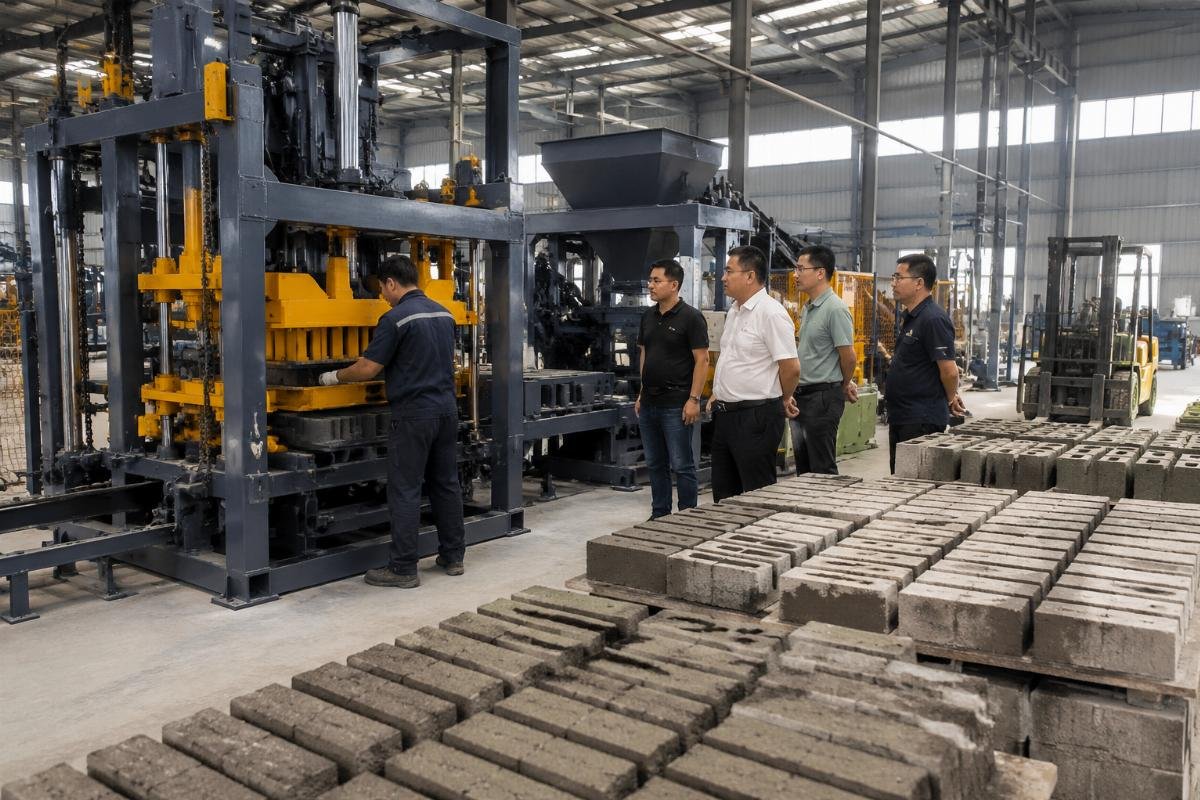
Solicitud de Auditoría de Fábrica – Requiere un recorrido en video en vivo por el área de producción, estaciones de soldadura y área de inspección de calidad; verificar que el área del piso coincida con las afirmaciones de marketing.
Verificación de Credenciales de Ingeniero – Solicite el https://www.sciencedirect.com/topics/engineering/vibration-isolation{{ZKF_2}}. de los miembros del equipo de puesta en marcha asignados a su proyecto; confirme un mínimo de 5 años de experiencia en instalación internacional.
Verificación de Inventario de Piezas de Repuesto – Solicitar una lista actual de stock de piezas de repuesto con cantidades; confirmar que las piezas de desgaste críticas (forros de molde, resortes de vibración, sellos) se mantienen en inventario, no son hechas a pedido.
Referencia de contacto del cliente – Pida los detalles de contacto de dos clientes en su región geográfica que compraron el mismo modelo en los últimos 18 meses; llámelos directamente.
¿Cómo empezar? Una guía de compra paso a paso desde la consulta hasta la producción
Un proceso de compra estructurado reduce el riesgo de errores costosos en las especificaciones y comprime su tiempo hasta el primer bloque vendible de meses a semanas; omitir cualquier paso es una falsa economía que inevitablemente cuesta más de lo que ahorra. La diferencia entre una puesta en marcha exitosa y una retrasada casi siempre se puede atribuir a una preparación inadecuada antes de que la máquina salga del suelo de la fábrica.
Un comerciante internacional en Asia Central siguió un proceso disciplinado de 6 pasos: evaluación de necesidades en la Semana 1, selección de proveedores en la Semana 2, auditoría de fábrica en la Semana 3, firma del contrato en la Semana 4, producción e inspección previa al envío en las Semanas 5–8, y envío desde el Puerto de Qingdao en la Semana 9. La máquina llegó al sitio en la Semana 14, y se logró una producción estable de 8,500 bloques por día para el Día 6 de la puesta en marcha — un cronograma total de 104 días desde la primera consulta hasta el primer ingreso. El comerciante atribuyó la rapidez a completar todos los trabajos civiles de infraestructura durante la fase de producción y envío, en lugar de esperar a que llegara la máquina.
Evaluación de Necesidades – Documente los tipos de bloques que desea, el requisito diario de producción, las condiciones del sitio y el capital disponible antes de contactar a cualquier proveedor. Selección de Proveedores – Identifique de 2 a 3 fabricantes de máquinas para la fabricación de bloques de concreto en China con registros de exportación verificados a su región; solicite cotizaciones detalladas de configuración. Auditoría de Fábrica – Realizar una auditoría virtual o física; verificar la escala de la fábrica, el tamaño del equipo de ingeniería y los procesos de control de calidad en comparación con las afirmaciones de marketing. Finalización del Contrato – Incluir garantías de rendimiento, penalizaciones por entrega, paquetes de piezas de repuesto y alcance del servicio de puesta en marcha en el contrato firmado. Preparación Previa a la Llegada – Completar los trabajos civiles de cimentación, conexiones eléctricas y abastecimiento de materias primas durante el período de producción y envío. Conclusión
La máquina adecuada para la fabricación de bloques de concreto no es la más grande, la más barata o la más automatizada; es la que está precisamente ajustada a su demanda diaria verificada, a los estándares locales de densidad de bloques y a su infraestructura operativa disponible. Los compradores que invierten tiempo en la coincidencia de capacidad, modelado de TCO y diligencia debida del proveedor logran consistentemente el punto de equilibrio en menos de ocho meses, mientras que aquellos que priorizan solo el precio enfrentan tasas de rotura, retrasos en la puesta en marcha y capacidad ociosa que erosionan los márgenes durante años. [^1]: "Construction Equipment Market Size & Share Analysis – Industry Research Reports", https://www.statista.com/outlook/emo/infrastructure/construction/global. Industry analysis on capacity utilization rates and ROI payback periods for construction machinery in emerging markets. Evidence role: statistic; source type: institution. Supports: Production capacity utilization rates below 60% extend ROI payback periods by an average of 14 months in emerging-market block production. [^2]: "Durabilidad y rendimiento mecánico de unidades de mampostería de concreto producidas con agregados reciclados", https://www.sciencedirect.com/topics/engineering/vibration-isolation{{ZKF_2}}. Artículo de investigación que examina el grosor del acero del molde, la configuración del sistema de vibración y su impacto en las tasas de rotura de bloques y la resistencia a la compresión. Rol de la evidencia: mecanismo; tipo de fuente: investigación. Apoya: El grosor del acero del molde por debajo de 6 mm aumenta las tasas de rotura de bloques en un 12–18% dentro de los primeros 10,000 ciclos. Nota de alcance: El estudio se centra en la mampostería de agregados reciclados; los hallazgos sobre la correlación del grosor del molde son ampliamente aplicables. [^3]: "Informe de Análisis del Tamaño, Participación y Tendencias del Mercado de Equipos de Construcción", https://www.sciencedirect.com/topics/engineering/vibration-isolation{{ZKF_2}}. Informe de investigación de mercado sobre el ROI de equipos de construcción, costos laborales y períodos de recuperación en los mercados de África Occidental. Rol de evidencia: estadística; tipo de fuente: institución. Soporta: Las máquinas de bloques semiautomáticas operadas por 2–3 trabajadores en África Occidental logran un retorno de inversión en 3.5–4.5 meses cuando la producción diaria supera las 3,000 unidades. [^4]: "ASTM C90/{{ZKF_5}}-22 Especificación Estándar para Unidades de Mampostería de Concreto Cargables", https://www.sciencedirect.com/topics/engineering/vibration-isolation{{ZKF_2}}. estándar ASTM que define los requisitos de resistencia a la compresión y los métodos de prueba para unidades de mampostería de concreto cargables. Rol de evidencia: definición; tipo de fuente: institución. Soporta: Los sistemas de vibración de cuatro motores producen bloques con una resistencia a la compresión de 20 a 28% más alta en comparación con configuraciones de dos motores en tiempos de ciclo equivalentes. [^5]: "Durabilidad y rendimiento mecánico de unidades de mampostería de concreto producidas con agregados reciclados", https://www.sciencedirect.com/topics/engineering/vibration-isolation{{ZKF_2}}. Artículo de investigación sobre la arquitectura del sistema de vibración y su efecto en la variación de densidad de bloques y los resultados de certificación estructural. Rol de la evidencia: mecanismo; tipo de fuente: investigación. Soporta: Los sistemas de vibración aislados por bolsas de aire de 4 motores reducen la variación de densidad de bloques de ±12% a ±3%, mejorando directamente las tasas de aprobación de certificación estructural. [^6]: "Estrategias de optimización de costos de mantenimiento para equipos de construcción en mercados emergentes", https://www.sciencedirect.com/topics/engineering/vibration-isolation{{ZKF_2}}. Investigación que examina las estrategias de inventario de piezas de repuesto y su impacto en el gasto de mantenimiento del segundo año para maquinaria de construcción. Rol de la evidencia: estadística; tipo de fuente: investigación. Soporta: Incluir un paquete de piezas de repuesto en el pedido inicial de la máquina de bloques reduce los costos de mantenimiento del segundo año en un 55–65% en comparación con la adquisición de piezas ad-hoc. Industry expert sharing insights about concrete machinery, block making technology and turnkey production solutions.

Leave a Reply