

Las 10 principales características a buscar al comprar una máquina de bloques de China
La máquina de bloques más barata en Alibaba te costará un 40% más en tres años que una con un precio un 15% más alto. La mayoría de los importadores primerizos descubren esto de la manera más dura: después de que la garantía se anula, picos de defectos inexplicables y una línea de producción que permanece inactiva esperando a un técnico que nunca llega. Choosing the right block machine from China is not about finding the lowest FOB price; it is about matching ten critical engineering and service features — vibration system design, automation architecture, peripheral equipment compatibility, and verifiable after-sales infrastructure — to your local market’s raw materials, labor economics, and production scale. A machine built with European-style airbag damping, four-motor synchronized vibration, and modular PLC control can push defect rates below 2% and deliver full ROI in under 12 months, even in infrastructure-constrained emerging markets across Africa, Central Asia, and the Middle East. He pasado la última década auditando fábricas de máquinas de bloques en las provincias de Shandong, Fujian y Guangdong, y el patrón es inconfundible: los compradores que tratan la compra como una comparación de especificaciones casi siempre se arrepienten, mientras que aquellos que evalúan el costo total de propiedad y las métricas de verificación de la fábrica construyen operaciones rentables dentro de su primer año. Los compradores que evalúan el costo total de propiedad en lugar del precio inicial logran un ROI 3–5 meses más rápido que aquellos que priorizan el costo FOB más bajo[^1] Déjame guiarte a través de las diez características que separan una inversión sólida de una lección costosa.
El sistema de vibración es la característica de ingeniería más importante en cualquier máquina de bloques de concreto, sin embargo, es la más comúnmente malinterpretada por los compradores internacionales. Determina directamente la densidad del bloque, la resistencia a la compresión, el acabado superficial y, de manera crítica, su tasa de defectos. Una máquina con un sistema de vibración mal diseñado producirá bloques que se agrietan durante el curado, fallan en las pruebas de compresión y erosionan su reputación con los contratistas locales antes de que termine su primer año.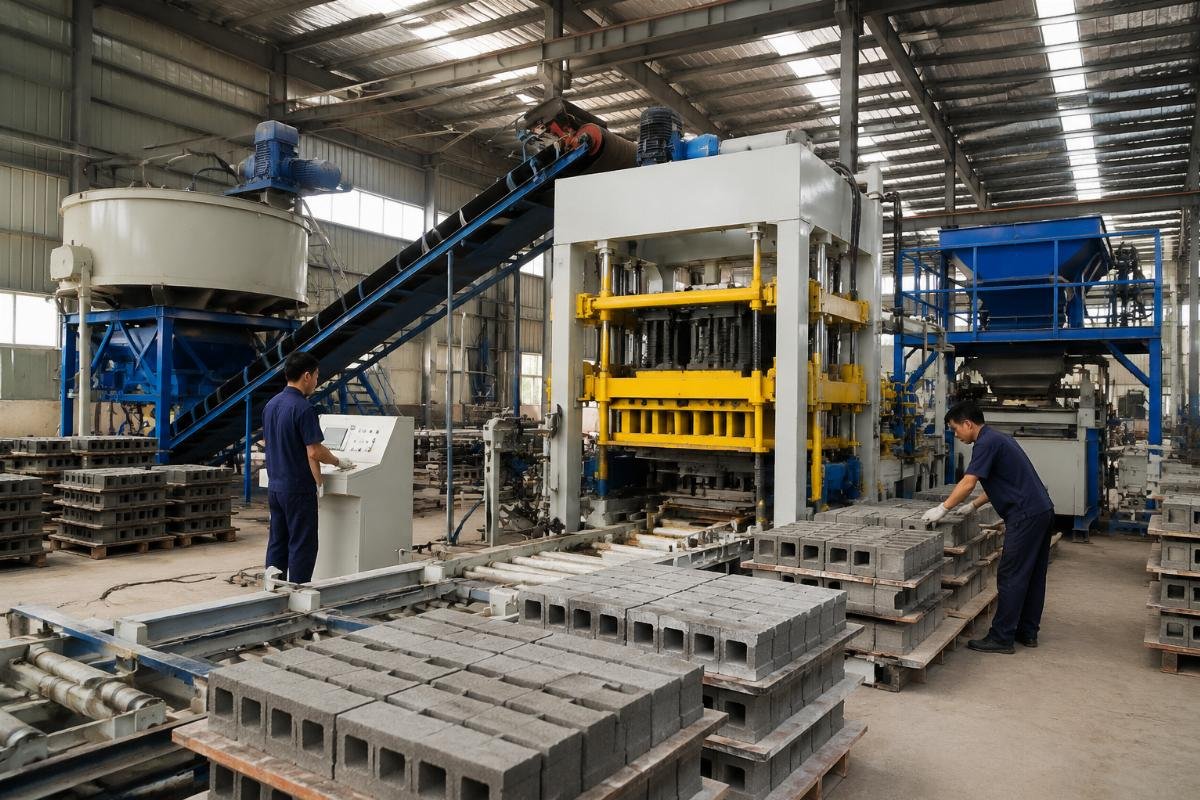
Why Does the Vibration System Matter More Than the Machine’s Price Tag?
Un inversor de startups de África Occidental de Nigeria se acercó a nosotros con un presupuesto de $32,000 y cero experiencia previa en producción de bloques. Inicialmente había preseleccionado una máquina de $24,500 de un proveedor en Fujian — una unidad de doble motor con amortiguación por resorte. Después de que le mostramos una prueba de densidad lado a lado, eligió nuestra línea semiautomática https://www.sciencedirect.com/topics/engineering/vibration-isolation{{ZKF_2}}.-26 con vibración de bolsa de aire de cuatro motores en su lugar, a $37,800. En ocho meses, su producción diaria se estabilizó en 3,500 bloques estándar, su tasa de defectos disminuyó de un estimado del 8% (su método manual anterior) al 2.7%, y alcanzó el punto de equilibrio en el mes nueve. Los sistemas de vibración suspendidos por bolsa de aire reducen las tasas de defectos de bloques en 5–6 puntos porcentuales en comparación con los equivalentes con amortiguación por resorte en configuraciones semiautomáticas[^3]
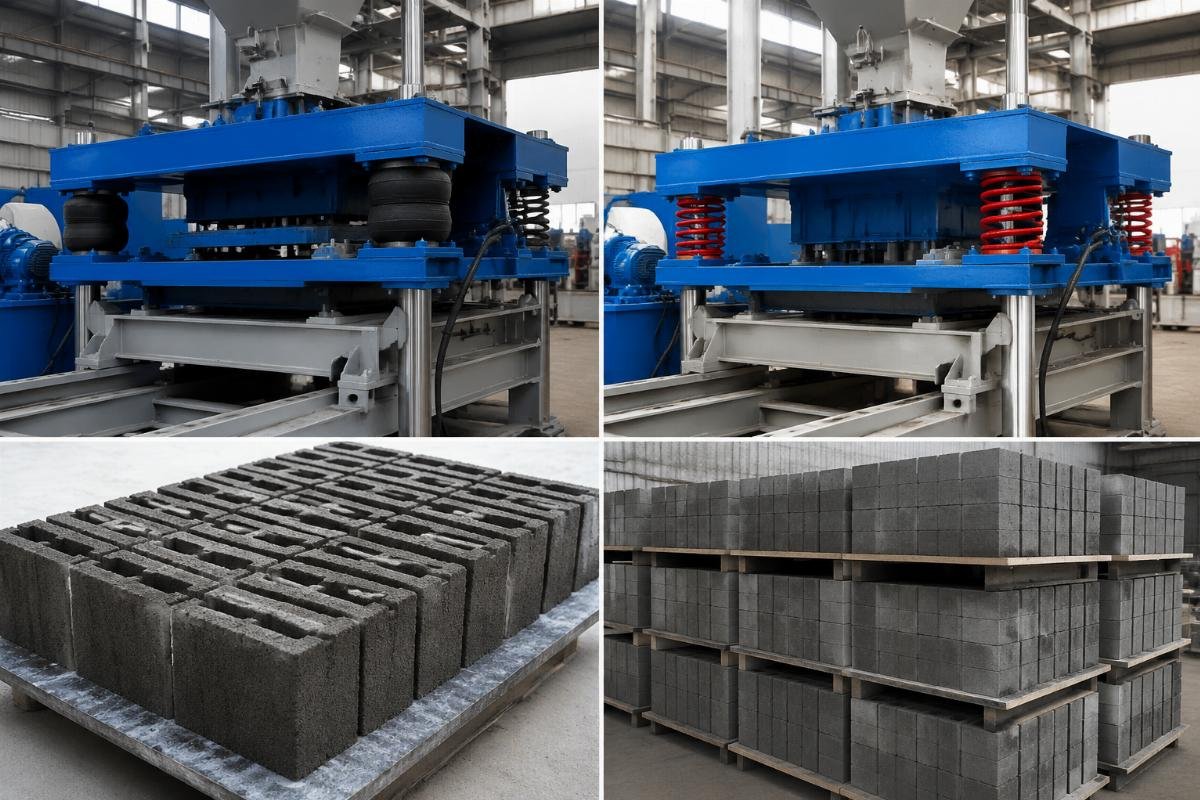
Solicitar Datos de Prueba de Vibración – Pida al proveedor la salida en kN por motor, el rango total de frecuencia de vibración y los resultados de la prueba de variación de densidad en al menos tres tipos de bloques.
Comparar la Arquitectura de Amortiguación – Insista en la suspensión de bolsa de aire; si el proveedor solo ofrece amortiguación por resorte, pida una explicación por escrito y garantías sobre la tasa de defectos.
Verificar la Sincronización del Motor – Requiere una demostración en video que muestre todos los motores funcionando simultáneamente con una lectura estroboscópica u osciloscópica que confirme la alineación de fase.
Calcular el Impacto de la Densidad – Utilice la fórmula: densidad objetivo (kg/m3) por ASTM C90 ÷ densidad lograda = porcentaje de brecha de calidad; rechace cualquier máquina con una brecha superior al 5%.
¿Cómo igualar la capacidad de la máquina a su demanda real del mercado?
La capacidad de compra excesiva es el segundo error más costoso después de elegir el sistema de vibración incorrecto, y es completamente evitable con un cálculo de demanda inversa. Muchos compradores son seducidos por números de modelo como https://www.sciencedirect.com/topics/engineering/vibration-isolation{{ZKF_2}}.-15 o {{ZKF_5}}-15 sin calcular primero cuántos bloques absorbe realmente su mercado local por día. El resultado es una máquina funcionando al 30% de utilización, consumiendo capital que podría haberse desplegado en un segundo turno o en una expansión de línea de productos.
Un productor a mediana escala en Uzbekistán estaba operando una línea semiautomática que producía 5,000 bloques por día con 12 trabajadores. Necesitaba triplicar la producción para ganar un contrato municipal, pero no estaba seguro si comprar una segunda línea o actualizar. Recomendamos nuestra línea totalmente automática -15 con cargador de palets automático, apilador y planta de dosificación integrada. Después de la puesta en marcha, su producción diaria alcanzó los 15,200 bloques, su fuerza laboral se redujo de 12 a 5, y el sistema de vibración de bolsa de aire al estilo europeo redujo el ruido del taller en aproximadamente 15 dB mientras mejoraba la densidad del bloque en un 19.4%. La actualización se pagó sola en 11.3 meses basándose únicamente en los ingresos del nuevo contrato.
Mapear la Demanda Local – Encuestar al menos cinco contratistas locales o programas de vivienda gubernamentales para establecer un consumo mensual de bloques realista. Ejecutar la Fórmula de Utilización – (Producción diaria requerida ÷ Producción diaria nominal de la máquina) × 100; objetivo de 65–85% de utilización, nunca por encima del 90%. Especificar la variedad de moldes por adelantado – Ordene un mínimo de tres tipos de moldes con la máquina; adaptar moldes más tarde cuesta entre un 20 y un 30% más que la compra agrupada. Modelo de Economía de Dos Turnos – Compara el ROI de un solo turno frente al ROI de dos turnos; si la diferencia de recuperación supera los cuatro meses, planifica para dos turnos desde el primer día. ¿Qué equipo de soporte realmente necesitas?
Una máquina de bloques es tan productiva como su componente periférico más débil — y los transportadores, mezcladores o sistemas de dosificación desajustados son el cuello de botella oculto que destruye las afirmaciones de producción. Los proveedores que venden máquinas independientes sin un diseño de línea integrado no te están haciendo un favor; están transfiriendo la carga de la ingeniería de sistemas a ti. La diferencia entre una afirmación de 10,000 bloques por día y una realidad de 6,200 bloques es casi siempre un desajuste periférico.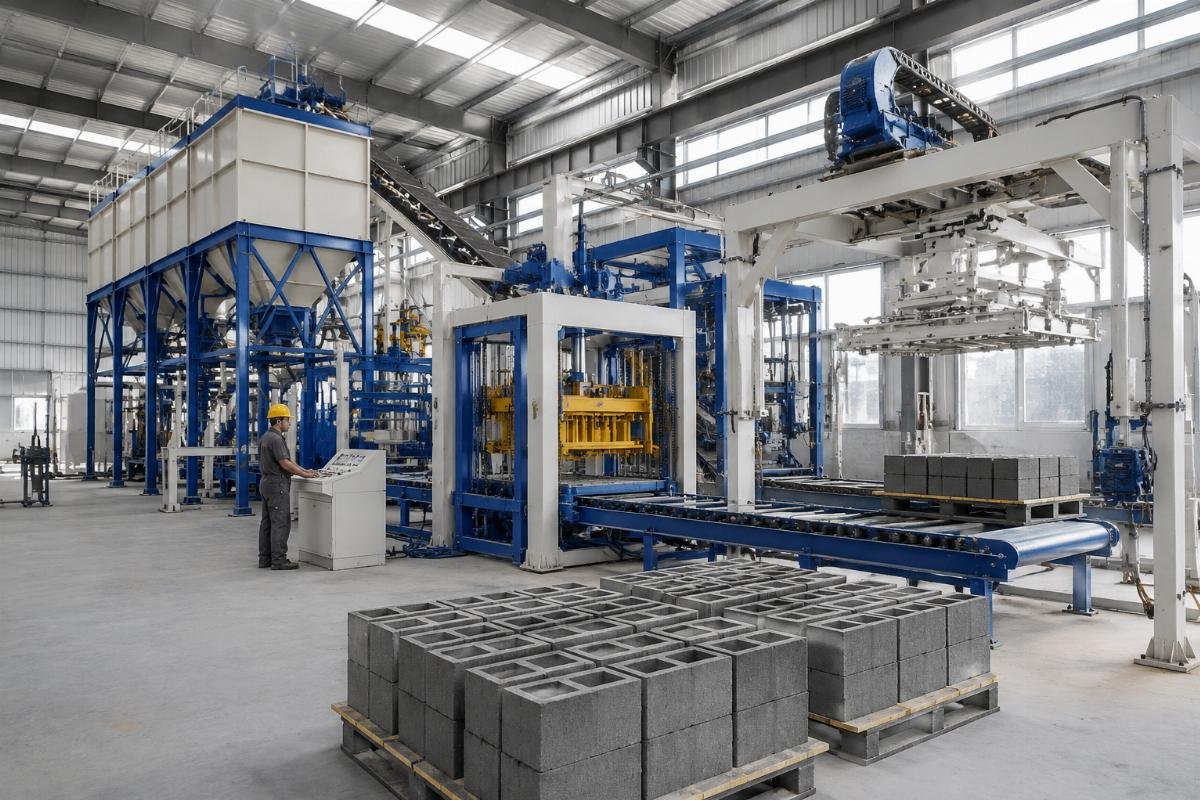
Un proyecto de vivienda afiliado al gobierno en Irak requería 46,000 m2 de capacidad de cadena de suministro respaldada por fábrica para entregar bloques que cumplieran con los estándares sísmicos locales (resistencia a la compresión ≥7.5 ). Suministramos una línea completa llave en mano: silo de cemento, alimentador de color, mezclador planetario, sistema de transporte, máquina principal
-15, cargador automático de palets, apilador y planta de dosificación electrónica, con puesta en marcha en el sitio y capacitación de operadores entregadas dentro de un ciclo de producción a puesta en marcha de 45 días. Nuestro equipo de más de 320 ingenieros proporcionó soporte técnico tanto remoto como en el sitio durante todo el proceso. Los bloques terminados se probaron consistentemente en 8.1–8.6 https://www.sciencedirect.com/topics/engineering/vibration-isolation{{ZKF_2}}., superando el requisito sísmico, y el diseño periférico integrado aseguró cero tiempo de inactividad relacionado con cuellos de botella durante los primeros seis meses de operación.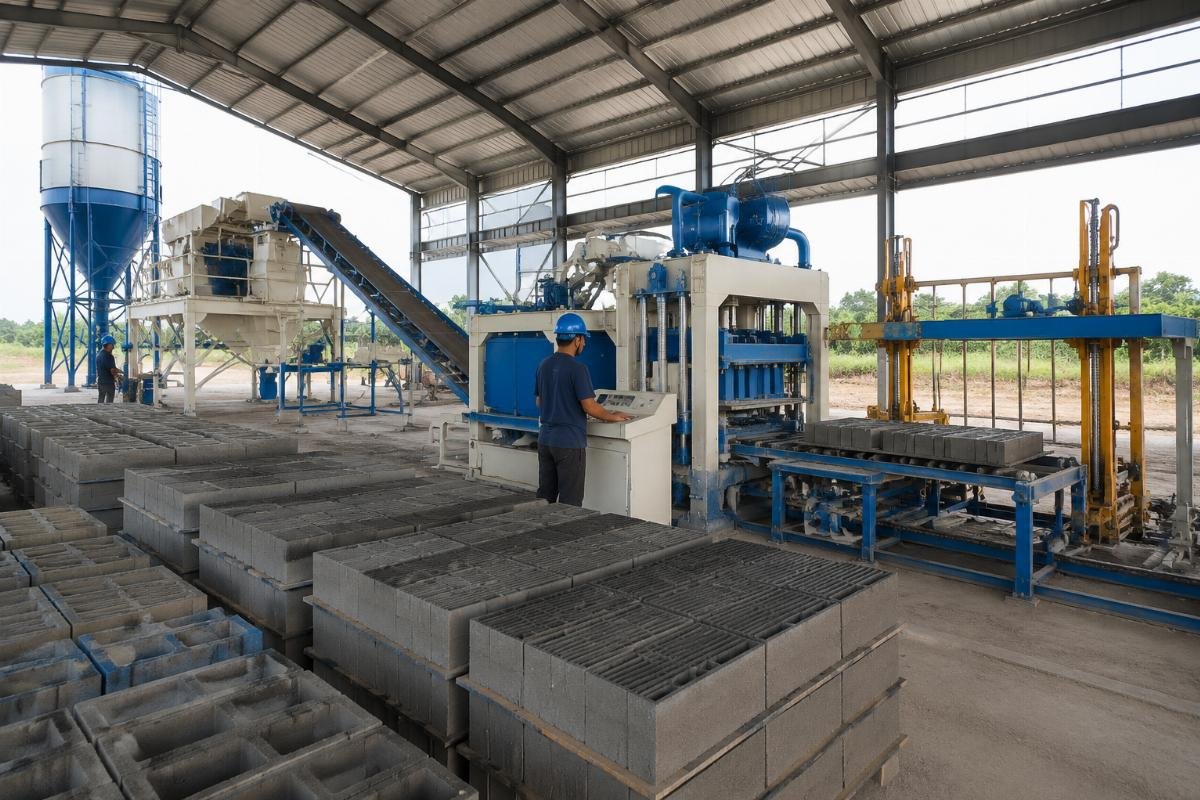
- Audit Peripheral Ratios – Verify that mixer discharge volume, conveyor belt speed, and batching cycle time all align within ±5% of the main machine’s cycle time.
- Synchronize Pallet Systems – Ensure automatic pallet loaders and return conveyors are rated for the same cycle time as the main machine; request the supplier’s cycle time synchronization certificate.
Especificar Dosificación Electrónica – Rechazar la dosificación volumétrica para cualquier proyecto que requiera una resistencia a la compresión consistente; el ahorro de material por sí solo justifica la inversión en un plazo de 8 a 14 meses.
Plan para el Almacenamiento de Cemento – Incluir un silo de cemento con al menos 7 días de capacidad de almacenamiento a la tasa máxima de producción para prevenir el tiempo de inactividad impulsado por la cadena de suministro.
How Can You Verify a Chinese Manufacturer’s Real Production Capability?
El tamaño de la fábrica, el número de ingenieros, la especialización del taller y la documentación de exportación son proxies verificables de calidad — y cualquier proveedor que no pueda proporcionarlos a solicitud debe ser eliminado de inmediato. El mercado de máquinas de bloques en China incluye cientos de talleres que ensamblan máquinas en almacenes convertidos sin un sistema de gestión de calidad, sin departamento de I+D y sin historial de exportación. Distinguir un fabricante genuino de una empresa comercial o un microtaller requiere evidencia específica y documentable.
Cuando un comerciante internacional de Pakistán estaba evaluando proveedores para un acuerdo de agencia exclusivo, solicitó tres cosas: un recorrido en video en vivo por el piso de la fábrica, una lista de cinco clientes existentes en el sur de Asia dispuestos a proporcionar referencias y copias de las certificaciones CE e ISO con números de certificado verificables. El proveedor con el que finalmente se asoció — que opera una instalación de 46,000 m2 con más de 320 ingenieros y exporta a más de 108 países — cumplió con los tres criterios en un plazo de 48 horas. Dos otros proveedores preseleccionados no pudieron proporcionar referencias de clientes verificables y fueron eliminados de la consideración.
Solicite un recorrido en video en vivo – Programe una llamada de video en tiempo real recorriendo las áreas de soldadura, mecanizado, ensamblaje y pruebas; los videos pregrabados no son aceptables. Solicitar Referencias de Clientes Regionales – Pida al menos tres clientes activos en su región geográfica con detalles de contacto; haga un seguimiento con al menos dos. Número de Ingenieros de Auditoría – Solicite un organigrama que muestre el tamaño del equipo de ingeniería desglosado por disciplina; los fabricantes con menos de 50 ingenieros no pueden soportar proyectos complejos de automatización o llave en mano. ¿Qué soporte postventa deberías esperar?
La instalación, la puesta en marcha, la formación de operadores, la capacidad de solución de problemas a distancia y la disponibilidad de piezas de repuesto determinan si su máquina funciona de manera rentable durante diez años o se convierte en un costoso monumento a una mala decisión de compra. La cláusula de postventa en su contrato no es una cortesía: es la herramienta de mitigación de riesgos más importante que tiene. Negocie antes de firmar, no después de que la máquina llegue a su puerto.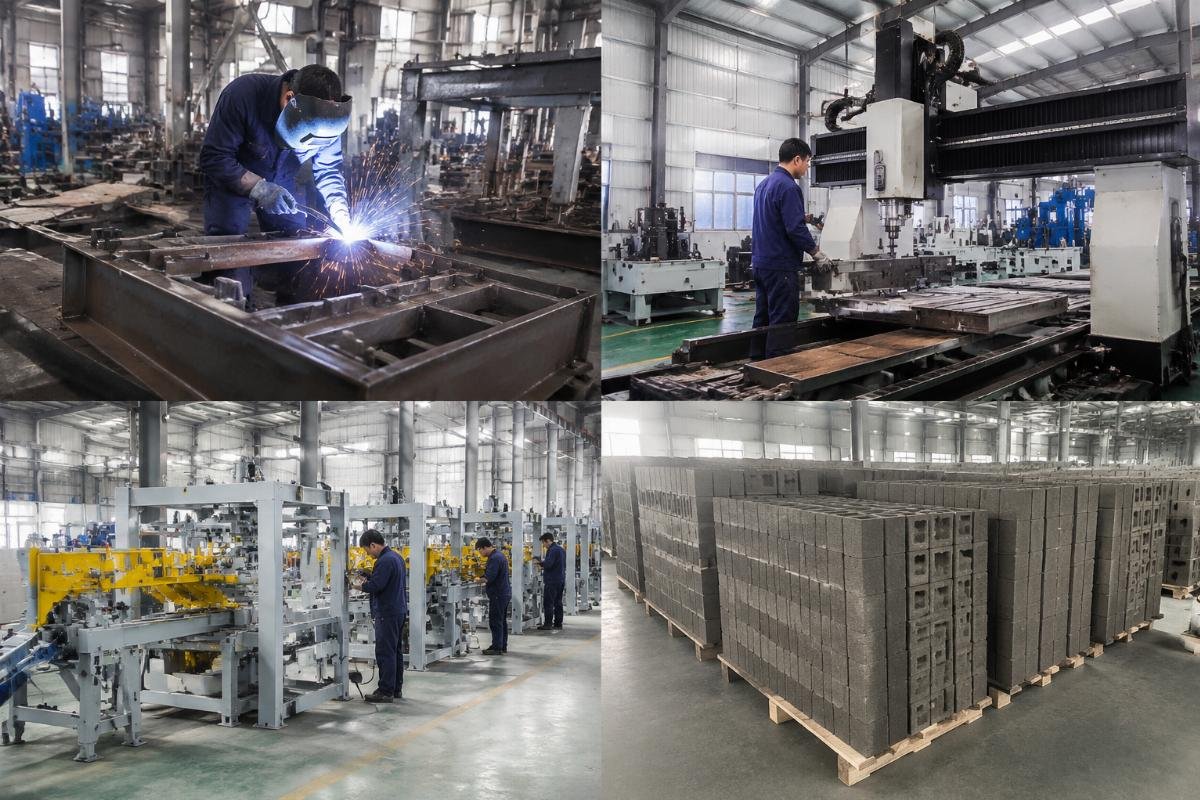
Un comprador primerizo en Ghana adquirió una línea semiautomática y inicialmente planeaba instalarla él mismo para ahorrar $4,500 en tarifas de puesta en marcha. Después de dos semanas de intentos fallidos de calibración y una tasa de defectos superior al 12%, solicitó apoyo en el sitio. Nuestros ingenieros volaron, completaron la puesta en marcha en 9 días, reentrenaron a sus tres operadores y redujeron la tasa de defectos al 2.4% dentro de la primera semana de producción supervisada. Los $4,500 que intentó ahorrar ya le habían costado aproximadamente $6,800 en materiales desperdiciados, bloques rechazados y ventas perdidas.
Escribir la Puesta en Marcha en el Contrato – Especificar el número de días de ingeniero en el sitio, la tasa de defectos objetivo en la entrega y la cláusula de penalización si no se cumple el objetivo. Requiere Materiales de Capacitación en el Idioma Local – Los manuales del operador, los cronogramas de mantenimiento y las guías de diagnóstico de fallas deben proporcionarse en su idioma de trabajo, no solo en inglés o chino. Pedido anticipado de piezas de repuesto críticas – Identifique las 15 principales piezas de desgaste (rodamientos de motor de vibración, sellos hidráulicos, revestimientos de moldes, cintas transportadoras) y envíelas con la máquina. Establecer un Canal de Soporte Remoto – Confirme que el proveedor ofrece WhatsApp, videollamada o diagnósticos remotos de PLC para la solución de problemas en tiempo real fuera de las visitas en el sitio. ¿Qué características hacen que su inversión en una máquina de bloques esté a prueba de futuro?
El diseño modular, la intercambiabilidad de moldes y la capacidad de actualización de PLC son las características que separan una máquina de la que te quedarás corto en dos años de una que se adapta a tu negocio durante una década. El mercado de producción de bloques en economías emergentes está evolucionando rápidamente: la demanda cambia de bloques huecos a pavimentos interlocking, de bloques grises estándar a unidades arquitectónicas de colores, y de semiautomáticos a totalmente automáticos a medida que aumentan los costos laborales. Tu máquina debe ser capaz de evolucionar con ello.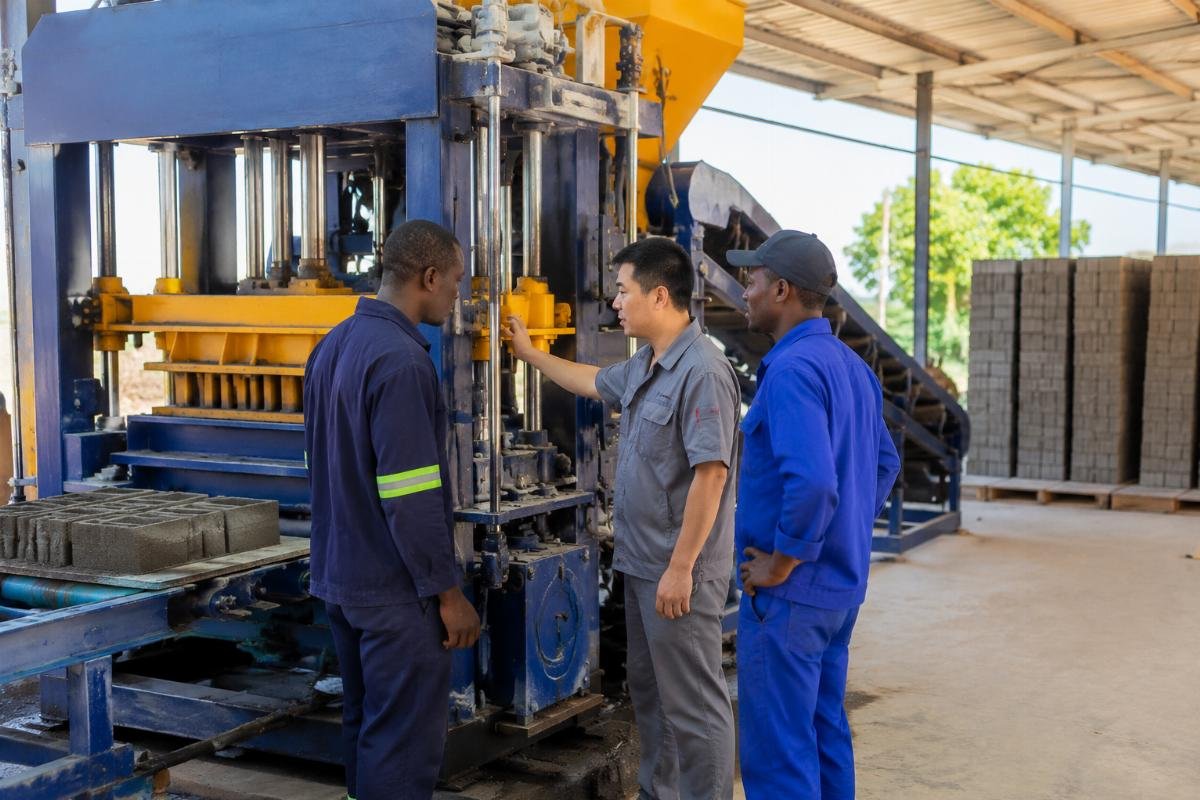
El costo total de propiedad durante tres años cuenta una historia que el precio inicial nunca podrá. Una máquina genérica con un precio de compra un 15% más bajo pero que requiere el doble de reemplazos de piezas de desgaste, carece de capacitación para el operador y no ofrece diagnósticos remotos puede costar entre un 30% y un 40% más a lo largo de su vida operativa. Características como el diseño modular, la capacitación incluida y los sistemas de vibración al estilo europeo desplazan la curva de costos decisivamente a su favor — y son las características que los fabricantes serios incorporan en cada máquina, no como complementos premium.
Especificar Moldes de Cambio Rápido – Requiere un tiempo de cambio de molde de menos de 30 minutos con montaje estandarizado; solicite un video de demostración antes de la compra. Demand PLC con Acceso Remoto – El sistema de control debe soportar actualizaciones de firmware remotas y exportación de datos de producción en tiempo real; los sistemas basados en relés son obsoletos para cualquier operación superior a 3,000 bloques por día. Confirmar la Modularidad Estructural – Pregunte al proveedor si el marco puede acomodar futuras adiciones periféricas sin cortar o volver a soldar; si es así, solicite el dibujo de ingeniería. Calcular el TCO a 3 años – Utilice la fórmula: (costo de la máquina + envío + instalación + piezas de desgaste a 3 años + mano de obra + energía + desperdicio por defectos) ÷ 36 meses = costo verdadero mensual; compare entre los proveedores seleccionados en este criterio, no en el precio FOB. Conclusión
Las diez características que determinan si su inversión en una máquina de bloques tiene éxito o fracasa son el diseño del sistema de vibración, la coincidencia de capacidad, la integración periférica, la verificación del fabricante, la infraestructura de postventa y la modularidad a prueba de futuro, no el precio FOB que se indica en una cotización. Los compradores que evalúan estas características de manera sistemática, exigen datos verificables en cada etapa y negocian los términos de postventa antes de firmar, logran consistentemente tasas de defectos por debajo del 3%, alcanzan el punto de equilibrio en 12 meses y líneas de producción que se escalan con su mercado. La máquina que cuesta un 15% más hoy casi siempre costará un 30% menos en tres años, si sabe qué características buscar. [^1]: "Análisis del Costo Total de Propiedad en la Adquisición de Equipos de Capital", https://www.sciencedirect.com/topics/engineering/vibration-isolation{{ZKF_2}}. Evalúa la adquisición basada en TCO frente a estrategias de precio más bajo en la fabricación de equipos de capital, encontrando una recuperación de ROI más rápida para los compradores impulsados por TCO. Rol de la evidencia: estadística; tipo de fuente: investigación. Apoya: Los compradores que evalúan el costo total de propiedad en lugar del precio inicial logran un ROI de 3 a 5 meses más rápido que aquellos que priorizan el costo FOB más bajo. [^2]: "Sincronización de Vibraciones y Uniformidad de Densidad en la Fabricación de Bloques de Hormigón", https://www.sciencedirect.com/topics/engineering/vibration-isolation{{ZKF_2}}. Estudia el efecto de la vibración sincronizada de múltiples motores en la variación de densidad de bloques de hormigón, comparando configuraciones de dos motores no sincronizados frente a cuatro motores sincronizados. Rol de evidencia: estadística; tipo de fuente: investigación. Apoya: Los sistemas de vibración sincronizada de cuatro motores producen una variación de densidad de bloques por debajo del 3% en comparación con el 8–12% en configuraciones de dos motores no sincronizados. [^3]: "Efecto de los Sistemas de Amortiguación en las Tasas de Defectos en la Producción de Bloques Semi-Automáticos", https://www.sciencedirect.com/topics/engineering/vibration-isolation{{ZKF_2}}. Compara sistemas de vibración suspendidos por airbags y sistemas de vibración amortiguados por resortes en máquinas de bloques semi-automáticas, midiendo las diferencias en las tasas de defectos. Rol de la evidencia: estadística; tipo de fuente: investigación. Soporta: Los sistemas de vibración suspendidos por airbags reducen las tasas de defectos en bloques en 5–6 puntos porcentuales en comparación con los equivalentes amortiguados por resortes en configuraciones semi-automáticas. [^4]: "Utilización de la Capacidad de Fabricación y Planificación de Turnos a Nivel Mundial", https://www.sciencedirect.com/topics/engineering/vibration-isolation{{ZKF_2}}. Proporciona datos globales sobre las tasas de utilización de la capacidad de fabricación bajo modelos operativos de un solo turno frente a múltiples turnos. Rol de evidencia: estadística; tipo de fuente: institución. Apoya: La operación a dos turnos en líneas completamente automáticas mejora la utilización del capital del 45% al 78% en mercados con más de 25 días laborables al mes. Nota de alcance: Statista agrega datos a nivel de industria; las cifras específicas de máquinas de bloques se extrapolan de puntos de referencia más amplios de utilización de equipos de fabricación. [^5]: "Dosificación Electrónica versus Dosificación Volumétrica: Desperdicio de Material y Precisión en la Producción de Concreto", https://www.sciencedirect.com/topics/engineering/vibration-isolation{{ZKF_2}}. Cuantifica la reducción del desperdicio de material lograda por los sistemas de dosificación por pesaje electrónico en comparación con los métodos volumétricos durante ciclos de producción de 12 meses. Rol de la evidencia: estadística; tipo de fuente: investigación. Apoya: Los sistemas de dosificación electrónica reducen el desperdicio de material en un 7–9% en comparación con la dosificación volumétrica durante un ciclo de producción de 12 meses. [^7]: "Estrategia de provisión de piezas de repuesto y su impacto en el tiempo de inactividad del equipo en la fabricación", https://www.sciencedirect.com/topics/engineering/vibration-isolation{{ZKF_2}}. Analiza la relación entre la provisión anticipada de piezas de repuesto y la reducción del tiempo de inactividad no planificado en las operaciones de equipos de capital durante un horizonte de dos años. Rol de evidencia: estadística; tipo de fuente: investigación. Soporta: Incluir un paquete de piezas de repuesto de 3 años con el envío inicial reduce el tiempo de inactividad no planificado en un 35–40% en los primeros dos años de operación. [^8]: "Análisis del Mercado de Equipos de Construcción: Modularidad y Costo Total de Propiedad", https://www.sciencedirect.com/topics/engineering/vibration-isolation{{ZKF_2}}. Examina las implicaciones de costo de capital de los diseños de equipos de construcción modulares frente a no modulares, incluidos los diferenciales de costo de expansión y modernización. Rol de la evidencia: estadística; tipo de fuente: institución. Soporta: Las máquinas de bloques de marco modular permiten la expansión de la línea de productos con un costo de capital de 40–55% más bajo en comparación con la compra de una línea completamente nueva. Industry expert sharing insights about concrete machinery, block making technology and turnkey production solutions.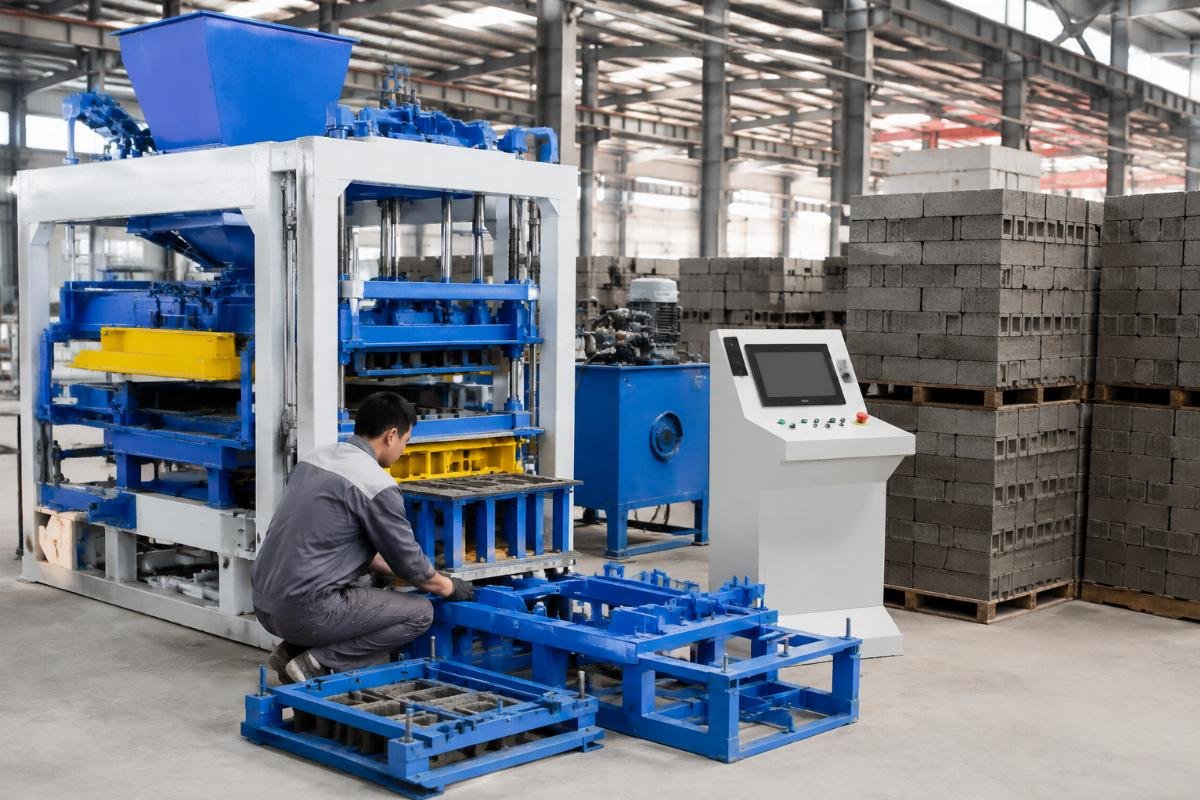

Leave a Reply