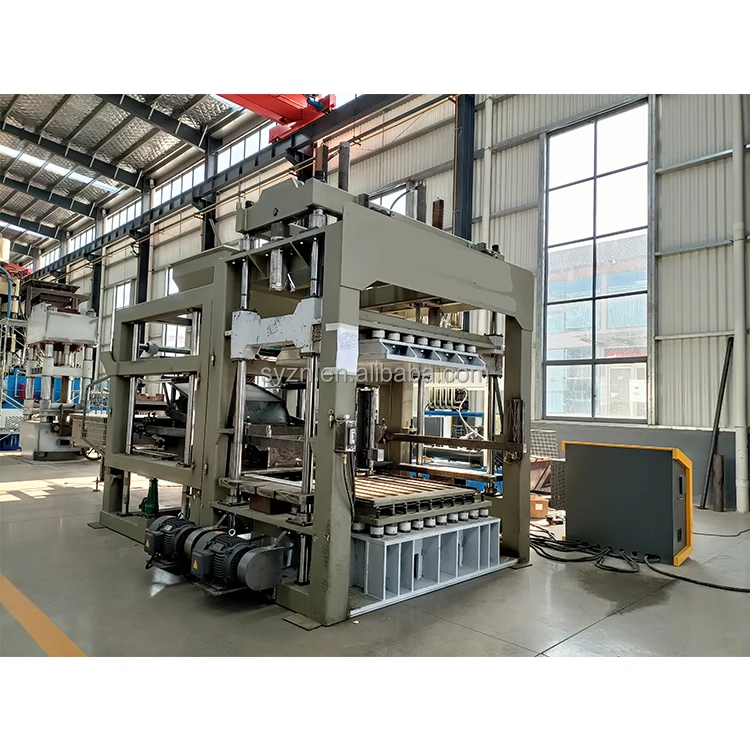
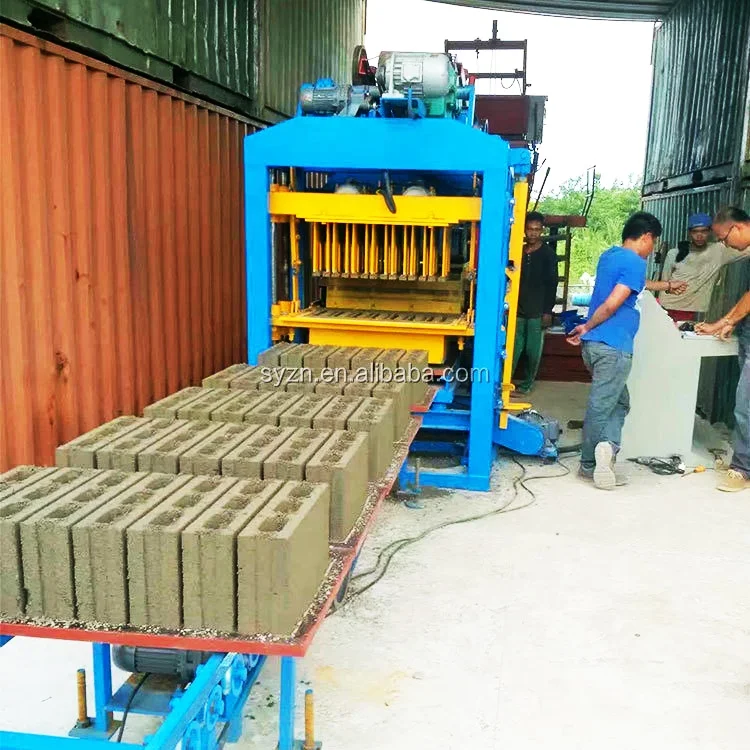
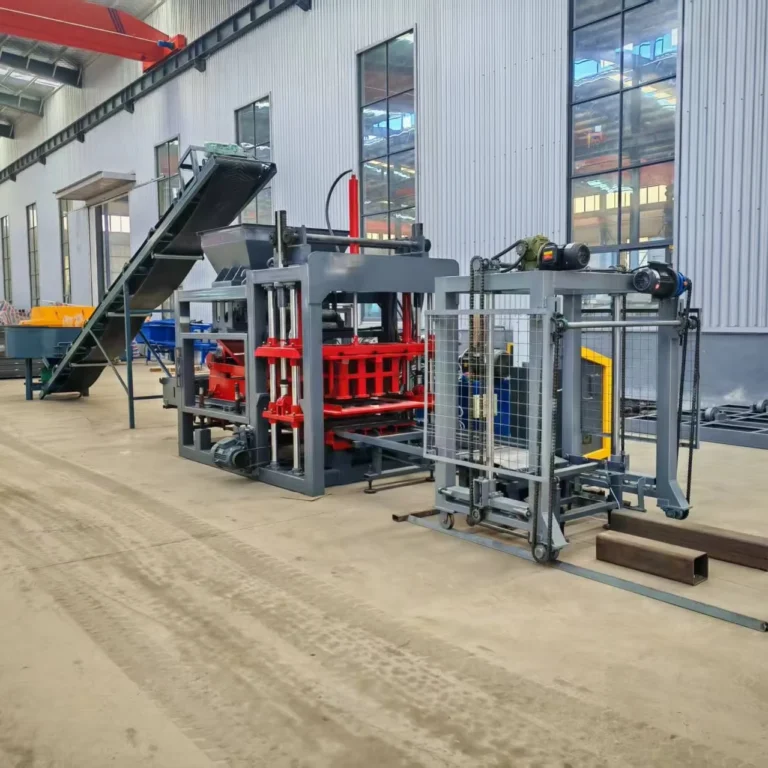
Configuration Matched To Your Mix — Every QT6-15 automatic block machine manufacturer proposal we issue is set against the buyer’s actual aggregate, target block format and site conditions, not a catalogue default.
Technical Specifications
| Parameter |
Value |
| Model |
QT6-15 |
| Product Type |
Automatic Concrete Block Making Machine |
| Overall Dimensions (L×W×H) |
8200×1700×2950 mm |
| Vibration Frequency |
0-60 Hz |
| Vibration Form |
Platform Vibration |
| Vibration Force |
45 kN |
| Moulding Mode |
Automatic loading, vibration moulding |
| Pallet Size |
880×850 mm |
| Molding Cycle |
15-20 s |
| Overall Power |
37 kW |
| Total Mass |
7 T |
| Demolding Method |
Hydraulic |
| Control System |
PLC (Programmable Controller) with touch screen interface |
| Hydraulic System |
Independent integrated hydraulic station |
| Block Compressive Strength |
>15 MPa |
| Output Capacity (Hollow block 400×200×200 mm) |
6 pcs/mould, 1080-1440 pcs/h, 8640-11520 pcs/8hr |
| Output Capacity (Hollow block 400×150×200 mm) |
8 pcs/mould, 1440-1920 pcs/h, 11520-15360 pcs/8hr |
| Output Capacity (Solid brick 240×115×53 mm) |
32 pcs/mould, 5760-7680 pcs/h, 46080-61440 pcs/8hr |
| Output Capacity (Rectangular paving brick 200×100×60 mm) |
21 pcs/mould, cycle 20-25 s, 2160-2880 pcs/h, 17280-23040 pcs/8hr |
| Output Capacity (Zigzag paving brick 225×112.5×60 mm) |
15 pcs/mould, cycle 20-25 s, 2160-2880 pcs/h, 17280-23040 pcs/8hr |
| Factory Area Required |
1200 m² |
| Automation Level |
Intelligent electronic control with fault diagnosis system |
| Raw Material Adaptability |
Waste ash, slag, various aggregates |
| Warranty |
1 year for the whole machine (excluding spare parts) |
Application Suitability
| Application |
Material or Output |
| Hollow block production |
Crushed stone, sand, cement and waste ash blends for 400×200×200 mm and 400×150×200 mm formats |
| Solid brick production |
Fine aggregate and cement mixes for 240×115×53 mm standard bricks |
| Rectangular paving brick production |
High-density aggregate and cement for 200×100×60 mm pavers |
| Interlocking paving brick production |
Graded aggregate blends for 225×112.5×60 mm zigzag format |
| On-site block production for contractors |
Local aggregate and cement adapted to project-specific compressive strength requirements |
Why "Pieces Per Hour" Means Nothing Without the Format Attached
Capacity only becomes real when you know which block the number refers to.
I once watched a buyer in West Africa unpack a block machine that promised thousands of pieces per hour on paper, only to discover the quotation assumed a thin solid brick while his market needed 200 mm hollow blocks. The actual daily output dropped to a fraction of the figure he had planned around. When you evaluate a QT6-15 automatic block machine manufacturer, the first document to request is the capacity calculation that states which format each throughput number assumes. [NEED_CITE: block format assumptions in capacity quotations]
Without that clarity, a machine rated for high hourly output on solid bricks may disappoint entirely when reconfigured for the hollow blocks your distributors actually order.
Where the QT6-15 Sits in the Full Range
The Shiyue range spans mobile egg-laying machines for small on-site jobs, semi-automatic presses for lower-investment startup plants, and high-capacity automatic lines for large-scale production. The QT6-15 occupies the mid-to-high automatic tier, offering PLC-controlled operation across multiple block formats while keeping the required factory area at 1200 m² — a footprint manageable for a first plant yet scalable enough that growing producers do not outgrow it immediately. Buyers comparing tiers will find this model bridges the gap between entry-level semi-automatic machines that demand more manual pallet handling and the larger fully automatic lines that require substantially higher capital and floor space.
Understanding Output Tiers Before You Commit
Each tier in the range carries different implications for labour, curing area and downstream handling. Semi-automatic machines typically require operators to move pallets by hand between the press and the curing zone, which works at lower output volumes but becomes a bottleneck as demand grows. The QT6-15 automatic block machine manufacturer specification includes intelligent electronic control with a fault diagnosis system, reducing the operator’s role to monitoring rather than manual intervention at each cycle. [NEED_CITE: automation levels and labour requirements in block production] Buyers moving up from a smaller press should confirm that pallet handling and stacking arrangements match the increased output, otherwise the press spends part of each shift waiting on downstream stations.
How Vibration, Pressure and Pallet Size Shape Your Blocks
The platform vibration system operates across an adjustable 0-60 Hz range with 45 kN of vibration force. In block making, vibration frequency and hydraulic pressure must work together: high frequency with insufficient pressure produces blocks that crumble at the edges, while heavy pressure without adequate vibration leaves voids in the core. The QT6-15 pairs both in a single controlled cycle. The 880×850 mm pallet size is a mid-range format — large enough to hold six 400×200×200 mm hollow blocks per mould, yet compatible with standard curing rack dimensions and conventional forklift tine widths. The independent integrated hydraulic station sits isolated from the main machine vibration and dust, which matters for seal life and consistent pressure delivery over extended production runs. Molding cycles range from 15 to 25 seconds depending on block format, and the PLC touch-screen interface allows operators to store cycle parameters for each mould, reducing setup errors during format changes.

The Cost of Skipping the Configuration Step
Buyers who select a machine based on a headline output number without confirming pallet size often discover that their existing curing racks and forklifts do not match, forcing an unplanned investment in new handling equipment. Voltage and frequency left unconfirmed until the machine arrives can delay commissioning by weeks while transformers or motor replacements are sourced locally. A mould list that does not cover the formats your market actually sells means paying for flexibility you cannot use. [NEED_CITE: commissioning delays from unconfirmed electrical specifications] These issues are avoidable when the QT6-15 automatic block machine manufacturer proposal addresses every configuration variable before production begins.
Why Source This Model Through Shiyue
Block machinery is our single focus, which means the press, moulds, pallets and handling equipment are specified as one matched system rather than assembled from separate suppliers. We configure the QT6-15 against your actual mix design and local aggregate, not a default setting — because a machine tuned for river sand behaves differently with laterite or crusher dust. Mould design covers the formats your market sells, and custom mould drawings are available when standard formats do not match. Automation level is selectable, so a buyer can start with a simpler configuration and expand later. Installation support includes on-site commissioning and operator training so your team runs the machine correctly from day one.
Documentation & Verification
- Line layout and capacity calculation stating the block format assumed for each output figure
- Machine specification sheet with voltage, frequency and PLC display language confirmed before production
- Mould drawing and format list covering every block type in your product range
- Factory test record and packing photographs provided before shipment
- Hydraulic and electrical schematic for local maintenance reference
- Operation and maintenance manual with wear parts and mould replacement list
Installation, Commissioning & Support
- Foundation must support the 7 T total mass across the 8200×1700 mm footprint with level tolerances for the platform vibration system
- Dedicated electrical circuit sized for 37 kW overall power with voltage and frequency confirmed to your local grid standard
- Independent hydraulic station commissioned separately to verify pressure settings before the first production cycle
- PLC touch-screen configured in your preferred operator language during on-site commissioning
- Operator training covers mould change procedure, cycle parameter adjustment and fault diagnosis system responses
- Wear parts list and hydraulic seal schedule provided for first-year maintenance planning
What to Prepare Before Requesting a Quotation
Share your target block formats with dimensions, required daily output per format, and the local aggregate types you plan to use — including a sample if possible. Confirm your available factory area, ceiling height, existing curing rack dimensions and forklift specifications. Specify your local voltage, frequency and the PLC display language your operators need.
Frequently Asked Questions
Q: How does QT6-15 output compare across hollow block, solid brick and paving block formats?
A: Output varies significantly by format. For 400×200×200 mm hollow blocks, the machine produces 8640-11520 pieces per 8-hour shift. Solid bricks at 240×115×53 mm reach 46080-61440 per shift. Paving bricks in rectangular or zigzag format fall between these ranges with a longer 20-25 second cycle. Always match the capacity figure to your specific block format.
Q: Where does the QT6-15 sit in the range compared to semi-automatic and higher-capacity automatic models?
A: The QT6-15 occupies the mid-to-high automatic tier. It offers PLC-controlled production with fault diagnosis while requiring a 1200 m² factory area — larger than semi-automatic machines but smaller than high-capacity lines. It suits buyers who have outgrown manual pallet handling but are not yet ready for the investment a top-tier automatic line demands.
Q: What plant footprint and factory area does the QT6-15 require?
A: The machine itself measures 8200×1700×2950 mm, and the total factory area required is 1200 m². This includes space for the press, raw material feeding, pallet circulation, curing rack handling and block storage. Buyers should confirm ceiling height clearance against the 2950 mm machine height plus lifting space for mould changes.
Q: Can I start with a semi-automatic configuration and upgrade to QT6-15 automation level later?
A: The automation level is selectable, and the system supports progression from simpler pallet handling to fully automatic stacking. Discuss your upgrade path during the initial proposal stage so the machine base and electrical infrastructure are prepared for future expansion without requiring a full replacement.
Q: What voltage, frequency and control language options are available for my market?
A: Voltage and frequency are configured to your local grid standard before production begins. The PLC touch-screen display language is confirmed during the quotation stage so operators can read menus and fault messages in their working language upon commissioning. Specify these requirements early to avoid delays.

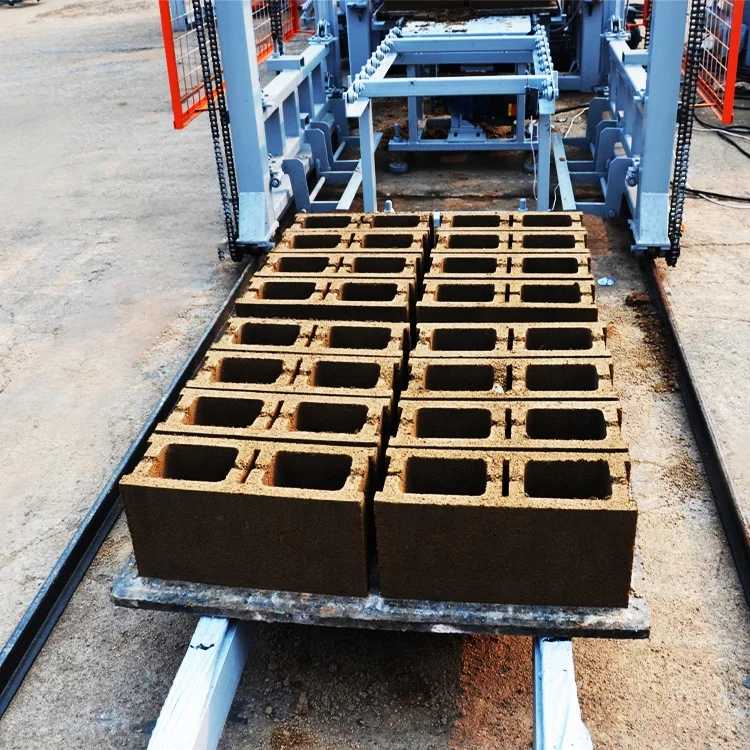
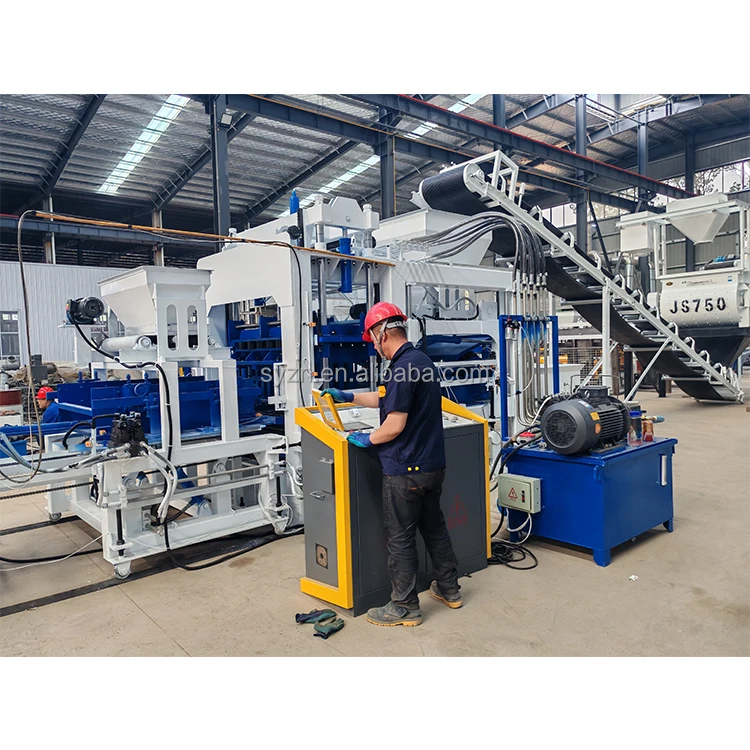 High quality block machine