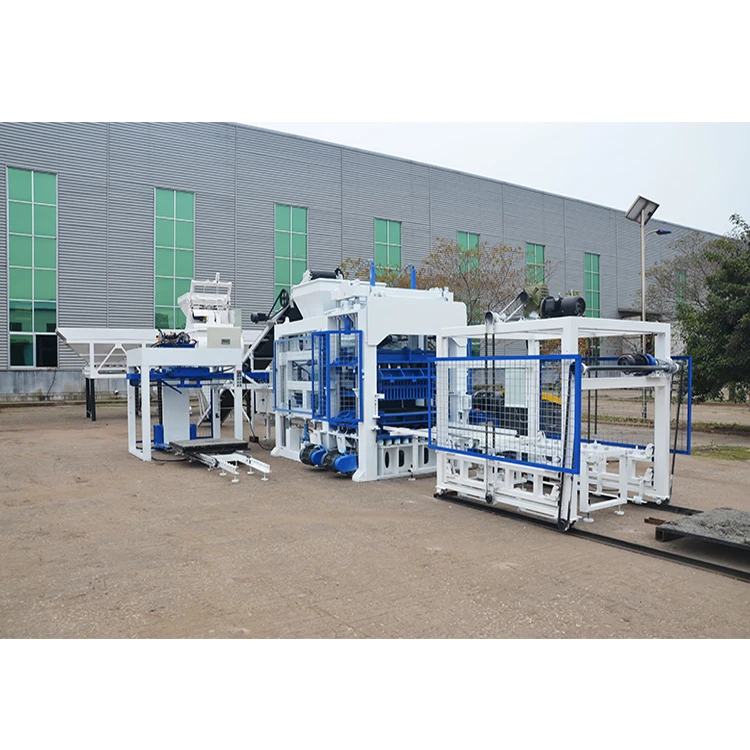
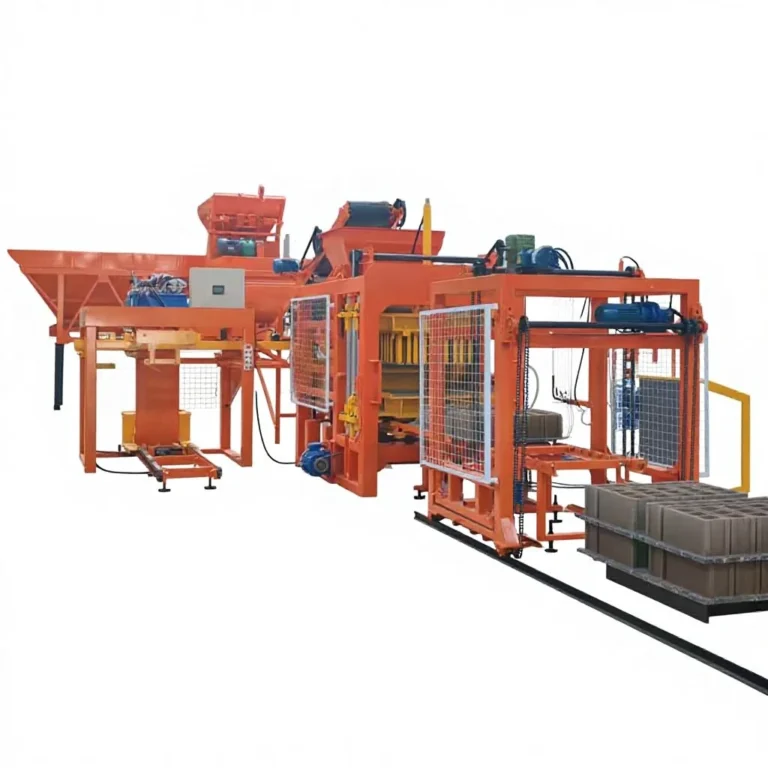
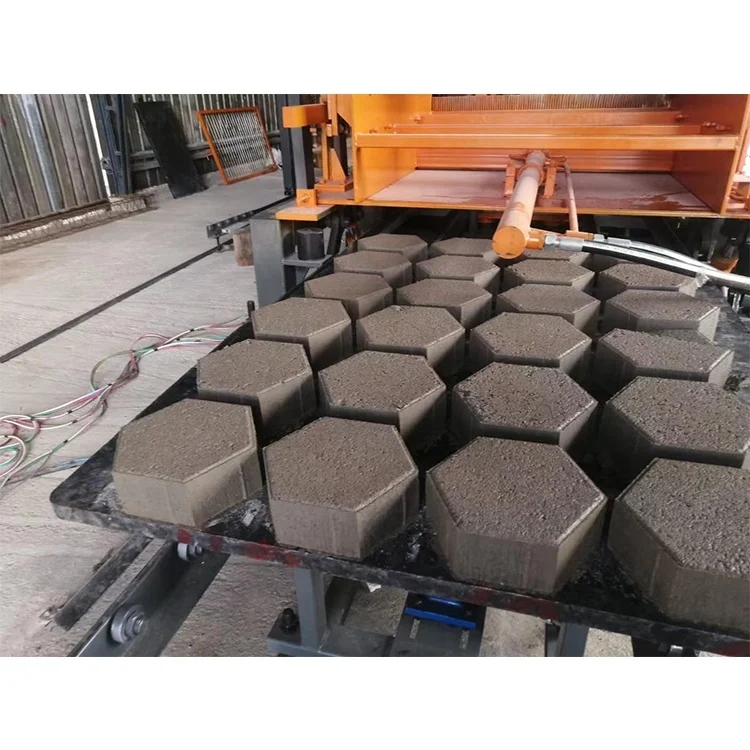
Balanced Tier Positioning — The QT8-15 sits at the mid-to-high automatic level within the Shiyue lineup, bridging smaller semi-automatic units and high-capacity lines so buyers can scale without overshooting their plant footprint.
Technical Specifications
| Parameter |
Value |
| Model |
QT8-15 |
| Product Type |
Hydraulic Concrete Block Making Machine |
| Overall Dimensions (L×W×H) |
8300×1860×3000 mm |
| Rated Hydraulic Pressure |
21 MPa |
| Main Vibration Form |
Platform Vibration |
| Vibration Frequency Range |
2800–4500 r/min |
| Vibration Force |
45 kN |
| Pallet Size |
950×900 mm |
| Molding Cycle |
15–20 s |
| Overall Power |
55.5 kW |
| Demolding Method |
Hydraulic |
| Total Mass |
8 T |
| Required Factory Area |
Approx. 300 m² |
| Voltage & Frequency |
Configurable — confirm before shipment |
| Control System |
PLC — brand and display language to confirm |
| Output Capacity |
Varies by block format (basis to be confirmed per quotation) |
Application Suitability
| Application |
Material or Output |
| Hollow block production for load-bearing walls |
Crushed stone, sand, cement, fly ash |
| Solid block manufacturing for partition walls |
Gravel, sand, cement blends |
| Paving block and colored paver runs |
Fine aggregate, cement, pigment additives |
| Interlocking block and kerbstone forming |
Coarse aggregate, slag, cement mixes |
What "15–20 Seconds per Cycle" Actually Means for Your Daily Output
Cycle time only tells half the story — the block format behind that number determines your real shift output.
When I review quotations from other suppliers, the molding cycle is often listed as a single range without naming which block size or cavity count it applies to. A QT8-15 block making machine manufacturer quoting 15 seconds per cycle on a small solid paver will show a very different daily figure than the same machine running 400 mm hollow blocks at 20 seconds. Buyers who sign off on capacity without checking the format assumption end up with a line that cannot meet contract obligations once production starts [NEED_CITE: block format assumptions in capacity quotations]. The fix is simple: ask for a capacity table that lists output per format, not a single headline number.

Where the QT8-15 Fits in the Full Shiyue Range
The Shiyue lineup runs from mobile egg-laying machines for on-site work up to fully automatic high-capacity lines with robotic cubing. The QT8-15 occupies the mid-to-high automatic tier, aimed at plants that have outgrown semi-automatic setups but do not yet need the footprint or investment of a top-tier system. For a buyer surveying options, this model offers a clear step up in pallet size and hydraulic pressure without requiring a complete factory redesign.
Automation Level and Future Upgrade Path
At this tier, the QT8-15 block making machine manufacturer configures the line with automatic pallet feeding and hydraulic demolding as standard, while stacking and curing rack handling remain selectable. A buyer can start with manual pallet return and add automatic stacking later, keeping initial capital lower. This modular approach matters because many first-time plant owners overestimate the automation they need on day one and underestimate the value of matching the line to their actual labour availability [NEED_CITE: automation level selection in block plant planning].
Reading the Core Specs Beyond the Brochure Numbers
The 21 MPa rated hydraulic pressure and 45 kN vibration force work together — pressure compacts the mix while platform vibration settles fine particles into voids. If the local aggregate is angular crushed stone, higher vibration frequency within the 2800–4500 r/min range helps achieve density; rounded river gravel needs less. The 950×900 mm pallet size is chosen to align with standard curing rack dimensions and common forklift tine widths, so blocks can move from press to curing area without re-handling. A 55.5 kW overall power draw means the plant needs a dedicated supply circuit, and voltage plus frequency must be locked in before the motor and PLC are sourced — a 380 V/50 Hz motor shipped to a 440 V/60 Hz market will not survive commissioning.
The Hidden Cost of Skipping Configuration Checks
I have seen buyers receive machines wired for a voltage their site does not supply, leaving the press idle while replacement motors are shipped internationally. Others discover that the mould delivered is for a block size their market no longer buys, and a replacement mould means another multi-week wait. When pallet size does not match the curing racks already in the yard, the buyer either replaces every rack or handles blocks twice. Each of these problems traces back to a single missing confirmation step before production started [NEED_CITE: common commissioning delays in exported block machinery].
Why Source This Machine Through Shiyue
Block machinery is our single focus, so the QT8-15 is specified as one matched system — press, mould, pallet and handling — rather than assembled from separate suppliers. Machine configuration is set against the buyer’s actual mix design and local aggregate, not a catalogue default. Mould design covers the formats the buyer’s market sells, with custom drawings accepted. The automation level is selectable, allowing a semi-automatic start with a defined upgrade path. Installation support includes operator training so the crew can run the line independently from the first week.
Documentation & Verification
- Line layout with capacity calculation stated per block format for the QT8-15
- Mould drawing and format list included with the quotation package
- Voltage, frequency and PLC display language confirmed in writing before production
- Factory test record and packing photographs provided before container loading
- Hydraulic and electrical schematic supplied for on-site maintenance reference
Installation, Commissioning & Support
- Foundation plan aligned to the 8300×1860 mm footprint and 8 T operating mass
- Dedicated power circuit sized for the 55.5 kW total draw at confirmed voltage
- Machine shipped in dismantled state with reassembly guidance on site
- First-run parameter tuning for vibration frequency and hydraulic pressure to match local mix
- Operator training covering mould change, pallet loading and daily maintenance routines
- Wear parts list and mould inventory provided for first replacement planning
What to Include in Your Inquiry
Send us the block formats your market currently sells, along with target daily output per format and the raw materials available from your local yards. Include your site’s confirmed voltage and frequency, plus the display language your operators need on the PLC. If you already have curing racks or forklifts on site, share their dimensions so the pallet and handling configuration can be matched before the quotation is finalized.
Frequently Asked Questions
Q: How is the QT8-15 output capacity calculated, and which block format does each figure assume?
A: Capacity is calculated per block format based on the molding cycle, cavity count and pallet area. A 400 mm hollow block yields fewer pieces per cycle than a small paver, so the daily output differs significantly. We provide a format-by-format capacity table with every quotation so buyers see realistic numbers, not a single headline figure that may not apply to their product mix.
Q: Where does the QT8-15 sit compared to smaller and larger machines in the Shiyue range?
A: It occupies the mid-to-high automatic tier, above semi-automatic and small automatic models but below high-capacity lines with full robotic cubing. Buyers moving up from a smaller machine gain a larger pallet, higher hydraulic pressure and a wider mould selection without needing the floor space or investment of a top-tier system.
Q: What factory area and site conditions does the QT8-15 require?
A: The machine itself needs approximately 300 m² of factory area including space for raw material feeding, the press and pallet return. The floor must support an 8 T operating mass, and a dedicated power circuit matching the confirmed voltage and the 55.5 kW total draw is required before commissioning begins.
Q: How are voltage, frequency and control language confirmed before shipment?
A: We collect the buyer’s site voltage, frequency and preferred PLC display language during the inquiry stage and confirm them in writing before production starts. This prevents the common problem of a motor or control panel arriving incompatible with the local supply, which would delay commissioning by weeks.
Q: What mould formats are available, and can custom moulds be designed?
A: Standard moulds cover hollow blocks, solid blocks, pavers, interlocking blocks and kerbstones in common dimensions. Custom moulds can be designed to buyer drawings for formats specific to the local market. Each quotation includes a mould drawing and format list so the buyer can verify dimensions before the mould enters production.

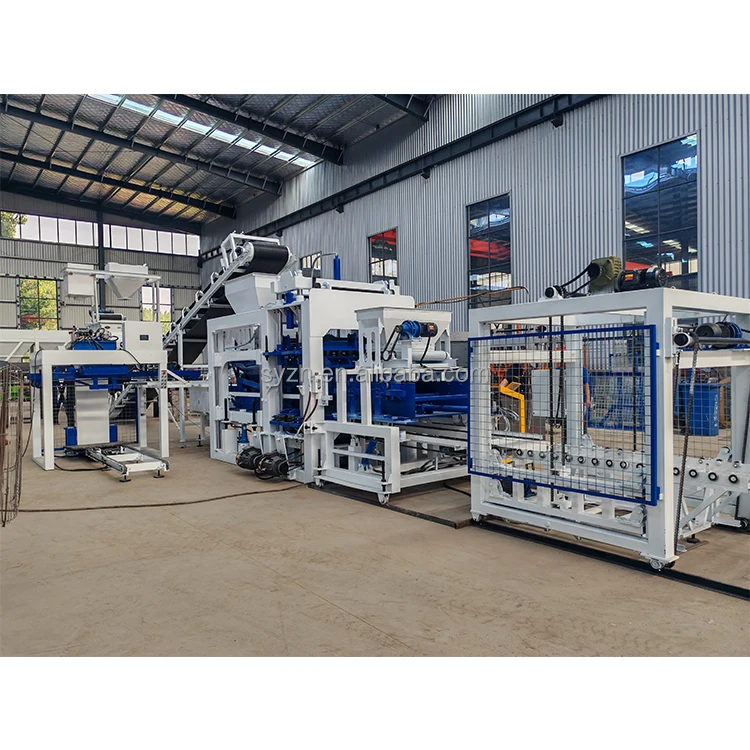
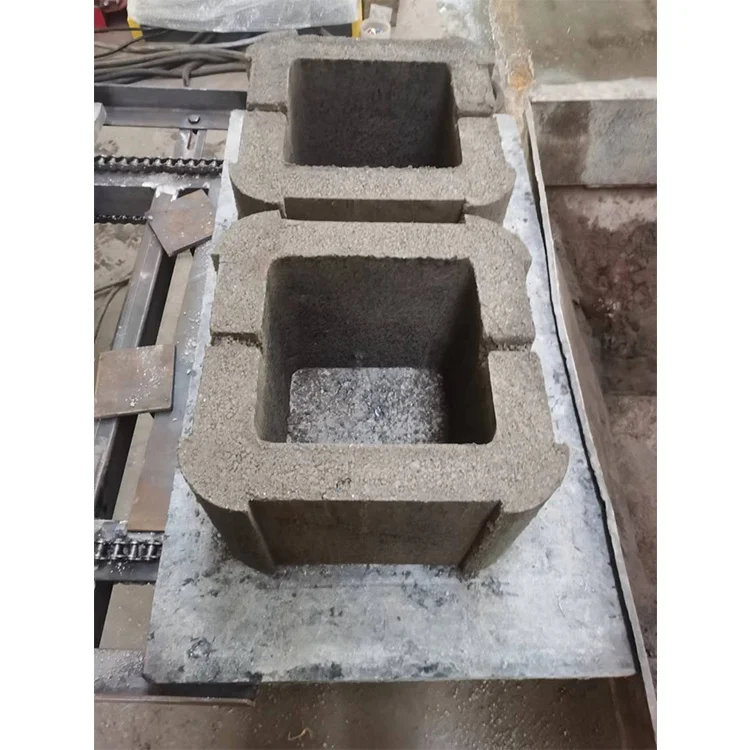 High quality block machine