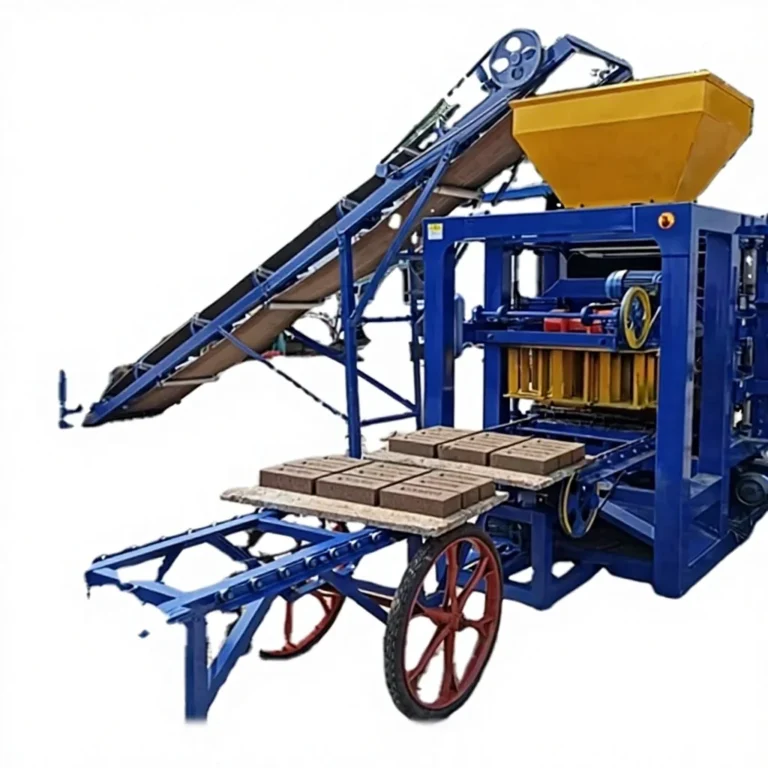
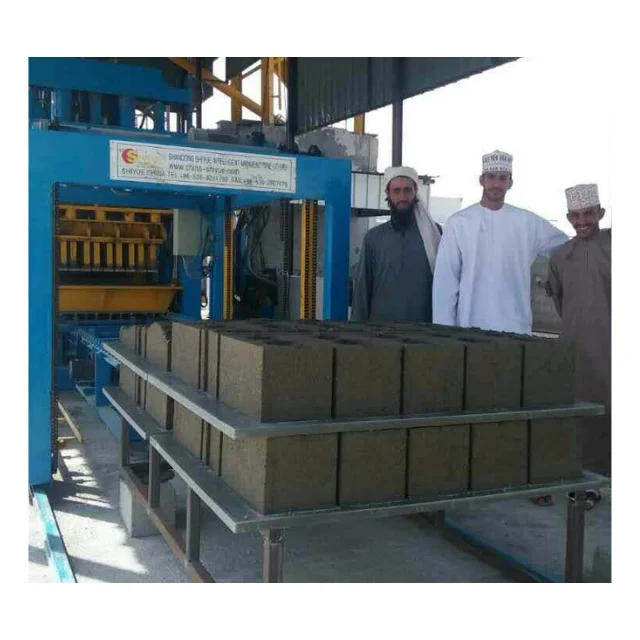
Complete System Match — The QT5-15 is specified as one coordinated block production line, with pallet dimensions, hydraulic pressure, and vibration profile aligned to your target block format rather than sourced as disconnected components.
Technical Specifications
| Parameter |
Value |
| Model |
QT5-15 |
| Product Type |
Hydraulic PLC Controlled Hollow Brick Making Machine |
| Overall Dimension |
7400×1950×2800mm |
| Rated Pressure |
21MPa |
| Main Vibration Form |
Platform Vibration |
| Vibration Frequency |
2800~4500 (r/min) |
| Pallet Size |
1100×550mm |
| Molding Cycle |
15-25 (s) |
| Overall Power |
26.5KW |
| Demolding Method |
Hydraulic |
| Control System |
PLC |
| Applied Products |
Concrete blocks, hollow/solid blocks, pavers, interlocking blocks, curbstone, colored pavers |
| Raw Material |
Crushed stone, sand, cement, dust, fly ash, gravel, slag |
| Theoretical Capacity (Hollow brick 400×200×200mm) |
5 pcs/mold, 16-20s cycle, 1800 pcs/h |
| Theoretical Capacity (Hollow block 400×150×200mm) |
6 pcs/mold, 15-20s cycle, 1300 pcs/h |
| Theoretical Capacity (S paver 225×112.5×60mm) |
16 pcs/mold, 15-17s cycle, 3700 pcs/h |
Application Suitability
| Application |
Material or Output |
| Block and paver production plants |
Hollow and solid blocks from crushed stone, cement, and sand |
| Construction contractors producing blocks on-site |
Interlocking bricks and curbstones for housing projects using locally sourced gravel |
| Concrete product manufacturers expanding format range |
Colored pavers and S-type pavers from fly ash, slag, and dust |
| Building material distributors |
Standard hollow bricks for regional distribution |
| Housing project contractors |
Solid blocks and porous bricks with project-specific aggregate blends |
What the Capacity Figure Actually Means for Your Plant Layout
The QT5-15 hydraulic block machine manufacturer rates output per specific block format — 1800 hollow bricks per hour assumes 400×200×200mm units at a 16-20 second cycle.
Buyers often receive a single capacity number and assume it applies universally across every block they intend to produce. When the machine arrives and runs a different format, the daily tally comes up short of projections, creating frustration on site. The cycle time stretches for denser or larger formats, and the theoretical output shifts accordingly. [NEED_CITE: block format assumptions in manufacturer capacity claims] Understanding this before signing the purchase order prevents layout miscalculations and curing area shortages.

Where the QT5-15 Sits in the Full Machine Range
The QT5-15 occupies the mid-tier automatic segment of the stationary block machine lineup. It bridges the gap between semi-automatic workshop machines that require manual pallet handling and the high-capacity automatic lines built for large-scale continuous production. For a buyer moving from egg-laying or mobile units toward a fixed plant, this model introduces PLC control and hydraulic demolding without the footprint and capital commitment of a top-tier system. The QT5-15 hydraulic block machine manufacturer positions it for operations that need consistent daily volume across multiple block formats.
Positioning by Investment Level and Plant Footprint
A first-time block plant investor typically starts here because the 26.5KW overall power requirement and the 7400×1950×2800mm frame fit within a modest workshop envelope. Existing semi-automatic operators upgrading to full PLC control find the transition manageable because the pallet size and curing rack workflow remain compatible with their current forklift and rack setup. The investment level supports a phased approach: start with the core press and manual stacking, then add automatic pallet feeding and cubing as volume grows. [NEED_CITE: phased automation adoption in block production plants] This scalability is what distinguishes the mid-tier from machines locked into a single configuration.
Reading the Core Specs Against Your Actual Production Needs
The 21MPa rated pressure paired with platform vibration between 2800 and 4500 r/min determines the density and compressive strength of every block that comes off the pallet. If your local aggregate is lightweight volcanic ash or porous slag, the vibration frequency must be tuned downward to avoid over-compaction cracks, whereas dense crushed stone demands the upper range. The 1100×550mm pallet size dictates your curing rack dimensions and forklift tine spacing — ordering pallets that do not match your existing curing infrastructure creates a bottleneck no machine adjustment can fix. The 15-25 second molding cycle varies by format, meaning your daily output calculation must state which block type you are measuring.
The Cost of Ignoring Configuration Details Before Shipment
When voltage, frequency, and PLC display language are not confirmed before the machine leaves the factory, commissioning stalls on site while electricians rewire panels and operators struggle with an interface they cannot read. [NEED_CITE: commissioning delays from unconfirmed electrical specifications in export machinery] A pallet size chosen without measuring the buyer’s curing area forces a complete rack rebuild. Moulds ordered for a format the local market does not buy sit in the warehouse while the buyer pays for custom tooling after arrival. These are not machine defects — they are specification gaps that compound into weeks of lost production.
Why This Source Covers the Full Range Around the Press
Block machinery is the single focus here, which means the press, mould, pallet, and handling equipment are specified as one matched system rather than assembled from separate vendors. The QT5-15 configuration is set against your actual mix design and local aggregate, not pulled from a catalogue default. Mould design covers the formats your market sells, with custom drawings available for non-standard shapes. The automation level is selectable, so you can begin with semi-automatic pallet handling and add stacking later without replacing the core press. Installation support includes operator training so your team understands cycle tuning and mould change procedures from day one.
Documentation & Verification
- Line layout and capacity calculation stating which block format the 1800 pcs/h figure assumes
- Machine specification sheet with hydraulic and electrical schematic for local voltage confirmation
- Mould drawing and format list showing available block types and custom design options
- Pallet specification confirming 1100×550mm dimensions and material grade
- Factory test record documenting cycle time and block density before dispatch
- CE declaration where applicable, with operation and maintenance manual in confirmed language
Installation, Commissioning & Support
- Foundation must support the 7400×1950×2800mm footprint with level concrete pad and anchor bolt pockets
- Dedicated electrical circuit rated for 26.5KW overall power at confirmed local voltage and frequency
- Machine arrives partially dismantled for container loading; reassembly covers frame bolting and hydraulic line connection
- PLC display language and control parameters set to buyer specification before first production run
- Operator training covers mould change procedure, vibration frequency adjustment, and hydraulic pressure calibration
- Wear parts list and mould maintenance schedule provided for ongoing production continuity
What to Include in Your Inquiry
Provide your target block format and dimensions so the capacity calculation reflects your actual product mix rather than a generic figure. Specify your local aggregate type — crushed stone, fly ash, volcanic ash, or slag — because this determines the vibration and pressure settings. Confirm your workshop voltage, frequency, and preferred PLC language before the quotation stage to prevent commissioning delays. [NEED_CITE: importance of raw material and electrical confirmation in block machine procurement]
Frequently Asked Questions
Q: How is the QT5-15 capacity calculated, and which block format does the figure assume?
A: The stated capacity of 1800 pieces per hour is based on producing 400×200×200mm hollow bricks with five units per mold at a 16-20 second cycle. Different formats such as pavers or smaller solid blocks will have different cycle times and mold counts, so the hourly output changes accordingly. Always confirm the capacity figure against your specific block format.
Q: What voltage, frequency, and PLC display language options are available?
A: The QT5-15 hydraulic block machine manufacturer configures the electrical system to match your local supply — confirm your site voltage and frequency before production. The PLC display language is set per buyer request, so operators can read the interface in their working language. This confirmation must happen before the machine ships to avoid on-site rewiring and reprogramming.
Q: How does the QT5-15 tier compare to smaller semi-automatic or larger high-capacity models?
A: The QT5-15 sits in the mid-tier automatic range, offering PLC-controlled hydraulic pressing and platform vibration for buyers moving beyond manual or semi-automatic operation. It requires less workshop space and capital than high-capacity lines while delivering consistent output for medium-volume plants. Buyers can add automatic stacking and cubing modules later without replacing the press.
Q: What automation level does the QT5-15 include, and can it be upgraded later?
A: The base configuration includes PLC control and hydraulic demolding with platform vibration. Pallet feeding, stacking, and cubing can be configured at the automation level you choose. If you start with manual pallet handling to reduce initial investment, the system supports adding automatic pallet feeding and stacking modules as your production volume grows.
Q: What is the mould change procedure and how long does it take?
A: The QT5-15 uses a hydraulic demolding system with moulds designed for specific block formats. Changeover involves releasing the hydraulic clamps, lifting the current mould, and securing the replacement. Operator training covers the full procedure so your team can switch formats within a shift. Custom mould designs are available to match your market requirements.

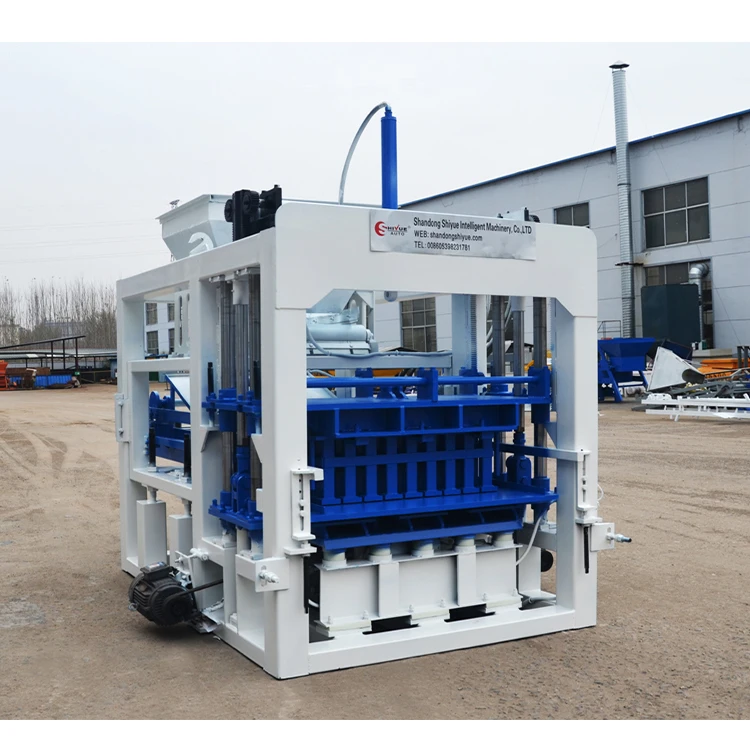
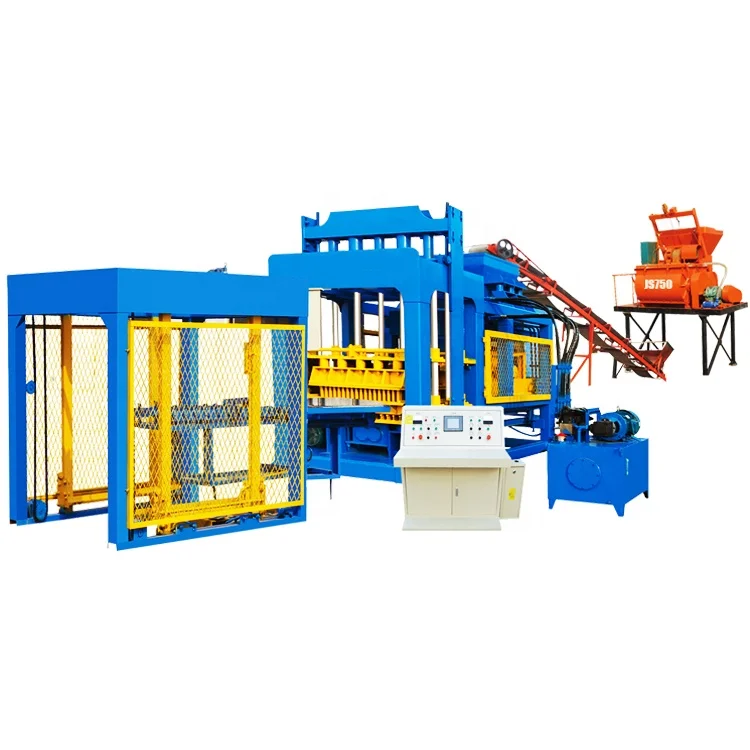 Stationary block machine