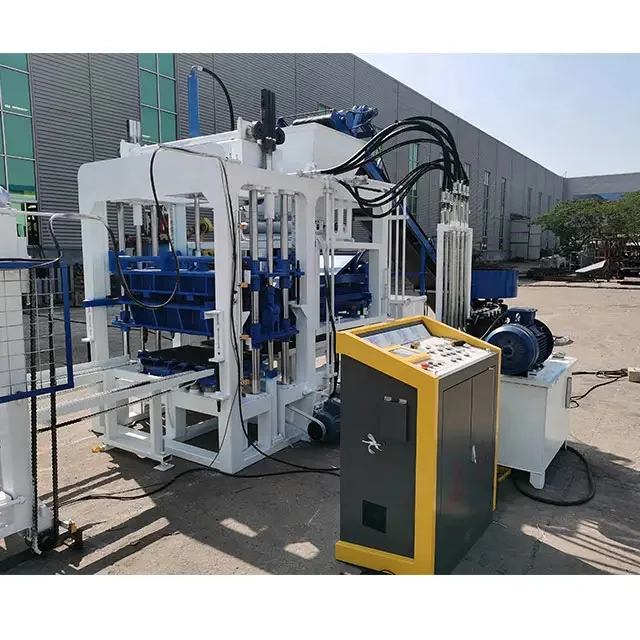
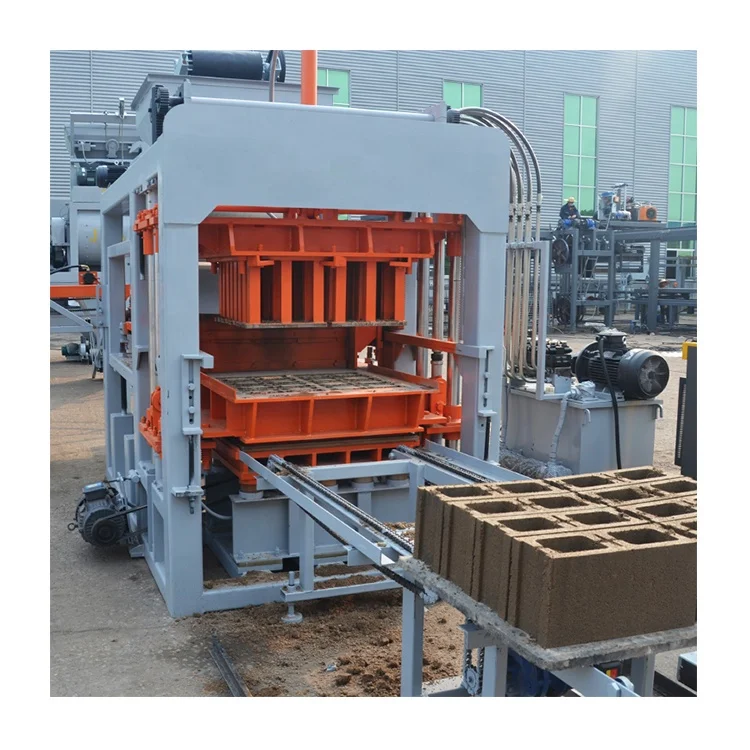
Single-focus block machinery supply — the LY4-10 interlocking brick making machine ships as a matched system with mould, pallet and handling specifications confirmed before production, not assembled from separate catalogues after the order.
Technical Specifications
| Parameter |
Value |
| Model |
LY4-10 |
| Product Type |
Interlocking Brick Making Machine |
| Machine Power |
11 kW |
| Hydraulic Pressure |
25-32 MPa |
| Molding Cycle |
7-10 seconds (basis not stated in source — confirm block format / material / thickness) |
| Production per Cycle |
4 pcs (basis not stated in source — confirm block format / material / thickness) |
| Control System |
Automatic operation with automatic material feeding, mould pressing, and mould lifting |
| Voltage |
Customized to local voltage (basis not stated in source — confirm voltage and frequency) |
| Machine Weight |
1500 kg |
| Overall Dimensions |
2260×1500×2380 mm |
| Warranty |
1 year (excluding wearing parts) |
Application Suitability
| Application |
Material or Output |
| Interlocking brick production for housing and retaining walls |
Cement, sand, crushed stone, and soil blends |
| Ecological brick manufacturing |
Fly ash, clay, and recycled aggregate mixes |
| Geo concrete brick production |
Standard concrete mixes for landscaping and civil works |
| On-site production for construction contractors |
Clay and cement brick formats for project-specific use |
What "7-10 Seconds per Cycle" Leaves Out for the LY4-10 Interlocking Brick Making Machine Manufacturer
Cycle time means nothing without the block format and mix design it was measured against.
Many quotations list a molding cycle and leave the buyer to assume that figure applies to every interlocking profile the machine can run. In reality, a thin paver and a thick retaining-wall block demand different vibration durations, hydraulic dwell times, and material feed volumes. When the format is not stated, the daily output calculation breaks down before the machine even arrives. I have seen contractors plan a housing project around a production rate that was actually measured on a completely different block, leading to missed deadlines and idle crews waiting on supply [NEED_CITE: real-world output variance by block format in semi-automatic block plants].

Where the LY4-10 Sits in the Machine Range
The LY4-10 interlocking brick making machine manufacturer positions this model in the semi-automatic tier, bridging the gap between manual egg-laying machines and fully automatic lines with pallet stackers and cubing systems. Buyers stepping up from a mobile block machine will find the hydraulic pressing and automatic mould cycle a clear step forward in consistency, while those comparing it to a high-output automatic line will note that pallet handling remains manual. This tier suits a first interlocking brick plant where daily volume is moderate and the investment ceiling does not stretch to full automation.
Semi-Automatic Means Knowing Where the Operator Still Steps In
The automatic material feeding, mould pressing, and mould lifting remove the heaviest manual interventions from each cycle, but the operator still places and retrieves pallets, manages the curing area, and handles format changeovers. Understanding this boundary is essential before sizing your labour force and daily shift plan. A semi-automatic machine does not eliminate the operator; it redirects their effort from pressing to logistics around the press [NEED_CITE: labour allocation patterns in semi-automatic block production facilities].
Pressure, Cycle, and Footprint: Reading the Specs in Context
The 25-32 MPa hydraulic pressure range directly influences the density and compressive strength of interlocking bricks, especially when local aggregate includes porous or lightweight materials that require higher compaction force. The 7-10 second molding cycle, when confirmed against your target format, determines realistic daily throughput together with pallet exchange time and operator pace. At 1500 kg and 2260×1500×2380 mm, the machine footprint fits a workshop or small plant without demanding a dedicated foundation pit, though a level concrete slab rated for the dynamic vibration load remains necessary. The 11 kW power draw means most sites can run the LY4-10 on a standard three-phase industrial supply without a dedicated transformer upgrade.
The Hidden Cost of Skipping Voltage and Spare Parts Confirmation
Confirming voltage and frequency after the machine is built often means rewiring motors and replacing control components on arrival, a delay that can stretch into weeks while local electricians source compatible parts. Equally, a machine that ships without a defined wearing parts list forces the buyer into an emergency search for hydraulic seals and vibration springs the first time something fails — and local suppliers rarely stock the exact specification. That downtime is entirely preventable with documentation agreed before production [NEED_CITE: common commissioning delays caused by voltage and spare parts mismatches].
Why Source This Tier from a Single-Focus Supplier
Block machinery as a sole product line means the LY4-10 interlocking brick making machine manufacturer specifies the mould, pallet, and handling requirements together with the press, rather than treating them as afterthoughts sourced separately. Configuration is set against your actual mix design and target interlocking format, not a catalogue default. Mould design covers the profiles your market sells, with custom drawings available. Automation level is selectable, so a semi-automatic start leaves a clear path to add pallet feeding and stacking later. Installation support includes operator training and a wearing parts list tied to your specific machine serial number.
Documentation & Verification
- Machine specification sheet confirming hydraulic pressure range and molding cycle per format
- Mould drawing and interlocking profile list matched to your market requirements
- Voltage and control language confirmation document signed before production begins
- Factory test record on your specified block format and mix design before dispatch
- Hydraulic and electrical schematic for local maintenance and troubleshooting planning
Installation, Commissioning & Support
- Level concrete slab required, rated for 1500 kg static load plus dynamic vibration forces
- Three-phase power supply matched to confirmed voltage and frequency before wiring
- Machine arrives assembled; operator training covers mould change and hydraulic adjustment
- Wearing parts list includes hydraulic seals, vibration springs, and mould wear inserts
- Annual maintenance schedule aligned to hydraulic system and control component inspection
What to Include in Your Inquiry
To size the LY4-10 correctly, share your target interlocking brick dimensions and profile, daily output requirement, and the local aggregate and cement you plan to use. Confirm your site voltage, frequency, and preferred PLC display language. If you have an existing pallet size or curing rack system, provide those dimensions so the pallet specification aligns with your handling equipment.
Frequently Asked Questions
Q: What block format does the 7-10 second cycle time assume, and how does output change for other interlocking profiles?
A: The published cycle time is measured against a specific format and mix that must be confirmed per order. Thicker or denser interlocking bricks typically require longer vibration and pressing dwell, extending the cycle. We provide a capacity calculation stating the exact format assumed so your daily output projection is reliable.
Q: Which automation level does LY4-10 provide, and where does manual handling still apply?
A: The LY4-10 automates material feeding, mould pressing, and mould lifting. Pallet placement, retrieval, and transfer to the curing area remain manual. This semi-automatic tier reduces operator fatigue per cycle while keeping investment below a fully automatic line with stackers and cubing systems.
Q: Can the voltage and control system be configured for my local grid before shipment?
A: Yes. Voltage and frequency are customized to your local supply, and the control display language is confirmed during the order process. This prevents rewiring or component replacement on arrival and allows commissioning to proceed without electrical delays.
Q: What mould formats are available, and how long does a mould change take?
A: Moulds are designed for the interlocking profiles your market requires, including custom drawings to buyer specifications. Mould change time depends on the format and fastening system; we provide a format list and changeover procedure so you can plan production shifts around your product mix.
Q: Where does LY4-10 sit in the range compared to fully automatic interlocking brick lines?
A: The LY4-10 sits in the semi-automatic tier, offering hydraulic pressing and automatic mould cycles without the pallet stacking and cubing systems of a full line. It suits first plants or moderate-output sites where investment and plant footprint need to stay contained while maintaining consistent brick quality.

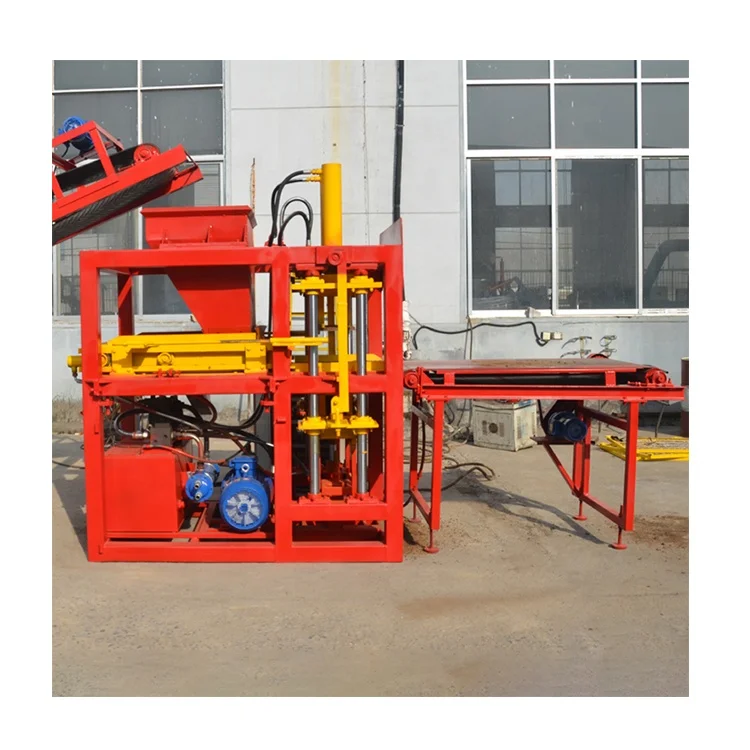
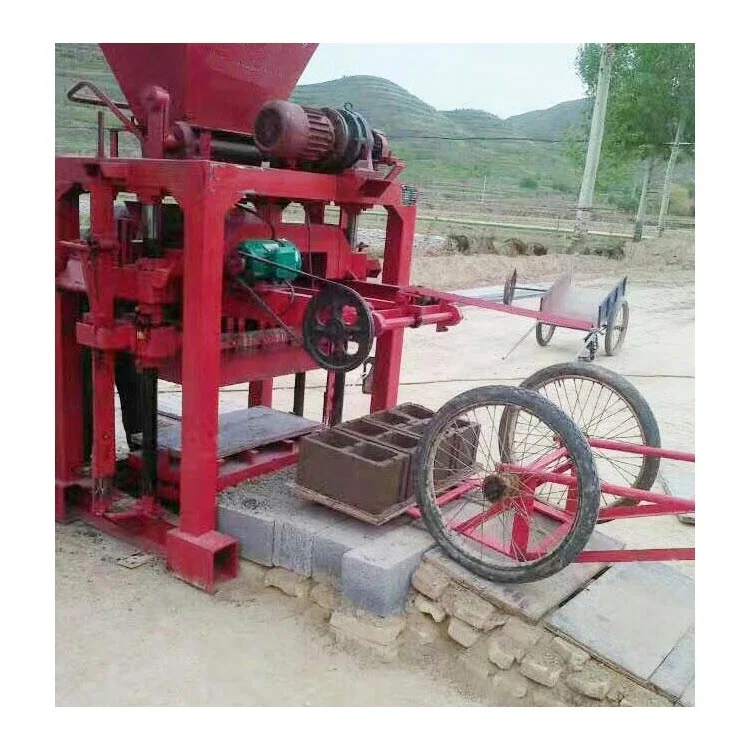 Semi automatic block