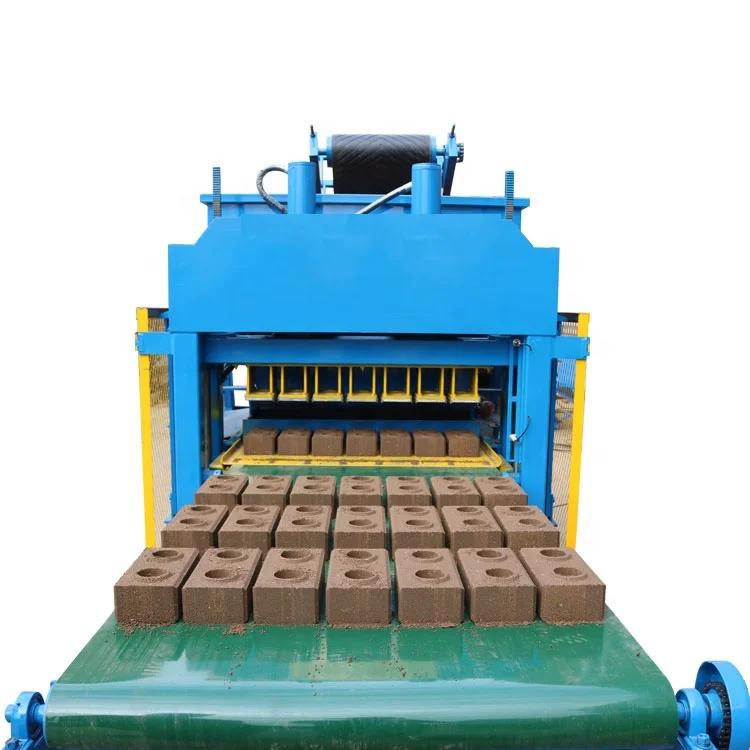
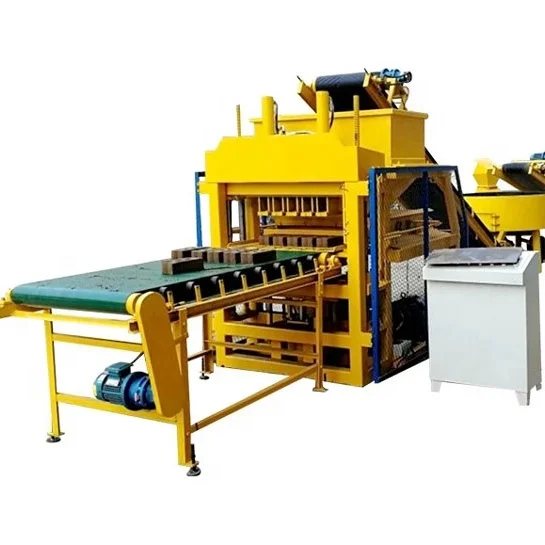
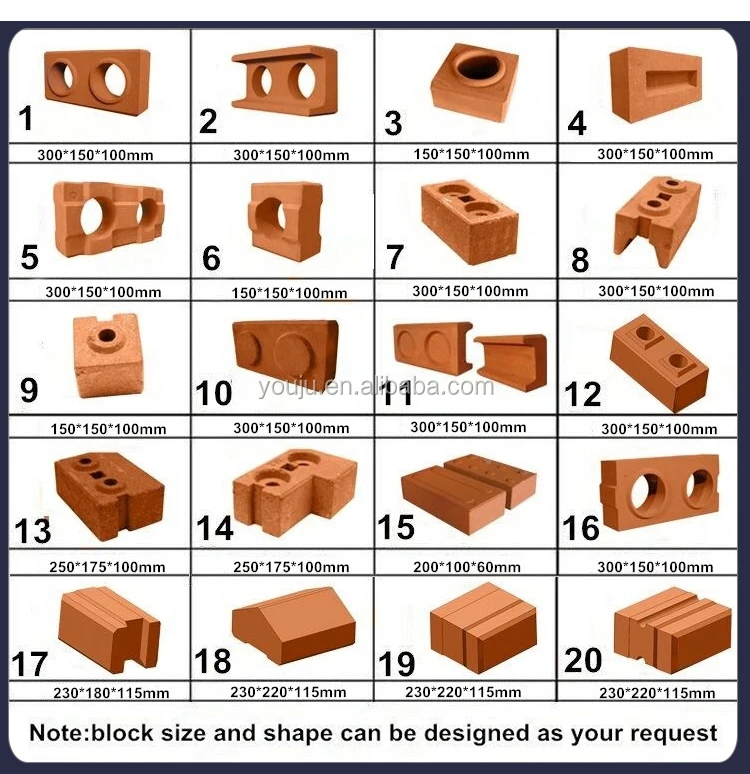
Single-Focus Block Machinery — the LY2-40 manual press is specified as one matched unit with its moulds and mixer, not assembled from separate catalogue pages.
Technical Specifications
| Parameter |
Value |
| Product Type |
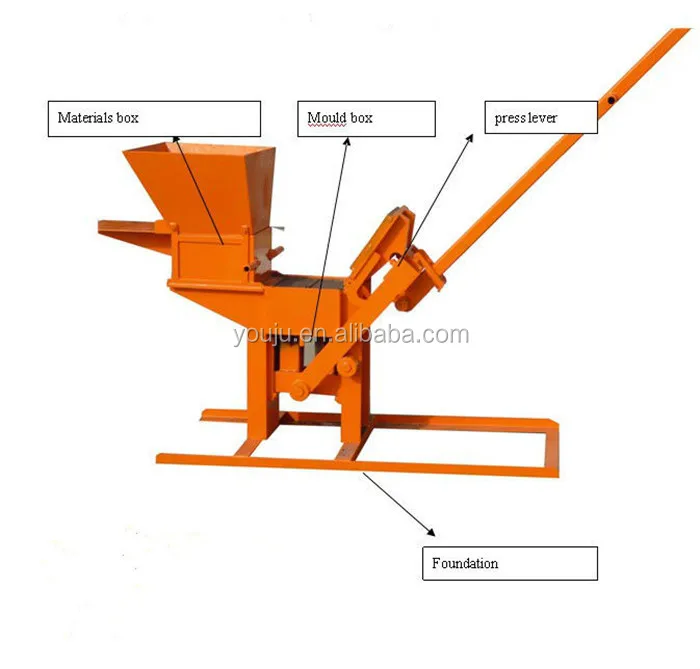
Manual Clay Interlocking Brick Making Machine |
| Model |
LY2-40 |
| Rated Power |
No Power, Completely Manual |
| Voltage & Frequency |
Not applicable |
| Control System |
Manual lever and gear mechanism with bearing |
| Overall Dimensions (L×W×H) |
1600 × 700 × 1200 mm |
| Net Weight |
200–240 kg |
| Moulding Cycle |
30–40 s |
| Output Capacity |
400–1000 pcs/day (basis not stated in source — confirm block format, material and thickness) |
| Mould Format |
Changeable moulds for various interlocking block formats |
| Mobility |
Steel wheels for on-site repositioning |
| Optional Mixer |
JFA-1 or JQ350 |
| Warranty |
1 Year |
Application Suitability
| Application |
Material or Output |
| Off-grid interlocking brick production |
Local soil blended with cement, no electricity required |
| Rural housing and community projects |
Soil-cement mix formed into interlocking profiles on-site |
| First-plant entrepreneurs with minimal capital |
Small daily volumes of interlocking clay bricks |
| Construction teams in areas with unreliable grid power |
Continuous hand-pressed output using manual lever mechanism |
What "400 to 1000 Pieces per Day" Actually Means for a Manual Clay Interlocking Brick Machine
A daily output figure is only honest when it names the exact brick format, wall thickness, and soil-cement ratio behind it.
I have seen buyers receive a capacity range with no format attached, then watch real production fall far short once the machine arrives and the first batch is pressed. The LY2-40 cycles every 30 to 40 seconds, but a thick interlocking profile takes longer to eject and handle than a thin paver, so the spread between 400 and 1000 pieces reflects that variable — not a guaranteed daily tally. When a supplier quotes the upper end without stating which brick size it assumes, you are essentially buying a number, not a production plan [NEED_CITE: capacity calculation standards for manual block presses]. This is the first question to settle before comparing machines across the range.

Where the LY2-40 Sits in the Block Machine Range
The LY2-40 occupies the entry tier of the Shiyue block machine lineup. It is a fully manual, zero-power press built for buyers who either lack grid access or want to validate their local soil-cement mix before committing to a powered line. Every machine above it in the range adds either vibration, hydraulic pressure, or both — and each step up changes the daily output calculation, the curing footprint, and the labour headcount. Placing yourself on this ladder before narrowing down prevents the common mistake of buying capacity you cannot yet feed, cure, or sell.
Reading the Range Before You Commit
Semi-automatic tiers introduce pallet feeding and vibration, which means you need a pallet return system and a curing yard sized for higher throughput. Fully automatic tiers add stacking and cubing, pulling labour off the line but demanding a stable power supply and a batching plant that can keep pace. The manual clay interlocking brick machine tier, by contrast, requires only a mixer, a flat work area, and the operator’s rhythm [NEED_CITE: plant layout considerations for tiered block production]. Understanding where each tier begins and ends lets you pick the machine that matches today’s budget while leaving a clear upgrade corridor for tomorrow’s volume.
How the Core Specifications Shape Daily Output
The 30–40 second moulding cycle is the heartbeat of the LY2-40. That cycle covers filling the mould cavity, pulling the lever to compress the soil-cement mix, and ejecting the finished brick — so any change in wall thickness or interlocking lug depth directly stretches or shortens it. The 1600 × 700 × 1200 mm footprint is compact enough to move between work zones on its steel wheels, yet it limits mould size, which in turn caps the maximum brick profile the machine can accept. Net weight of 200–240 kg provides enough mass to resist tipping during lever compression without requiring a bolted foundation. Pairing the press with either a JFA-1 or JQ350 mixer keeps the material feed consistent; an undersized mixer will leave the operator waiting for the next batch, turning a 30-second cycle into a two-minute idle gap.
The Hidden Cost of Ignoring Soil Composition
A buyer once sourced a manual press elsewhere and ran a high-sand local soil through it without adjusting the cement ratio. The bricks looked fine on the pallet but cracked after a week of sun exposure, and the entire first batch was rejected on site. Manual presses offer no vibration or hydraulic compensation — the operator’s lever force is the only compaction energy available, so a poorly graded mix simply produces a weak brick every single time [NEED_CITE: soil-cement ratio guidelines for compressed earth blocks]. That failure is not a machine fault; it is a specification gap that a proper pre-shipment sample test would have caught.
Why Buyers Source This Tier Here
Block machinery is the sole focus, so the LY2-40 press, its moulds, the matching pallet size, and the recommended mixer are specified as one system rather than sourced from unrelated catalogues. Mould design covers the interlocking profiles that sell in the buyer’s own market, and custom drawings are accepted when a standard format does not fit. Configuration is set against the buyer’s actual soil sample and target brick format, not a generic default. The machine ships with a factory test record that documents real cycle times on the agreed format. An upgrade path exists: when daily demand outgrows manual output, the same mould philosophy carries forward to semi-automatic and automatic tiers.
Documentation & Verification
- Machine specification sheet confirming dimensions, weight, and 30–40 s cycle
- Mould drawing and format list showing available interlocking profiles
- Factory test record with actual output per brick format before dispatch
- Capacity calculation stating the exact block format assumed
Installation, Commissioning & Support
- No foundation required; steel wheels allow repositioning on compacted ground
- Zero-power design eliminates voltage and frequency confirmation steps
- Lever mechanism and bearings inspected at assembly before crating
- Mixer pairing confirmed to match soil-cement batch size per cycle
- Mould change procedure covered during on-site operator familiarisation
What to Include in Your Enquiry
To size the right machine and mould set, share the interlocking brick profile your market demands, the daily volume you plan to start with, and a basic soil description from your site. If you already own a mixer or plan to cure bricks outdoors, mention those details so the line layout accounts for them from the outset.
Frequently Asked Questions
Q: How is the daily output of the LY2-40 verified, and which brick format does it assume?
A: The 400–1000 piece range depends on the interlocking profile, wall thickness, and soil-cement mix used. A verified output figure must name the exact format. Request a factory test record that documents cycle time and daily count on your chosen brick before shipment.
Q: Where does the LY2-40 sit in the full range, and what is the upgrade path?
A: It is the entry tier — fully manual, zero-power. Semi-automatic tiers add vibration and pallet feeding; automatic tiers add stacking and cubing. Moving up increases throughput but also demands a larger curing area, stable power, and a batching system that keeps pace.
Q: What plant footprint and curing area does the LY2-40 need?
A: The press footprint is 1600 × 700 mm, plus space for the mixer and raw material stockpile. Curing area depends on daily output and brick format; a 400-piece day requires roughly half the yard space of a 1000-piece day. Plan the yard before ordering.
Q: Which mould formats are available, and how long does a change take?
A: Changeable moulds cover various interlocking profiles. Specific formats and changeover time depend on the mould set chosen. Confirm available profiles and request a changeover demonstration during the factory test so you know the practical downtime between formats.

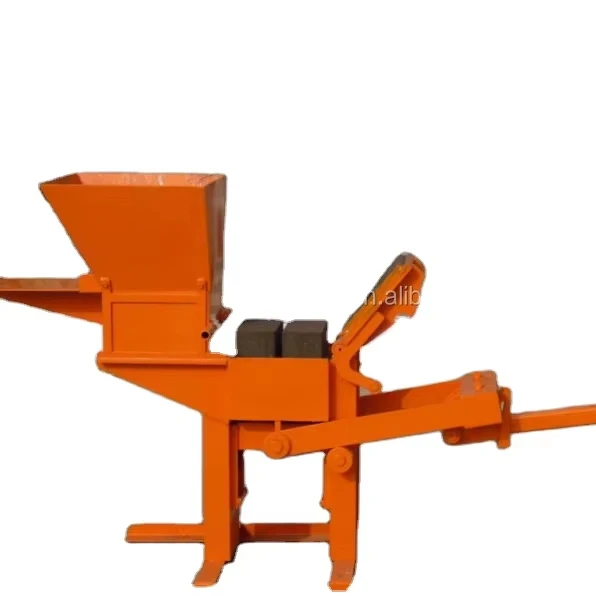
 Clay interlocking brick