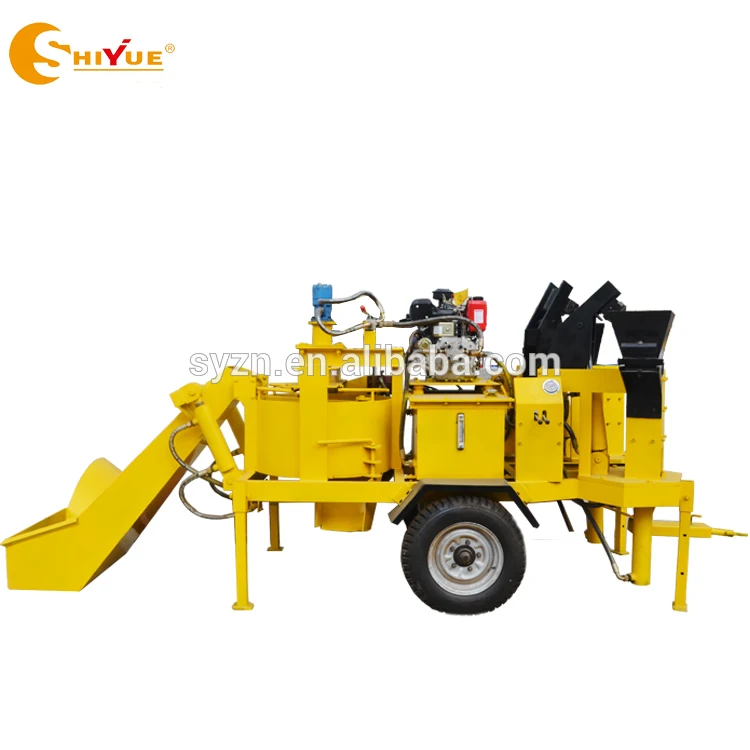
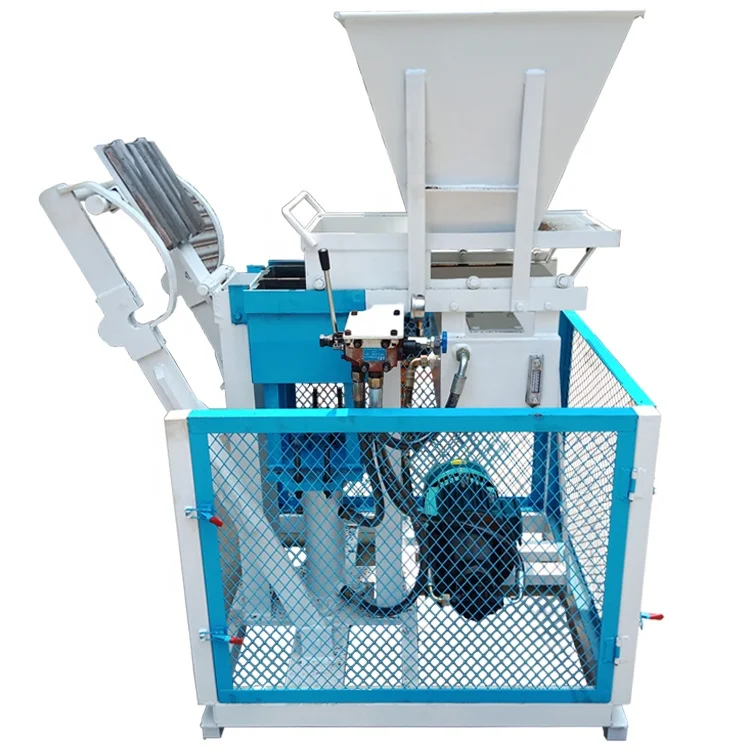
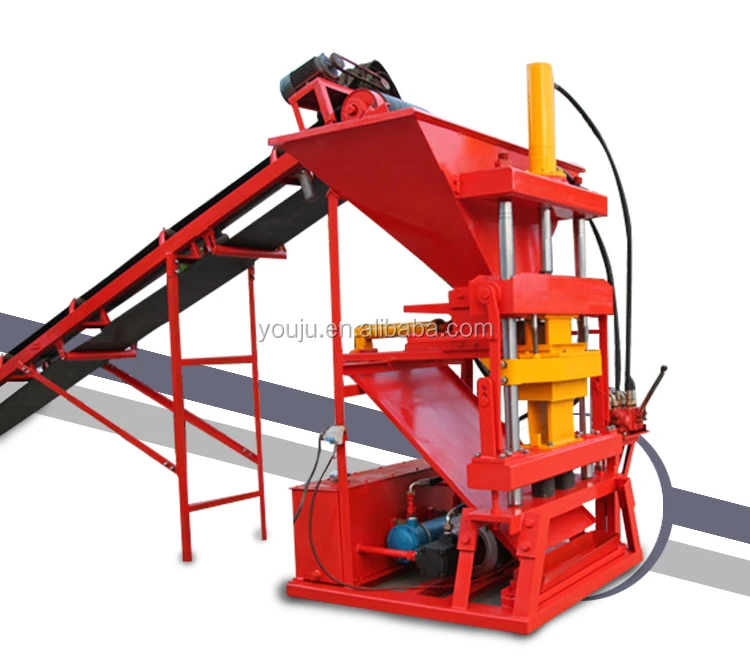
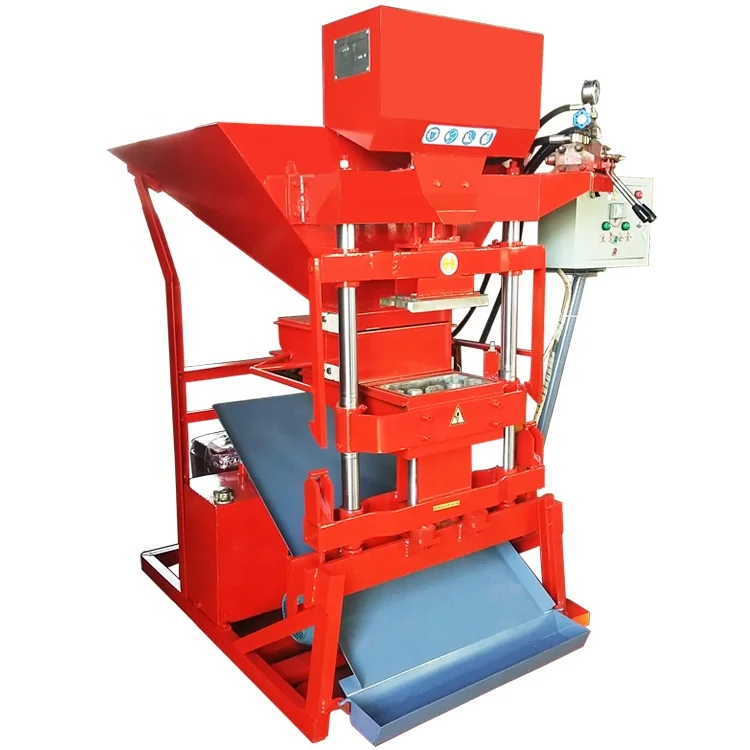
Matched System Supply — the LY5-10 hydraulic interlocking clay brick making machine is quoted with its mixer, crusher, screening unit, and conveyors as one coordinated line, preventing station-mismatch bottlenecks that stall standalone presses.
Technical Specifications
| Parameter |
Value |
| Model |
LY5-10 |
| Product Type |
Hydraulic Interlocking Clay Brick Making Machine |
| Control System |
PLC controlled |
| Overall Dimensions (L×W×H) |
2260 × 1500 × 2380 mm |
| Net Weight |
2200 kg |
| Rated Power |
15 kW |
| Molding Cycle |
10 s |
| Output Capacity |
14,400 pcs/day (basis not stated in source — confirm block format and material) |
| Hydraulic Oil Capacity |
70 L anti-wear hydraulic oil |
| Mould Format |
Interlocking clay brick |
| Brick Height Adjustment |
Adjustable via screws |
| Raw Material |
Clay, soil, cement, construction dregs |
| Automation Level |
Automatic, single-operator capable |
| Mixer Gearbox Oil |
15 kg |
Application Suitability
| Application |
Material or Output |
| On-site housing project brick production |
Clay and soil mixed with cement for interlocking wall bricks |
| Small-to-medium interlocking brick plant |
Local soil and construction dregs blended with binding agents |
| Building material distributor adding formats |
Interlocking clay brick profiles from available regional clay sources |
| Rural and peri-urban construction supply |
Soil-cement interlocking bricks for load-bearing and partition walls |
Why "14,400 Pieces per Day" Can Mislead a Buyer
The capacity figure only means something when tied to the exact brick format, wall thickness, and mix design being pressed.
I learned this the hard way on an earlier Middle East project. We quoted a daily run rate based on sample testing with a standard clay blend, but the buyer’s local soil carried a high sand fraction that extended the compaction cycle. Their actual output landed at barely half the brochure number. With the LY5-10, the 10-second molding cycle and 14,400 pcs/day reference must be validated against your specific interlocking brick dimensions and clay-soil ratio before the machine enters production. A hydraulic interlocking clay brick making machine manufacturer should always confirm the format behind the headline number [NEED_CITE: brick format and cycle time correlation in hydraulic pressing]. Without that step, buyers plan shifts and logistics around a capacity the machine cannot physically deliver on their material.

Where the LY5-10 Sits in the Full Machine Range
The LY5-10 occupies the mid-tier of our automatic interlocking brick machine lineup, positioned between entry-level manual presses and high-capacity fully automatic lines. For a buyer evaluating options, this model covers the volume needed by a first commercial interlocking brick plant or a contractor producing on-site for a defined housing project. The PLC-controlled operation and single-operator design mean you do not need a large skilled crew to run the line, which matters when setting up in areas where trained press operators are scarce. The complete system approach — including soil crusher, screening machine, JQ500 mixer, and belt conveyors — places this model above standalone presses that leave material handling to separate sourcing.
How the Complete Line Stays Synchronized
A brick press is only as fast as the slowest station feeding it. The LY5-10 line connects a soil crusher and screening unit upstream to a JQ500 mixer, then moves prepared material through a 6 m conveyor belt into the press hopper. On the output side, a 4 m belt conveyor carries formed bricks away to the curing area. When any one of these stations runs slower than the 10-second molding cycle, the press sits idle between cycles, and the daily count drops regardless of what the specification sheet says [NEED_CITE: production line synchronization and bottleneck theory in block manufacturing]. Matching conveyor speed, mixer batch size, and crusher throughput to the press cycle is part of the line layout we confirm before production begins. This is where sourcing the hydraulic interlocking clay brick making machine manufacturer as a single package avoids the gaps that appear when each station arrives from a different supplier.
Reading the Specs That Actually Shape Your Output
Hydraulic pressure in the LY5-10 determines how densely the clay-soil-cement mix is compacted into the interlocking profile, directly affecting brick strength and water absorption. The 70 L hydraulic oil reservoir supports sustained pressure across long production runs without thermal degradation that would soften compaction force. The adjustable brick height screws let operators fine-tune wall thickness without swapping the entire mould, giving format flexibility within a single tooling set. PLC control locks in cycle repeatability, so each brick receives the same pressure duration and vibration pattern — critical when interlocking profiles demand dimensional precision for mortar-free assembly. The 15 kW rated power covers both hydraulic pump drive and vibration motor demand simultaneously, meaning the press does not starve one system to feed the other during peak compaction.
The Cost of Skipping Soil Analysis Before Ordering
When a buyer orders without sharing a soil composition report, the machine arrives configured for a generic clay mix that may not match local material. High sand content reduces cohesion and demands longer compression cycles. Excessive silt weakens the interlocking edge profile. Clay with too much organic matter produces bricks that crack during curing. These problems surface only after installation, when reconfiguring the mixer ratios, adjusting hydraulic dwell time, or re-cutting mould profiles means weeks of lost production [NEED_CITE: soil composition effects on compressed earth block strength]. The hidden expense is not the machine modification — it is the delayed project timeline and the reputation cost of delivering inconsistent bricks to a construction site.
Why Sourcing the Full Line from One Supplier Matters
Block machinery as a single focus means the LY5-10 press, its moulds, pallets, and handling conveyors are specified as one matched system rather than assembled from unrelated vendors. Configuration is set against the buyer’s actual clay-soil-cement mix and target interlocking profile, not a catalogue default that ignores regional material differences. Mould design covers the interlocking formats the buyer’s local market sells, with custom profile options available from buyer-supplied drawings. The automation level on the LY5-10 is selectable, so a plant can begin with PLC-controlled semi-automatic operation and add stacking or curing rack handling later. Installation support includes on-site assembly of the main unit, crusher, screen, mixer, and conveyors connected to the central control box, with operator training covering cycle settings and mould change procedures.
Documentation & Verification
- Line layout drawing showing each station from soil crusher through output conveyor with spacing dimensions
- Capacity calculation sheet stating the exact interlocking brick format and wall thickness behind the daily output figure
- Mould drawing with interlocking profile dimensions and height adjustment range for buyer approval
- Hydraulic and electrical schematic with voltage, frequency, and PLC display language confirmed before build
- Factory test record documenting cycle time, hydraulic pressure, and brick dimensions on the confirmed mix design
Installation, Commissioning & Support
- On-site assembly required: main press unit, JQ500 mixer, soil crusher, screening machine, and conveyors connected to control box
- Dedicated power circuit for the 15 kW rated load with voltage and frequency confirmed to local grid standards before shipment
- First-run commissioning includes hydraulic pressure calibration and molding cycle tuning to the buyer’s verified soil-cement mix
- Operator training covers PLC interface navigation, brick height screw adjustment, and mould change procedures for interlocking profiles
- Anti-wear hydraulic oil supply at 70 L capacity with recommended replacement intervals documented in the maintenance manual
- Wear parts list identifies hydraulic seals, mould liners, and conveyor belt sections for proactive stocking
What to Share with Your Inquiry
To configure the LY5-10 line accurately, provide a soil or clay composition report from your local source so the mixer and hydraulic settings match your actual material. Confirm the interlocking brick profile and wall thickness your market requires, along with the daily volume your project or plant demands. Specify your site voltage, frequency, and preferred PLC display language so the control system arrives ready for commissioning. If you already have curing space, forklifts, or pallet stock on hand, share those details so the output conveyor and handling setup integrate without rework.
Frequently Asked Questions
Q: How is the 14,400 pcs/day capacity calculated, and which interlocking brick format does it assume?
A: The reference figure is based on a specific mould cavity count and a 10-second molding cycle, but the exact brick dimensions and wall thickness behind that number must be confirmed against your chosen interlocking profile. We provide a capacity calculation sheet tied to your format before production so the daily output expectation matches what the LY5-10 will physically deliver on your material.
Q: What voltage, frequency, and PLC language options are available for the target market?
A: These are confirmed during the inquiry stage based on your local grid standards and operator language requirements. Voltage and frequency are set before the electrical panel is built, and the PLC display language is loaded during factory testing so the machine arrives ready to run without commissioning delays from mismatched control settings.
Q: How long does a mould change take, and can custom interlocking profiles be supplied?
A: Brick height adjustment is handled through screws on the existing mould, allowing quick thickness changes without a full tooling swap. For entirely different interlocking profiles, custom moulds can be manufactured to buyer-supplied drawings. Mould change time depends on the profile complexity and is documented in the operation manual provided with the line.
Q: What equipment is included in the complete LY5-10 line quotation?
A: The standard line package includes the hydraulic press, JQ500 concrete mixer, soil crusher, soil screening machine, a 6 m input conveyor belt, and a 4 m output conveyor belt, all connected to the central PLC control box. This eliminates station-mismatch gaps that occur when each component is sourced separately from different suppliers.
Q: Where does the LY5-10 sit in the full machine range, and when should a buyer step up?
A: The LY5-10 serves mid-tier production needs for first plants and on-site project supply. Buyers targeting higher daily volumes across multiple brick formats, or those requiring automatic stacking and curing rack handling integrated into the line, should evaluate higher-tier automatic models that accommodate larger pallet sizes and faster cycle configurations.

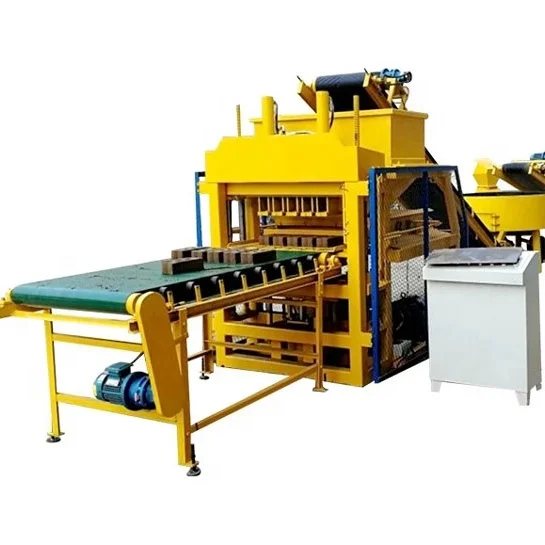
 Clay interlocking brick