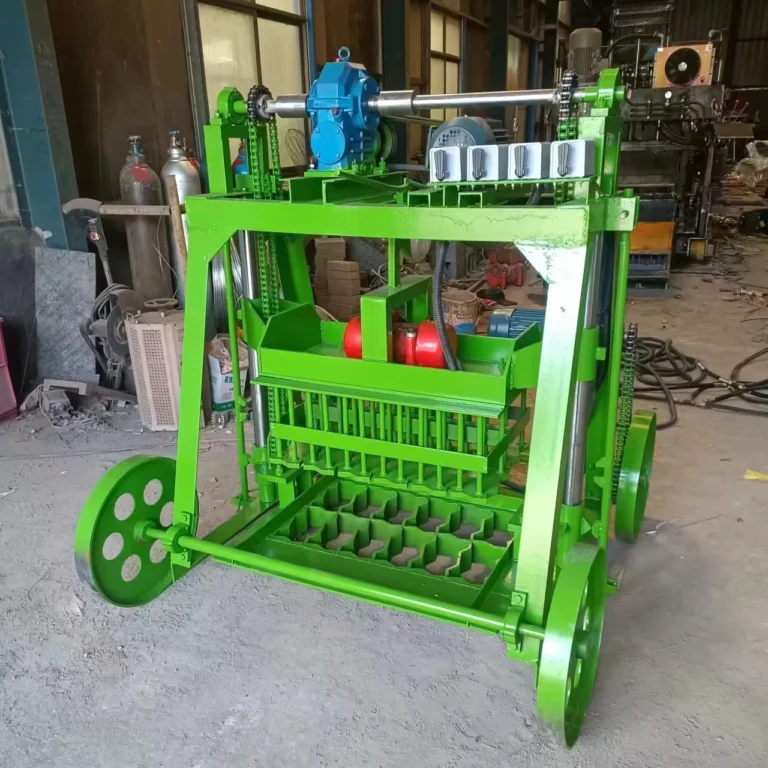
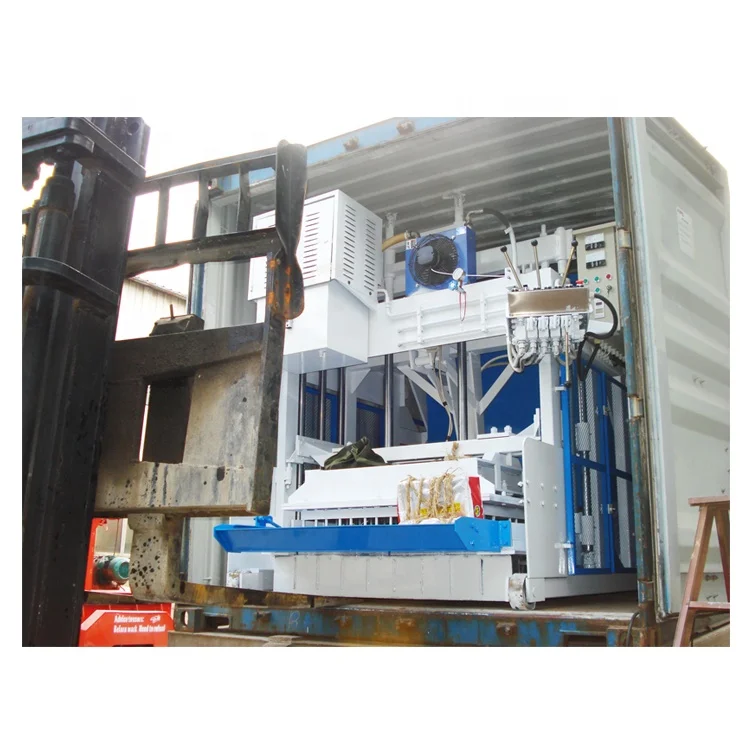
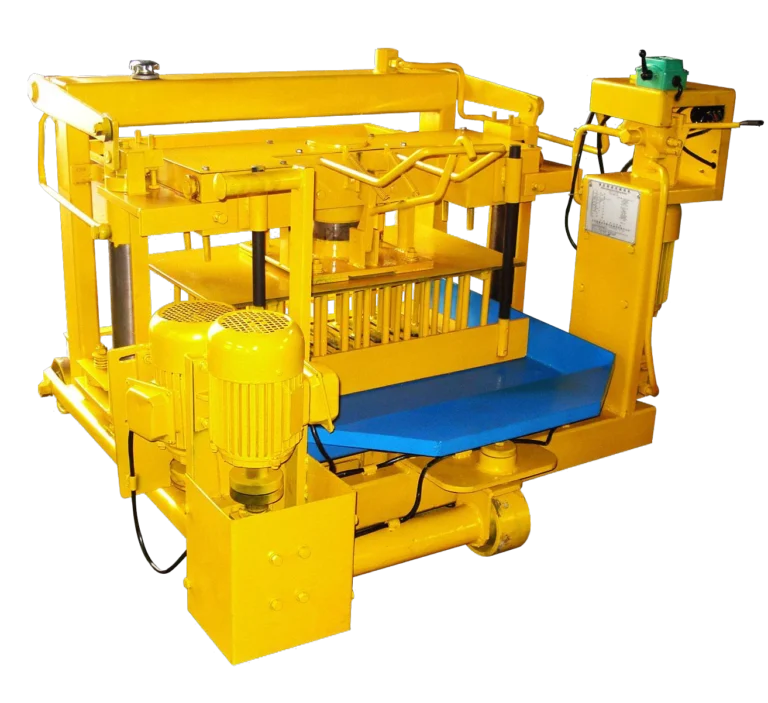
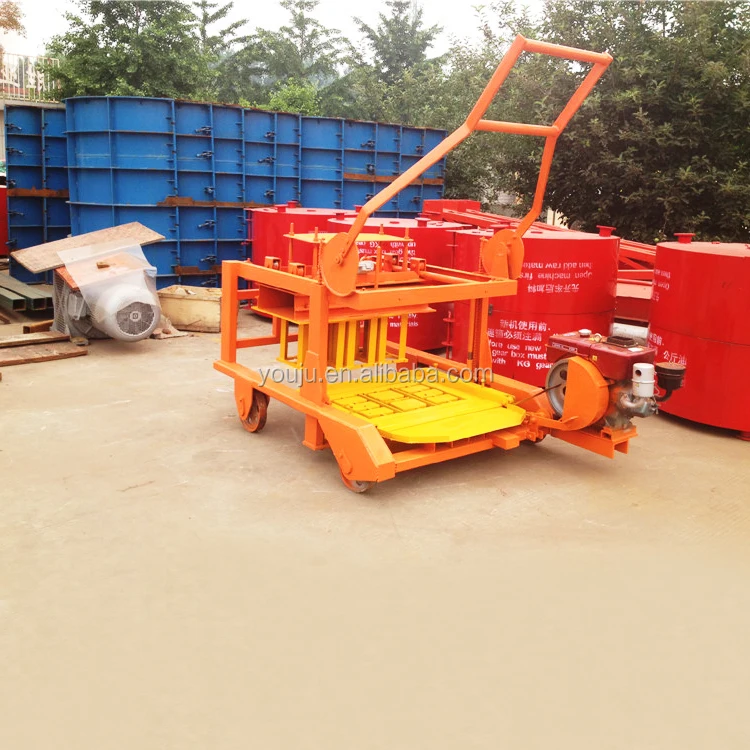
Configuration matched to buyer’s actual mix and site — the QMY4-30 mobile block making machine is specified against your local aggregate, cement type, and target block format rather than shipped as a catalogue default.
Technical Specifications
| Parameter |
Value |
| Model |
QMY4-30 |
| Product Type |
Mobile Block Making Machine |
| Rated Power |
5 kW |
| Molding Cycle Time |
30 seconds |
| Dimension (L×W×H) |
1200 × 1200 × 1100 mm |
| Machine Weight |
950 kg |
| Automation Level |
Manual / Mobile |
| Mould Format |
Hollow block, solid brick (changeable) |
| Output Capacity |
480 pcs/hour based on 400×200×200 mm hollow block, 4 pcs/mould |
| Output Capacity |
600 pcs/hour based on 400×150×200 mm hollow block, 5 pcs/mould |
| Output Capacity |
840 pcs/hour based on 400×100×200 mm hollow block, 7 pcs/mould |
| Daily Output (8 h) |
3,840 pcs based on 400×200×200 mm hollow block |
| Daily Output (8 h) |
4,800 pcs based on 400×150×200 mm hollow block |
| Daily Output (8 h) |
6,720 pcs based on 400×100×200 mm hollow block |
| Raw Materials |
Cement, sand, crushed stones, slag |
| Packing Volume |
about 3 CBM |
Application Suitability
| Application |
Material or Output |
| On-site hollow block production for building contractors |
Cement, sand, and crushed stone mixed on the job site |
| Startup block plant validating local market demand |
Standard hollow blocks in 400×200×200 mm and 400×150×200 mm formats |
| Housing project producing blocks locally to avoid haulage |
Hollow blocks and solid bricks from locally sourced aggregate and slag |
| Remote construction site without fixed plant infrastructure |
Mobile egg-laying production directly on compacted ground |
What "Pieces per Hour" Leaves Out About Mobile Block Making Machine Capacity
Every output figure on this page names the block format it assumes — because a single headline number tells you nothing about what you will actually produce.
Suppliers often quote a mobile block making machine for sale at its peak cycle rate without saying which block size that rate applies to. A buyer expecting 840 pieces per hour may be making 400×200×200 mm hollow blocks, where the realistic rate is closer to 480 per hour. Over an eight-hour shift, that gap means the difference between meeting a contractor’s daily order and falling short on the second day. I have seen project timelines slip because the capacity figure on the invoice did not match the format the site actually needed. [NEED_CITE: block format assumptions in capacity quotations]

Where the QMY4-30 Sits in the Output Tier Range
The QMY4-30 occupies the entry tier of the mobile block making machine range. It is built for buyers who need to start producing blocks without investing in a fixed plant, batching system, or pallet circulation line. The 5 kW power draw means it can run from a standard site generator, and the 950 kg weight allows a small forklift or a team of workers to relocate it between work areas. When daily demand grows beyond what a single mobile unit can sustain, the next step is a semi-automatic stationary line with pallet feeding and stacking.
Footprint and Relocation on Active Job Sites
At 1200 × 1200 × 1100 mm, the machine footprint is small enough to operate inside a partially built structure or beside a material stockpile. Contractors producing blocks for a defined housing development can move the unit closer to the point of use as the build progresses, cutting wheelbarrow distance and reducing breakage during wet-block handling. The egg-laying design means blocks are deposited directly onto the ground surface, so the curing area expands outward from wherever the machine is positioned. [NEED_CITE: on-site curing area requirements for mobile block production]
Reading the Specs That Matter for Block Quality
The 30-second molding cycle sets the pace, but block strength depends on how well the vibration force and the buyer’s mix design work together. Local sand with high clay content will not consolidate the same way as washed crushed stone, and a mix that works in the supplier’s factory may produce crumbly edges on your site. The changeable mould system covers hollow blocks and solid bricks, yet each format change requires the operator to swap the mould box and adjust the feed volume — a process that takes a portion of a shift if the crew is not practiced. The 5 kW rated power keeps energy costs manageable, but it also means the vibration motor has a fixed force ceiling, so the mix must be proportioned to match what the machine can compact rather than the other way around.
The Hidden Cost of Skipping Raw Material Confirmation
When a buyer orders a mobile block making machine without confirming local aggregate properties, the first production run often reveals problems that are expensive to fix. I once shipped a mobile egg-laying unit to a West African site where the river sand carried heavy silt. The blocks collapsed at the edges before curing, and the contractor lost nearly half of each day’s output. The machine was not at fault — the mix was wrong for the vibration force available. Confirming your sand source, cement grade, and aggregate grading before the machine leaves the factory allows the mould clearance and cycle timing to be set for your actual material, not a laboratory assumption. [NEED_CITE: aggregate variability and block compressive strength]
Why Buyers Source This Tier From a Block-Machinery-Only Supplier
The QMY4-30 is configured as part of a matched system: machine, mould, and pallet handling are specified together rather than assembled from separate vendors. Capacity calculations are stated per block format, so the buyer knows the daily output for the exact product they intend to sell. Mould designs cover the formats the buyer’s local market demands, and custom mould drawings are available when standard sizes do not match. Voltage and control language are confirmed before dispatch to prevent commissioning delays on arrival. Installation support includes operator training focused on mix adjustment and mould change procedure, not just a startup button press.
Documentation & Verification
- Capacity calculation sheet stating output per block format assumed
- Mould drawing and format list matching buyer’s local market sizes
- Voltage and frequency confirmation record for buyer’s site supply
- Factory test record run on buyer’s specified raw material mix
- Operation and maintenance manual with mould change procedure
- Packing photographs and customs documentation support
Installation, Commissioning & Support
- Site ground must be compacted and level to support 950 kg machine weight during egg-laying operation
- 5 kW power supply requires a dedicated circuit with correct voltage and frequency confirmed before dispatch
- Machine ships as a single compact unit within approximately 3 CBM, reducing container space and freight cost
- First production run supervised to match vibration timing with buyer’s local cement and aggregate mix
- Operator training covers mould swap procedure between hollow block and solid brick formats
- Wear parts list provided with recommended reorder intervals for vibration pads and mould liners
Preparing Your Inquiry
To size a mobile block making machine correctly, share the block formats your local market buys most, the daily quantity you need to hit, and the sand or aggregate source available at your site. Include your site voltage and frequency so the motor and control panel can be wired before the machine ships. If you already have a mixer or a curing area, describe those so the quotation covers only what is missing.
Frequently Asked Questions
Q: How is output capacity calculated for the QMY4-30?
A: Each output figure names the block format it assumes. For example, 480 pieces per hour is based on 400×200×200 mm hollow blocks at four per mould with a 30-second cycle. If your primary product is a different size, the per-hour and per-shift numbers change accordingly. Always ask which format the quoted capacity references before comparing machines.
Q: Where does the QMY4-30 fit if I need more output later?
A: It sits at the entry tier of the mobile block making machine range, suited for startup plants and on-site contractors. When daily demand outgrows a single mobile unit, buyers typically move to a semi-automatic stationary line with pallet feeding and stacking. The QMY4-30 can remain in service for smaller runs or remote sites after the upgrade.
Q: What ground and power conditions does a mobile machine need?
A: The machine deposits blocks directly on the ground, so the surface must be compacted, level, and large enough for the curing area to expand. The 5 kW power requirement allows operation from a site generator, but voltage and frequency must be confirmed before the motor is wired to avoid burnout or low-speed vibration issues.
Q: How long does a mould change take on the QMY4-30?
A: Switching between hollow block and solid brick formats involves removing the current mould box and fitting the replacement, then adjusting the feed volume. A practiced operator completes this within a portion of a shift. If frequent format changes are expected, discuss quick-change options and spare mould storage with the supplier before ordering.
Q: What is included in the quotation versus what I must source locally?
A: The quotation covers the machine, the selected mould, and the vibration motor. Buyers typically source raw materials, a mixer, and ground preparation locally. Pallets are not required for egg-laying operation since blocks cure on the ground, but a curing water supply and covered storage area for cement must be arranged on site.

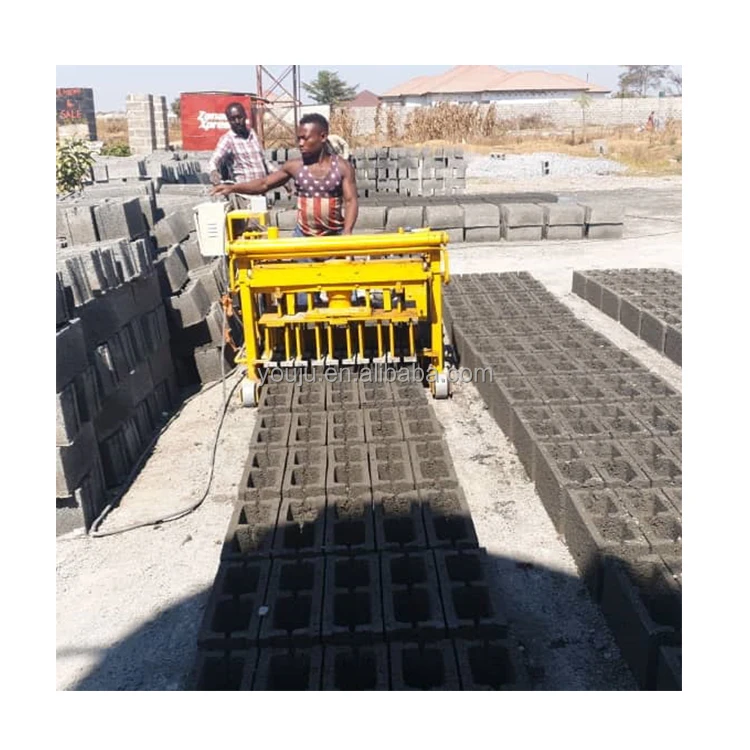
 Mobile block machine