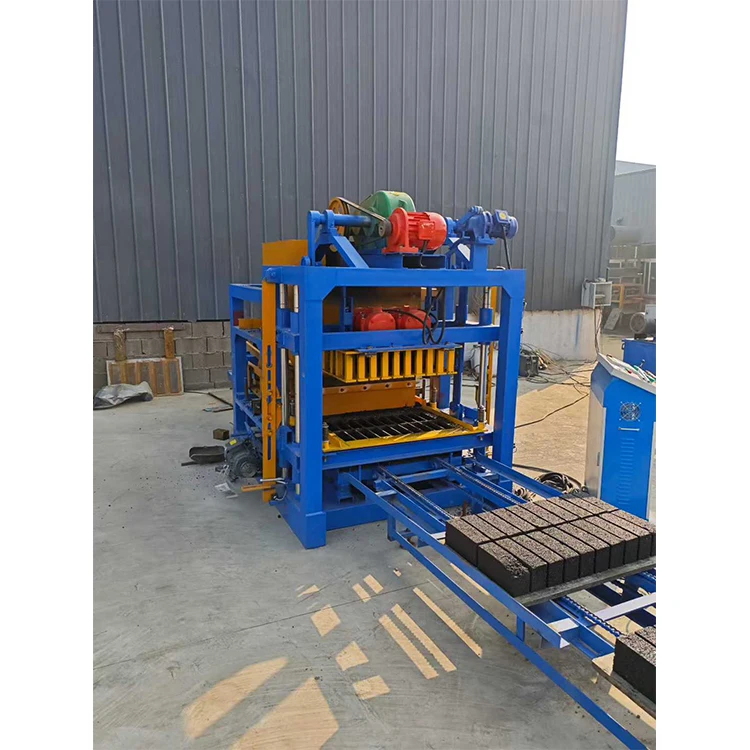
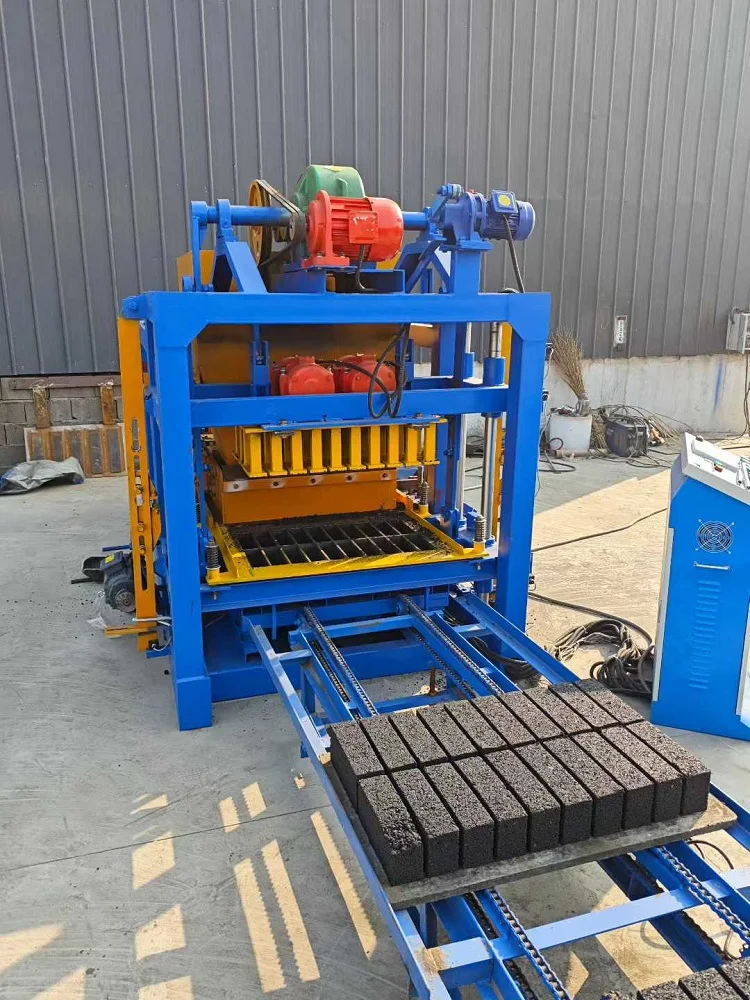
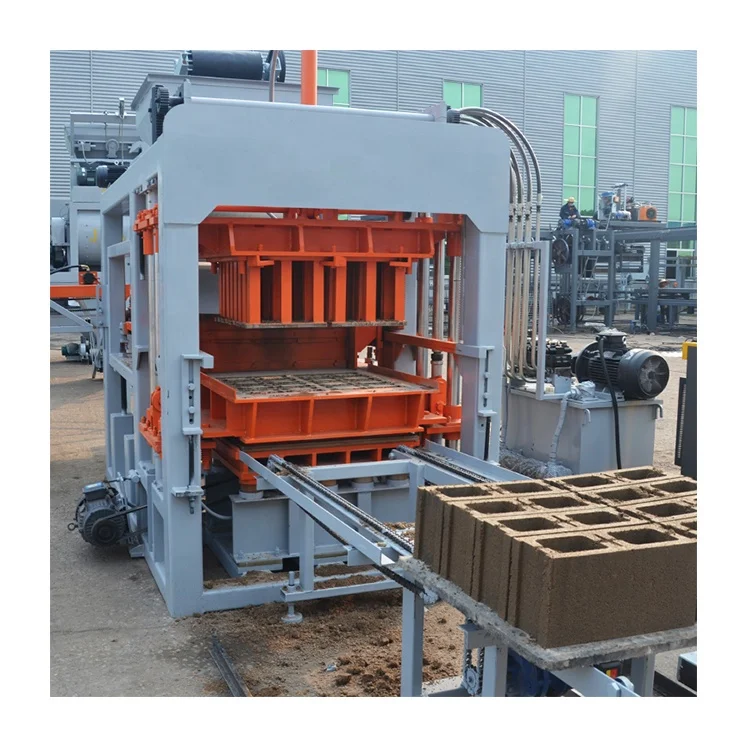
Matched System Approach — the ECO 2700 clay block making machine is specified alongside its mould and pallet so that pressing pressure, cycle time and curing footprint align before the machine leaves the factory.
Technical Specifications
| Parameter |
Value |
| Model |
ECO 2700 |
| Product Type |
Clay Block Making Machine |
| Overall Dimensions |
1000(L) × 1000(W) × 1800(H) mm |
| Shaping Cycle |
15–20 seconds |
| Rated Power |
5.5 kW |
| Hydraulic Pressure |
16 MPa |
| Total Weight |
1000 KGS |
| Voltage & Frequency |
380V, 3-phase, 50Hz (customizable to local voltage) |
| Control System |
Available with PLC or manual control (basis to be confirmed) |
| Mould Format |
Confirmable based on buyer’s target block dimensions |
| Pallet Size |
Confirmable based on curing area and handling setup |
| Output Capacity |
Dependent on block format and material (basis to be confirmed) |
| Assembly State |
Confirmable before dispatch |
| Warranty |
1 year |
Application Suitability
| Application |
Material or Output |
| Small-scale clay block plant |
Local clay mixed with sand and water for standard building bricks |
| On-site construction block making |
Clay and aggregate blends for housing project walls and partitions |
| Small building material producer |
Clay brick formats added to an existing concrete or paver product range |
| First-time block plant entrepreneur |
Low-capital clay brick production with minimal infrastructure |
What "15–20 Seconds per Cycle" Actually Means for Your Daily Output
Cycle time only translates to daily output when the block format, mix moisture and pallet handling are all defined.
When a buyer sees a shaping cycle of 15–20 seconds, the natural assumption is that multiplying by working hours gives a reliable daily figure. In practice, that calculation ignores the time spent on mould changes, pallet loading and unloading, mix preparation between batches, and the inevitable pauses when clay moisture drifts outside the working range. I have watched small workshops plan production schedules around raw cycle numbers, only to find their actual output significantly lower once the full workflow was accounted for [NEED_CITE: real-world cycle time versus theoretical output in block production]. The ECO 2700 clay block making machine manufacturer approach is to state capacity per specific block format so buyers plan against reality, not a catalogue maximum.

Where the ECO 2700 Sits in the Block Machine Range
The ECO 2700 occupies the entry tier of the range — a compact forming press built for small workshops and first-time producers who need consistent clay block output without investing in a full automatic line. Its 1000 × 1000 × 1800 mm footprint means it fits into spaces where a larger press would require foundation modifications, and the 1000 KGS total weight avoids the need for reinforced flooring. For buyers surveying options between a mobile egg-layer and a stationary semi-automatic setup, this model fills the gap where a fixed position is preferred but capital and space are limited.
Matching the Press to Your Production Volume
This machine targets producers whose daily volume does not justify a high-capacity automatic line but who still need hydraulic pressing pressure above what a manual mould can deliver. The 5.5 kW power draw keeps electrical requirements modest, making it workable on sites with limited supply infrastructure. Buyers stepping up from hand-moulding or small manual presses find the ECO 2700 clay block making machine gives them hydraulic density and repeatable cycle times while staying within a small-team operating model. The key decision at this tier is whether to pair the press with manual pallet handling or add semi-automatic feeding — a choice that depends more on labour cost and available curing space than on the press itself [NEED_CITE: labour versus automation trade-offs in small block plants].
Reading the Specifications Against Your Actual Production Conditions
The 16 MPa hydraulic pressure is the figure that determines whether formed clay blocks can bear standing load immediately after pressing. Lower pressure leaves blocks too fragile to move to the curing area without damage, especially in clay mixes with higher sand content. The 15–20 second shaping cycle reflects the time the press spends in compression and release — but actual throughput depends on how quickly pallets are exchanged and fresh mix is fed. The 380V three-phase supply is standard for industrial equipment in many markets, but voltage customization must be confirmed before production begins to avoid commissioning delays when the machine arrives at a site with different electrical infrastructure.
The Cost of Ordering Before Confirming the Details
When a block machine arrives with the wrong voltage or a control panel in an unreadable language, the machine sits idle while transformers are sourced or operators struggle with unfamiliar interfaces. Similarly, when a mould produces a brick dimension that does not match local market demand, the buyer faces a choice between selling at a discount or commissioning a replacement mould — both costly outcomes. These are not defects in the machine; they are gaps in the specification conversation that happen when an order is placed against a catalogue line without discussing the buyer’s actual site conditions and target product. I have seen commissioning delayed by weeks because voltage and frequency were assumed rather than confirmed [NEED_CITE: common commissioning delays from electrical specification mismatches].
Why Source the ECO 2700 Through a Single-Focus Supplier
Block machinery as a single focus means the press, mould, pallet and handling are specified as one matched system rather than assembled from separate suppliers who each optimise for their own component. Configuration is set against the buyer’s actual clay mix design and local aggregate, not a catalogue default that assumes ideal material. Mould design covers the formats the buyer’s market actually sells, with custom drawings available when standard formats do not match local building codes. The automation level is selectable, so a buyer can begin with manual pallet handling and add semi-automatic feeding later as volume grows. Documentation includes factory test records on the buyer’s target block format before the machine ships.
Documentation & Verification
- Line layout and capacity calculation stating the block format and dimensions assumed
- Machine specification sheet with confirmed voltage, frequency and control language
- Mould drawing and format list matching buyer’s target brick dimensions
- Factory test record on buyer’s specified clay mix before dispatch
- Hydraulic and electrical schematic for local maintenance reference
- Operation and maintenance manual with wear parts list
Installation, Commissioning & Support
- Compact 1000 × 1000 mm footprint requires only a level concrete pad, no heavy foundation
- 5.5 kW rated power needs a dedicated circuit with confirmed voltage and frequency
- 1000 KGS total weight allows positioning with standard workshop lifting equipment
- First commissioning includes parameter setting against the buyer’s clay mix and moisture range
- Operator training covers mould change procedure and hydraulic pressure adjustment
- Wear parts list and mould replacement schedule provided at handover
Before You Request a Quote
To size the ECO 2700 correctly for your production, we need your target brick dimensions and the daily volume you plan to achieve with that format. Share the clay mix you intend to use — including local sand or aggregate type and typical moisture content — so the hydraulic pressure and cycle time can be set against real material. Confirm your site’s available voltage and frequency, and let us know the control panel language your operators require.
Frequently Asked Questions
Q: What block formats can the ECO 2700 produce, and what is the realistic daily output per format?
A: The ECO 2700 produces clay block formats determined by the installed mould. Realistic daily output depends on the specific brick dimensions, clay mix, and whether pallet handling is manual or semi-automatic. We provide a capacity calculation based on your target format so you can plan production against confirmed numbers rather than a generic cycle time figure.
Q: Can the motor voltage be customized to match my local electrical supply?
A: Yes, the standard 380V three-phase 50Hz configuration can be customized to match your local voltage and frequency requirements. This must be confirmed before production begins. Providing your exact supply specifications at the inquiry stage ensures the machine arrives ready for connection without needing a separate transformer on site.
Q: What is the mould change process, and how long does it take to switch formats?
A: Mould change on the ECO 2700 involves releasing the current mould from the press and fitting the replacement. The time required depends on the mould design and whether quick-release fittings are specified. We confirm the changeover procedure and expected duration during the specification stage so you can plan format switches into your production schedule realistically.
Q: What raw material mix and clay moisture content does this machine require?
A: The ECO 2700 works with clay mixes blended with sand or local aggregate. The working moisture range depends on your specific clay type and the block density required. We recommend sending a sample of your local material for trial pressing before final configuration, so the hydraulic pressure and cycle parameters are matched to what you will actually feed into the machine.
Q: What is included in the 1-year warranty, and how are replacement wear parts supplied?
A: The 1-year warranty covers manufacturing defects in the press, hydraulic system and control components. A wear parts list is provided at delivery, identifying items that require periodic replacement based on operating hours. Replacement parts and additional moulds are available through direct order, with specifications confirmed against your machine’s serial record.

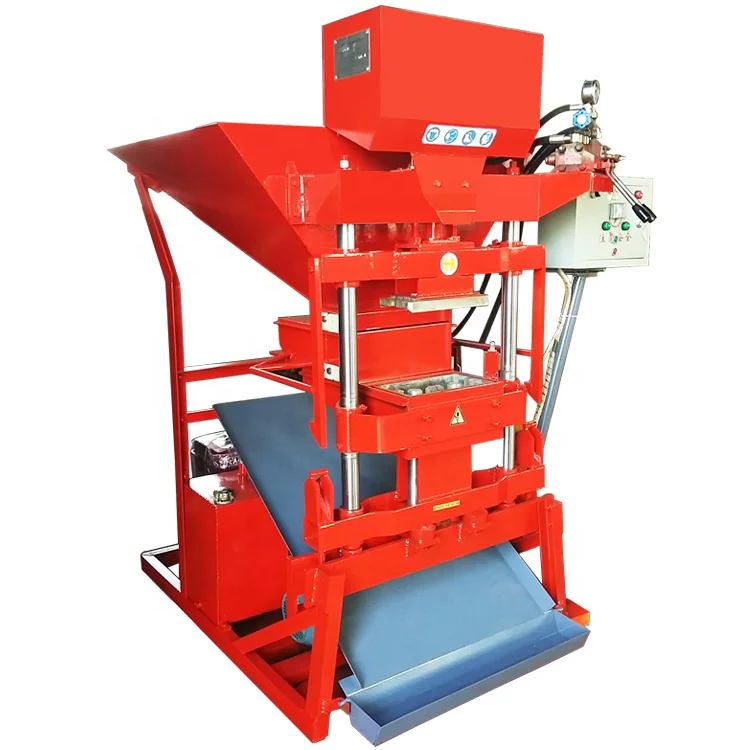
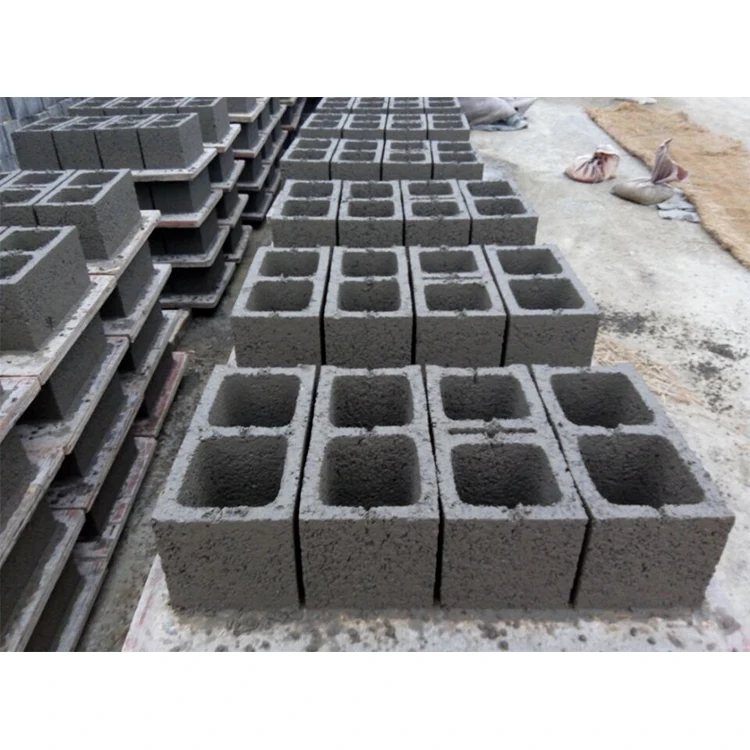 Automatic block machine