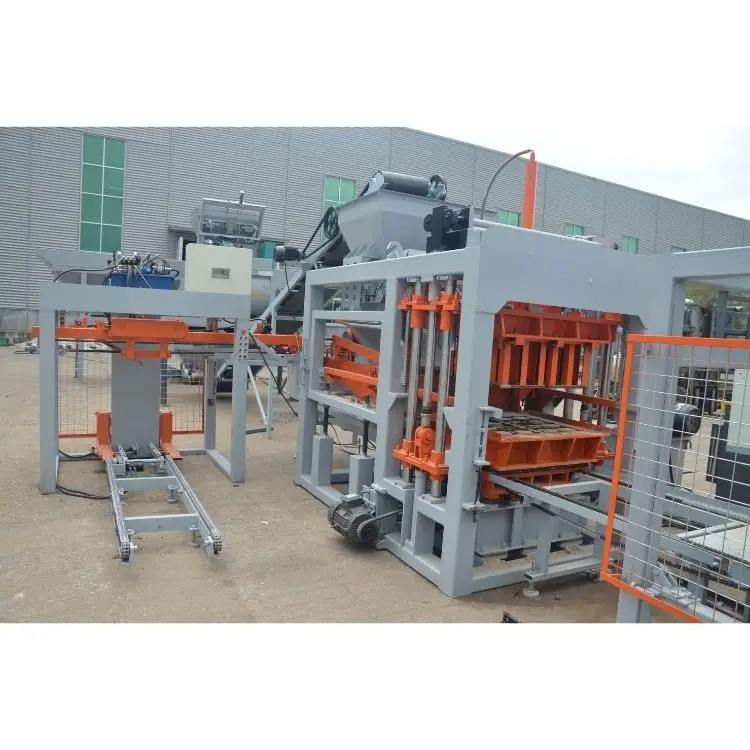
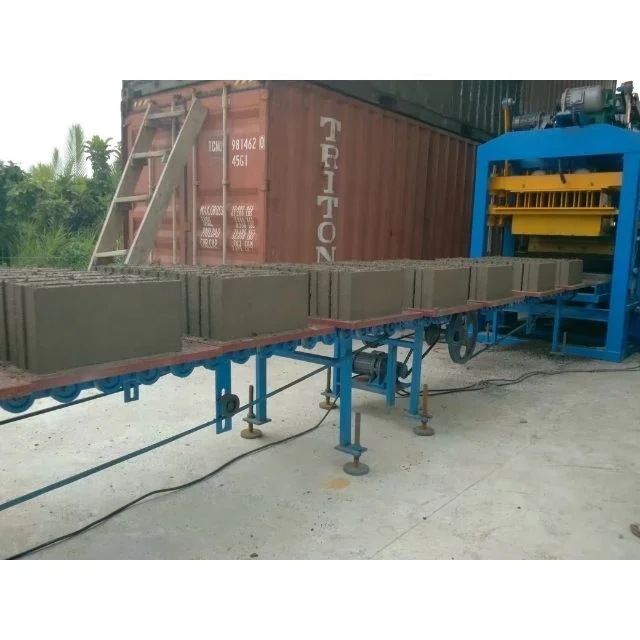
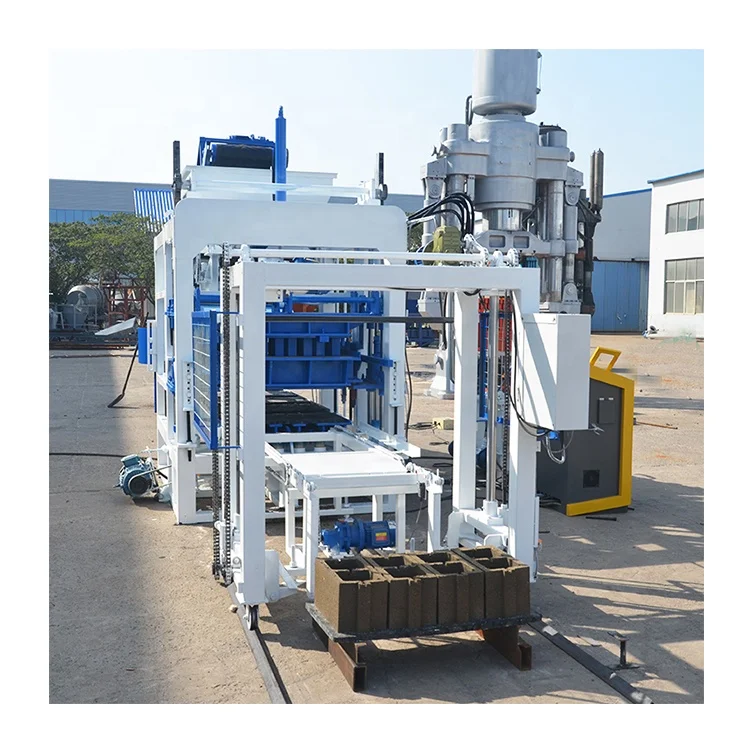
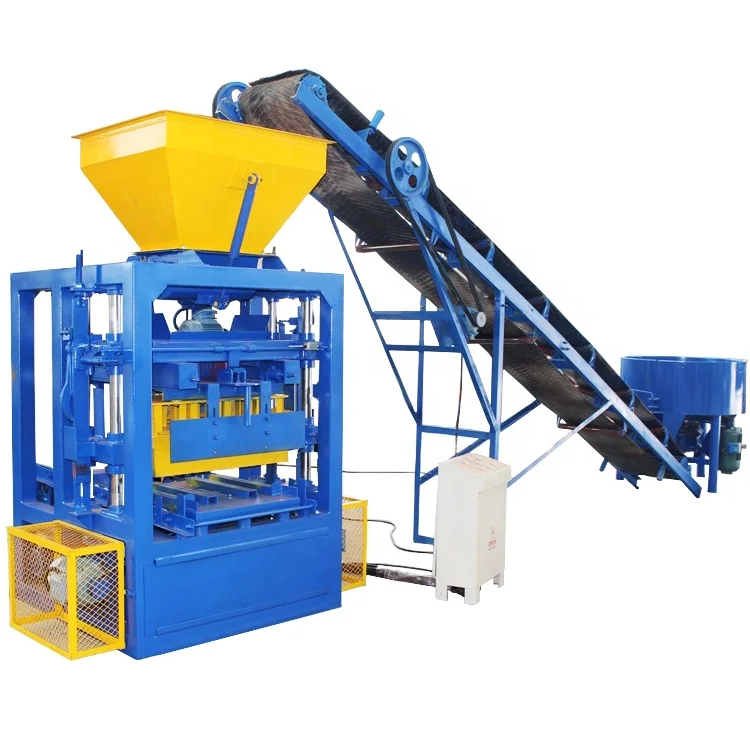
Entry-Level Positioning — The QTJ4-26 anchors the bottom tier of our block machine range, defining what a first-plant buyer should expect in footprint and investment before stepping up to higher-capacity automatic lines.
Technical Specifications
| Parameter |
Value |
| Model |
QTJ4-26 |
| Product Type |
Small Scale Concrete Block Making Machine |
| Overall Dimension |
2060 × 1700 × 2650 mm |
| Rated Vibration Force |
35.5 kN |
| Vibration Form |
Platform Vibration |
| Vibration Frequency |
4200 r/min |
| Pallet Size |
900 × 450 mm |
| Molding Cycle |
26 s (basis to be confirmed per block format) |
| Overall Power |
12.75 kW |
| Total Mass |
3600 kg |
| Demolding Method |
Vibration |
| Required Factory Area |
260 m² |
| Automation Level |
Semi-automatic |
| Warranty |
1 year |
Application Suitability
| Application |
Material or Output |
| Hollow block production for low-rise masonry |
Crushed stone, sand, cement |
| Solid block manufacturing for load-bearing walls |
Gravel, sand, cement blends |
| Paving block runs for walkways and yards |
Stone dust, fly ash, cement |
| Interlocking block for retaining walls |
Local aggregate with cement binder |
| Curbstone and colored paver batches |
Pigmented concrete mixes |
What the "26-Second Cycle" Actually Means for Your Daily Output
A cycle time only becomes a real daily number once the block format and mix design are locked in.
Many quotations list a molding cycle without naming the block size that figure assumes. A 26-second cycle on a small hollow block does not translate to the same cycle on a dense curbstone or a thick interlocking paver. When the format changes, the vibration duration, pressure hold, and feed time all shift. Buyers who compare machines on cycle time alone end up with output projections that fall short on the first production day [NEED_CITE: block format assumptions in capacity calculations].

Where the QTJ4-26 Fits in the Machine Range
The QTJ4-26 sits at the entry point of the complete block machine lineup. For a buyer surveying options, this model defines the small-scale tier — compact enough to fit in a 260 m² workshop, low enough in power demand to run on a standard workshop supply, and priced within reach of a first-plant budget. It bridges the gap between hand-molding operations and semi-automatic lines that require larger capital outlay.
Understanding the Step-Up Path
Starting with a small scale concrete block making machine at this tier does not lock a buyer into a ceiling. The pallet size, mixer capacity, and curing rack layout specified for the QTJ4-26 can later feed into a higher-output press without replacing the entire supporting line. This upgrade path matters for entrepreneurs who need to validate market demand before committing to a fully automatic plant [NEED_CITE: block plant scaling considerations for first-time buyers].
Reading the Vibration and Power Figures
The platform vibration system delivers 35.5 kN at 4200 r/min, which suits standard concrete mixes with common river sand or crushed stone aggregate. When the local aggregate shifts to lighter materials like volcanic scoria or pumice, the vibration force may need adjustment to achieve target block density. The 12.75 kW total power draw covers the vibration motor, feed system, and hydraulic demolding — a load most small workshops can accommodate without a dedicated transformer upgrade.
The Cost of Skipping the Mix-Design Conversation
Configuring a machine for a standard sand-and-cement ratio, then shipping it to a site where the available aggregate is volcanic ash or laterite, leads to blocks that crumble at the edges or fail compression tests. The vibration force calibrated for dense river sand cannot compact a lighter volcanic mix to the same density in the same cycle. Buyers absorb the cost through wasted cement, rejected batches, and delayed project handovers [NEED_CITE: aggregate variability effects on block strength].
Why Source the Entry Tier from a Range-Focused Supplier
The QTJ4-26 is specified as part of a matched system — pallet size, mixer throughput, and curing rack dimensions are chosen so the press is never starved or bottlenecked. Machine configuration is set against the buyer’s actual mix sample and target block format rather than pulled from a catalogue default. Moulds are designed for the formats the local market sells, and the 900 × 450 mm pallet aligns with standard small-scale forklift and curing area setups. When replacement wear parts or a second mould are needed, the supply line is direct rather than routed through a separate trading entity.
Documentation & Verification
- Line layout showing QTJ4-26 footprint within 260 m² workshop allocation
- Capacity calculation sheet stating the exact block format behind the 26-second cycle
- Mould drawing and format list confirming which blocks ship on day one
- Pallet specification matched to 900 × 450 mm size and buyer’s curing setup
- Voltage and control language confirmation record before dispatch
Installation, Commissioning & Support
- Foundation pad leveled for 2060 × 1700 mm base with anchor bolt provisions
- Dedicated 12.75 kW circuit with correct voltage and frequency confirmed pre-shipment
- Machine arrives assembled; vibration platform and feed hopper checked on-site
- First-run molding cycle tuned to buyer’s mix sample and target block format
- Operator training covering mould change, pallet loading, and daily maintenance routines
- Wear parts list and mould inventory provided for local stocking decisions
What to Prepare Before Requesting a Quote
Send a sample of your local aggregate along with the cement brand you plan to use, so the vibration parameters can be matched before the machine enters production. Confirm your workshop voltage, frequency, and the language your operators need on the control panel. Provide the list of block formats your market demands so the mould package covers day-one production without waiting for a second order.
Frequently Asked Questions
Q: What daily output should I expect from the QTJ4-26, and what does that depend on?
A: Daily output depends entirely on which block format you run and how your local aggregate responds to the platform vibration. A capacity calculation will be provided with your quotation, stating the exact block size and mix assumed. Switching from a hollow block to a dense paver changes the cycle, so the figure is always format-specific.
Q: How does this small-scale tier compare in footprint to the semi-automatic and automatic ranges?
A: The QTJ4-26 requires around 260 m² including curing space, which is considerably less than a semi-automatic or fully automatic line that adds pallet return systems and stacking stations. This tier suits buyers who want to validate demand before expanding to a larger plant footprint.
Q: What electrical and control details are confirmed before the machine ships?
A: Voltage, frequency, and control panel language are confirmed in writing before production begins. This prevents delays on site where the local supply may differ from a default configuration. The 12.75 kW total load is verified against your workshop capacity.
Q: Can I add automation or pallet handling to this machine later?
A: The pallet size and supporting equipment layout are chosen so that an upgrade to a higher tier within the same range is possible without replacing the entire curing and handling setup. The 900 × 450 mm pallet standard carries through to larger models.
Q: What factory preparation does the QTJ4-26 need before delivery?
A: A level concrete pad within the 260 m² area, anchor bolt positions matching the 2060 × 1700 mm base, and a dedicated electrical circuit rated for the machine’s total power. A raw material storage zone adjacent to the mixer keeps the feed cycle uninterrupted.

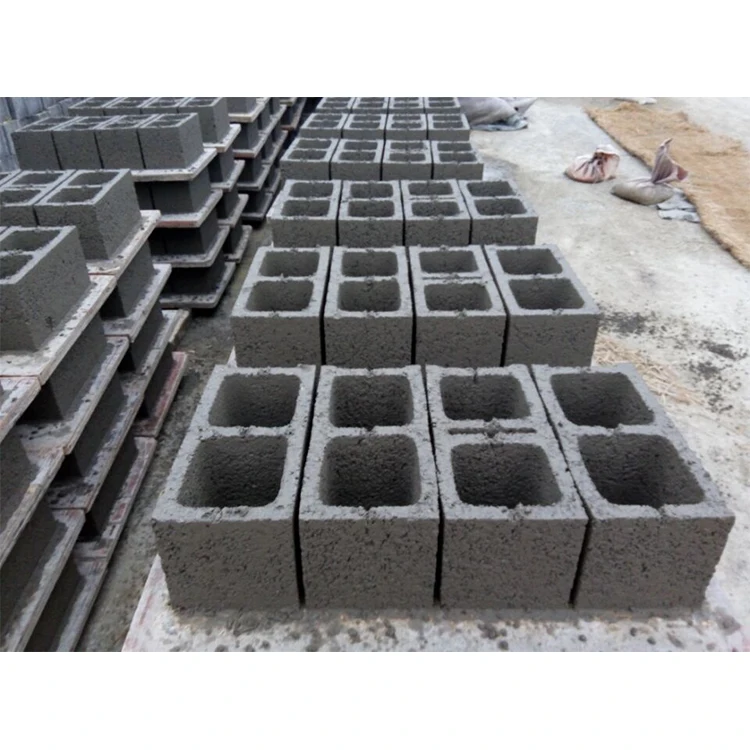
 Automatic block machine