
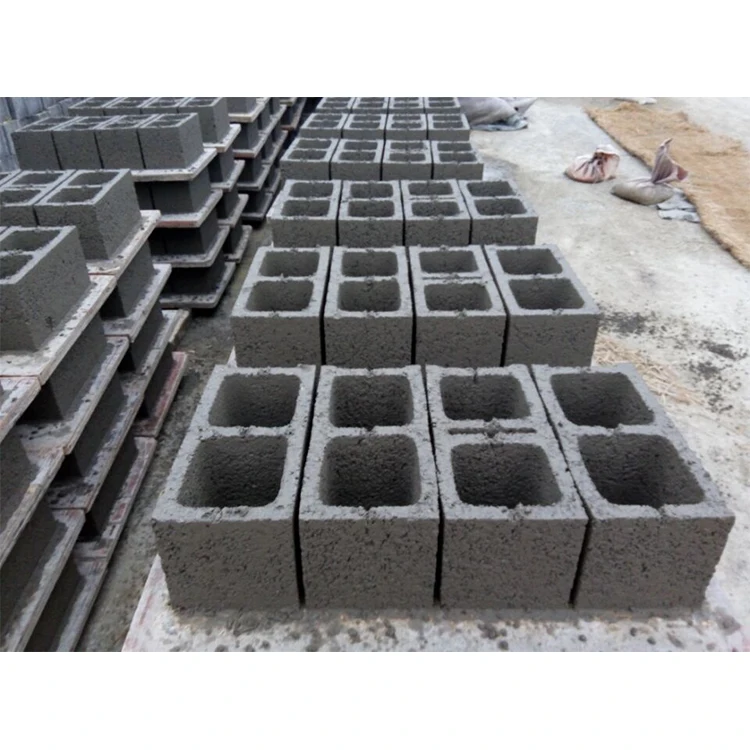
 Automatic block machine
Home
Products
Automatic block machine
QTJ4-25 Automatic Block Machine for Hollow Block – Manufacturer
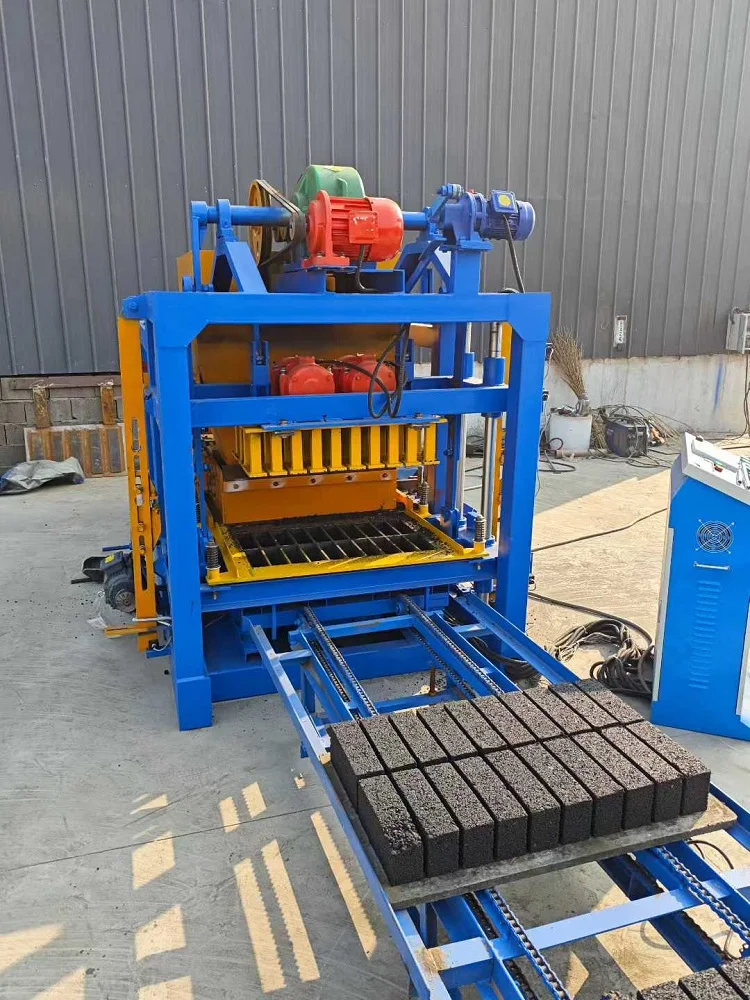 Automatic block machine
Concrete Machinery
QTJ4-25 Automatic Block Machine for Hollow Block – Manufacturer
<p><strong>QTJ4-25 Automatic Concrete Block Making Machine, PLC Controlled, 16.58 kW, 25s Molding Cycle</strong> — positioned in the mid-tier of the full automatic block machine range, this model bridges entry-level semi-automatic setups and high-capacity hydraulic lines for medium-sized plants.</p> <ul> <li>Vibration motor with thickened steel frame ensures consistent block density across extended shifts</li> <li>850 × 480 mm pallet size maps to standard curing racks and forklift handling already in use</li> <li>Voltage, frequency and PLC display language confirmed before production to prevent commissioning delays</li> </ul> <p>We configure the machine against your actual mix design and local aggregate rather than a catalogue default, with line layout and capacity calculation stating the block format assumed.</p>
CE Certified
European Standards
Ships 15-30 Days
Fast Delivery
108+ Countries
Global Export
After-Sales Support
Training Included
24h Response
Free Technical Consultation
Product Details
Matched system supply — we specify the QTJ4-25 block machine, moulds, pallets, and handling equipment together so every station runs at the same cycle rate without bottlenecks.
Technical Specifications
| Parameter | Value |
|---|---|
| Model | QTJ4-25 |
| Product Type | Automatic Concrete Block Making Machine |
| Control System | PLC controlled, fully automatic |
| Machine Power | 16.58 kW |
| Molding Cycle | 25 seconds |
| Output Capacity | 4600 pcs / 8 hours (basis not stated in source — confirm block format, material, and thickness) |
| Machine Weight | 5000 kg |
| Overall Dimensions (L×W×H) | 6400 × 1500 × 2700 mm |
| Pallet Size | 850 × 480 mm |
| Drive Type | Vibration motor with large vibration box (no hydraulic pressure) |
| Frame Construction | Thickened steel |
| Stacking Method | Automatic block stacker |
| Automation Level | Fully automatic (pallet feeding, material feeding and scraping, block stacking) |
| Voltage | Configured to local voltage (to be confirmed per buyer market) |
| Raw Materials | Concrete, sand, cement, fly ash, crushed stone, lime, water |
| Warranty | One year (free parts supply during warranty period) |
Application Suitability
| Application | Material or Output |
|---|---|
| Hollow block production for medium-scale block plants | Crushed stone, sand, cement, water |
| Solid brick manufacturing for local building supply | Fly ash, sand, cement blends |
| Paver stone brick production for paving contractors | Concrete mixes with fine aggregate |
| First plant setup by entrepreneurs entering block manufacturing | Standard concrete raw materials available locally |
What "4600 Pieces in Eight Hours" Actually Means on Site
Capacity numbers are only honest when the block format behind them is stated upfront.
Many automatic block machine manufacturer quotations list a single output figure without clarifying whether that number refers to hollow blocks, solid bricks, or pavers. On site, a buyer expecting 4600 hollow blocks may find the QTJ4-25 produces a noticeably different count when running smaller solid formats. The 25-second molding cycle stays constant, but the number of cavities per mould changes with format, so daily throughput shifts accordingly. This gap between quoted capacity and real output is one of the most common frustrations I have seen across Latin American block plants. [NEED_CITE: common capacity misrepresentation in block machine quotations]
Where the QTJ4-25 Sits in the Full Machine Range
The QTJ4-25 occupies the mid-tier of our fully automatic lineup. Below it, semi-automatic models require manual pallet handling and offer lower investment for first-time buyers who are still testing their local market. Above it, high-capacity hydraulic lines serve large plants running multiple shifts with demanding output targets. For a buyer surveying options, the QTJ4-25 represents the step where full PLC automation, automatic pallet feeding, and automatic stacking come together without the capital outlay of a high-capacity hydraulic press. This positioning makes the QTJ4-25 automatic block machine manufacturer package practical for medium-sized factories that need consistent daily volume but do not yet require the throughput of an industrial-scale line.
Automation Coverage and What It Removes from the Operator
The QTJ4-25 handles pallet feeding, material feeding and scraping, and block stacking automatically through its PLC control system. This means the operator monitors the process rather than manually moving pallets or scraping excess concrete between cycles. In my experience installing machines across Latin America, the plants that run smoothest are the ones where the automation level matches the available workforce — not every buyer needs a fully automatic line, but those who choose one should understand exactly which tasks the PLC covers. The automatic block stacker removes the heaviest manual step, keeping workers away from freshly pressed blocks that are still fragile. [NEED_CITE: PLC automation standards for concrete block making machinery]
Reading the Specs That Matter Most for Daily Production
The vibration motor with a large vibration box drives compaction without hydraulic pressure, which simplifies maintenance but means block density relies on vibration force and mix design rather than hydraulic tonnage. The 850 × 480 mm pallet size determines how many blocks fit per cycle and must align with the curing racks and forklifts the buyer already has on site — ordering a pallet size that does not match existing handling equipment creates a bottleneck at the curing stage. The 16.58 kW machine power requirement means the buyer needs to confirm local voltage and frequency before production begins; I have seen machines sit uncommissioned for weeks because the three-phase supply on site did not match the motor winding. The thickened steel frame adds to the 5000 kg machine weight, giving the press the mass it needs to absorb vibration energy during each 25-second cycle rather than transmitting it into the foundation.
The Hidden Cost of Skipping Configuration Details
When a buyer focuses only on the press price and skips pallet size confirmation, voltage specification, or mould format selection, the problems appear after installation. A pallet size mismatch forces the buyer to replace curing racks or buy a different forklift. Unconfirmed voltage delays commissioning until a transformer arrives. And a mould format list that was never reviewed against local market demand means the plant cannot produce the blocks that actually sell in the region. These are not equipment failures — they are specification failures, and they cost more to fix after shipment than before. [NEED_CITE: voltage and frequency standards by export market]
Why Buyers Choose This QTJ4-25 Package
We configure the QTJ4-25 against the buyer’s actual mix design and local aggregate rather than shipping a catalogue default, which means vibration force and cycle timing are adjusted to produce consistent block strength with materials available in the buyer’s region. Mould design covers the formats the buyer’s market actually sells, including custom drawings when standard hollow and solid block sizes do not match local building codes. The automation level is selectable — a buyer can start with the QTJ4-25 and plan a path toward higher automation tiers later without replacing the entire line. Installation includes on-site commissioning and operator training so the crew knows how to change moulds, read the PLC, and handle the first maintenance cycle. Every machine, mould, pallet, and handling station is specified as one matched system from a single source.
Documentation & Verification
- Line layout and capacity calculation stating the block format assumed for the QTJ4-25
- Machine specification sheet with pallet size, voltage, and PLC display language confirmed
- Mould drawing and format list showing every block type and cycle time per format
- Hydraulic and electrical schematic matching the as-built QTJ4-25 configuration
- Factory test record on the buyer’s target block format before dispatch
- CE declaration where applicable for the destination market
Installation, Commissioning & Support
- Foundation must support the 5000 kg QTJ4-25 weight across the 6400 × 1500 mm footprint with level tolerance
- Three-phase power supply matching confirmed voltage and frequency for the 16.58 kW motor load
- Machine ships dismantled for container loading with reassembly guided by our technical team on site
- PLC control language set to the operator’s preferred language before commissioning begins
- Mould change procedure trained during commissioning so format switching fits within a normal shift
- Wear parts list provided with recommended stock levels for the first production year
Starting Your QTJ4-25 Inquiry
To move forward with a QTJ4-25 automatic block machine manufacturer configuration, share the block formats your market sells most, your target daily output per format, and the raw materials you can source locally. We also need your site voltage, frequency, and preferred PLC display language so the machine arrives ready to commission. If you already have curing racks and forklifts on site, send the pallet dimensions they accept so we match the QTJ4-25 pallet size accordingly.
Frequently Asked Questions
Q: How is the 4600 pcs/8 h capacity verified, and which block format does it assume?
A: The 4600-piece figure appears in source documentation without a stated block format, so we treat it as a reference value to be confirmed. During configuration, we calculate capacity per format based on the 25-second cycle and the number of cavities in each mould, giving you an honest daily output figure for hollow blocks, solid bricks, and pavers separately.
Q: Where does the QTJ4-25 sit compared to semi-automatic and higher-tier automatic machines?
A: The QTJ4-25 is mid-tier in the fully automatic range. Semi-automatic models below it require manual pallet handling and suit smaller investments. Higher-tier hydraulic lines above it serve large plants with demanding multi-shift output targets. The QTJ4-25 bridges the gap with full PLC automation at a moderate investment level.
Q: What voltage, frequency, and PLC language options are available for my market?
A: Voltage and frequency are configured to your local supply before production begins. The PLC display language is set to your operator’s preference. We confirm these details during the quotation stage to avoid commissioning delays when the QTJ4-25 arrives at your site.
Q: Can I start with the QTJ4-25 and upgrade to a higher automation tier later?
A: Yes. The QTJ4-25 is part of a range where automation levels are selectable. You can begin with this configuration and plan an upgrade path toward higher-capacity hydraulic lines or additional automation stations as your production volume and market demand grow.
Q: What is the plant footprint compared to other tiers in the range?
A: The QTJ4-25 measures 6400 × 1500 × 2700 mm and weighs 5000 kg. This footprint fits medium-sized block plants. Semi-automatic models require less space, while high-capacity hydraulic lines need larger floor areas and heavier foundations. We provide a line layout showing the full production area requirement during configuration.
Get a Quote
Request Price for QTJ4-25 Automatic Block Machine for Hollow Block – Manufacturer
Fill in your requirements and our export manager will respond within 24 hours with pricing, specs and a customized solution.
You May Also Like
Related Products
Automatic block machine
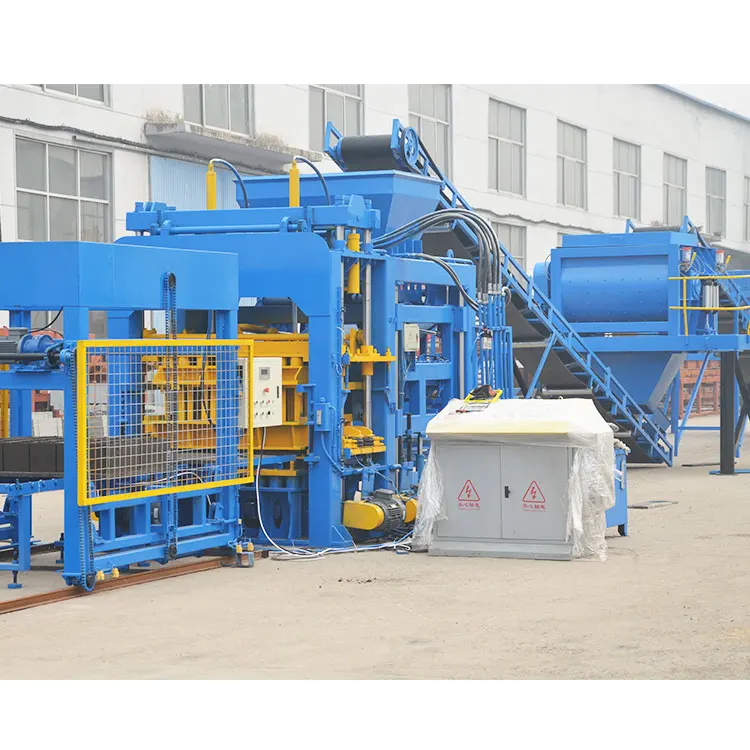 Automatic block machine
QT12-15 Automatic Concrete Block Making Machine – Full Range81
QT12-15 Automatic Block Machine, 50.7 kW, 21 MPa Hydraulic Pressure — configured with platform vibration...
View Details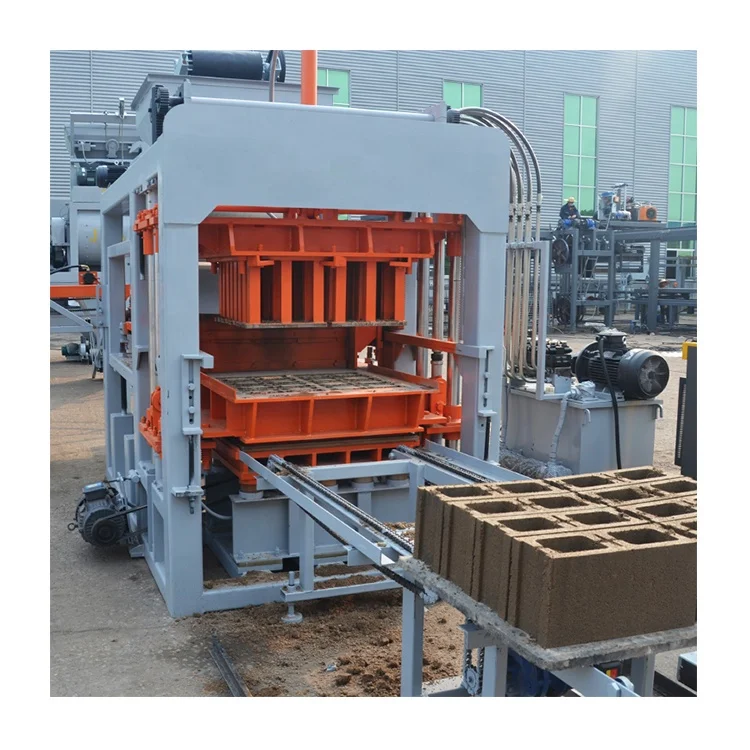 Automatic block machine
QT6-15 Automatic Cement Concrete Hollow Interlocking Block Making Machine
Product Description QT6-15 Automatic sidewalks color paving brick making machine line produce different shape and...
View Details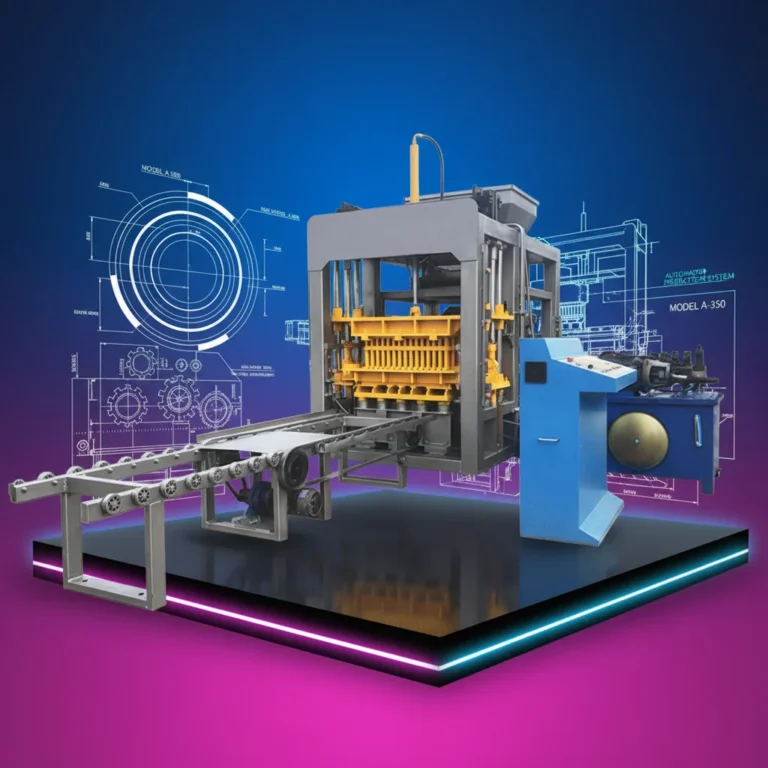 Automatic block machine
QT5-15 Qt5-15 Block Machine Hollow Blocks Maker Machine
Main technical parameters Overall Dimension7400*1950*2800mmvibration frequency0-60HZVibration FormPlatform Vibrationmoulding modeload automatically.vibration mouldingPallet Size1100x550mmMolding cycle15-20sOverall Power32 KWVibration...
View Details
Established Manufacturer · Since 2005
Ready to Start Your Concrete Production Line?
Our 320+ engineers will design a customized solution for your local materials, voltage and site conditions. Get a free layout plan and ROI estimation within 24 hours.
108+ Countries Exported
46,000㎡ Factory
320+ Engineers
24h Response Guaranteed