

REACH Certified Paver Block Machine Manufacturer for Sale
REACH certification is not a single document you attach to the entire machine.
It is a chemical compliance requirement that applies specifically to substances within components like hydraulic oils, rubber molds, seals, and cable insulation. Verifying these individual elements prevents customs detention in the EU, whereas relying solely on CE marking leaves your shipment vulnerable to rejection based on chemical safety regulations.
I still remember the humidity of a Rotterdam warehouse in late autumn. The air smelled of diesel and damp cardboard. A container sat there, sealed and untouched for weeks, while storage fees accumulated daily. Inside was a fully automatic paver block line, mechanically perfect, electrically sound, and CE certified. Yet, it could not leave the port. The issue was not the steel frame or the PLC logic. It was the hydraulic oil and the rubber vibration dampers. They lacked the necessary documentation proving they were free from Substances of Very High Concern (SVHC). [NEED_CITE: ECHA guidelines on SVHC thresholds in articles] This was not a mechanical failure; it was a regulatory oversight that cost the buyer significantly more than the price of compliant materials. That experience reshaped how I approach every inquiry for European markets.
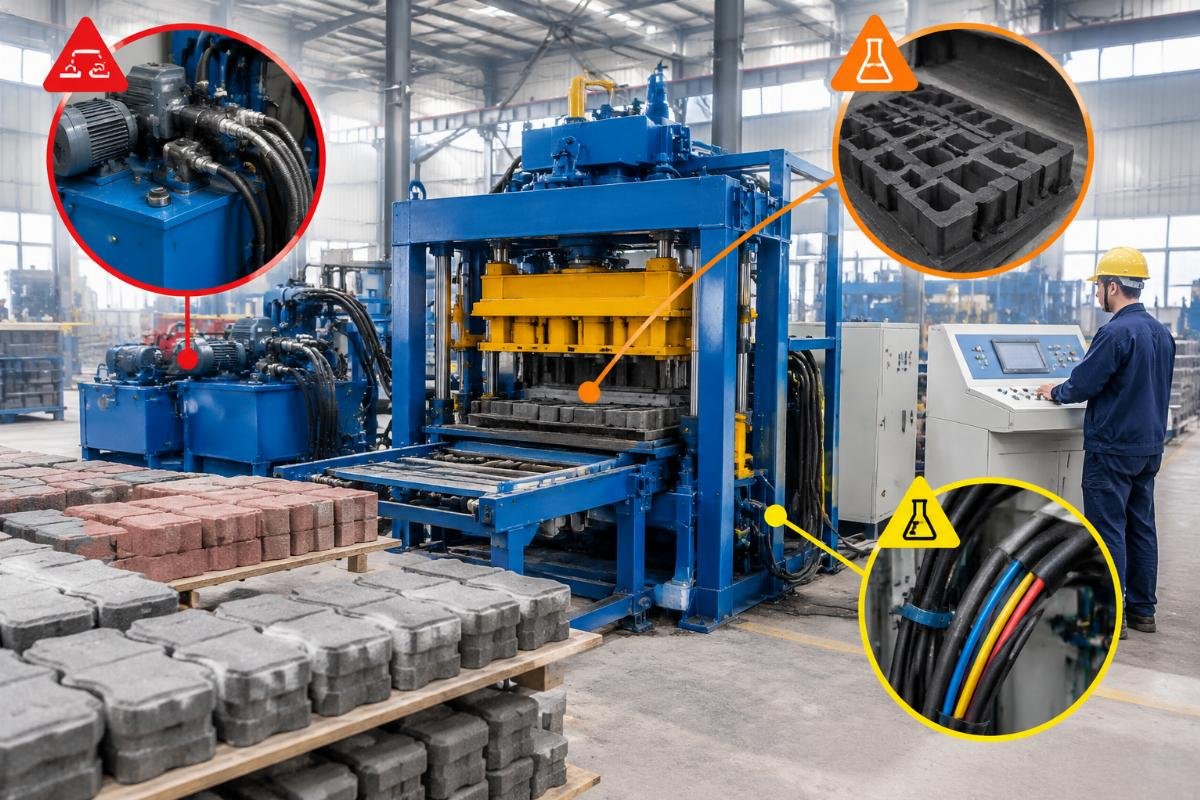
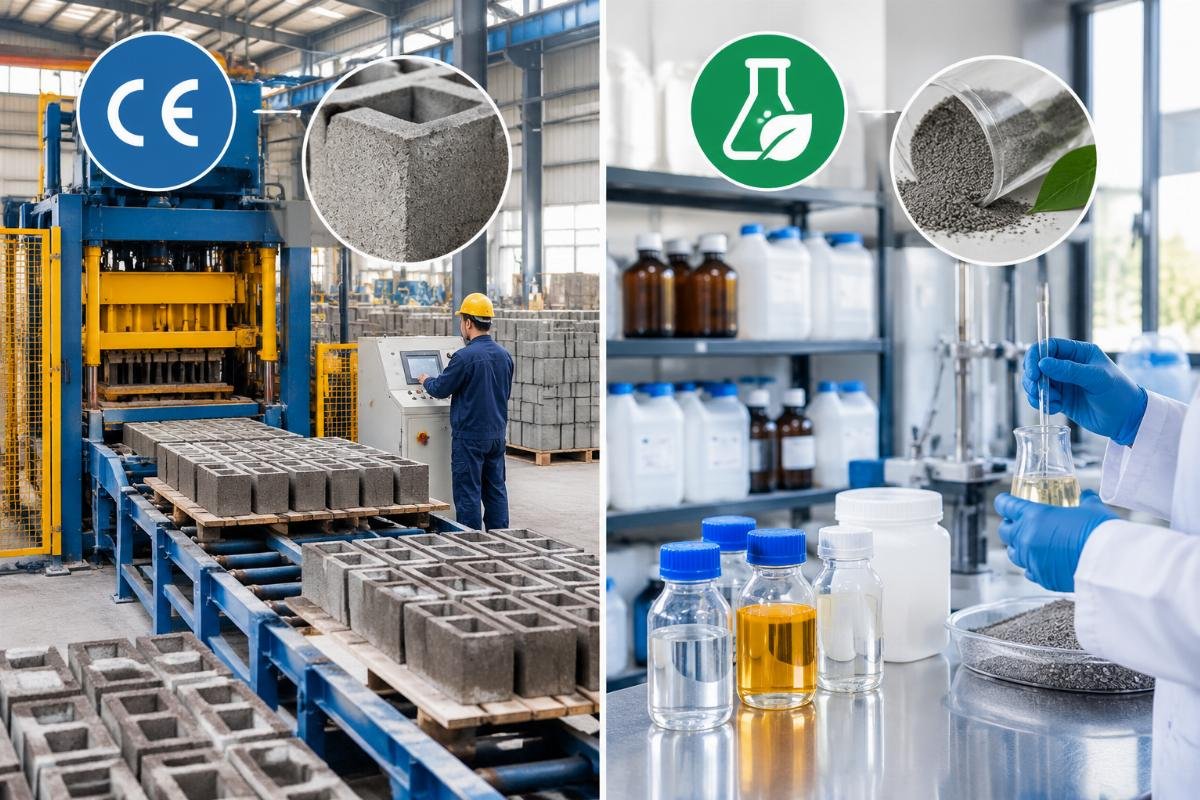
Understanding this distinction is critical. Many buyers assume that if a machine has a CE mark, it is ready for any European port. This is a dangerous misconception. CE addresses mechanical safety, electrical integrity, and noise levels. REACH addresses the chemical composition of the materials used in construction. For a REACH certified paver block machine manufacturer for sale, this means the compliance burden shifts from the assembler to the supply chain of raw materials. You are not just buying a machine; you are buying a collection of chemicals bound into solid forms. If any of those chemicals exceed the threshold for SVHCs, the entire article—the machine component—becomes non-compliant.
Which Parts of a Paver Block Machine Need REACH Compliance?
Focus your verification efforts on hydraulic systems, rubber molds, seals, and electrical insulation materials, as these are the primary carriers of regulated chemical substances.
A paver block machine is complex, but not every part carries equal regulatory risk. The steel frame, typically made from standard structural steel, rarely poses a REACH challenge unless specific heavy metal coatings are used. The real risks lie in the organic and synthetic materials that provide function through flexibility, lubrication, or insulation.
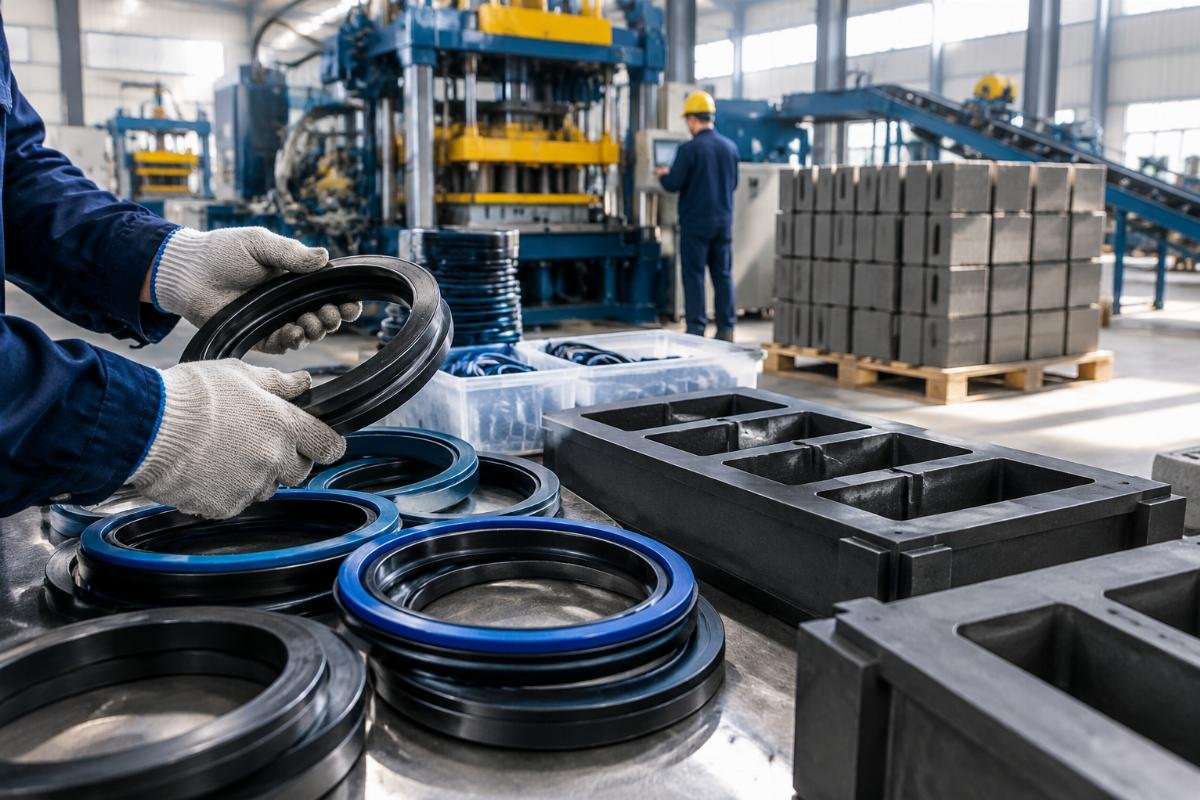
Hydraulic systems are the heart of any automatic block making line. The oils used must be free from certain phthalates and other additives that have been flagged by the European Chemicals Agency. [NEED_CITE: List of SVHCs relevant to hydraulic fluids] More importantly, the seals and hoses within these systems often contain rubber compounds that may include restricted softeners. If a seal fails a REACH screening, the entire hydraulic unit may be deemed non-compliant, requiring replacement before customs clearance.
Rubber molds and vibration dampers are another critical area. These components are subjected to high stress and heat, requiring specific polymer blends. Historically, some manufacturers used cost-effective rubber mixes containing high levels of polycyclic aromatic hydrocarbons (PAHs) or other SVHCs. In the EU market, these are strictly regulated. A REACH certified paver block machine manufacturer for sale must ensure that the rubber compounds used in molds and anti-vibration mounts are sourced from suppliers who provide batch-specific test reports.
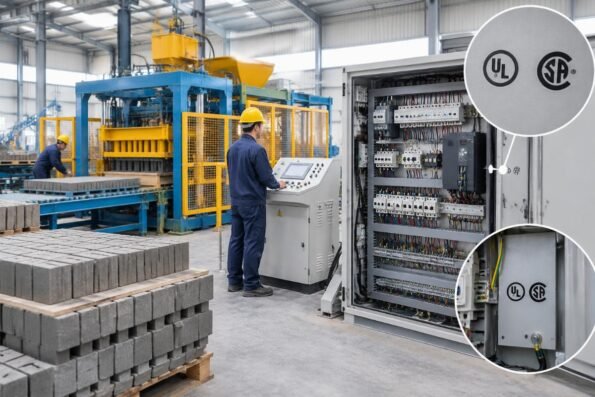
Electrical insulation is often overlooked. The cables connecting sensors, motors, and control panels are coated in plastics that may contain flame retardants or plasticizers subject to REACH restrictions. While the copper inside is harmless, the outer sheath is a chemical product. If the insulation material contains banned substances above the 0.1% weight-by-weight threshold, the cable, and potentially the machine it is installed in, faces compliance issues.
| Component Category | Risk Level | Primary Chemical Concerns | Verification Requirement |
|---|---|---|---|
| Hydraulic Oil & Seals | High | Phthalates, PAHs, Specific Additives | Batch-specific SVHC screening report |
| Rubber Molds & Dampers | High | PAHs, Softeners, Heavy Metals | Material Safety Data Sheet (MSDS) + Lab Test |
| Cable Insulation | Medium | Flame Retardants, Plasticizers | Supplier Declaration of Conformity |
| Steel Frame | Low | Heavy Metal Coatings (if painted) | Coating Composition Certificate |
| Paint & Coatings | Medium | Lead, Chromium VI, Solvents | VOC and Heavy Metal Analysis Report |
The table above illustrates where attention should be focused. Notice that "Low" risk does not mean "No" risk. Even steel frames can be problematic if the paint used contains Chromium VI, a known carcinogen restricted under REACH. A thorough REACH certified paver block machine manufacturer for sale will have documentation for every layer of the machine, from the base paint to the top-layer hydraulic fluid.
Common Pitfalls: Why CE Certified Isn’t Enough for EU Imports
CE certification covers mechanical safety and operational standards, while REACH covers chemical content; both are legally required for market access in the European Union.
I have seen tender documents rejected because the supplier provided a CE certificate but no REACH declaration. The evaluating committee, often advised by legal teams, knows that CE does not absolve the importer of chemical liability. Under EU law, the importer is responsible for ensuring that all articles placed on the market comply with REACH. If a customs officer suspects non-compliance, they can detain the goods and request proof. A CE mark offers no protection against a chemical audit.
The confusion often stems from the nature of the certificates. CE is often perceived as a "machine certificate." It is issued after testing the whole unit for safety features like emergency stops, guard rails, and electrical grounding. REACH, however, is not a certificate for the machine. It is a compliance status for the substances within it. There is no single "REACH Certificate" for a paver block machine. Instead, there is a dossier of declarations and test reports for each material batch used in its construction. [NEED_CITE: Difference between CE Machinery Directive and REACH Regulation scope]
A common pitfall is accepting a general "REACH Compliant" statement from a factory without seeing the underlying data. Some manufacturers may claim compliance based on their suppliers’ word, without conducting independent verification. This is risky. If a sub-supplier changes a formula slightly to cut costs, the previous declaration becomes invalid. A serious REACH certified paver block machine manufacturer for sale will maintain a live database of material certifications, updated with every production batch.
Another mistake is assuming that older stock is automatically compliant. REACH updates its list of SVHCs twice a year. A machine built two years ago might have used materials that were compliant then but are now restricted. Importing such a machine can lead to immediate detention. Buyers must ensure that the compliance data matches the production date of the specific unit they are purchasing.
How to Verify REACH Compliance Before Shipment
Demand batch-specific SVHC test reports from accredited third-party labs for each high-risk material component prior to final assembly.
Verification is not a passive activity. It requires active engagement with the supplier. Do not wait until the bill of lading arrives to ask for documents. The verification process should begin during the negotiation phase and continue through production.
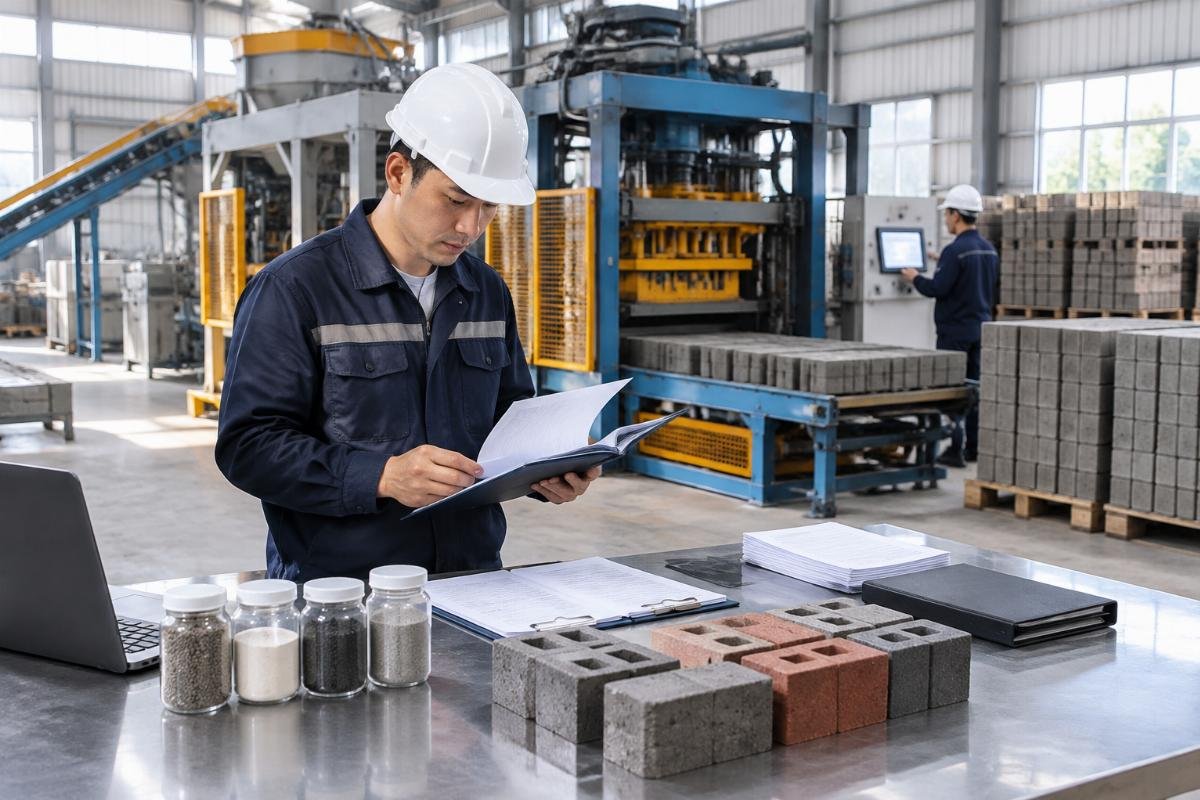
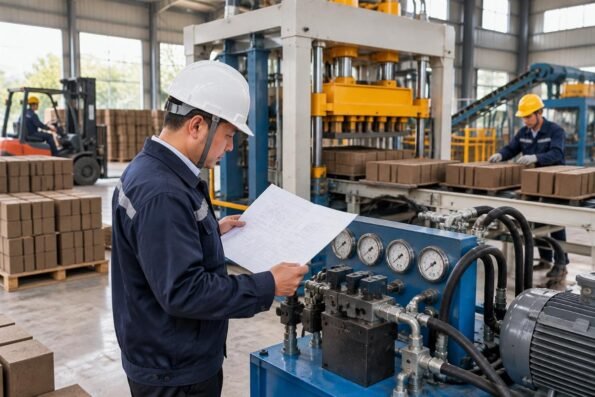
First, request a Bill of Materials (BOM) that highlights all chemical-containing components. This includes hydraulic oils, rubber parts, plastics, and coatings. For each of these items, ask for the latest SVHC screening report. These reports should come from accredited laboratories such as SGS, TUV, or Intertek. [NEED_CITE: Accredited laboratory standards for REACH testing] Self-declarations from the material supplier are a starting point, but third-party lab reports provide the necessary legal defensibility.
Second, check the date of the test reports. REACH compliance is time-sensitive. A report from three years ago is insufficient if the material batch was produced recently. Ensure that the test reports correspond to the specific batches of materials used in your machine. If the manufacturer uses a standard stock of rubber seals, they should have recent test results for that stock.
Third, verify the threshold levels. The reports should clearly state that the concentration of any SVHC is below 0.1% weight-by-weight. This is the legal threshold for notification and restriction in articles. Any value above this requires registration and notification to ECHA, which most machinery exporters do not perform. Therefore, staying below this threshold is essential for smooth customs clearance.
Finally, consolidate these documents into a Technical File. This file should travel with the machine. It should include the CE declaration, the user manual, and the REACH compliance dossier. When customs officials inspect the shipment, having this complete package ready can reduce inspection time from weeks to days. A professional REACH certified paver block machine manufacturer for sale will prepare this file as part of their standard export procedure.
Case Study: Avoiding Customs Delays with Proper Documentation
Pre-shipment verification of chemical compliance saves weeks of detention and significant storage fees at European ports.
Consider the case of a municipal project in Northern Europe. The contractor had ordered a fully automatic paver block line for a large housing development. The tender required strict adherence to EU environmental standards. The initial supplier, a low-cost manufacturer, provided a CE certificate but could not produce REACH declarations for the rubber molds and hydraulic hoses.
When the shipment arrived at the port, customs officials selected it for a random chemical inspection. Without the proper documentation, the container was held. The contractor faced a dilemma: pay for expensive storage and potential return shipping, or attempt to source compliant replacement parts locally. The latter option was costly and delayed the project start by months. The storage fees alone amounted to a significant portion of the machine’s value. [NEED_CITE: Average customs detention costs in EU ports]
In contrast, a subsequent order from a different supplier, who prioritized chemical compliance, went through customs without delay. The supplier had provided a complete REACH dossier, including lab reports for every rubber and plastic component. The customs officer reviewed the documents, verified the SVHC levels were below the threshold, and released the container within 48 hours. The difference was not in the machine’s performance, but in the preparedness of the documentation.
This case highlights the importance of viewing REACH certified paver block machine manufacturer for sale as a partner in regulatory compliance, not just an equipment vendor. The ability to provide verifiable, batch-specific chemical data is a marker of manufacturing maturity. It indicates that the manufacturer controls their supply chain and understands the legal landscape of their target markets.
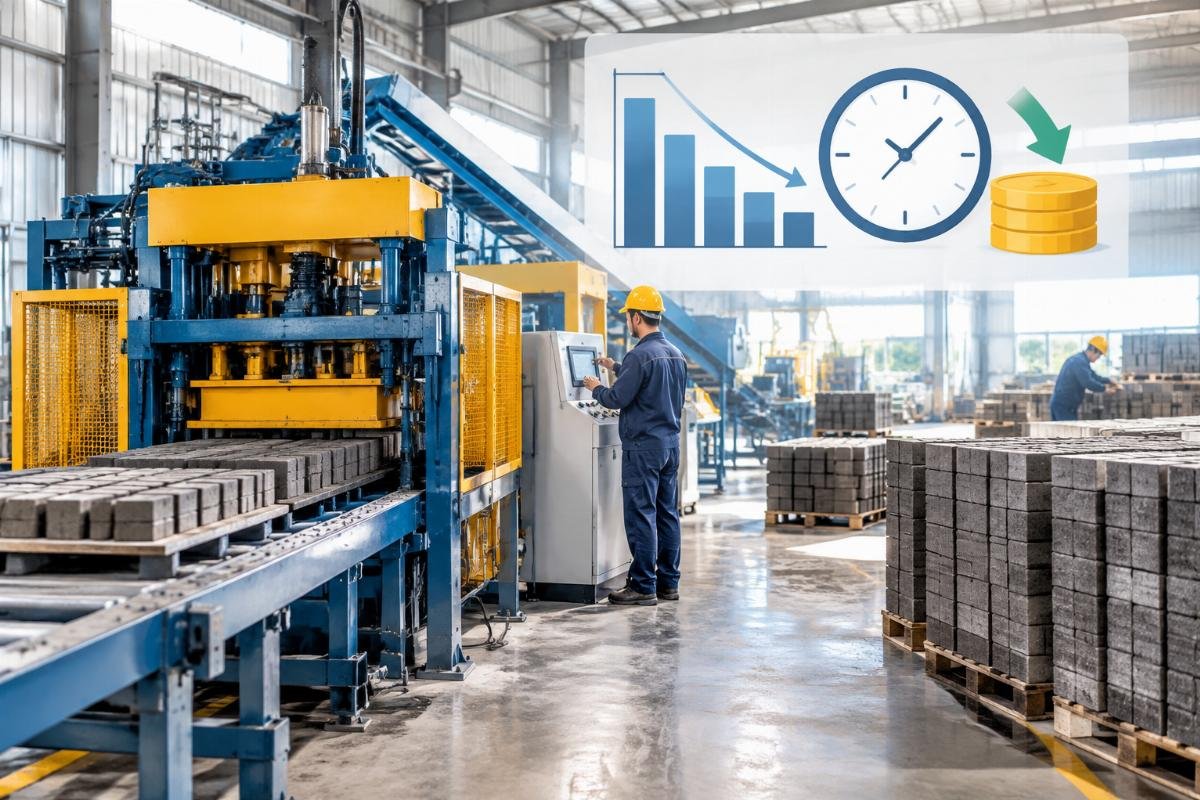
For buyers, this means that the lowest upfront price may not be the lowest total cost. The risk of detention, storage fees, and project delays can far outweigh the savings from a cheaper, non-compliant machine. Investing in a supplier with robust REACH compliance processes is an insurance policy against logistical nightmares.
Conclusion
REACH compliance is a critical component of importing paver block machines into the EU, distinct from mechanical safety certifications.
It requires detailed verification of chemical substances in components like hydraulics and rubber. By demanding batch-specific test reports and maintaining a complete technical file, buyers can ensure smooth customs clearance and avoid costly delays. Choosing a supplier who prioritizes this documentation is essential for successful market entry.

Industry expert sharing insights about concrete machinery, block making technology and turnkey production solutions.
View all posts →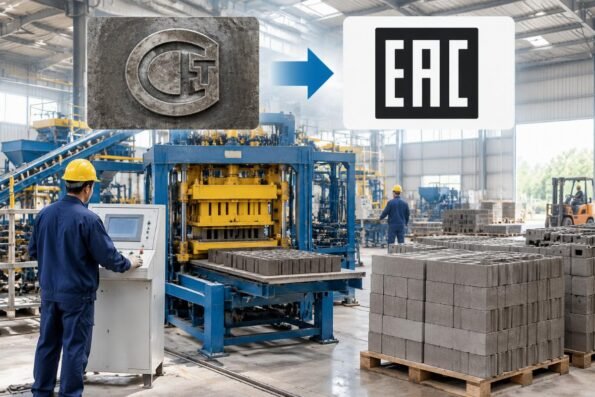
Leave a Reply