

Concrete Block Machine Technical Specs: QT4-15 to QT12-15 Manufacturer
Higher hydraulic pressure does not automatically guarantee superior block density.
The critical technical specifications for a concrete block machine are not just the maximum tonnage, but the consistency of the hydraulic pressure distribution, the precision of the PLC control cycle times, and the structural rigidity of the main frame under continuous vibration. Buyers must prioritize stable operational parameters over peak theoretical capacity to ensure long-term ROI and product uniformity.
I still remember the humidity in Lagos when I stood next to a container that had been stuck at the port for weeks. The issue was not the machine itself, but a mismatch in the electrical specifications documented on the CE certificate versus what the local grid actually required. That delay cost more than the shipping fees. It taught me that reading a data sheet is only half the battle; understanding how those numbers translate to real-world operation in harsh environments is where the actual value lies. When evaluating a Concrete Block Machine Technical Specification, you are not just looking at a list of features. You are assessing the machine’s ability to survive 24/7 operation while maintaining tight tolerances on every single block produced. [NEED_CITE: impact of voltage frequency mismatch on motor lifespan]
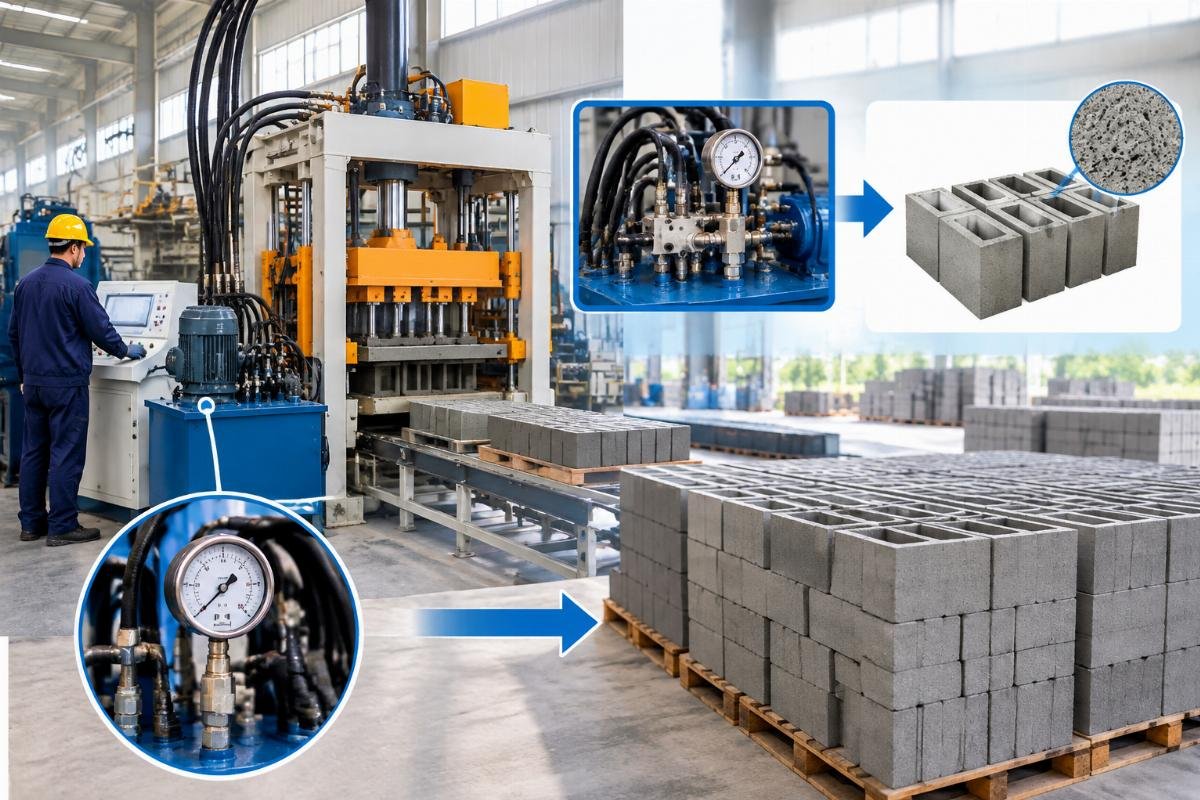
This guide breaks down the essential parameters you need to verify, moving beyond marketing claims to the engineering realities that determine whether your plant runs smoothly or faces constant downtime.
Why Do Technical Specs Matter for Long-Term ROI?
Most buyers focus on the initial purchase price or the maximum hourly output listed in the brochure. However, the true cost of ownership is dictated by maintenance frequency and product rejection rates. A machine that promises high volume but lacks robust structural integrity will suffer from frame fatigue, leading to misaligned molds and cracked blocks within months.
The core conclusion here is simple: specifications dictate maintenance costs and product consistency, not just the initial price tag. When you review a Concrete Block Machine Technical Specification, look for details on the steel grade used in the main frame and the welding standards. These are not optional extras; they are the foundation of durability. A frame that cannot dampen the intense vibration required for compaction will transfer stress to the hydraulic lines and electronic sensors, causing premature failure. [NEED_CITE: correlation between frame rigidity and component lifespan in vibrating machinery]
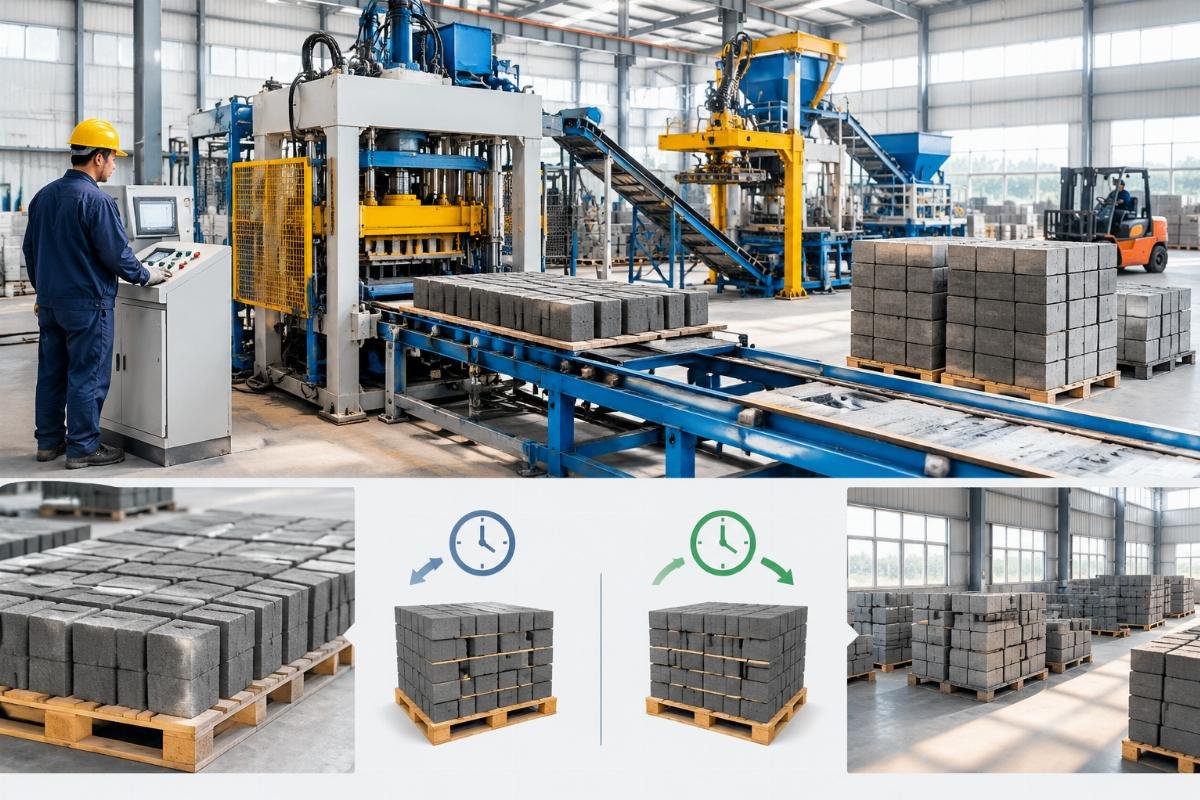
Consider a scenario where a startup in Kenya was optimizing their return on investment. They initially leaned towards a smaller, cheaper unit. However, by analyzing the cycle times and power consumption per thousand blocks, they realized that a slightly larger, fully automatic line with a more efficient PLC system would reduce labor dependency and energy waste significantly. The difference was not just in speed, but in stability. The technical specs revealed that the larger machine had a more robust pallet circulation system, which is often the hidden bottleneck in production, not the block former itself.
What Are the Critical Hydraulic and Mechanical Parameters?
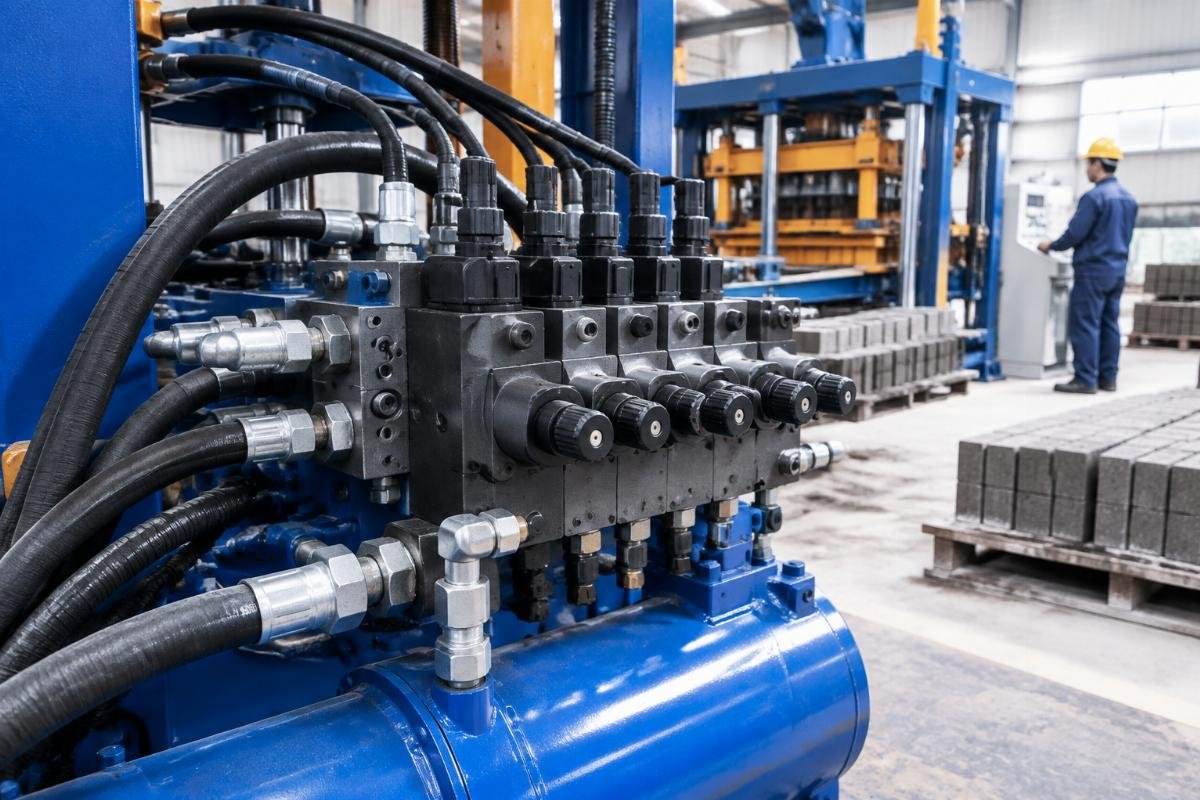
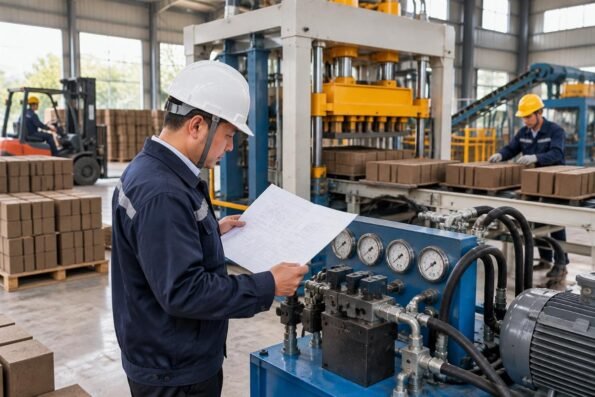
Hydraulic systems are the heart of any block making machine. But it is not enough to simply ask for the maximum pressure. You need to understand the type of pump, the brand of valves, and how the system manages heat during extended cycles.
| Parameter | Basic Configuration | Premium Configuration | Impact on Production |
|---|---|---|---|
| Hydraulic Pump Type | Gear Pump | Piston Pump | Piston pumps offer higher efficiency and longer life under high load. |
| Pressure Control | Manual Relief Valve | Proportional Electro-hydraulic Valve | Allows for precise adjustment of pressure during different stages of compression. |
| Cooling System | Air Cooled | Water/Oil Heat Exchanger | Essential for maintaining consistent viscosity in hot climates. |
| Frame Structure | Standard Steel Welding | Reinforced Box Section with Stress Relief | Prevents deformation under continuous high-frequency vibration. |
[NEED_CITE: differences in hydraulic efficiency between gear and piston pumps]
A common misconception is that higher tonnage equals better quality. In reality, consistent pressure distribution is what prevents cracking. If the hydraulic system cannot maintain steady pressure throughout the compression cycle, the block density will vary, leading to weak spots. For instance, when producing high-density interlocking pavers, the requirement for precise hydraulic control is much higher than for standard hollow blocks. A machine with a 100-ton capacity might suffice for basic blocks, but upgrading to a system with finer valve control ensures that complex shapes are filled evenly without voids.
In Southeast Asia, an upgrade project highlighted this issue. The client moved from a manual unit to an automated line. The key was not just the increase in hydraulic tonnage from 100T to 200T, but the integration of proportional valves that allowed the operator to fine-tune the pressure for different mold types. This flexibility meant they could switch between curbstones and pavers without sacrificing quality. When reviewing a Concrete Block Machine Technical Specification, always check if the hydraulic diagram includes these advanced control components.
How Does PLC Automation Impact Production Efficiency?
The control system is the brain of the operation. While many machines claim to be "automatic," the level of automation varies widely. A basic PLC might only control the sequence of movements, while an advanced system monitors sensor feedback to adjust cycle times in real-time.
Advanced controls reduce labor dependency and ensure uniform block density by eliminating human error in the timing of vibration and compression.
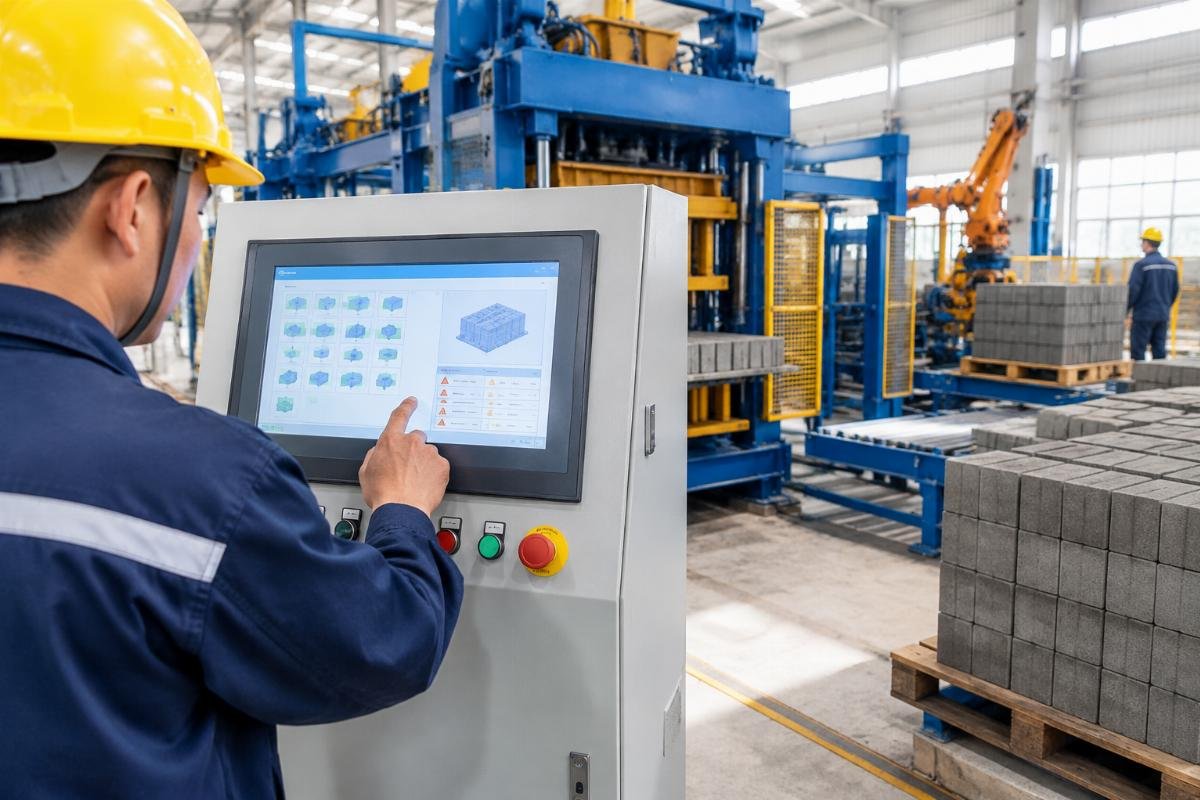
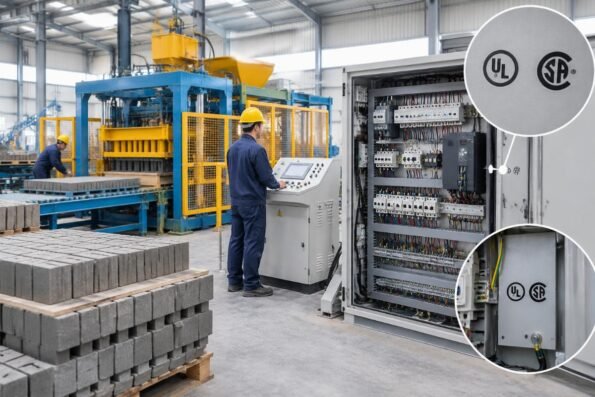
Look for specific brands like Siemens or Mitsubishi in the Concrete Block Machine Technical Specification. These are not just names; they represent a level of reliability and availability of spare parts globally. More importantly, examine the HMI (Human-Machine Interface) features. Can the operator easily adjust the vibration time and feeding depth? Is there a diagnostic mode that helps troubleshoot errors quickly?
A US buyer once faced issues with a semi-automatic line where the cycle time varied because operators manually triggered the next step. By switching to a fully automatic PLC line with fixed cycle times of around 15-20 seconds, they stabilized their output. The machine did not get tired, and it did not forget to vibrate the mold for the full duration. This consistency is crucial for meeting strict construction standards. [NEED_CITE: effect of automation on product consistency in precast concrete]
Furthermore, modern PLC systems can store multiple recipes. This means you can save settings for different block types and recall them with a single touch. This reduces setup time when changing molds, which is often a significant source of downtime. When comparing models like the QT4-15 versus the QT12-15, the difference in PLC sophistication often matches the difference in production scale. The larger machines require more complex coordination between the batching plant, the mixer, and the block former, which only a robust PLC can handle efficiently.
Which Specifications Align with Your Target Product Mix?
Not all block machines are created equal. The mold configuration and vibration frequency must match your target products. If you plan to produce standard hollow blocks, a high-frequency vibration system is ideal for quick compaction. However, if you are focusing on decorative pavers or interlocking bricks, you need a system that allows for lower frequency but higher amplitude to ensure the concrete settles into intricate mold details without segregating the aggregate.
Mold flexibility and vibration frequency determine versatility for pavers, curbs, or standard blocks.
When reviewing a Concrete Block Machine Technical Specification, pay attention to the mold mounting system. Is it quick-change? Does it require special tools? A cumbersome mold change process can kill your productivity if you have a diverse product mix. Additionally, check the pallet size compatibility. Larger pallets allow for more blocks per cycle, but they also require a stronger stripping mechanism.
For example, a client in Nigeria wanted to produce both standard blocks and specialized curbstones. The machine they selected had a versatile mold clamping system that allowed for easy swaps. However, they initially overlooked the need for a color feeder attachment for the pavers. This oversight meant they had to retrofit the machine later, causing additional downtime. By ensuring the Concrete Block Machine Technical Specification included provisions for auxiliary equipment like color feeders or face mix hoppers, you can future-proof your investment.
It is also vital to match the machine’s capacity with your batching plant’s feed rate. If the block machine can produce 1000 blocks per hour but your mixer can only supply enough concrete for 600, you have a bottleneck. The technical specs should provide a clear picture of the entire line’s balance, not just the block former’s potential. [NEED_CITE: importance of line balancing in concrete production plants]
Conclusion
Technical specifications are the blueprint for your plant’s success, not just a formality for procurement.
By focusing on hydraulic consistency, PLC reliability, and structural integrity, you move beyond superficial comparisons. Ensure that every parameter in the Concrete Block Machine Technical Specification serves a purpose in your specific production environment. Whether you are scaling up in Africa or optimizing a line in Southeast Asia, the right technical fit ensures that your machine delivers consistent quality and sustainable profitability for years to come.

Industry expert sharing insights about concrete machinery, block making technology and turnkey production solutions.
View all posts →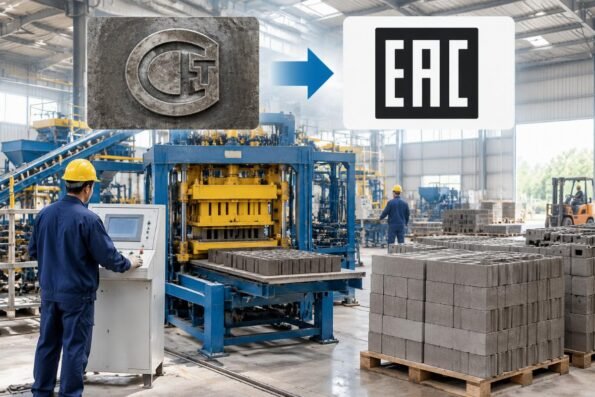
Leave a Reply