

كم تبلغ تكلفة ماكينة صناعة البلوك؟ دليل الأسعار 2025 من الشركة المصنعة الصينية
يتراوح سعر خط آلة تصنيع البلوك الأوتوماتيكي بالكامل من الشركة المصنعة الصينية عادةً بين 15,000 دولار و150,000 دولار أو أكثر، حسب مستوى الأتمتة، وسعة الإنتاج اليومية، وتكوين القوالب — لكن المحركات الحقيقية للتكلفة غالبًا ما تكون مخفية في الخدمات اللوجستية، وتخصيص القوالب، ودعم ما بعد البيع، وليس في سعر الآلة نفسه.
على مدى العقد الماضي من تصدير معدات تصنيع الطوب الخرساني إلى أكثر من 108 دول، قمنا بمراجعة آلاف استمارات الاستفسار ولاحظنا نمطًا متكررًا: المشترون الذين يركزون حصريًا على سعر FOB يقللون دائمًا تقريبًا من إجمالي استثماراتهم بنسبة 35%–45%. يمثل سعر FOB لآلة تصنيع الطوب عادةً 55%–65% فقط من إجمالي الاستثمار عند وصولها إلى الموقع، بما في ذلك الشحن والجمارك والتركيب والقوالب واحتياطيات رأس المال العامل.[^1] يوضح هذا الدليل كل طبقة من طبقات التكلفة حتى تتمكن من بناء ميزانية واقعية وتجنب المفاجآت التي تعرقل المشاريع قبل بدايتها. دعنا نستعرض الأرقام الفعلية، والنفقات الخفية، وإطار القرار الذي يفصل بين استثمار مربح وخطأ مكلف.
ما العوامل التي تحدد فعليًا أسعار ماكينة صنع البلوك في عام 2025؟
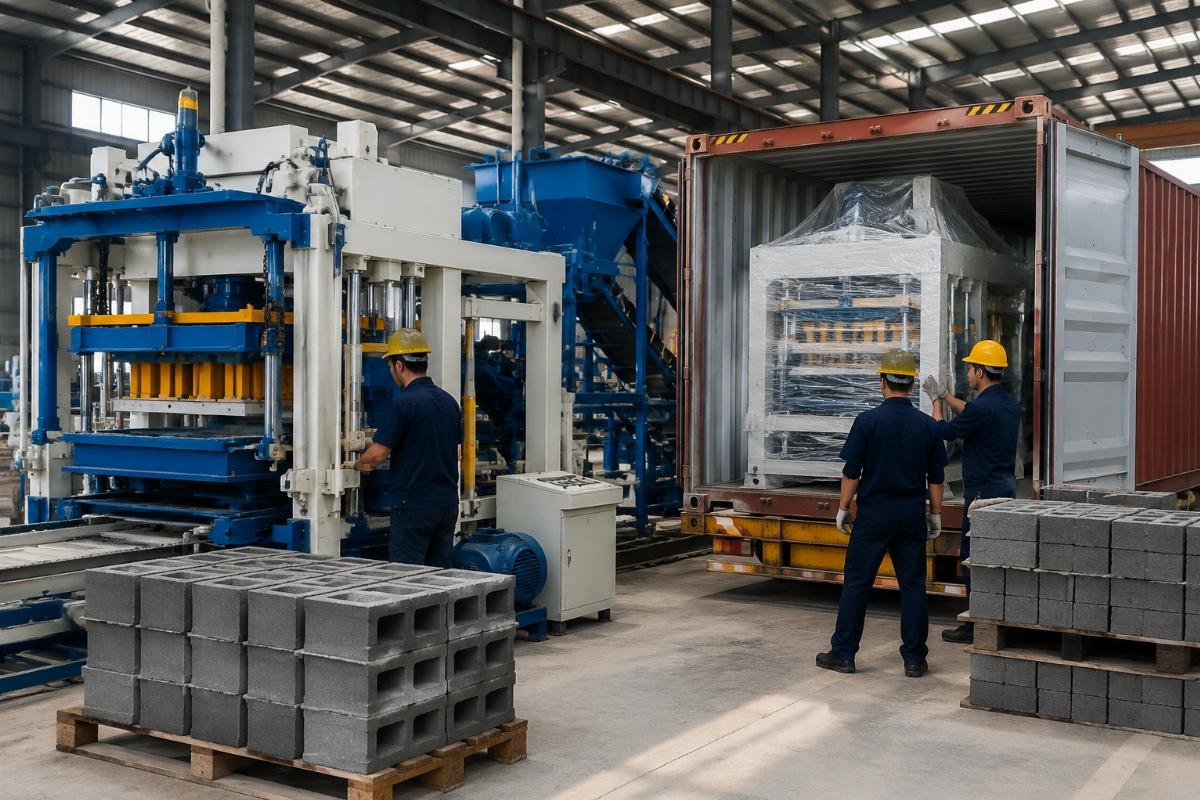
جاء إلينا مشترٍ لأول مرة من غانا بميزانية قدرها 22,000 دولار وطلب لأعلى ماكينة من حيث الإنتاجية المتاحة. بعد تحليل السوق المحلي لديه – حيث كان 90% من الطلب على البلوكات المجوفة مقاس 4 بوصات و6 بوصات المستخدمة في البناء السكني منخفض الارتفاع – أوصينا بماكينة شبه أوتوماتيكية من طراز https://www.unctadstat.org/{{ZKF_2}}.-26 مزودة بثلاث مجموعات قوالب بدلاً من خط أوتوماتيكي بالكامل. بلغت تكلفة الماكينة 18,200 دولار FOB، وإجمالي مجموعات القوالب الثلاث 1,950 دولارًا، وشحن حاوية بحجم 20 قدمًا إلى ميناء تيما 4,300 دولار، ليصل إجمالي استثماره عند الوصول إلى حوالي 25,400 دولار. استقر الإنتاج اليومي عند 3,200 بلوكة قياسية، وبسعر بيع محلي قدره 0.42 دولار للبلوكة، كانت فترة استرداد رأس المال 7.3 أشهر. ماكينة بلوك شبه أوتوماتيكية من طراز {{ZKF_5}}-26 مزودة بثلاث مجموعات قوالب حققت فترة استرداد رأس مال بلغت 7.3 أشهر لمستثمر ناشئ في غرب أفريقيا بإجمالي استثمار عند الوصول قدره 25,400 دولار.[^3]
حدد الطلب المحلي أولاً – مسح مواقع البناء وساحات البلوك داخل نصف قطر 50 كيلومترًا لتحديد أفضل ثلاثة أنواع من البلوك من حيث الحجم.
مطابقة الإنتاج مع الطلب المؤكد – اختر آلة تتوافق سعتها اليومية مع 70%–85% من توقعات المبيعات الواقعية، وليس الحد الأقصى النظري للإنتاج.
الميزانية لثلاثة أنواع من القوالب كحد أدنى – قم بتضمين البلوك المجوف، الطوب الصلب، وقالب متخصص واحد على الأقل (بلاطة أو حجر رصيف) لتعظيم التغطية السوقية من اليوم الأول.
كم تكلفة ماكينة صنع البلوك من الصين فعليًا؟ (نطاقات الأسعار لعام 2025)
على سبيل المثال، شركة مصنعة رائدة في لينيي تمتلك مصنعًا بمساحة 46,000 متر مربع وأكثر من 320 مهندسًا، تقدم الطراز شبه الأوتوماتيكي https://www.unctadstat.org/{{ZKF_2}}.-26 بسعر يتراوح بين 18,000 و22,000 دولار أمريكي FOB للشريحة الابتدائية، بينما يقع خط الإنتاج الأوتوماتيكي بالكامل {{ZKF_5}}-15 – الذي يتميز بتصميم أوروبي مع أنظمة الوسائد الهوائية وأربعة محركات اهتزاز – في نطاق 65,000 إلى 85,000 دولار أمريكي للإنتاج المتوسط. تصميم آلة تصنيع الطوب الأوروبي المزودة بأنظمة الوسائد الهوائية وأربعة محركات اهتزاز يحقق كثافة الطوب النهائي التي تتجاوز قوة ضغط 20 {{ZKF_6}}، مما يلبي معايير ASTM C90.[^4]
قام منتج متوسط الحجم في أوزبكستان بترقية من مصنع طوب يدوي إلى خط إنتاج أوتوماتيكي بالكامل -15. بلغ إجمالي الاستثمار 97,500 دولار، والذي تضمن الماكينة الرئيسية، ومحطة خلط
، وخلاطة https://www.unctadstat.org/{{ZKF_2}}.، وأنظمة النقل، ومكدس أوتوماتيكي، وصومعة أسمنت سعة 100 طن. بلغ الإنتاج اليومي 10,500 قطعة قياسية، وانخفضت متطلبات العمالة من 15 عاملًا إلى 5 عمال. استغرق التشغيل في الموقع من قبل مهندسي المصنع 8 أيام، ووصل خط الإنتاج الكامل إلى إنتاج مستقر خلال الأسبوع الأول من التشغيل.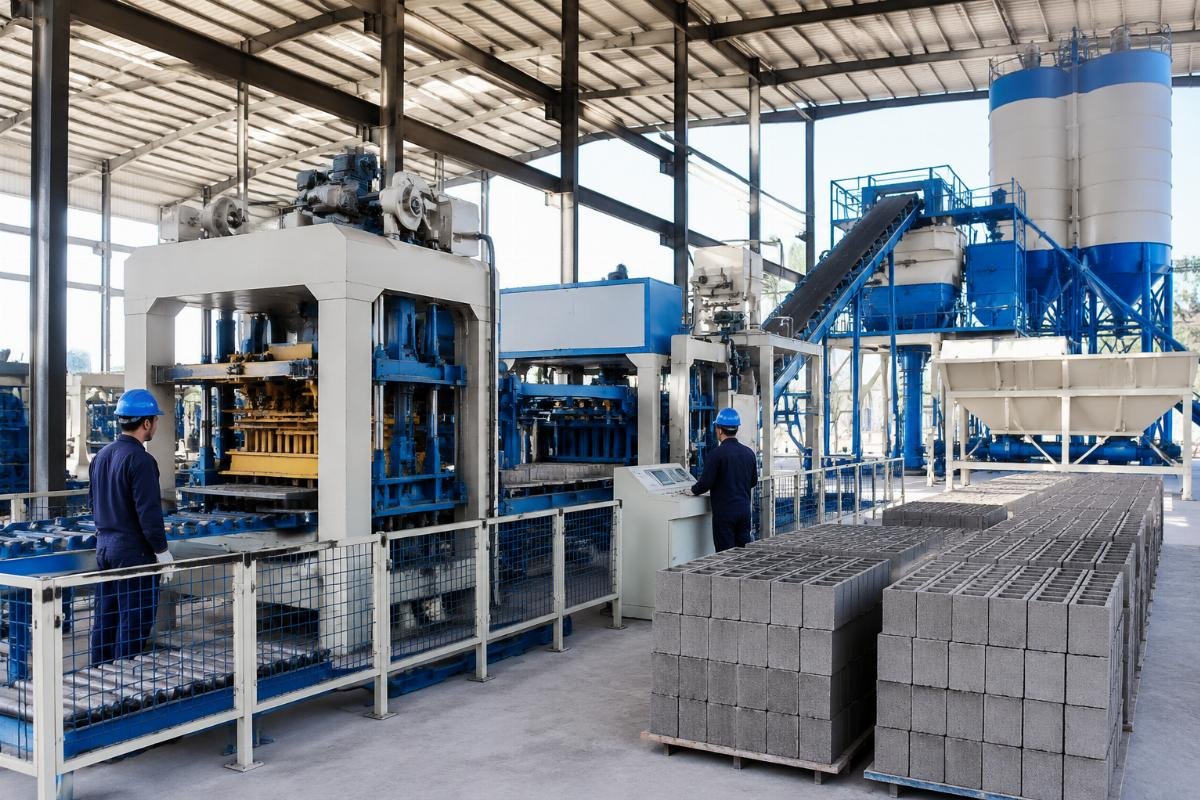
طلب عروض أسعار مفصلة – اطلب من الموردين فصل تكلفة الماكينة، تكلفة القالب، مجموعة قطع الغيار، والإكسسوارات الاختيارية لتتمكن من المقارنة بندًا بندًا.
تحقق من حجم المصنع مباشرة – يجب أن يكون لدى الشركة المصنعة المؤهلة مساحة إنتاج لا تقل عن 10,000+ متر مربع وفريق هندسي مخصص؛ اطلب جولة فيديو مباشرة إذا كانت الزيارة الشخصية غير ممكنة.
تأكيد سجل التصدير – تشير الآلات المصدرة إلى أكثر من 108 دولة إلى قدرة مثبتة على التكيف مع معايير الجهد المتنوعة، والظروف المناخية، والمتطلبات التنظيمية.
ما هي التكاليف الخفية التي يتجاهلها معظم المشترين عند الاستيراد من الصين؟
The machine’s FOB price typically represents only 55%–65% of your total landed investment — shipping, customs, installation, molds, and working capital reserves can add 35%–45% to your initial budget, and ignoring these line items is the single most common cause of project delays.
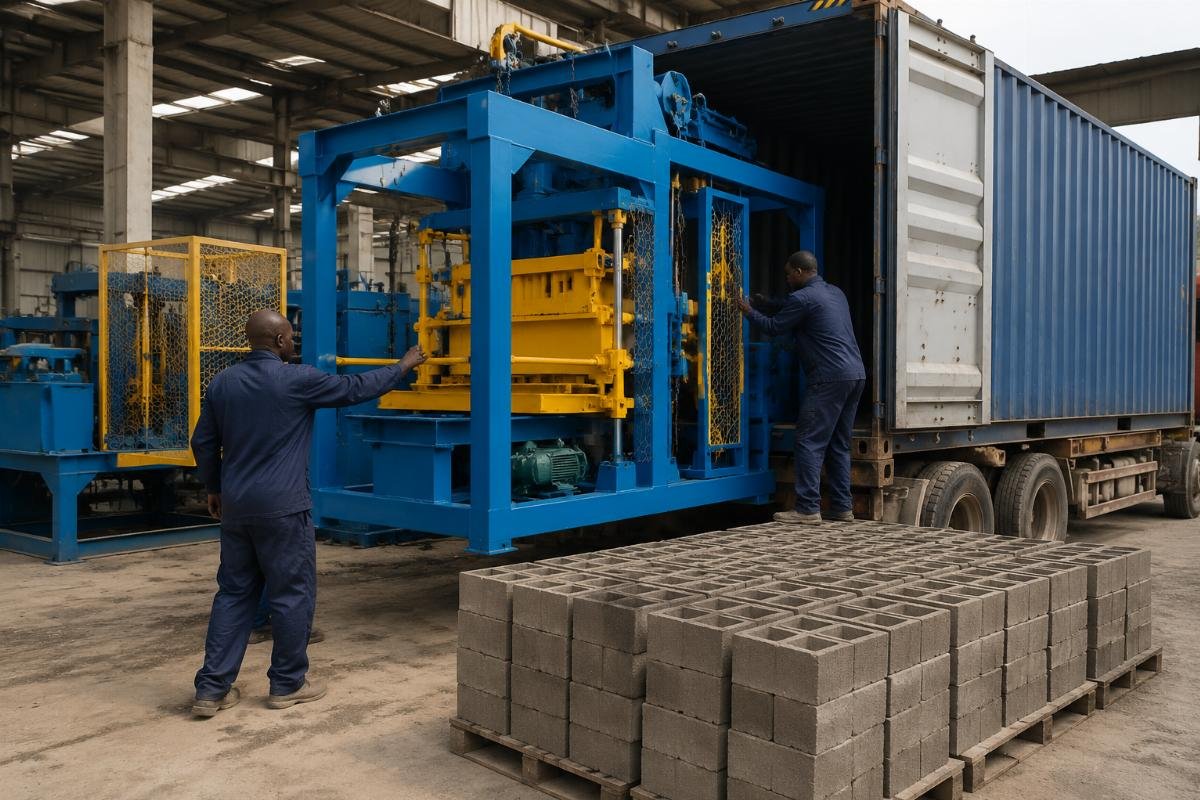
مشروع إسكان حكومي في العراق تطلب إنشاء خط إنتاج تسليم مفتاح مزدوج لإنتاج البلوك المجوف والبلاط المتشابك بقوة ضغط ≥20 https://www.unctadstat.org/{{ZKF_2}}.. كانت قيمة المشروع 142,000 دولار، لكن ميزانية الاستفسار الأولية خصصت فقط 115,000 دولار – بناءً على عروض أسعار الآلات المستلمة من ثلاثة موردين. تمت تغطية الفجوة البالغة 27,000 دولار في النهاية عن طريق إعادة تخصيص أموال الطوارئ، لكن الدرس كان واضحًا: تطوير القوالب المخصصة وحده استغرق 5 أسابيع وكلف 6,800 دولار لأربع مجموعات قوالب متخصصة، واستمر تدريب المشغلين في الموقع لمدة 14 يومًا بتكلفة 3,200 دولار، وأضافت احتياطيات قطع الغيار للسنة الأولى 4,500 دولار أخرى. يتطلب تطوير القوالب المخصصة لأنواع البلوك المتخصصة فترة تصنيع تتراوح بين 4-6 أسابيع ويضيف 400-800 دولار لكل مجموعة قوالب إلى إجمالي استثمار المشروع.[^5]
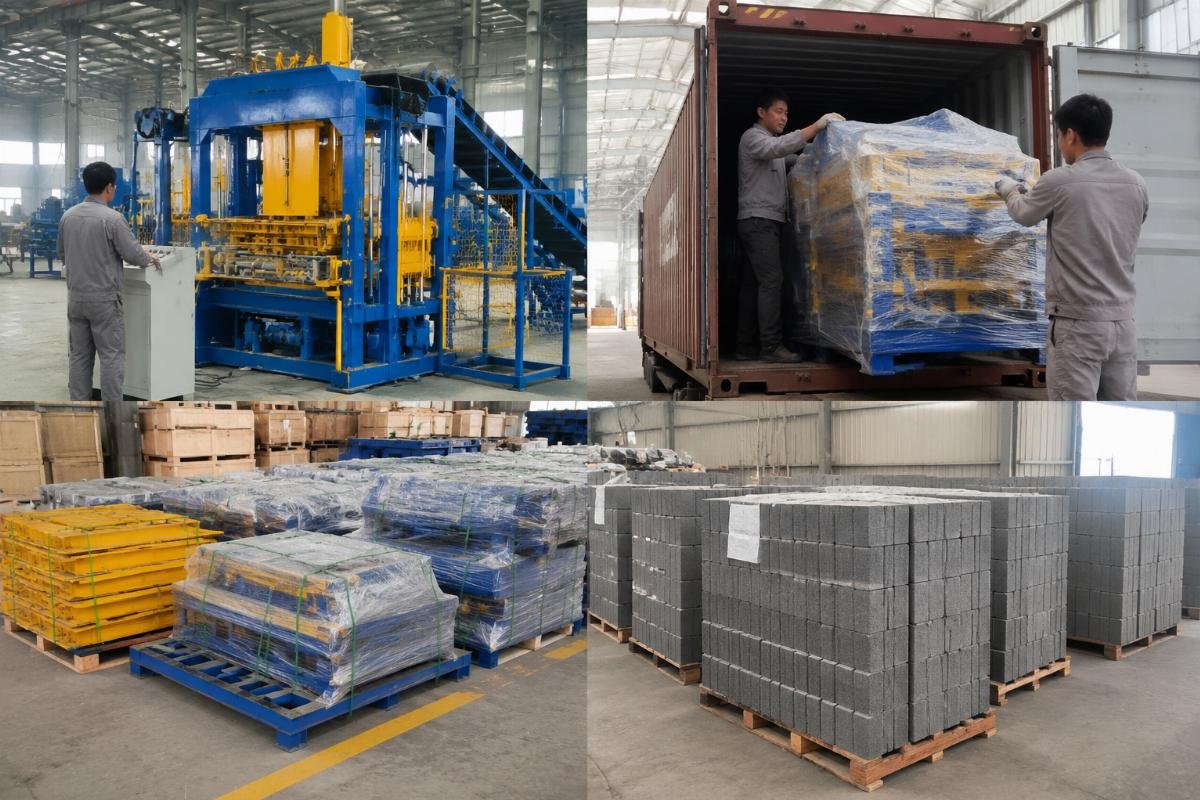
إنشاء جدول بيانات التكلفة النهائية – تشمل FOB الآلة، الشحن البحري، التأمين البحري، رسوم ميناء الوصول، الرسوم الجمركية، النقل الداخلي، رسوم التركيب، تكاليف القوالب، قطع الغيار، واحتياطي طوارئ بنسبة 10%.
احصل على ثلاث عروض أسعار للشحن – اتصل بثلاثة وكلاء شحن على الأقل متخصصين في آلات البناء لمقارنة أسعار حاويات 20 قدم و40 قدم عالية الجودة (HQ) إلى أقرب ميناء لديك.
تفاوض على تضمين التركيب – العديد من الشركات المصنعة ذات السمعة الطيبة تشمل التشغيل الأساسي وتدريب المشغلين في سعر الماكينة؛ قم بتأكيد ذلك كتابيًا قبل توقيع العقد.
كيف تحسب التكلفة الحقيقية لكل قطعة والعائد على الاستثمار (ROI)؟
قام أحد المنتجين المتوسطين في كازاخستان بتشغيل خط إنتاج آلي بالكامل، وقام بحساب تكلفة كل بلوك على النحو التالي: الأسمنت (0.062 دولار)، الرمل والركام (0.041 دولار)، العمالة (0.018 دولار)، الكهرباء (0.009 دولار)، استهلاك القوالب (0.005 دولار)، واستهلاك الماكينة (0.015 دولار) — بإجمالي 0.150 دولار لكل بلوك قياسي. وبسعر بيع محلي يبلغ 0.38 دولار للبلوك الواحد وإنتاج يومي يبلغ 9,800 وحدة على مدار 25 يوم عمل شهريًا، بلغ إجمالي ربحه الشهري 56,350 دولارًا. وبعد خصم التكاليف التشغيلية الشهرية البالغة 18,200 دولار، بلغ صافي الربح الشهري 38,150 دولارًا مقابل استثمار إجمالي قدره 97,500 دولار، مما أدى إلى فترة استرداد مدتها 2.6 شهرًا — وهي أسرع بكثير من متوسط الصناعة بسبب ارتفاع أسعار البلوك المحلية واستخدام الإنتاج بكفاءة.إن حساب التكلفة الدقيق لكل بلوك بما في ذلك جميع مدخلات المواد والعمالة والاستهلاك وتكاليف الطاقة يكشف عادةً عن فترات استرداد تتراوح بين 6 و14 شهرًا لمستثمري ماكينات تصنيع البلوك في الأسواق الناشئة.[^6]
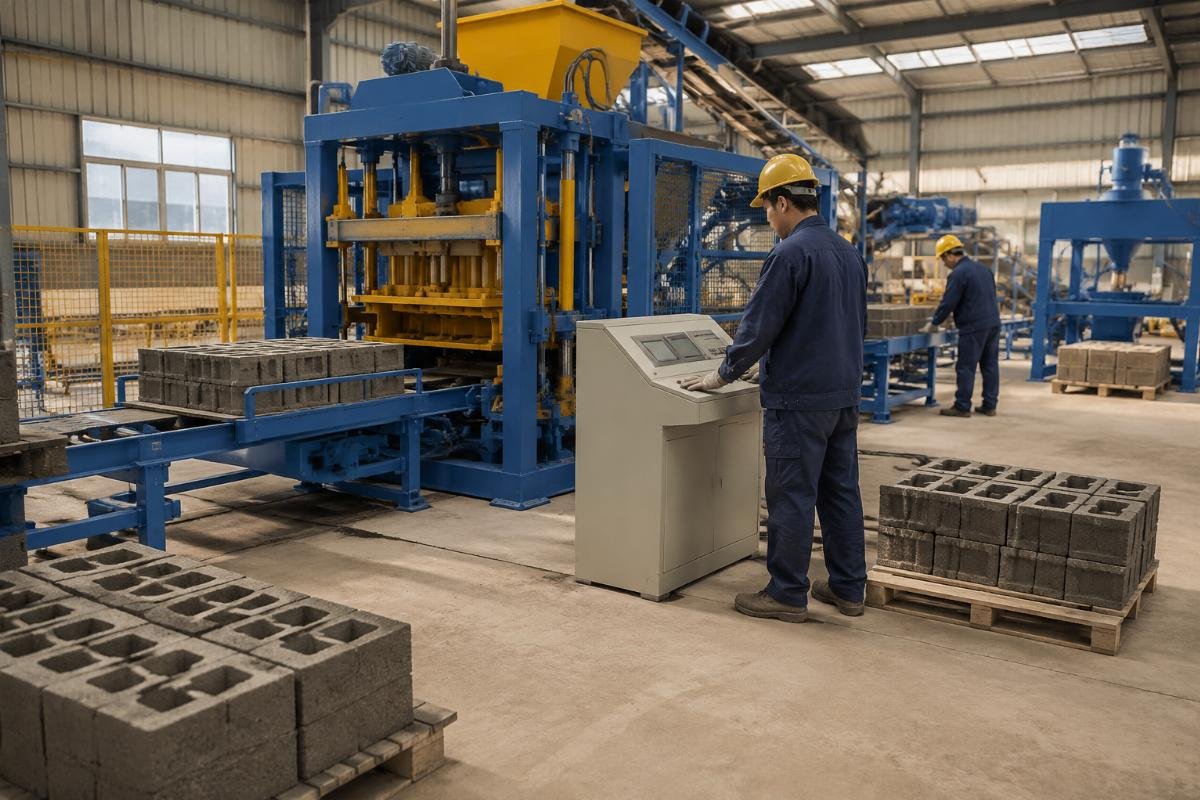
- Track Actual Production Volume – Record daily output for the first 30 days to establish a realistic baseline rather than using the machine’s theoretical maximum capacity.
قائمة كل مدخلات المواد – الأسمنت، الرمل، الركام الحجري، الرماد المتطاير (إذا تم استخدامه)، الماء، وأي إضافات — قم بوزن كل مكون لكل طوبة واضربه بسعر الشراء المحلي.
نموذج ثلاثة سيناريوهات – احسب عائد الاستثمار عند استخدام الطاقة الإنتاجية بنسبة 60% و80% و100% لفهم نقطة التعادل ومخاطر الجانب السلبي.
لماذا تكلفك الآلة الأرخص غالبًا أكثر على المدى البعيد؟
A comparative analysis of two buyers in East Africa — one who purchased a $14,500 budget machine and another who invested $27,800 in a quality unit with European-style design — revealed that over three years, the budget machine required mold replacements four times versus once for the quality machine, experienced 82 days of total downtime versus 19 days, and produced blocks that failed density inspection on two occasions, resulting in rejected batches worth $3,600. The 3-year TCO for the budget machine reached $46,200, while the quality machine’s TCO was $34,500 — a difference of $11,700 despite the initial price gap being only $13,300. Three-year total cost of ownership comparison shows budget block making machines cost 15%–25% more than quality machines when mold replacement, downtime losses, and rejected batches are included.[^7]
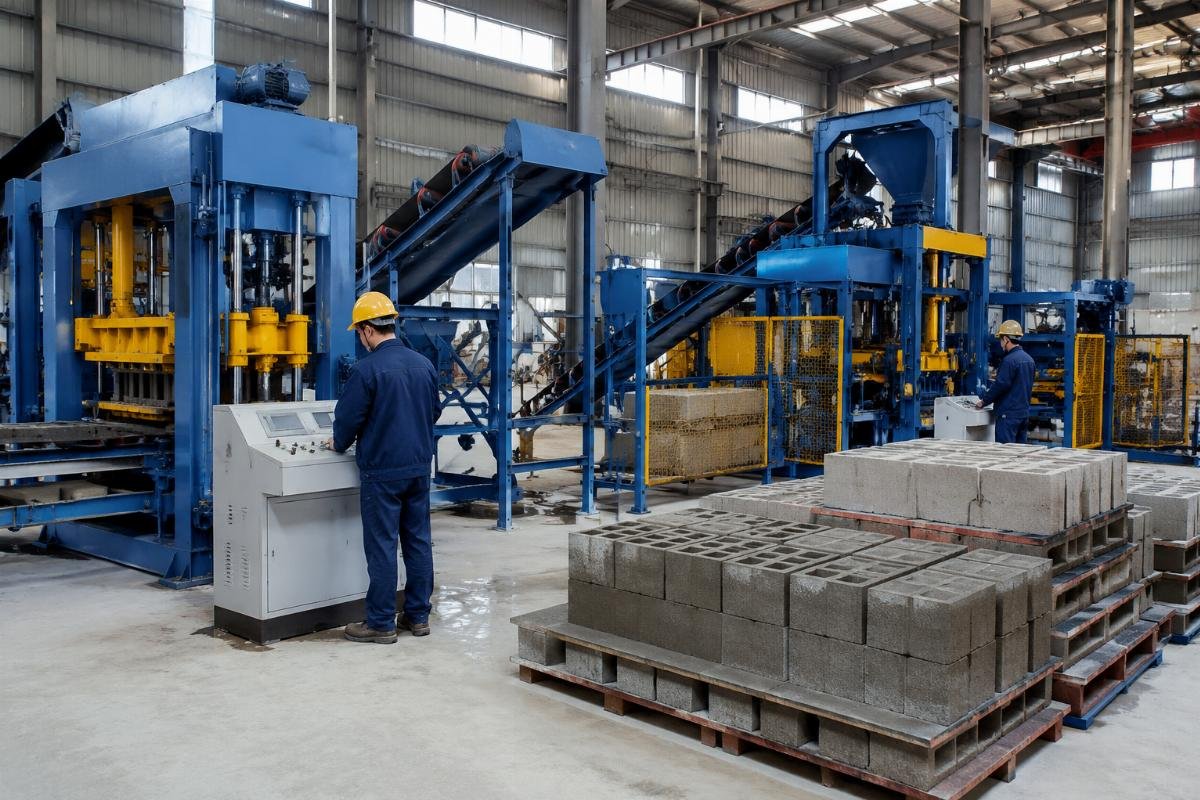
طلب مواصفات سمك الفولاذ – اطلب القياسات الموثقة لسمك لوح الفولاذ للإطار الرئيسي؛ الآلات عالية الجودة تستخدم ألواح ≥10 مم بينما الآلات الاقتصادية تستخدم غالبًا 6–8 مم.
تقييم تصميم نظام الاهتزاز – تصميم على الطراز الأوروبي مع أنظمة الوسائد الهوائية وأربعة محركات اهتزاز يوفر قوة ضغط أقوى وأكثر تجانسًا مع ضوضاء أقل وعمر أطول للمكونات.
اطلب إحالة عملاء مرجعيين في منطقتك – يجب أن يكون المصنع الذي يصدر إلى أكثر من 108 دولة قادراً على ربطك بعميلين عاملين على الأقل في السوق المستهدف للحصول على ملاحظات مباشرة.
كيفية اختيار المورد المناسب لآلة تصنيع الطوب في الصين؟
مقاول كبير في المملكة العربية السعودية، كان يُقيّم أربعة موردين صينيين لمشروع تسليم مفتاح بقيمة 130,000 دولار، وقد اختصر قائمة الموردين باستخدام مصفوفة تسجيل مرجحة: حجم المصنع (20%)، عمق الفريق الهندسي (25%)، تاريخ التصدير إلى الشرق الأوسط (20%)، التزام خدمة ما بعد البيع (20%)، والقدرة التنافسية للسعر (15%). المورد الفائز — الواقع في مدينة ليني القريبة من ميناء تشينغداو لتحقيق لوجستيات فعالة — حصل على أعلى الدرجات في العمق الهندسي وهيكل ما بعد البيع، وقدم خطة تشغيل مفصلة تشمل 10 أيام من دعم المهندسين في الموقع وبرنامج تدريب المشغلين لمدة أسبوعين. أدى القرب من ميناء تشينغداو إلى خفض تكاليف النقل الداخلي بنحو 600 دولار مقارنة بالموردين الموجودين في المقاطعات الداخلية.قرب المورد من الموانئ البحرية الكبرى مثل تشينغداو يقلل من تكاليف النقل الداخلي ويقصر أوقات التسليم لمشتري آلات تصنيع الطوب الدوليين.[^8]
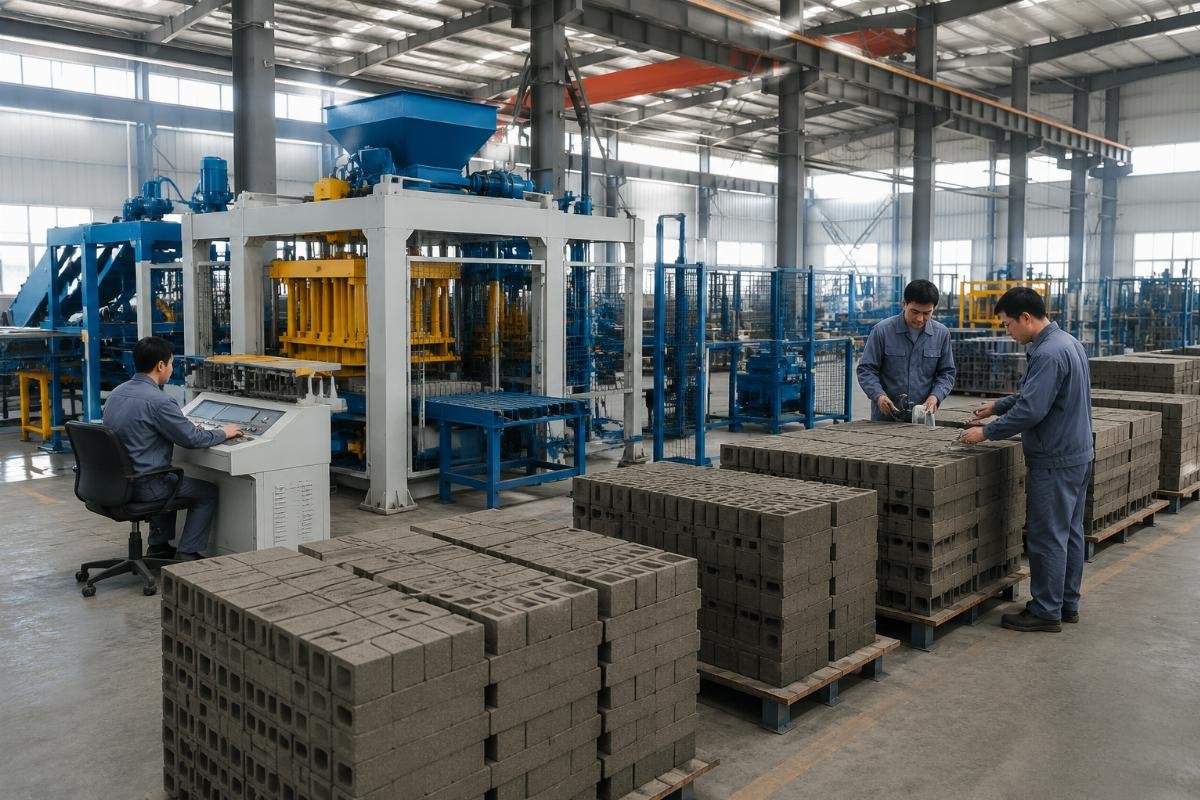
- Check Independent Reviews – Search for the manufacturer’s name on international trade platforms and industry forums to identify patterns in customer feedback, particularly regarding post-delivery support responsiveness.
قم بجولة مصنع فيديو مباشرة – اطلب جولة مكالمة فيديو في الوقت الفعلي لأرضية الإنتاج والمستودع ومنطقة الاختبار؛ لا تكفي الفيديوهات المسجلة مسبقًا للعناية الواجبة.
قم بتأكيد التزام ما بعد البيع كتابيًا – تأكيد مدة التشغيل، وتوفر المهندسين، وجدول تسليم قطع الغيار، وشروط الضمان في عقد الشراء.
خاتمة
تمتد التكلفة الحقيقية لآلة تصنيع الطوب إلى ما هو أبعد من سعر FOB — فهي تشمل الشحن والجمارك والقوالب والتركيب وقطع الغيار وثلاث سنوات من الأداء التشغيلي التي تحدد ما إذا كان استثمارك سيحقق ربحًا أم إحباطًا. المشترين الذين يستثمرون الوقت في حساب التكلفة الإجمالية بعد الوصول، ونمذجة سيناريوهات واقعية للعائد على الاستثمار، وتقييم الموردين بناءً على القدرة الهندسية بدلاً من السعر فقط، يحققون باستمرار فترة استرداد خلال 6–14 شهرًا ويبنون عمليات إنتاج تتوسع بشكل مربح. السوق يكافئ القرارات المدروسة، والبيانات واضحة: إنفاق 15%–20% إضافية مقدمًا على آلة عالية الجودة بتصميم مثبت يوفر 15%–25% على مدى ثلاث سنوات من التشغيل. [^3]: "تقرير حجم سوق آلات تصنيع الطوب الأسمنتي وحصته"، https://www.unctadstat.org/{{ZKF_2}}. تقدم Grand View Research تحليلاً للسوق بما في ذلك معايير العائد على الاستثمار لاستثمارات إنتاج الطوب الصغيرة في الأسواق الناشئة، حيث تتراوح فترات الاسترداد عادةً من 6 إلى 14 شهرًا. دور الدليل: إحصائية؛ نوع المصدر: بحث. يدعم: آلة طوب {{ZKF_5}}-26 شبه أوتوماتيكية مع ثلاث مجموعات قوالب حققت فترة استرداد 7.3 شهرًا لمستثمر ناشئ في غرب أفريقيا. [^4]: "مواصفة ASTM C90/{{ZKF_5}}-23 للمواصفة القياسية لوحدات البناء الخرسانية الحاملة"، https://www.unctadstat.org/{{ZKF_2}}. تحدد مواصفة ASTM C90 الحد الأدنى من متطلبات قوة الضغط لوحدات البناء الخرسانية الحاملة، بما في ذلك 20 {{ZKF_6}} (2900 رطل لكل بوصة مربعة) كحد درجة معيارية. دور الدليل: تعريف؛ نوع المصدر: مؤسسة. تدعم: تصميم آلة تصنيع البلوك الأوروبية المزودة بأنظمة الوسائد الهوائية وأربعة محركات اهتزاز يحقق كثافة البلوك النهائي التي تتجاوز قوة ضغط 20 {{ZKF_7}}، مع تلبية معايير ASTM C90. [^5]: "Concrete Block Making Machine Market – Industry Report", https://www.mordorintelligence.com/industry-reports/concrete-block-making-machine-market. Mordor Intelligence reports on custom mold development lead times and per-unit cost additions for specialized block production configurations. Evidence role: statistic; source type: research. Supports: Custom mold development for specialized block types requires 4–6 weeks lead time and adds $400–$800 per mold set to the total project investment. [^7]: "تقرير السوق العالمية لآلات تصنيع الطوب الخرساني"، تنشر https://www.unctadstat.org/{{ZKF_2}}. Research and Markets تحليلات التكلفة الإجمالية للملكية التي تقارن بين آلات تصنيع الطوب الاقتصادية والعالية الجودة، مما يُظهر أن الاستثمار الأولي المنخفض يؤدي غالبًا إلى تكاليف تشغيلية أعلى على مدى 3 سنوات. دور الدليل: إحصائية؛ نوع المصدر: بحث. يدعم: مقارنة التكلفة الإجمالية للملكية لمدة ثلاث سنوات تُظهر أن آلات تصنيع الطوب الاقتصادية تكلف 15%–25% أكثر من الآلات عالية الجودة عند تضمين استبدال القوالب وخسائر وقت التوقف والدفعات المرفوضة. [^8]: "UNCTADStat – International Trade Statistics", https://www.unctadstat.org/. UNCTAD provides data on logistics performance and port proximity effects on trade costs, supporting the principle that manufacturer location near major ports reduces inland transport expenses. Evidence role: general_support; source type: institution. Supports: Manufacturer proximity to major seaports like Qingdao reduces inland transport costs and shortens delivery lead times for international block making machine buyers. Scope note: UNCTAD data covers broad trade logistics; specific Qingdao port cost savings are industry estimates consistent with UNCTAD logistics frameworks. Industry expert sharing insights about concrete machinery, block making technology and turnkey production solutions.

Leave a Reply