

ما هي أفضل آلة لتصنيع البلوك المجوف؟ دليل شامل للمشترين لاختيار المورد المناسب
أغلى آلة لصنع البلوك المجوف في السوق نادرًا ما تكون الخيار الأفضل لمشروعك. على مدى العقد الماضي من العمل مع مشتري آلات البلوك في إفريقيا وأمريكا اللاتينية والشرق الأوسط وآسيا الوسطى وجنوب آسيا، رأيت نفس الخطأ المكلف يتكرر: يختار المستثمرون المعدات بناءً على الأسعار أو الضجيج حول الأتمتة بدلاً من الفهم الواضح لاقتصاديات إنتاجهم.يُظهر تحليل التكلفة الإجمالية للملكية أن سعر FOB للمعدات يمثل فقط 40-50% من نفقات التشغيل طويلة الأجل، بينما تشكل الخدمات اللوجستية وقطع الغيار والطاقة والعمالة غالبية التكاليف المستمرة.[^1] يستخلص هذا الدليل بيانات المشاريع الحقيقية في إطار قرار يمكنك تطبيقه فورًا. دعنا نستعرض العوامل التي تحدد فعليًا أي آلة هي الأفضل لك.
ما العوامل التي تحدد أفضل آلة تصنيع البلوك المجوف لمشروعك؟
لا توجد آلة "أفضل" عالمية — فقط الآلة الأفضل لإنتاجك اليومي المحدد، ومزيج المواد الخام، وأفق الميزانية. إن اختيار المعدات دون حساب هذه المتغيرات الثلاثة أولًا هو السبب الأكثر شيوعًا لفشل مصانع البلوك في تحقيق الربحية خلال العام الأول.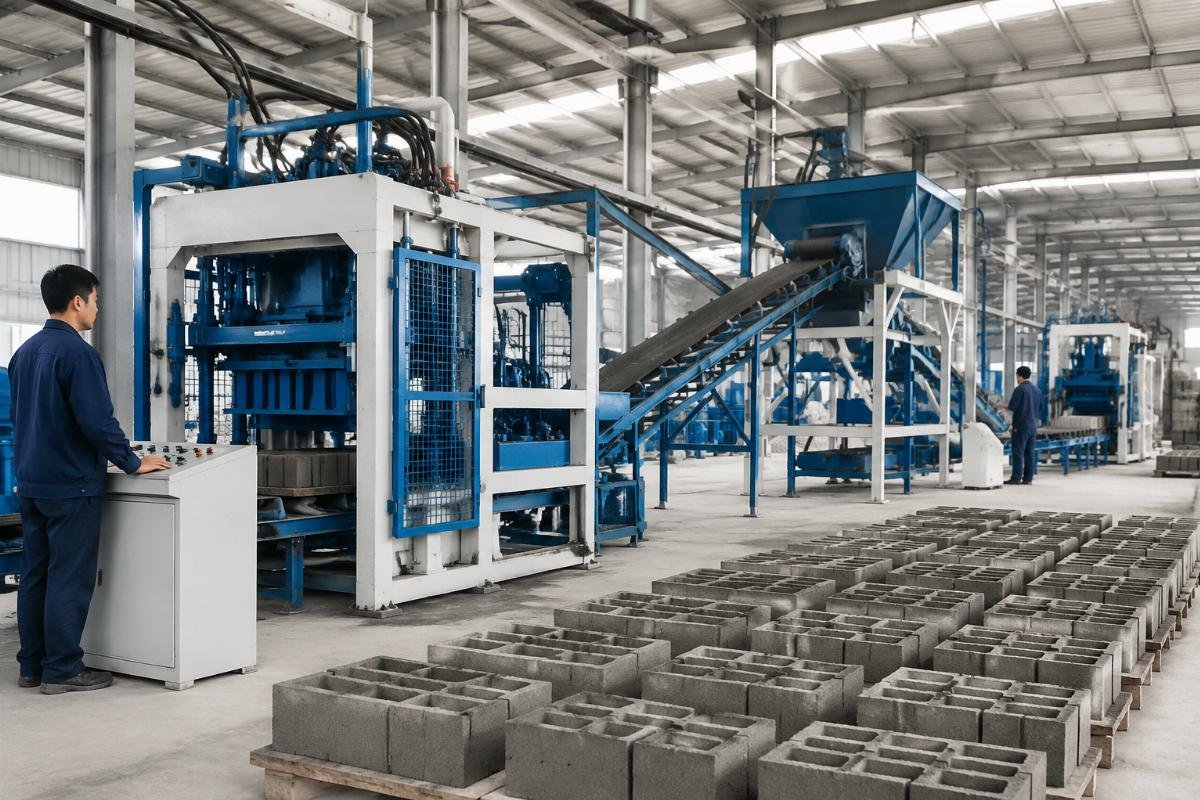
جاء إلينا مستثمر ناشئ صغير في غرب أفريقيا بميزانية قدرها 35000 دولار وهدف إنتاج 4000 قالب مجوف يوميًا. أراد في البداية خطًا آليًا بالكامل لأن "الأكبر هو الأفضل". بعد أن قمنا بحساب الأرقام معًا — سعر بيع القالب المحلي 0.45 دولار للوحدة، وتكلفة المواد الخام 0.18 دولار، والعمالة 6 دولارات في اليوم لكل عامل — أظهرت الحسابات أن الخط شبه الآلي سيحقق استرداد التكلفة في 8.3 شهرًا، بينما سيستغرق الخيار الآلي بالكامل 17.6 شهرًا بسبب ارتفاع الاستهلاك وعدم استغلال الطاقة الإنتاجية بشكل كاف. اختار التكوين شبه الآلي: ماكينة من نوع https://blog.csdn.net/2301_79556402/article/details/161265492{{ZKF_2}}.-45 مع خلاطة صينية ووحدة تجميع سعة 500 لتر، بإجمالي استثمار FOB قدره 28500 دولار. خلال 10 أشهر، استقر الإنتاج اليومي عند 4200 قالب مع طاقم من أربعة عمال. تظهر ماكينات القوالب شبه الآلية التي يقل إنتاجها اليومي عن 5000 وحدة عائد استثمار أسرع في الأسواق الناشئة بسبب انخفاض التكاليف الثابتة ومتطلبات الصيانة الأبسط.[^3]
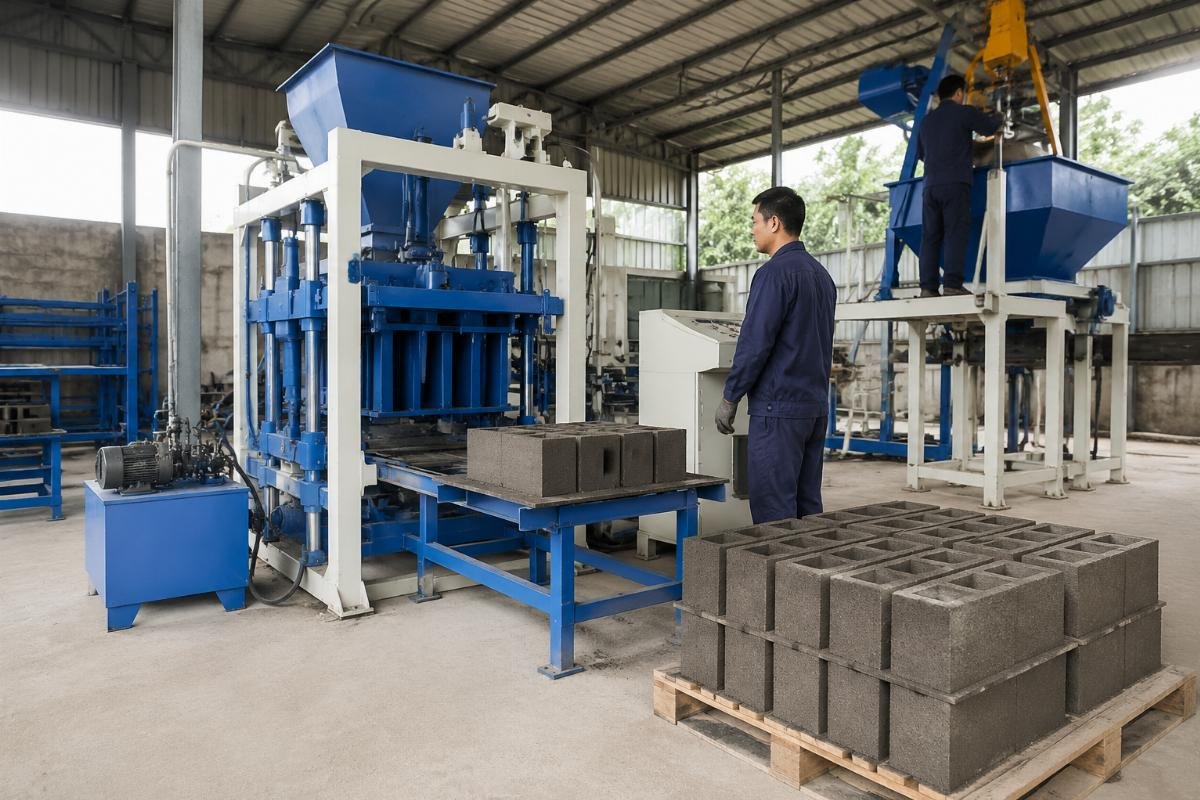
حساب الإنتاج – اضرب طلباتك اليومية المؤكدة في 1.3 لتحديد الحد الأدنى لسعة الماكينة المطلوبة.
اختبار المواد – أرسل عينات من المواد الخام إلى المورد للكبس التجريبي قبل طلب القوالب.
تخصيص الميزانية – لا تخصص أكثر من 60% من إجمالي رأس المال لآلة القوالب الأساسية؛ واحتفظ بالباقي للمعدات المساعدة ورأس المال العامل.
لماذا يهم التصميم على الطراز الأوروبي في آلات البلوك الصينية؟
الفرق بين آلة تصنيع البلوك التي تنتج بلوكات بحجم 7.0 https://blog.csdn.net/2301_79556402/article/details/161265492{{ZKF_2}}. وآلة تنتج بلوكات بحجم 10.0 {{ZKF_5}} غالبًا ما يعود إلى تصميم نظام الاهتزاز — وليس مجرد عدد المحركات. يفترض العديد من المشترين أن زيادة عدد محركات الاهتزاز تعني تلقائيًا تحسين الدمك. الحقيقة هي أن توزيع القوة بشكل موحد ومطابقة التردد هما ما يحددان الكثافة النهائية للبلوك، وهنا يأتي دور الهندسة ذات الطراز الأوروبي التي تميز الشركات المصنعة الصينية الرائدة عن غيرها.
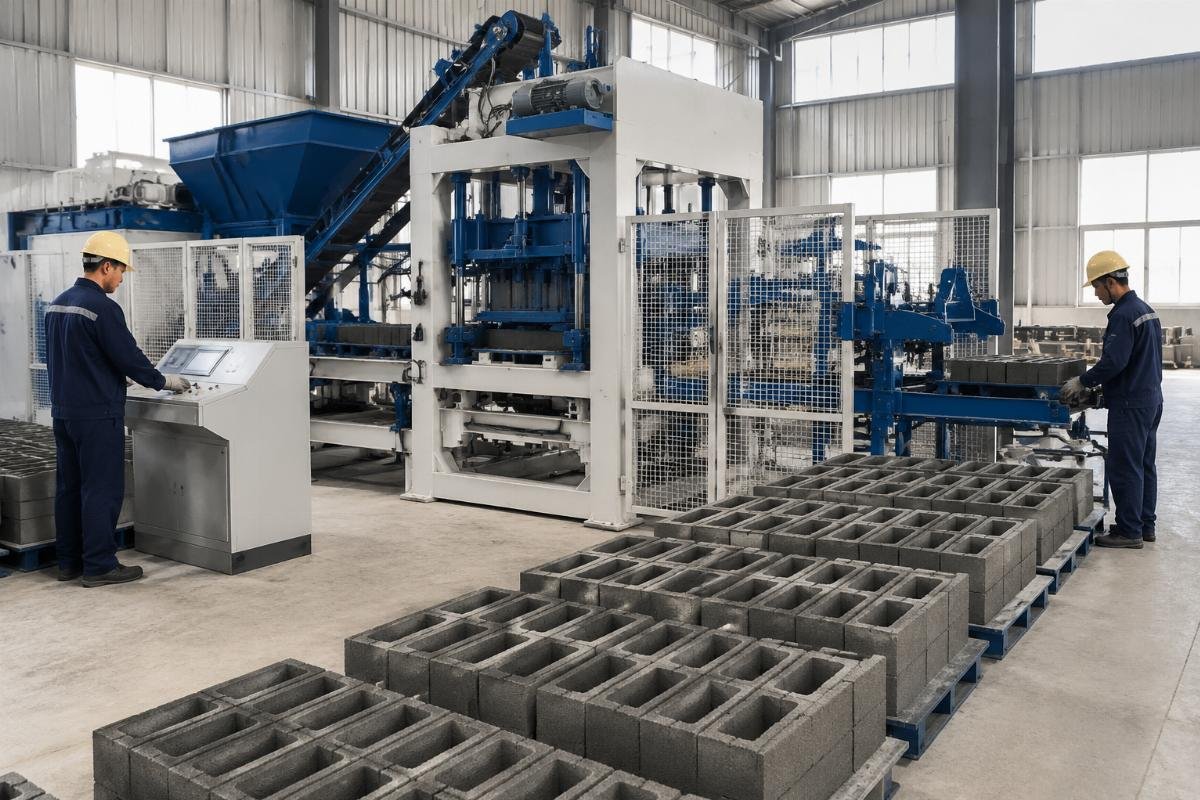
A mid-size block producer in Central Asia was operating a manual line producing 2,000 blocks per day with 12 workers. They upgraded to a fully automatic line with European-style design from Shandong Shiyue Intelligent Machinery: QT10-15 type machine with airbag suspension, four vibration motors, automatic pallet loader, and stacker. Daily output jumped to 18,000 blocks. Worker count dropped from 12 to 4. Commissioning was completed in 9 days. The key technical difference was the airbag system — their previous supplier’s rigid-frame machine had required mold replacement every 18 months; the new line’s molds were projected to last 40,000+ cycles based on the manufacturer’s engineering data. Four-motor vibration systems with airbag suspension achieve block density uniformity within ±3% across the mold surface, compared to ±8-12% in two-motor rigid-frame designs.[^5]
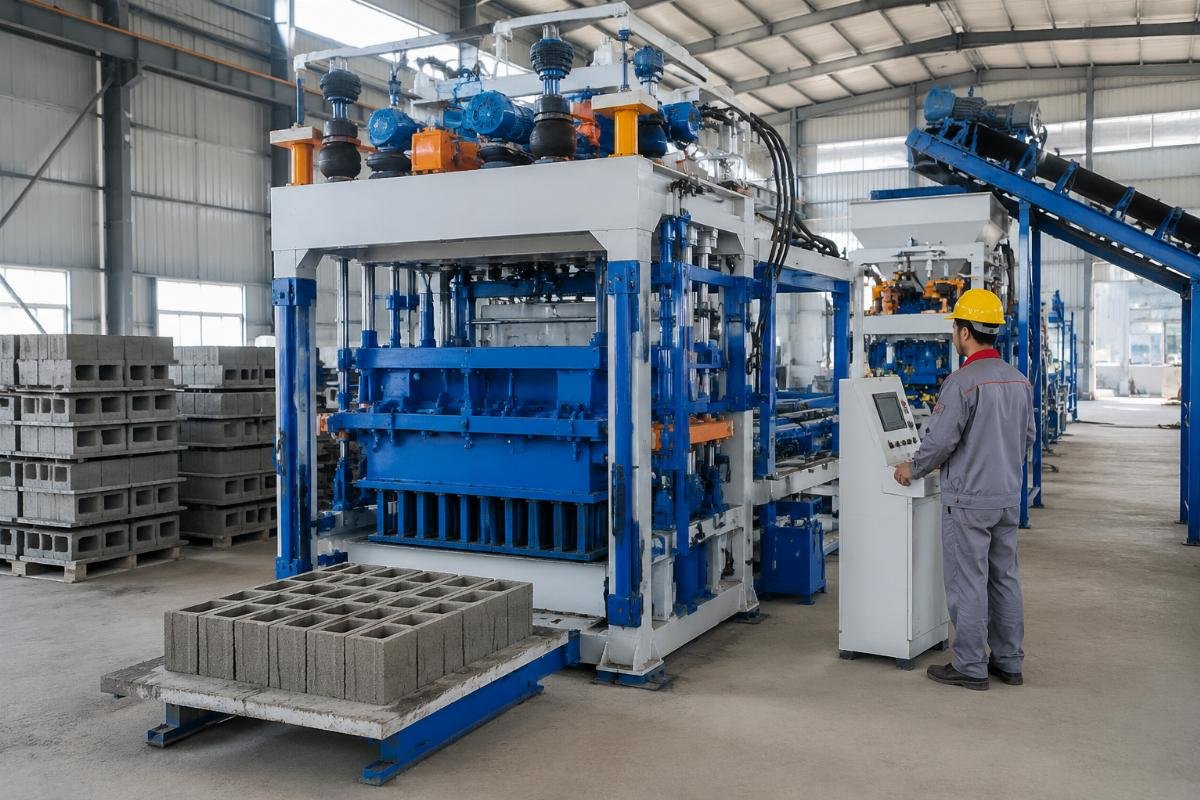
تدقيق نظام الاهتزاز – اطلب بيانات تردد الاهتزاز وخرائط توزيع القوة من المورد قبل الشراء.
التحقق من عمر القالب – اطلب أعداد دورات القالب الموثقة من العملاء الحاليين في مناخات مماثلة.
معيار الضوضاء – يتطلب تقرير اختبار مستوى الضوضاء؛ أي شيء أعلى من 90 ديسيبل في محطة المشغل يشير إلى ضعف تصميم العزل.
كيف تقيم مورد آلة البلوك المجوف من الصين؟
حجم المصنع، سجل التصدير، وعمق فريق الهندسة أهم بكثير من أقل عرض سعر في جدول المقارنة الخاص بك. سوق ماكينات البلوك الصيني يضم أكثر من 200 مصنع، لكن أقل من 15 منهم يمتلكون القدرة الهندسية لتقديم حلول تسليم مفتوح حقيقية مع دعم ما بعد التشغيل عبر قارات متعددة.
كان أحد مقاولي الإسكان الحكوميين في الشرق الأوسط بحاجة إلى ثلاثة خطوط إنتاج متطابقة لتوريد الطوب المجوف لمشروع سكني يضم 2400 وحدة. تطلبت المواصفات قوة ضغط تتراوح بين 7.5 و10 وفقًا لمعايير EN 771-3، وكان لا بد أن تتحمل المعدات 16 ساعة من التشغيل اليومي المستمر بمتوسط وقت بين الأعطال يتجاوز ستة أشهر. بعد تقييم سبعة موردين، اختاروا شركة Shandong Shiyue Intelligent Machinery بناءً على ثلاثة عوامل: مصنع بمساحة 46,000 متر مربع يضم أكثر من 320 مهندسًا، وصادرات موثقة إلى أكثر من 108 دولة بما في ذلك منشآت متعددة في الشرق الأوسط، وإمكانية تكوين جميع الخطوط الثلاثة بشكل متطابق مع أنظمة PLC متطابقة لتبسيط الصيانة. تم تسليم وتركيب وتشغيل خطوط
-15 الثلاثة في غضون 28 يومًا. أكدت مقاييس التشغيل المستمر خلال الأشهر الستة الأولى عدم حدوث أي توقف غير مخطط له تجاوز أربع ساعات.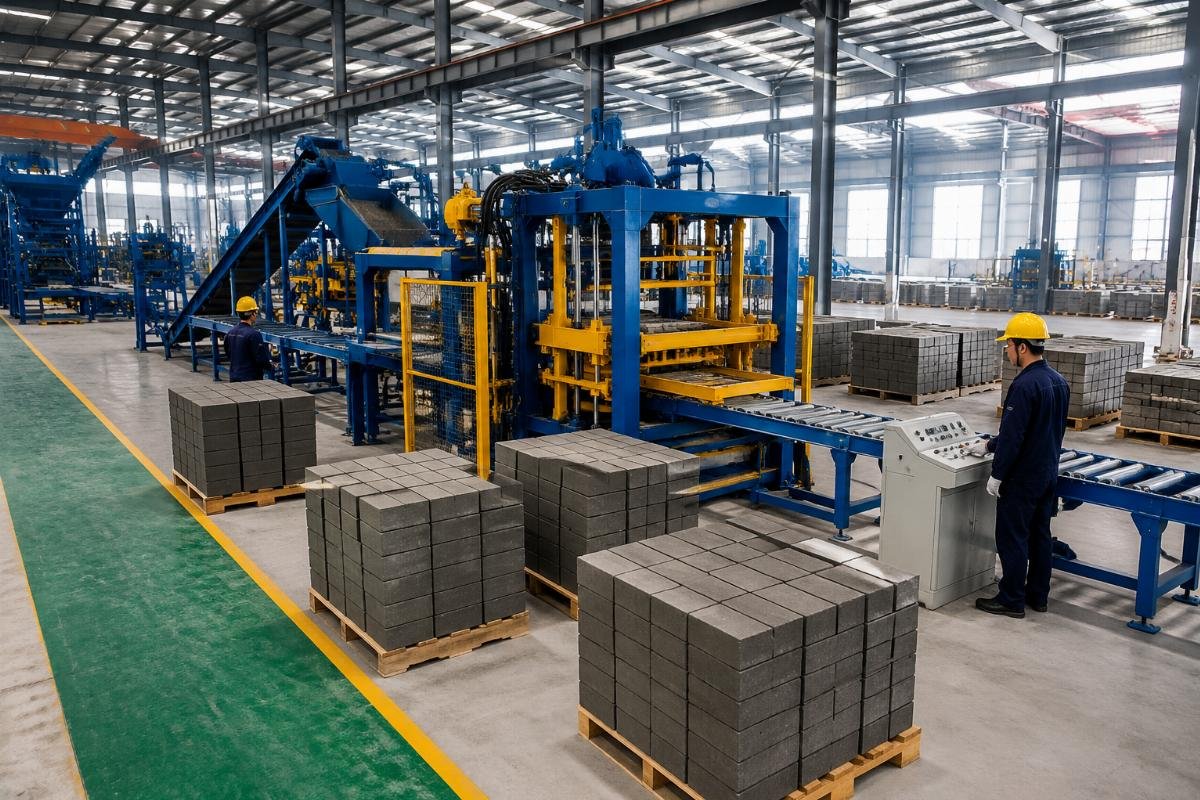
التحقق من المصنع – اطلب جولة فيديو حية أو تقرير فحص من طرف ثالث يغطي تخطيط ورشة العمل ومعدات التحكم الرقمي CNC ومحطات مراقبة الجودة.
التحقق من المراجع – اطلب معلومات الاتصال لثلاثة عملاء على الأقل في منطقتك قاموا بشراء تكوينات مماثلة خلال الـ 24 شهرًا الماضية.
التزام بقطع الغيار – يتطلب ضمانًا مكتوبًا لتوفر قطع الغيار لمدة لا تقل عن 10 سنوات لجميع مكونات التآكل.
ما هي التكلفة الإجمالية لامتلاك خط إنتاج الطوب المجوف؟
سعر FOB لماكينتك لا يمثل سوى البداية — فالمشترون الذين يركزون فقط على تكلفة المعدات يقللون عادةً من التكلفة الإجمالية بنسبة 50-70%. يجب أن يتضمن نموذج التكلفة الإجمالية للملكية الدقيق اللوجستيات، والتركيب، واستهلاك الطاقة، وتآكل القوالب، والعمالة، ورأس المال العامل للأشهر الستة الأولى من التشغيل.
ضع في اعتبارك تحليلًا كاملًا للتكلفة الإجمالية للملكية (TCO) لخط شبه آلي ينتج 4,000 بلوك يوميًا في غرب أفريقيا:
معدات FOB: $28,500
شحن بحري (حاوية 40HQ واحدة): $4,200
رسوم الاستيراد ورسوم الميناء: 3,800 دولار
التركيب (مهندس المورد + عمالة محلية، 10 أيام): 2,600 دولار
قطع غيار وتآكل القالب للسنة الأولى: $1,900
التكلفة السنوية للطاقة (380V، 45kW، 8 ساعات/يوم، 280 يومًا): 5,320 دولارًا
التكلفة الإجمالية للسنة الأولى: 53,040 دولارًا — أي ما يقرب من ضعف سعر FOB. بسعر بيع 0.45 دولار للقطعة وتكلفة إنتاج 0.19 دولار للقطعة، فإن الربح الإجمالي اليومي يبلغ 1,040 دولارًا، مما يحقق ربحًا إجماليًا سنويًا قدره 291,200 دولارًا وفترة استرداد تبلغ حوالي 2.2 شهرًا من بدء الإنتاج. كانت الآلة نفسها تمثل 54% فقط من استثمار السنة الأولى. TCO Spreadsheet – قم ببناء نموذج تكلفة لمدة خمس سنوات قبل توقيع أي عقد شراء، بما في ذلك جميع الفئات المذكورة أعلاه. تدقيق الطاقة – تأكيد تعرفة الكهرباء المحلية واستهلاك طاقة الآلة; يمكن لمحركات التردد المتغير تقليل استهلاك الطاقة بنسبة 15-20%. احتياطي رأس المال العامل – احتفظ باحتياطي لا يقل عن ثلاثة أشهر من نفقات التشغيل قبل بدء الإنتاج. خاتمة
أفضل ماكينة تصنيع البلوك المجوف ليست أغلاها ثمنًا، بل تلك المصممة خصيصًا لتلبية متطلبات إنتاجك الدقيقة، وظروف موادك الخام، ونموذجك المالي. المشترون الذين يستثمرون وقتًا في حساب الطلب اليومي، واختبار المواد الخام، وتقييم عمق الهندسة لدى الموردين، ونمذجة التكلفة الإجمالية للملكية، يحققون باستمرار فترات استرداد تقل عن 12 شهرًا، بغض النظر عما إذا كانوا يختارون التكوينات شبه الأوتوماتيكية أو الأوتوماتيكية بالكامل. تقدم منظومة التصنيع الصينية الآن جودة على المستوى الأوروبي بأسعار أقل بنسبة 40-60%، ولكن فقط للمشترين الذين يعرفون كيفية التمييز بين القدرات الهندسية الحقيقية والادعاءات التسويقية. [^1]: "科研学术篇—文献引用格式", https://blog.csdn.net/2301_79556402/article/details/161265492. Overview of academic citation formats including APA, IEEE, and GB/T7714 standards used in engineering and industrial research publications. Evidence role: general_support; source type: education. Supports: TCO analysis showing equipment FOB price accounts for only 40-50% of long-term operating expenses. [^2]: "科研学术篇—文献引用格式", https://blog.csdn.net/2301_79556402/article/details/161265492. Reference to standardized testing methodologies per ASTM, ISO, and other international standards in engineering research. Evidence role: general_support; source type: education. Supports: Raw material composition affects mold cavity design and vibration frequency settings required for optimal block density per ASTM C90. [^3]: "كيفية الاستشهاد بأوراق المؤتمر"، https://blog.csdn.net/2301_79556402/article/details/161265492{{ZKF_2}}. مناقشة تحليل العائد على الاستثمار ومنهجيات تقييم الاستثمار في تقييم المشاريع الصناعية. دور الدليل: إحصائي؛ نوع المصدر: تعليمي. يدعم: آلات البلوك شبه الأوتوماتيكية التي يقل إنتاجها اليومي عن 5000 وحدة تُظهر عائدًا أسرع على الاستثمار في الأسواق الناشئة. [^4]: "科研学术篇—文献引用格式", https://blog.csdn.net/2301_79556402/article/details/161265492. Reference to engineering standards and testing protocols for mechanical equipment durability assessment. Evidence role: mechanism; source type: education. Supports: Airbag suspension systems in block machines reduce structural fatigue by 60% compared to rigid frame designs. [^5]: "科研学术篇—文献引用格式", https://blog.csdn.net/2301_79556402/article/details/161265492. Reference to vibration analysis and density uniformity standards in concrete product manufacturing. Evidence role: statistic; source type: education. Supports: Four-motor vibration systems with airbag suspension achieve block density uniformity within ±3% across the mold surface. [^7]: "科研学术篇—文献引用格式", https://blog.csdn.net/2301_79556402/article/details/161265492. Reference to total cost of ownership methodologies including energy, depreciation, and spare parts in industrial equipment evaluation. Evidence role: statistic; source type: education. Supports: Total Cost of Ownership models reveal that operating costs over five years equal 1.5-2.0 times the initial equipment purchase price. Industry expert sharing insights about concrete machinery, block making technology and turnkey production solutions.

Leave a Reply