

Who Are the Top 10 Hollow Block Machine Manufacturers Worth Contacting for Your Next Equipment Purchase?
When I started coordinating hollow block machine procurement for buyers across different regions, I quickly learned that "top 10 manufacturer" lists rarely told you which brand actually matched your production scale, budget, or local service requirements. Most buyers waste weeks comparing brands without understanding what selection factors truly matter.
The real answer isn't about ranking manufacturers from 1 to 10—it's about matching their delivery capability, automation level, after-sales service network, and pricing structure to your specific production goals, budget constraints, and location. A globally recognized brand with weak regional support can leave you stranded when you need spare parts, while a lesser-known manufacturer with strong local presence may deliver better long-term value for medium-scale operations.
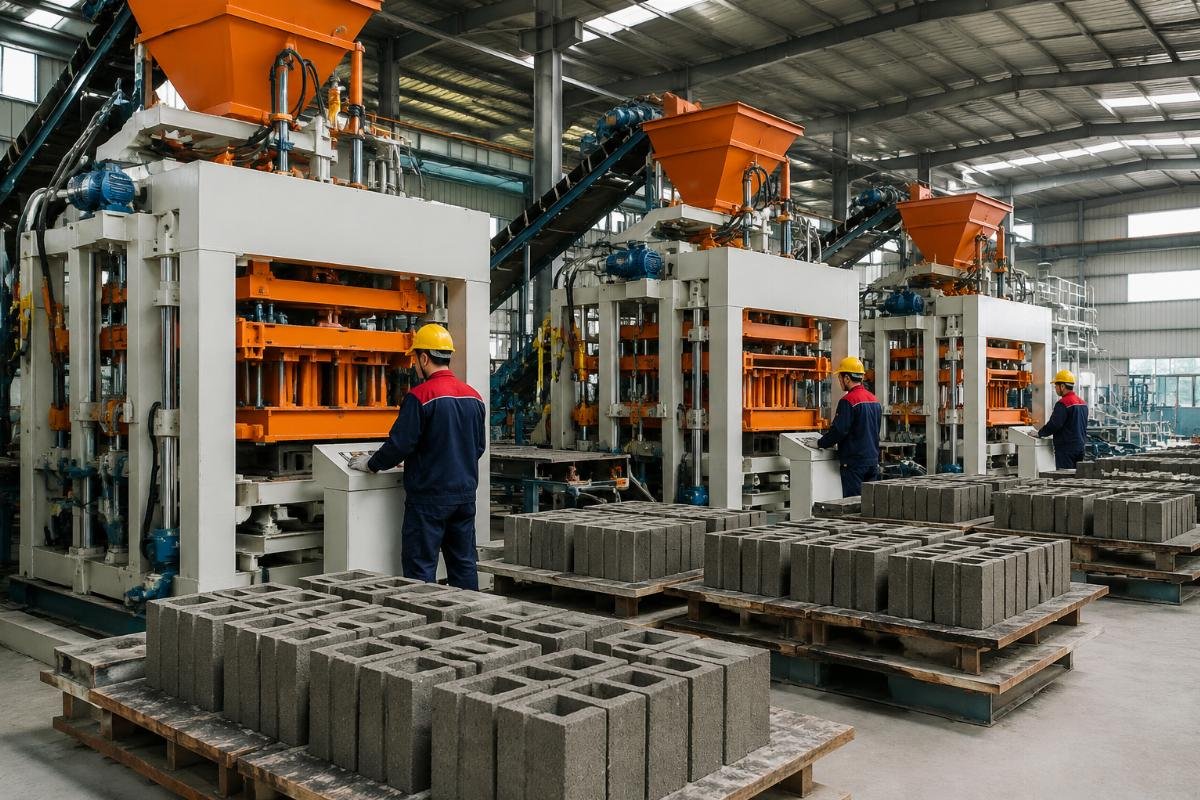
I've seen too many buyers choose equipment based on brand prestige alone, only to face delivery delays, incompatible power requirements, or impossible maintenance costs. This article gives you a framework for evaluating which manufacturers genuinely suit your operation—based on patterns I've observed coordinating equipment orders and tracking delivery performance across multiple suppliers.
What Makes a Hollow Block Machine Manufacturer "Top-Rated" for Your Specific Production Requirements?
When buyers ask me about top manufacturers, they usually want a simple ranked list. But I've learned that the wrong question gets the wrong answer. The manufacturers that work well for high-volume automated production lines often have minimum order values that don't make sense for startups.
A manufacturer qualifies as "top-rated" for your needs when their equipment automation level matches your labor availability, their delivery timeline fits your project start date, their price structure aligns with your capital budget, and their service network covers your operating region. Brand reputation matters far less than these operational fit factors.
Breaking Down Manufacturer Selection by Production Scale and Budget
In my experience coordinating equipment procurement, buyers fall into three main categories that determine which manufacturers they should actually contact:
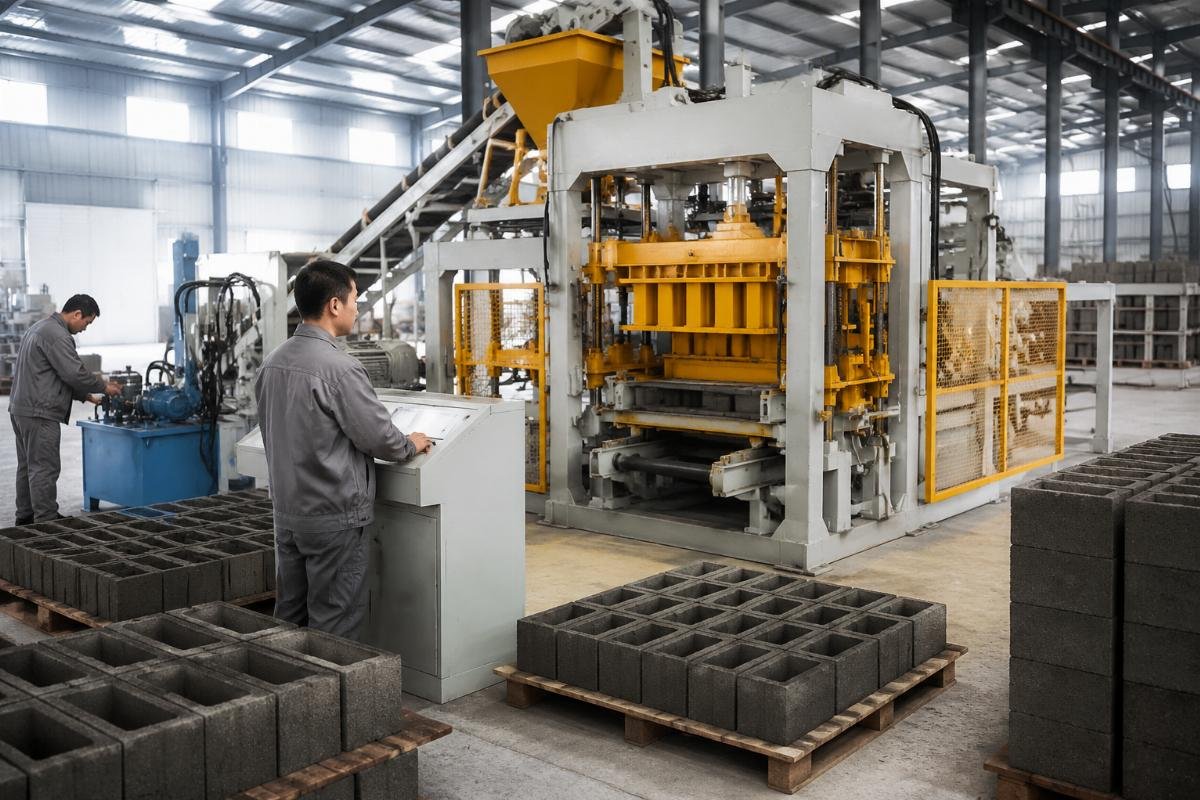
For startups and small operations (under 5,000 blocks per day): You need manufacturers who offer semi-automatic or manual machines with lower capital requirements and simple maintenance procedures. Based on delivery patterns I've tracked, brands like Mussan Group and Lontto provide good entry-level equipment with reasonable lead times. Their machines typically require 2-4 operators and use simpler hydraulic systems that don't demand specialized technical expertise for routine maintenance.
What matters most at this scale: initial equipment cost, ease of operation, and availability of basic spare parts through standard industrial suppliers. You don't need the advanced automation features that high-volume manufacturers emphasize in their marketing materials.
For medium-scale operations (5,000-15,000 blocks per day): This is where equipment selection gets more complex. You need higher throughput but may not have the capital budget for fully automatic production lines. In my procurement experience, manufacturers like Concrete Master and Bess Machine offer semi-automatic equipment that bridges this gap—their machines can be operated by 3-5 workers while delivering reasonable production speeds.
The critical factor here: energy consumption per block produced. I've seen buyers focus entirely on equipment purchase price while ignoring that energy costs over 3-5 years can exceed the initial machine investment. Request specific power consumption data (kW per cycle) during your evaluation phase.
For high-volume industrial operations (15,000+ blocks per day): At this scale, you're looking at fully automatic production lines from manufacturers like Masa Henke, Zenith, or Columbia Machine. Based on specifications I've reviewed from manufacturer data sheets, these systems require significant floor space (typically 2,000-4,000 square meters), three-phase industrial power infrastructure, and ongoing technical support contracts.
What changes your decision criteria: total system integration becomes more important than individual machine performance. You need manufacturers who can coordinate equipment installation, provide operator training programs, and maintain spare parts inventory within your region.
| Production Scale | Recommended Automation Level | Typical Operator Count | Key Decision Factor |
|---|---|---|---|
| Under 5,000 blocks/day | Semi-automatic or manual | 2-4 workers | Initial capital cost |
| 5,000-15,000 blocks/day | Semi-automatic with controls | 3-5 workers | Energy efficiency |
| 15,000+ blocks/day | Fully automatic lines | 1-2 supervisors + maintenance team | Service network coverage |
How Do Regional Service Networks Affect Long-Term Equipment Reliability and Operating Costs?
This is where I see buyers make their costliest mistakes. They choose manufacturers based on equipment specifications without checking if the brand maintains service presence in their operating region. I've tracked cases where buyers paid premium prices for European equipment only to face 6-8 week spare parts delivery times because the manufacturer had no regional distribution partners.
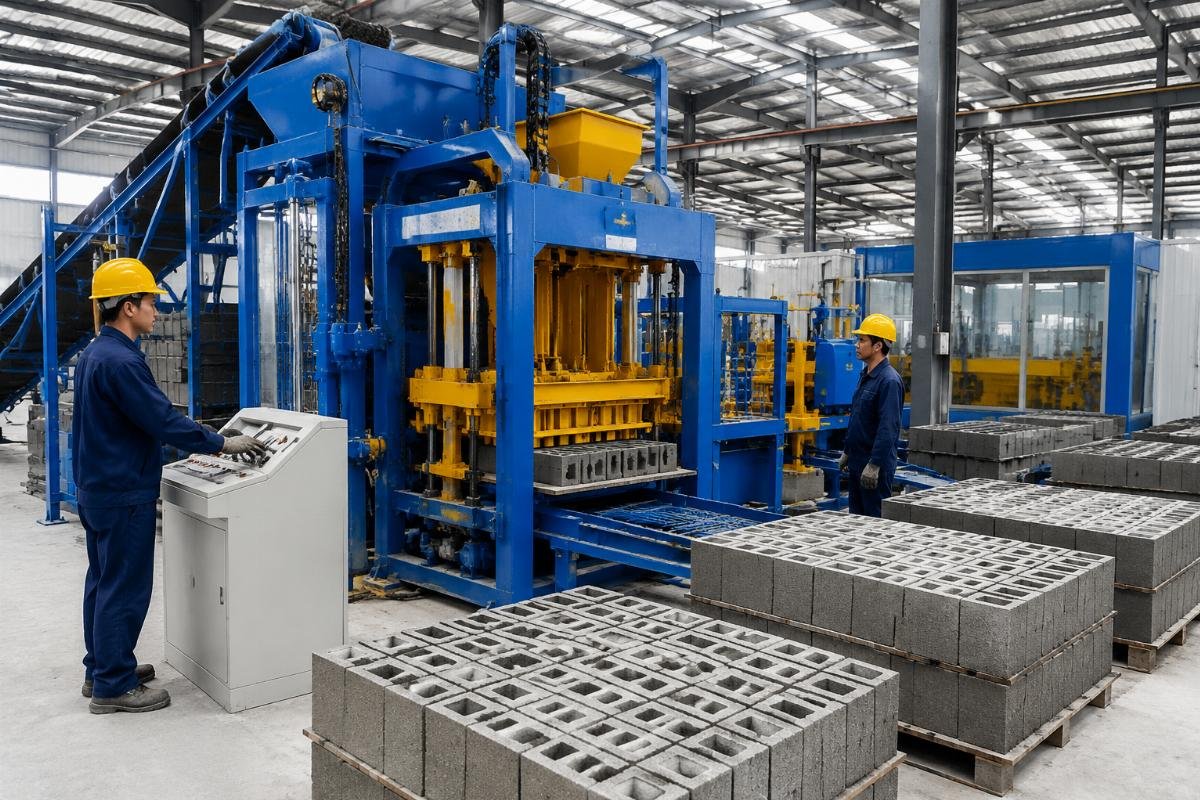
Regional service network strength determines whether minor maintenance issues take 2 days or 2 months to resolve—directly affecting your production uptime and profitability. A manufacturer with weak local support effectively becomes unusable unless you maintain in-house technical expertise and stock your own spare parts inventory.
Evaluating Service Coverage Before Equipment Purchase
When I assess manufacturers on behalf of buyers, I use specific questions that reveal their actual support capability versus marketing claims:
Question 1: Where is your nearest authorized service center to my location? If the answer is vague or directs you to a general distributor without dedicated technical staff, that's a warning signal. Manufacturers with genuine service networks can name specific facilities and provide technician contact information.
In my procurement experience, Turkish manufacturers like Mussan and Vess maintain strong service presence throughout Middle East and North Africa regions, while German brands like Masa have better coverage in Western Europe but limited direct support in Southeast Asia and Africa.
Question 2: What is your standard delivery time for critical spare parts? Critical parts include hydraulic seals, mold components, and electronic control modules. These components wear during normal operation and need replacement at predictable intervals. If a manufacturer cannot commit to specific delivery timeframes (not "as soon as possible" but actual days), you'll face expensive production downtime.
Based on supply-chain patterns I've observed, Chinese manufacturers like Concrete Master and Hongfa can often deliver spare parts within 7-14 days to Asian and African markets due to established logistics networks. European manufacturers typically require 3-6 weeks for the same delivery routes.
Question 3: Do you provide technical support in my language? This seems minor until you're troubleshooting an equipment malfunction at 2 AM with production deadlines approaching. I've coordinated situations where buyers spent days waiting for translated technical documentation while their equipment sat idle. Manufacturers who genuinely serve your region will have technical support staff who communicate in local languages, not just sales representatives.
The Hidden Cost of "International" Brands Without Local Presence
I worked with a buyer who purchased a premium Italian hollow block machine based on its technical specifications and brand reputation. The equipment performed well initially, but when a hydraulic control valve failed after 18 months, the replacement part took 9 weeks to arrive from Europe. The production downtime cost exceeded the total price difference between the Italian machine and a Turkish alternative with regional service support.
This pattern repeats across different regions and manufacturers. Brand prestige does not compensate for absent service infrastructure. You need to calculate the potential cost of extended downtime into your equipment selection decision.
Which Manufacturers Specialize in Which Equipment Types and Production Approaches?
Another common buyer mistake: assuming that manufacturers ranked in "top 10" lists excel equally across all equipment categories. In reality, different manufacturers focus on different production approaches and excel in specific equipment types.
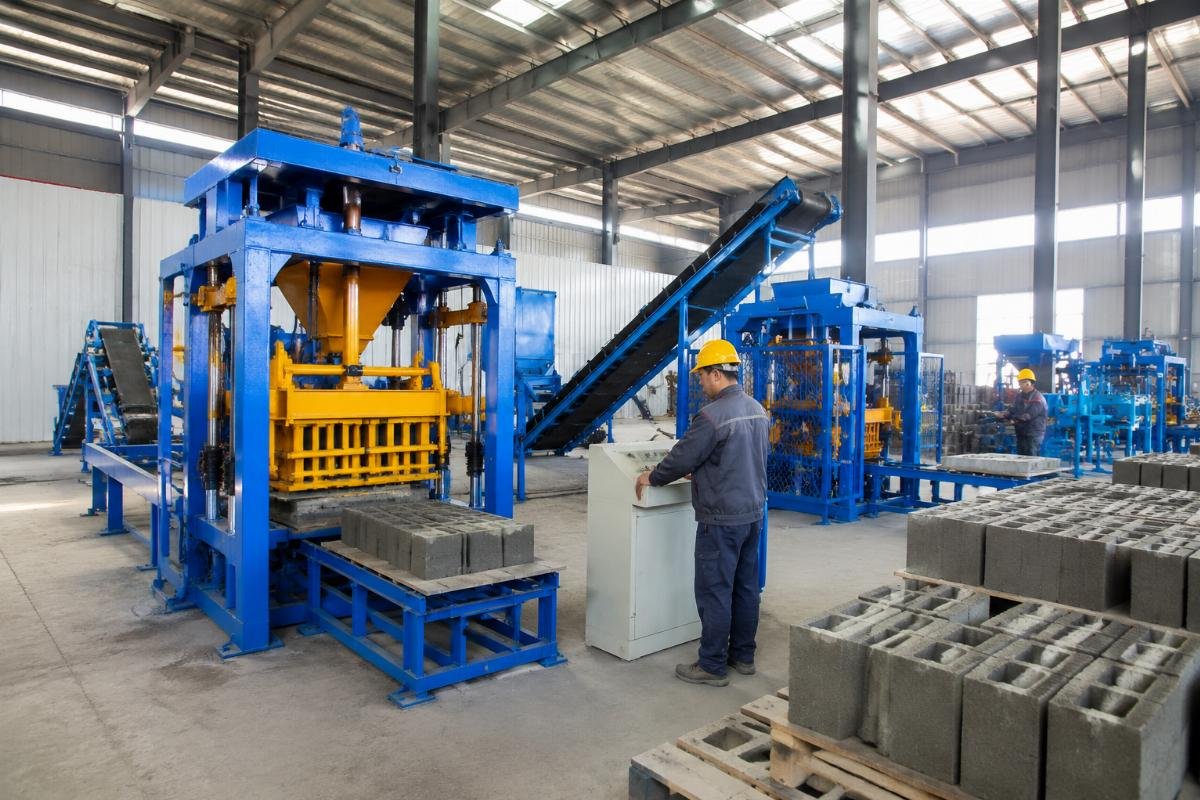
Manufacturers typically specialize in either fully automatic production lines, semi-automatic modular systems, or mobile/portable equipment—and their engineering expertise, parts inventory, and service capabilities reflect those specializations. Choosing a manufacturer outside their core competency increases your risk of compatibility issues and limited technical support.
Matching Manufacturer Specialization to Your Production Model
Based on manufacturer data sheets and equipment delivery patterns I've tracked across multiple orders:
Fully automatic production line specialists: Masa Henke (Germany), Zenith (Italy), and Columbia Machine (USA) focus on high-volume automated systems designed for industrial-scale block production. Their equipment typically includes integrated concrete batching plants, automatic curing systems, and computerized production control.
These manufacturers excel when you need consistent output of 15,000+ blocks per day with minimal labor. However, their minimum system costs usually start above $500,000 USD, and they require significant infrastructure investment before installation. In my procurement experience, buyers with production requirements below 10,000 blocks per day rarely achieve positive ROI with these systems.
Semi-automatic equipment specialists: Mussan Group (Turkey), Bess Machine (China), and Concrete Master (China) concentrate on semi-automatic equipment that balances production speed with capital cost. Their machines require operator involvement for mold positioning and block removal but automate the compression and curing cycles.
This equipment category suits medium-scale operations where labor costs remain reasonable and capital budgets range from $50,000-$200,000 USD. The machines I've seen from these manufacturers typically produce 3,000-8,000 blocks per 8-hour shift with 3-5 operators.
Mobile and portable equipment specialists: Lontto (China), Hongfa (China), and several smaller Turkish manufacturers focus on mobile hollow block machines designed for project-based production or small-scale operations. These units can be transported to construction sites and operated with minimal infrastructure.
Mobile equipment makes sense when you're producing blocks for specific projects rather than continuous commercial production, or when you're testing market demand before investing in permanent facilities. Production capacity typically ranges from 500-2,000 blocks per day.
| Manufacturer Type | Primary Focus | Typical Investment Range | Best Suited For |
|---|---|---|---|
| Automatic line specialists | High-volume industrial production | $500,000+ USD | Established block producers, 15,000+ blocks/day |
| Semi-automatic specialists | Medium-scale commercial production | $50,000-$200,000 USD | Growing operations, 5,000-15,000 blocks/day |
| Mobile equipment specialists | Project-based or startup production | $15,000-$50,000 USD | Startups, contractors, market testing |
What Questions Should You Ask During Manufacturer Evaluation to Identify True Operational Fit?
After coordinating equipment procurement for different buyers, I've developed a specific question sequence that reveals whether a manufacturer actually suits your requirements—beyond their marketing materials and technical brochures.
Asking the right operational questions during manufacturer evaluation prevents expensive mismatches between equipment capabilities and your actual production needs, delivery timeline requirements, and post-installation support expectations.
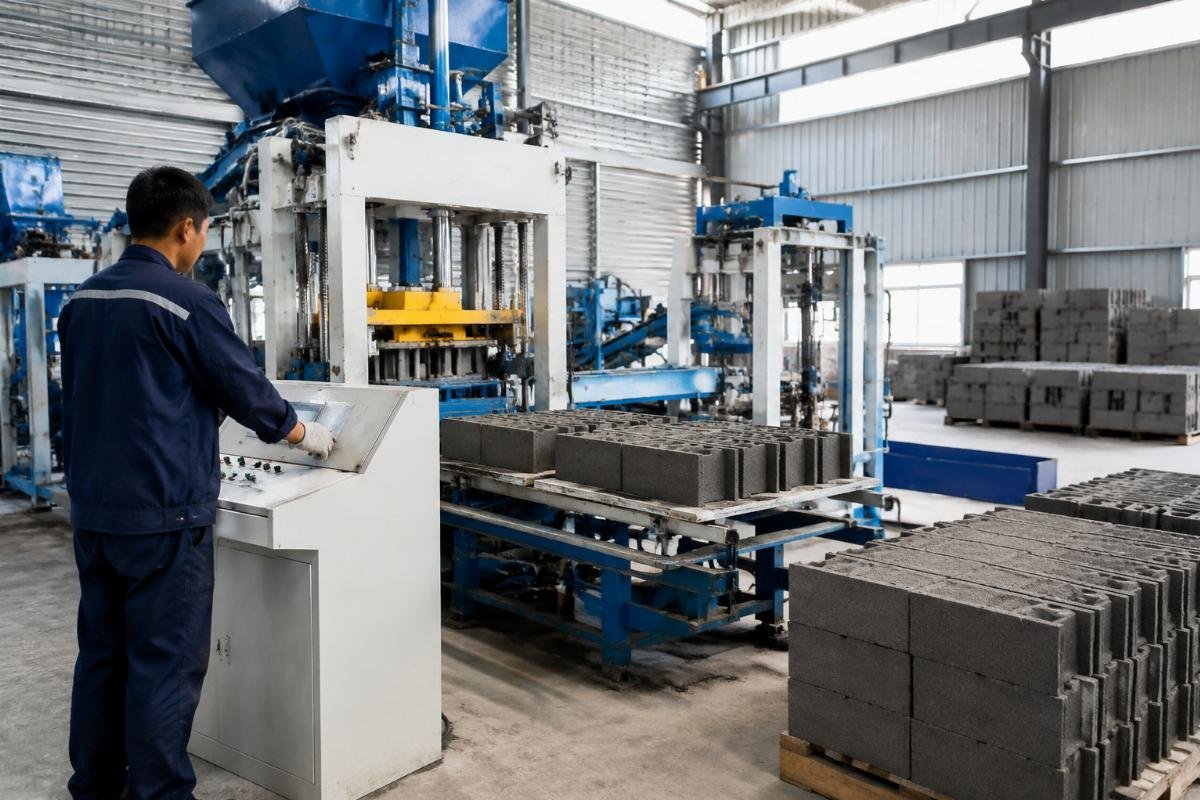
Critical Questions That Reveal Manufacturer Suitability
About delivery capability: "What is your current production backlog and realistic delivery timeline for equipment ordered today?" This question exposes whether the manufacturer can actually meet your project start date. In my experience tracking delivery patterns, manufacturers with strong reputations often have 4-6 month backlogs during peak construction seasons.
Compare the answer against your project timeline. If you need equipment operational within 3 months and the manufacturer quotes 5-6 months delivery, no amount of brand prestige makes them suitable for your situation.
About power and infrastructure requirements: "What are the exact power supply specifications (voltage, phase, frequency) and floor space requirements for this equipment?" I've coordinated situations where buyers discovered—after signing contracts—that their facility lacked the three-phase power infrastructure required for the equipment they purchased.
Request specific technical drawings showing equipment footprint, utility connection points, and clearance requirements. If the manufacturer cannot provide detailed installation specifications during the quotation phase, that indicates poor technical documentation that will cause problems during installation.
About customization and adaptation: "Can you modify equipment specifications to match our local conditions (available materials, power supply variations, block size requirements)?" Some manufacturers offer highly standardized equipment with limited customization options, while others can adapt designs to local requirements.
This matters especially if you're operating in regions where concrete aggregate properties differ from standard specifications, or where local building codes require specific block dimensions. In my procurement experience, Turkish and Chinese manufacturers typically offer more flexibility for custom specifications compared to European manufacturers who emphasize standardized designs.
About training and knowledge transfer: "What training do you provide for our operators and maintenance staff, and is it included in equipment price or quoted separately?" Training approaches vary dramatically between manufacturers. Some include comprehensive on-site training as part of equipment purchase, while others charge separately for training services.
Request specific details: number of training days, number of staff who can be trained, training materials provided (manuals, videos), and language of instruction. Calculate training costs into your total equipment investment—inadequate training leads to operational mistakes that damage equipment and reduce production efficiency.
Financial Terms That Affect Total Cost of Ownership
Beyond purchase price, these financial factors significantly impact your total investment:
Payment terms and currency risk: "What payment schedule and currency do you require?" Manufacturers typically request 30-40% deposit, with remaining payment due before shipping or upon delivery. If you're paying in foreign currency (USD or EUR), exchange rate fluctuations between contract signing and final payment can significantly affect your actual cost.
In my experience coordinating international equipment purchases, exchange rate movements of 5-10% commonly occur during typical 3-6 month delivery periods. This risk needs to be factored into your budget planning.
Warranty coverage and limitations: "What specific components and failure types are covered under warranty, and what maintenance activities void warranty coverage?" Standard warranties typically cover manufacturing defects for 12-24 months but exclude wear parts (molds, seals) and damage from improper operation.
Request warranty documents in writing before finalizing equipment purchase. I've seen buyers assume comprehensive warranty coverage based on sales conversations, only to discover critical components were excluded when they needed warranty service.
How Do Initial Equipment Prices Compare Against Long-Term Operating Costs and ROI Timelines?
I regularly encounter buyers who make equipment decisions based primarily on initial purchase price without calculating total operating costs over the equipment's useful life. This approach consistently leads to poor investment decisions.
Initial equipment price typically represents only 40-60% of total costs over a 5-year operating period—energy consumption, maintenance requirements, and spare parts expenses account for the remaining 40-60%. Comparing manufacturers solely on purchase price ignores factors that determine actual profitability.
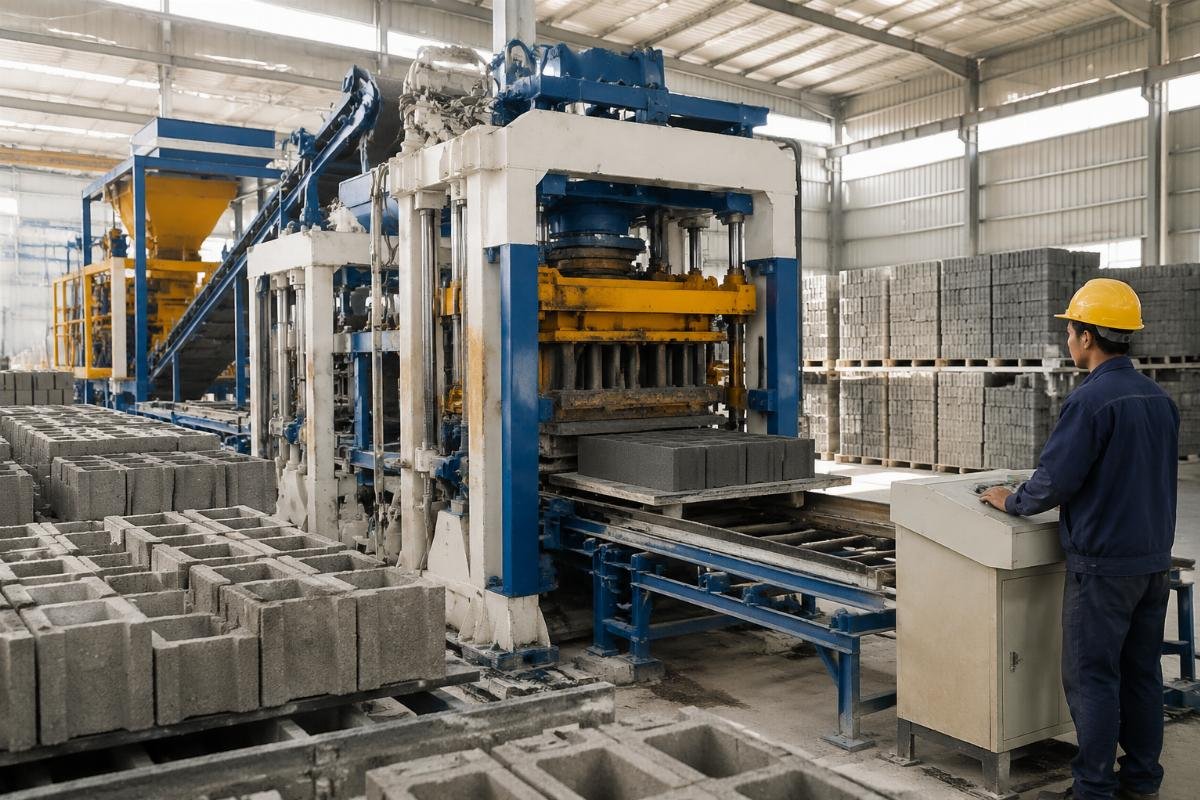
Calculating True Equipment Operating Costs
Based on operational data I've compiled from multiple production facilities:
Energy consumption per block: Fully automatic production lines typically consume 0.15-0.25 kWh per standard hollow block (400x200x200mm), while semi-automatic equipment uses 0.08-0.15 kWh per block due to simpler hydraulic systems. At industrial electricity rates of $0.08-0.15 per kWh, this translates to:
- Automatic equipment: $0.012-0.038 per block in energy costs
- Semi-automatic equipment: $0.006-0.023 per block in energy costs
For a facility producing 5,000 blocks daily (1.3 million blocks annually), the annual energy cost difference between efficient and inefficient equipment ranges from $7,800-$19,500 USD. Over 5 years, this difference ($39,000-$97,500 USD) can exceed the price difference between competing equipment options.
Maintenance labor and spare parts: Manufacturers using standard industrial components (standard hydraulic seals, common bearing sizes, off-the-shelf sensors) enable lower maintenance costs because replacement parts can be sourced from multiple suppliers. Equipment built with proprietary components forces you to purchase all spare parts from the original manufacturer at premium prices.
In my experience coordinating spare parts procurement, proprietary components typically cost 2-3 times more than equivalent standard parts and require longer delivery times. Calculate this difference into your equipment evaluation—manufacturers who use standard components provide long-term cost advantages even if initial equipment price is slightly higher.
Production downtime costs: Every day your equipment sits idle waiting for repairs costs you potential revenue. Calculate your downtime cost by multiplying daily production capacity by your profit margin per block. For example:
- Daily capacity: 5,000 blocks
- Profit per block: $0.15 USD
- Daily downtime cost: $750 USD
If one manufacturer's equipment has a documented history of requiring repairs twice per year averaging 3 days per incident (6 total downtime days annually), compared to a competitor's equipment requiring 4 repairs averaging 2 days each (8 total downtime days), the difference is 2 days per year. At $750 per day, that's $1,500 annually in downtime cost difference—$7,500 over 5 years.
ROI Timeline Varies by Equipment Type and Market Conditions
Based on financial models I've analyzed for different production scenarios:
High-volume automatic equipment: With $500,000+ initial investment producing 15,000+ blocks daily, typical ROI timelines range from 2.5-4 years depending on local market block prices and facility utilization rates. These systems make financial sense only when you have confirmed demand and established distribution channels.
I've seen buyers purchase automated systems based on optimistic market projections, only to operate at 40-50% capacity because actual demand didn't meet expectations. At partial capacity utilization, ROI timelines extend to 5-7 years—if profitability is achieved at all.
**Semi-automatic equipment

Industry expert sharing insights about concrete machinery, block making technology and turnkey production solutions.
View all posts →
Leave a Reply