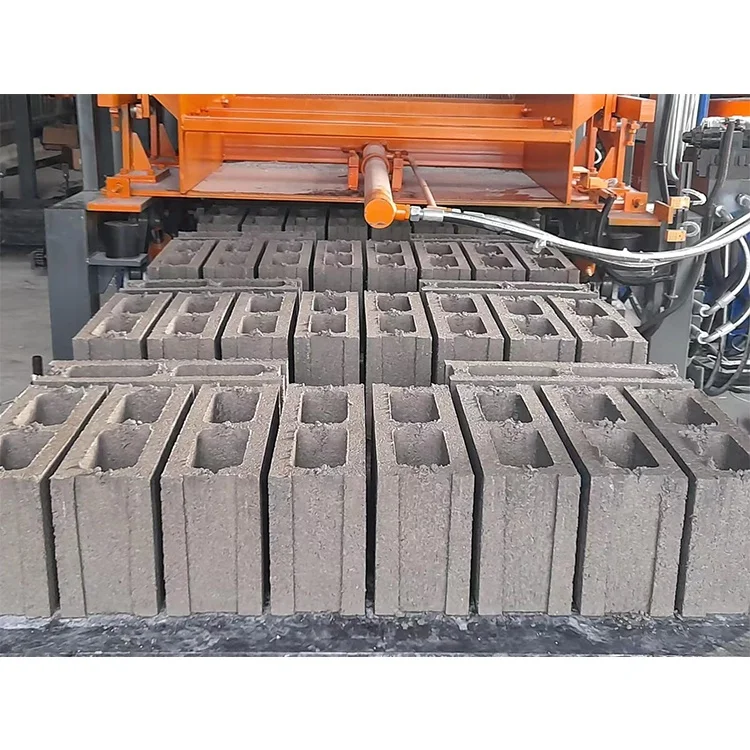
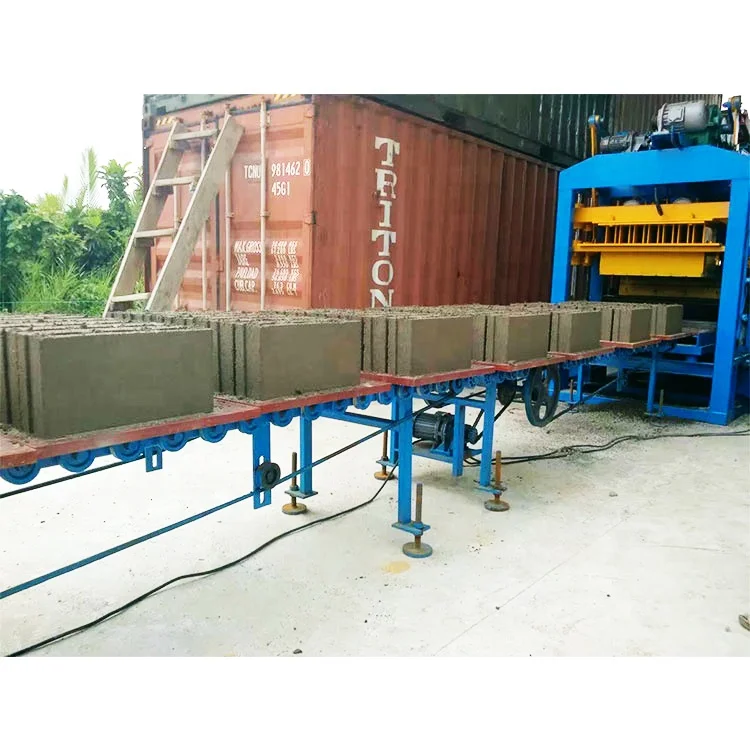
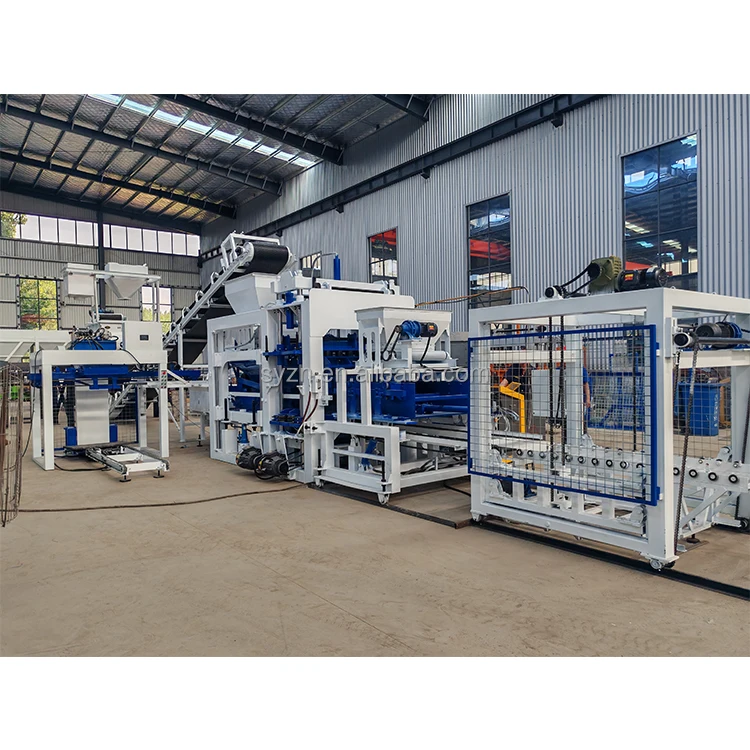
Single-focus block machinery — every component from the QT6-15 press to its pallet feeder is specified as one matched system rather than sourced separately.
Technical Specifications
| Parameter |
Value |
| Model |
QT6-15 |
| Product Type |
Hydraulic Concrete Block Making Machine |
| Overall Dimensions |
7400 x 1900 x 2660 mm |
| Molding Cycle |
15-25s (basis not stated in source) |
| Vibration Frequency |
4600 r/min |
| Exciting Power (Vibration Force) |
40-50 KN |
| Total Power |
31.25 kW |
| Mixer Model |
JQ350 |
| Pallet Size |
850 x 550 x 25 mm |
| Total Weight |
7 T |
| Control System |
PLC control system |
| Hydraulic Station |
Included |
| Included Equipment |
Block making machine, hydraulic station, PLC control system, pallet feeder, brick conveyor, block sweeper |
| Production Capacity (Hollow block 400200200mm) |
9,600-13,440 pcs/8hr (based on 15-20s cycle) |
| Production Capacity (Solid brick 24011553mm) |
16,200-19,440 pcs/8hr (based on 15-20s cycle) |
| Applied Products |
Paver, solid brick, hollow block, curbstone |
| Raw Materials |
Crushed stones, sand, cement, dust, fly ash |
| CE Certification |
(verify for this specific model) |
Application Suitability
| Application Scenario |
Typical Material / Format |
| First-time block plant setup |
Standard hollow blocks (400x200x200mm) from local aggregate and cement |
| On-site production for housing projects |
Solid bricks (240x115x53mm) and hollow blocks from crushed stone and sand |
| Expanding a distributor’s product range |
Paving blocks and curbstones with dedicated mould changes |
| Mid-tier plant stepping up from manual |
Various formats supported by the 850x550mm pallet footprint |
Why Cycle Time Quotes Without Format Details Mislead Buyers
A molding cycle means nothing unless you know which block format was assumed when it was measured.
Sellers often advertise a single cycle time figure that only holds true for a specific, usually thin or small, product format. When a buyer installs the machine expecting that speed for a dense, full-size hollow block, the actual output drops noticeably [NEED_CITE: block format impact on molding cycle time]. With this QT6-15 hydraulic block making machine manufacturer configuration, the stated 15-25 second range must be verified against your exact block thickness and local mix design before you base your daily production plan on it.

Where the QT6-15 Sits in the Full Range
The QT6-15 occupies the mid-tier of the hydraulic block machine lineup, aimed at buyers moving beyond small manual or egg-laying machines but not yet ready for a high-capacity fully automatic line. Its footprint and power draw suit a dedicated block yard rather than a large industrial plant. This tier typically serves as the entry point for entrepreneurs and small contractors who need consistent output across multiple formats without the investment of a top-tier press.
Understanding the Automation Level You Are Getting
This machine ships as a hydraulic press with PLC control and a pallet feeder, meaning the molding and pallet delivery are mechanized while block handling after the conveyor may still require manual labor or separate stacking equipment. Buyers upgrading from a completely manual process will see a significant reduction in labor per block [NEED_CITE: automation level and labor requirements in block production]. The configuration allows you to add automatic stacking or cubing later, but those stations are not included in the standard QT6-15 package and must be specified separately.
How Vibration Force and Pallet Size Shape Your Output
The 40-50 KN exciting power works in tandem with hydraulic pressure to compact the mix into the mould cavity; insufficient force leads to low block density and poor curing strength, while excessive force can damage mould linings over time. The 850 x 550 mm pallet size dictates the maximum block layout per cycle and must align with your existing curing racks and forklift dimensions — ordering a machine whose pallets do not fit your curing area creates a bottleneck that no amount of press speed can fix. The JQ350 mixer paired here is sized to feed the press without starvation under typical cycle conditions, though a denser mix may require a larger mixer or adjusted batching intervals.
The Hidden Cost of Overlooking Voltage and Language Before Shipment
Arriving at a job site to find the PLC display is in a language your operator cannot read wastes days before production begins. Voltage mismatches between the machine’s configured 50/60 Hz electrical system and the local grid can burn out the 31.25 kW motor or the hydraulic station’s solenoid valves on first startup [NEED_CITE: industrial voltage and frequency standards by region]. Confirming the control language, voltage, and phase during the quotation stage — not after the container is loaded — prevents costly on-site delays and component replacements.
Why Sourcing the Line as One System Matters
Block machinery built around a single supplier’s specifications ensures the pallet feeder timing matches the press cycle, the conveyor speed matches the sweeper, and the hydraulic station pressure curve is tuned for the mould set you actually ordered. When these components come from separate sources, integration delays and finger-pointing between vendors become common. The QT6-15 package includes the hydraulic station, PLC, pallet feeder, brick conveyor, and block sweeper as a matched set, reducing commissioning friction. Spare wear parts lists and mould drawings are provided against the specific configuration shipped, so your first replacement order is accurate.
Documentation & Verification
- Line layout drawing with pallet flow and curing rack spacing for the 850x550mm format
- Capacity calculation sheet stating the exact block format and mix ratio assumed
- Factory test record showing molding cycle on your specified product before dispatch
- Hydraulic and electrical schematics matched to your confirmed voltage and frequency
- Mould drawing set covering the formats you confirmed during the quotation stage
- Operation manual in your specified PLC display language
Installation, Commissioning & Support
- Foundation plan sized for the 7400 x 1900 mm machine footprint and 7 T operating weight
- Dedicated electrical circuit rated for the 31.25 kW total power draw at confirmed voltage
- Machine arrives in container-load configuration requiring on-site reassembly and leveling
- PLC parameter setup and hydraulic pressure calibration during initial commissioning visit
- Operator training covering mould change procedure and pallet feeder timing adjustment
- Wear parts list with recommended stock levels for the first operating year
What to Include in Your Inquiry
Provide your target block format and dimensions, the daily output you need to meet your sales commitments, and the local aggregate type you plan to use in the mix. Specify your site’s available voltage, phase, and frequency, along with the preferred PLC display language. Let us know whether your existing curing area and material handling equipment are compatible with the standard 850 x 550 mm pallet, or if an alternative pallet size is required.
Frequently Asked Questions
Q: How is the QT6-15 positioned within the full SHIYUE block machine range?
A: It sits in the mid-tier hydraulic category, above small semi-automatic and mobile egg-laying machines but below the high-capacity fully automatic lines. This tier targets buyers who have outgrown manual production and need consistent multi-format output without the footprint and investment of a large-scale plant setup.
Q: What is the realistic daily output for my specific block format?
A: Output depends entirely on the block format, mix design, and local aggregate properties. The quoted capacities assume a 15-20 second cycle for specific formats like the 400x200x200mm hollow block. Your actual daily figure will differ once we confirm your exact product dimensions and test the mix on our equipment.
Q: What plant footprint is required for this tier of machine?
A: The press itself measures 7400 x 1900 mm, but you must account for the mixer area, pallet return path, curing rack storage, and forklift maneuvering space. A complete layout drawing showing all stations and material flow paths is provided during the proposal stage based on your site dimensions.
Q: Can I start semi-automatic and upgrade automation later?
A: Yes, the QT6-15 configuration can be specified with manual block handling initially, and automatic stacking or cubing stations can be added in a later phase. The PLC control architecture supports these additions without replacing the main press or hydraulic station.

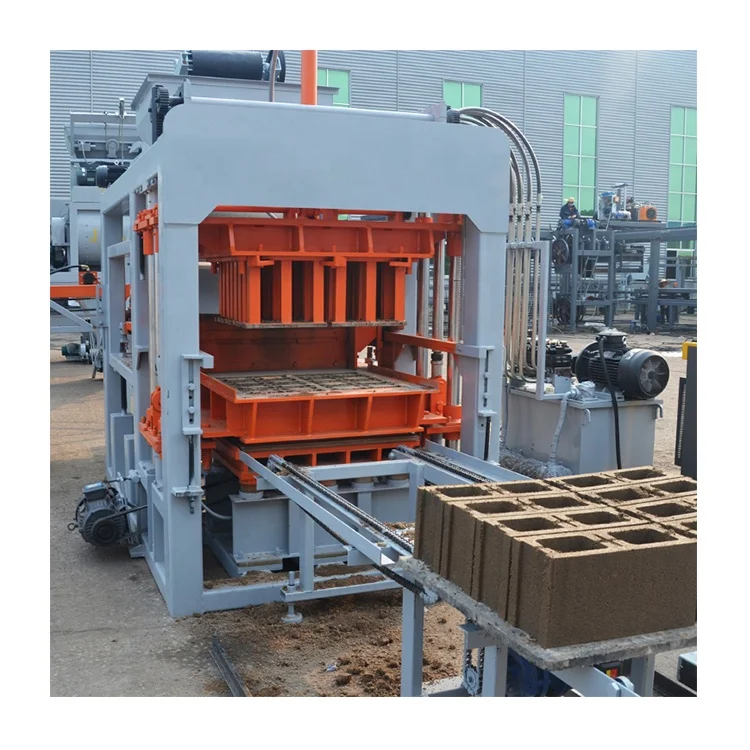
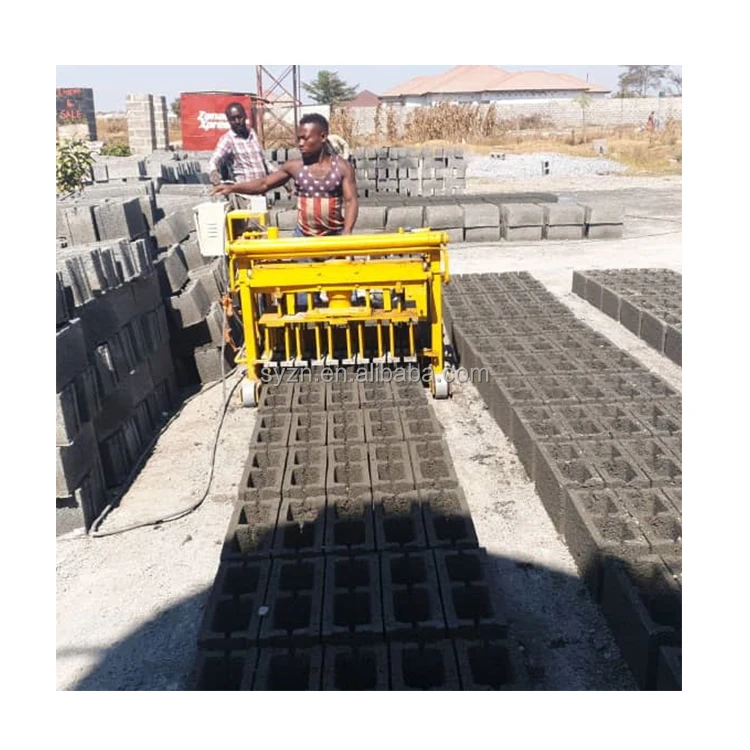 High quality block machine