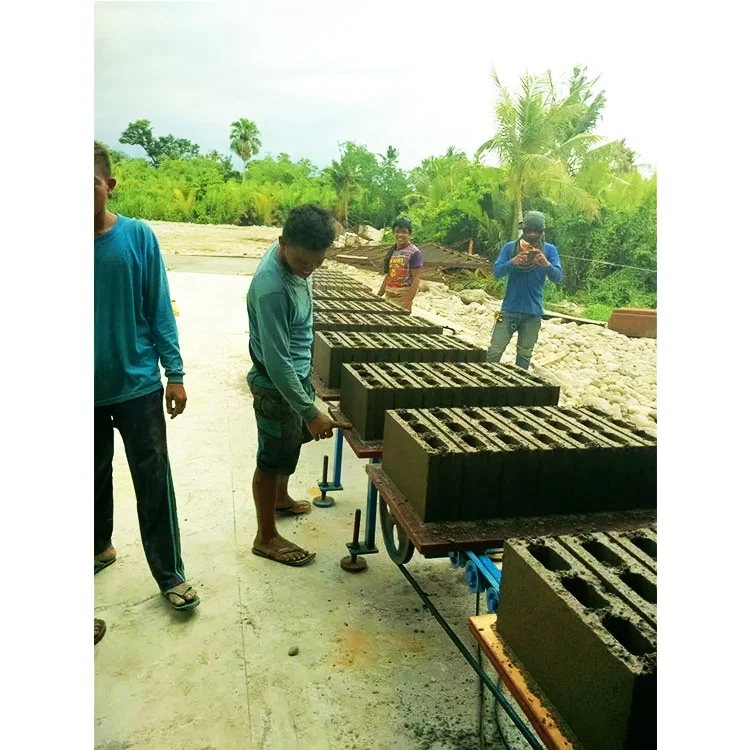
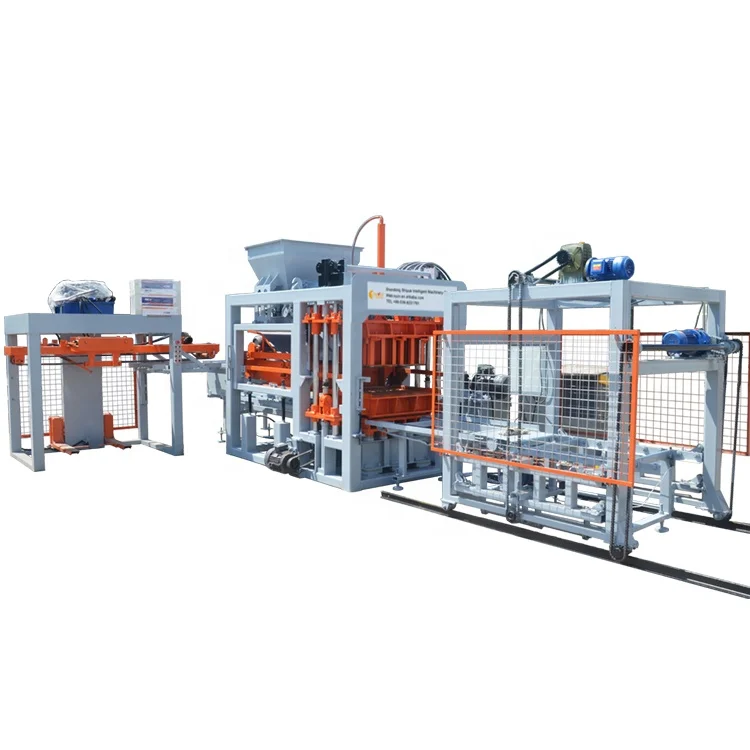
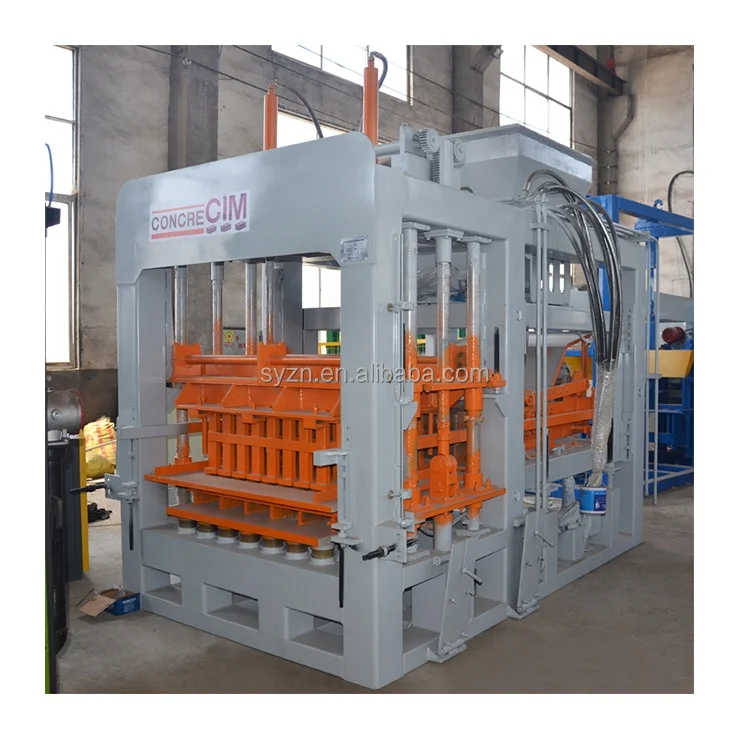
Single-Focus Machinery Supply — The QMY4-30 mini block making machine is specified as one integrated unit with matching mould, pallet, and power configuration rather than sourced from fragmented suppliers.
Technical Specifications
| Parameter |
Value |
| Model |
QMY4-30 |
| Product Type |
Mini Mould Vibration Block Making Machine |
| Overall Dimensions (L×W×H) |
1300 x 1500 x 1000 mm |
| Total Mass |
950 kg – 1000 kg |
| Vibration Method |
Mold Vibration |
| Vibration Force |
28.6 kN |
| Excitation Frequency |
4500 r/min |
| Total Power |
5.95 kW |
| Molding Cycle |
30 s |
| Output Capacity |
3000 pcs/day (8 hours) (basis not stated in source — confirm block format / material / thickness) |
| Raw Material |
Concrete, sand, cement, fly ash, lime, gypsum, stone dust, slag, mine tailings |
| Automation Level |
Manual / Semi-automatic (handle-operated mould and vibration) |
| Mould Format |
Customizable (buyer design accepted) |
| Stacking Method |
Manual |
Application Suitability
| Application |
Material or Output |
| Small-scale solid block production |
River sand, stone dust, cement blends |
| On-site contractor block making |
Locally sourced aggregate, construction waste |
| Raw earth brick workshops |
Clay, lime, sandrock, fly ash |
| Remote or start-up plant operation |
Desert, coastal, mountainous area aggregates |
Why "3000 Pieces Per Day" Requires a Format Conversation
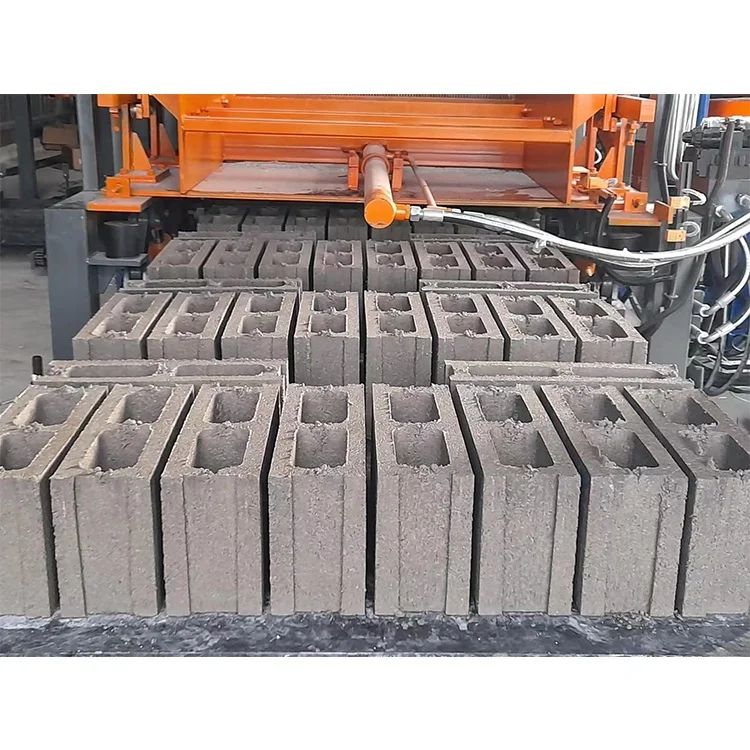
The QMY4-30 mini block making machine for sale delivers different actual outputs depending on which block format you choose to run.
Capacity sheets often list a single daily figure without stating whether that number assumes a small solid brick, a 4-inch hollow block, or a paving stone. A 30-second molding cycle means something very different when each mould drop produces four hollow blocks versus twelve pavers. I have watched buyers compare machines on a single headline number and end up disappointed on day one because their primary product format was never part of that calculation. Asking which format was assumed before you commit to an order is the only way the QMY4-30 mini block making machine for sale can be compared honestly against larger tiers in the range [NEED_CITE: block output calculation methods by format and mould cavity count].
Where the QMY4-30 Sits on the Range
The QMY4-30 occupies the entry tier of the full machine lineup. It is built for buyers who need to produce blocks but do not yet have the workshop space, capital allocation, or daily volume requirement to justify a semi-automatic or fully automatic press. The compact footprint — just over one meter in any direction — fits inside small workshops and temporary site shelters where larger machines cannot go.
When Stepping Up Becomes Necessary
If your daily demand consistently exceeds what a single 30-second manual cycle can deliver across your primary format, the next tier introduces hydraulic pressure, larger pallet sizes, and automatic pallet feeding. Those additions remove the operator from the cycle loop and shorten the time between drops. The decision point is usually reached when a second shift becomes the only way to hit volume targets on the QMY4-30 mini block making machine for sale, making the step to a semi-automatic model the more economical path [NEED_CITE: labor cost and shift planning for manual versus semi-automatic block lines].

Reading the Vibration and Power Numbers
The 28.6 kN vibration force at 4500 r/min is concentrated on the mould itself rather than the full table. This mould-vibration approach works well for small-format blocks where compaction must happen within a tight cavity. The 5.95 kW total power draw keeps electrical infrastructure requirements low — a critical consideration in remote sites or first-time plants where upgrading the incoming supply would add significant cost before production even starts. The manual handle operation means no PLC training is required, which reduces the learning curve for operators who have never run a block press before.
The Cost of Skipping the Pallet Conversation
Buyers who focus only on the press often discover after delivery that their curing area and forklift are incompatible with the pallet size the machine requires. Pallets that do not match existing racking systems force a complete rethinking of the curing yard layout. Manual stacking without a planned pallet flow also creates a bottleneck that no amount of press speed can fix [NEED_CITE: block plant pallet handling and curing yard compatibility].
Why Sourcing the Full Configuration Here Matters
Block machinery is the sole focus of this supply operation, meaning the QMY4-30 is not assembled from mismatched components. The mould is matched to the vibration force and the buyer’s target format. Configuration is set against the actual mix design and local aggregate, not a default catalogue setting. Custom moulds can be designed from buyer drawings. Voltage, frequency, and control language are confirmed before production begins. Installation and commissioning support with operator training is part of the process, and wear parts plus mould replacements remain available beyond the first shipment.
Documentation & Verification
- Line layout showing QMY4-30 footprint and operator clearance zones
- Capacity calculation sheet stating assumed block format for the 3000 pcs/day figure
- Mould drawing and format list confirming compatible block dimensions
- Voltage, frequency, and electrical configuration confirmation document
- Factory test record on buyer’s specified mix before dispatch
- Operation and maintenance manual with wear parts schedule
Installation, Commissioning & Support
- Verify floor level and load capacity for the 950–1000 kg total mass
- Confirm incoming supply matches the 5.95 kW draw and local voltage standard
- Machine arrives as a single compact unit requiring minimal on-site assembly
- First-cycle commissioning includes vibration force and frequency verification
- Operator training covers handle operation, mould change, and daily maintenance
- Mould and hydraulic wear parts list provided for first reorder planning
Before You Send an Inquiry
To receive an accurate configuration proposal, share your primary block format and its dimensions, your target daily output for that specific format, the raw materials you plan to source locally, and the voltage and frequency standard at your site. If you already have pallets, racking, or a forklift in your curing yard, include those dimensions so the proposal accounts for the full workflow.
Frequently Asked Questions
Q: How does the daily output change between hollow block, solid block, and paver formats?
A: Each format uses a different mould with a different number of cavities per drop. A 30-second cycle on a mould producing four hollow blocks yields far fewer pieces per hour than the same cycle on a paver mould producing twelve units. The quoted output figure must always be traced back to a specific format to be meaningful.
Q: When should I consider moving past the QMY4-30 to a semi-automatic model?
A: The typical signal is when you need to add a second shift to meet daily demand, or when manual pallet handling and stacking start creating bottlenecks that slow the press. A semi-automatic model removes the operator from the cycle loop and adds automatic pallet feeding, which increases consistency and reduces labour per block produced.
Q: What electrical configuration options are available for different destination markets?
A: Voltage and frequency are confirmed during the quotation stage before production begins. This covers standard industrial supplies across different regions. Control language on any indicator or display is also confirmed at this point to avoid delays during on-site commissioning.
Q: Can I order custom moulds for block sizes that are not in the standard catalogue?
A: Yes. Moulds can be designed from buyer-supplied drawings to produce the specific block dimensions your local market requires. The mould is then matched to the vibration force and hydraulic parameters of the QMY4-30 to ensure proper compaction and block strength.
Q: What does the plant footprint look like compared to larger machines?
A: The QMY4-30 measures 1300 x 1500 x 1000 mm with a total mass under 1000 kg, fitting inside small workshops or temporary site shelters. The surrounding space needed for pallet staging, raw material storage, and curing area depends on your chosen automation level and daily volume target.

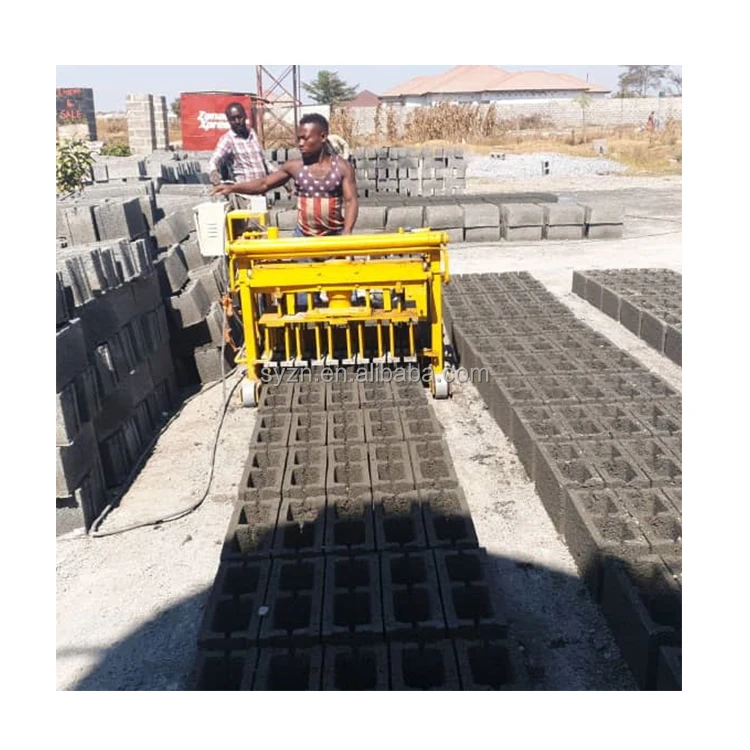
 High quality block machine