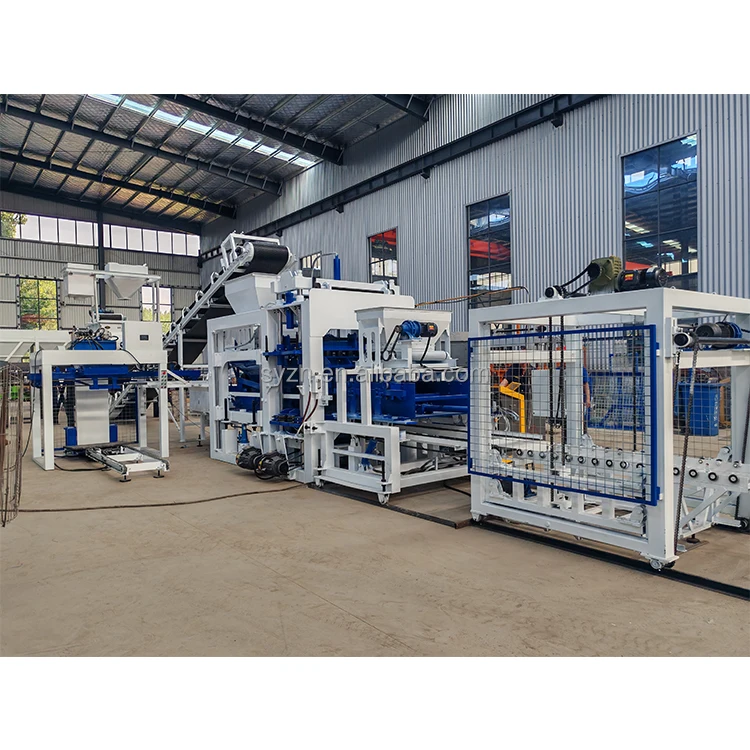
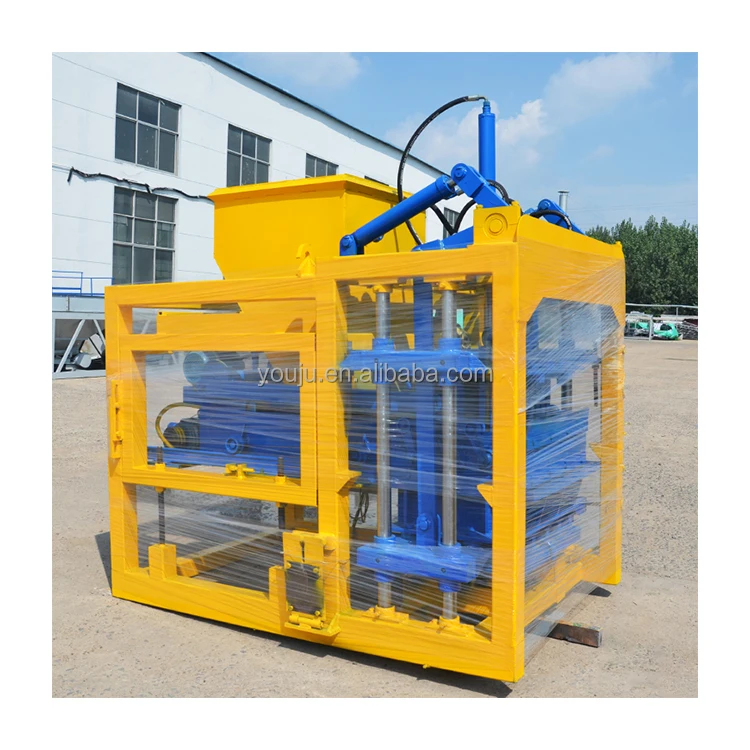
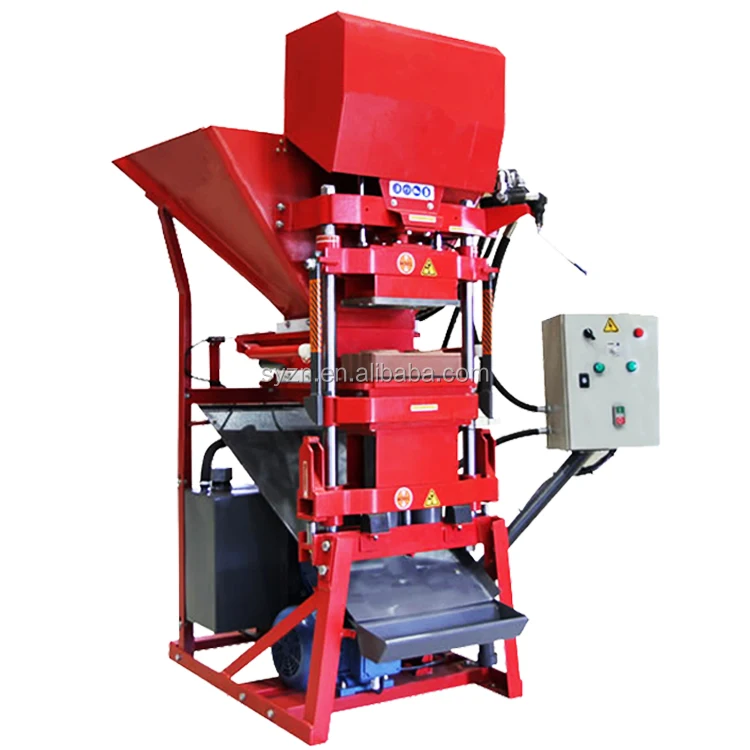
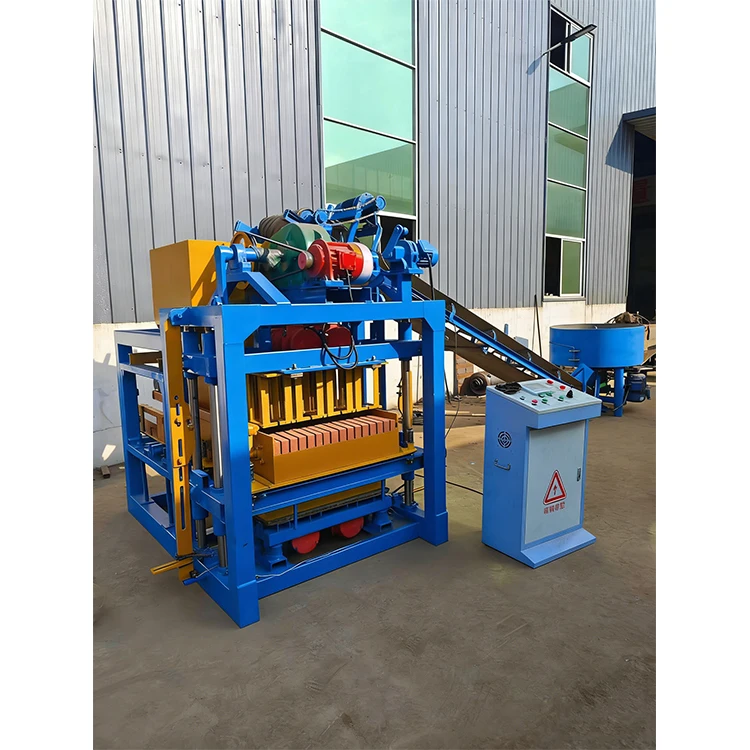
High-Capacity Tier Matched System — The QT10-15 is specified as a complete press, mould, pallet and handling setup so buyers evaluating Shiyue’s full automatic block machine range can see exactly where this model sits before committing to a plant layout.
Technical Specifications
| Parameter |
Value |
| Model |
QT10-15 |
| Product Type |
Fully Automatic Concrete Block Making Machine |
| Overall Dimensions (L×W×H) |
9350×2320×2950 mm |
| Rated Pressure |
21 MPa |
| Main Vibration Form |
Platform vibration |
| Vibration Frequency |
4500–5100 r/min |
| Pallet Size |
1100×900 mm |
| Molding Cycle |
15–25 s |
| Forming Height |
40–250 mm |
| Moulding Area |
1025×810 mm |
| Overall Power |
44 kW |
| Mixer Model |
JS750 |
| General Water Consumption |
12 T/day |
| Control System |
PLC (Japan Mitsubishi) |
| Hydraulic Unit |
Taiwan Jiugang |
| Switches |
Japan Omron |
| Electrical Elements |
France Schneider |
| Host Machine & Mixer Motor |
Germany Siemens |
| Mould Treatment |
High temperature carburizing heat treatment |
| Frame |
National standard steel with special welding technology |
| Output Capacity |
1800–2400 pcs/h based on 400×200×200 mm hollow block, 10 pcs/mould |
| Output Capacity |
2160–2880 pcs/h based on 400×150×200 mm hollow block, 12 pcs/mould |
| Output Capacity |
9360–12480 pcs/h based on 240×115×90 mm solid brick, 52 pcs/mould |
Application Suitability
| Application |
Material or Output |
| Hollow block production plants |
Crushed stone, sand, cement and fly ash aggregates in standard 400×200×200 mm and 400×150×200 mm formats |
| Solid brick manufacturing |
Dense concrete mixes pressed into 240×115×90 mm bricks for load-bearing and partition walls |
| Paver and interlocking brick lines |
Colored face-mix concrete for driveway, walkway and plaza paving formats |
| Curbstone and kerbstone production |
High-strength zero-slump concrete formed within the 40–250 mm forming height range |
| On-site contractor block yards |
Project-scale hollow block output for housing developments with local aggregate sourcing |
What "2400 Pieces per Hour" Leaves Out When Sizing a Fully Automatic Block Machine Manufacturer Order
Every capacity figure must name the block format, the mould cavity count and the cycle time behind it — anything less is a catalogue guess.
I spent years on the assembly floor bolting vibration tables to frames, and later watched a Middle East buyer receive a high-capacity press rated for a specific hollow block. Their local aggregate ran coarse, the vibration force and hydraulic pressure were never re-matched to that mix, and block strength drifted across every pallet. Piles of unsellable output sat in the yard while the crew debated whether the fault lay with the machine or the material. The real problem was that the quotation had stated a peak cycle speed without confirming the format and mix that speed assumed [NEED_CITE: matching vibration force and hydraulic pressure to local aggregate gradation]. A Fully Automatic Block Machine manufacturer that quotes capacity without naming the block behind it is asking you to plan a plant around a number that may never materialize on your floor.
Where the QT10-15 Sits in the Shiyue Range
The QT10-15 occupies the high-capacity tier of Shiyue’s automatic block machine lineup. Buyers comparing entry-level semi-automatic machines against this model should weigh the pallet size of 1100×900 mm and the 1025×810 mm moulding area, which together support multi-cavity moulds producing up to 52 solid bricks per cycle. That moulding area is what separates a workshop-scale operation from a plant that supplies regional construction distributors. The Fully Automatic Block Machine manufacturer positions this model for buyers who have already confirmed their market formats and need a press that will not become the bottleneck once pallet handling and stacking are added upstream and downstream.
Matching Output Tiers to Plant Footprint
A larger press demands more curing rack space, wider forklift aisles and a pallet return loop that keeps pace with a 15–25 second molding cycle. When the cycle drops toward the lower end, pallets leave the press fast enough that manual stacking cannot keep up, making automatic stacking and cubing a practical requirement rather than an optional extra. Buyers planning a first plant often underestimate the floor area needed for the curing racks alone. Shiyue’s line layout documentation states the pallet count, rack footprint and forklift turning radius assumed for the QT10-15 so the building envelope is clear before the foundation is poured [NEED_CITE: plant layout planning for automatic block production lines].
Reading the Specs That Actually Shape Daily Output
Platform vibration at 4500–5100 r/min works in tandem with 21 MPa rated hydraulic pressure to compact the mix from below the mould cavity. The vibration frequency range is wide enough to tune for fine sand mixes on one end and coarse crushed stone on the other, while the hydraulic pressure sets the upper limit of compaction force available to squeeze air voids out of the block. The 40–250 mm forming height covers everything from a thin paver to a tall kerbstone, meaning a single press can serve multiple product lines without a second machine. Siemens main motors drive both the host machine and the JS750 mixer, keeping electrical spares within a single brand family that most industrial electricians already stock. The Mitsubishi PLC paired with Schneider electrical elements gives operators a control platform familiar across export markets, reducing commissioning delays when the display language is confirmed before the machine leaves the factory [NEED_CITE: PLC programming standards for industrial concrete equipment].

The Cost of Skipping Format-Level Capacity Checks
When a buyer signs off on a headline capacity number and the moulds arrive configured for a different block format, the cycle time shifts and daily output falls below what the business plan assumed. Pallets pile up at the press exit because the stacking station was sized for the higher figure, and the curing area fills unevenly. Coarse aggregate that was never tested against the vibration frequency causes surface spalling on pavers, forcing the plant to reject entire batches. Voltage confirmed too late can stall commissioning for weeks while a transformer is sourced locally [NEED_CITE: electrical supply verification for imported industrial machinery]. These are not theoretical risks — they are the exact callbacks that consume the first six months of a new block plant.
Why Source This Tier Through Shiyue
Block machinery is Shiyue’s single focus, which means the QT10-15 press, its moulds, pallets and handling equipment are specified as one matched system rather than assembled from unrelated suppliers. Configuration starts from the buyer’s actual mix design and local aggregate, not a catalogue default, so vibration and pressure settings are matched before the machine ships. Mould design covers every format the buyer’s market demands, including custom drawings when standard cavity layouts do not fit. The automation level is selectable, letting a buyer commission the press in semi-automatic mode and add automatic stacking and cubing later as volume grows. Installation support includes operator training on the Mitsubishi PLC interface, and wear parts and mould availability are confirmed alongside the initial order so the first replacement set is on hand before it is needed.
Documentation & Verification
- Line layout drawing naming the QT10-15 pallet count and curing rack footprint assumed
- Capacity calculation sheet stating block format, cavity count and cycle time for each output figure
- Mould drawing and format list covering every block type the machine will produce on site
- Hydraulic and electrical schematic with Taiwan Jiugang valve layout and Mitsubishi PLC I/O map
- Voltage, frequency and PLC display language confirmation signed before production begins
- Factory test record showing block density readings across the buyer’s specified mix design
Installation, Commissioning & Support
- Foundation pad sized for 9350×2320 mm footprint with vibration isolation mounts under the platform
- Dedicated 44 kW power circuit with voltage and frequency verified against Siemens motor nameplate ratings
- Machine shipped in dismantled modules with reassembly sequence documented in the packing photograph set
- First-run parameter tuning of vibration frequency and hydraulic pressure matched to buyer’s local aggregate
- Operator training on Mitsubishi PLC screen navigation, alarm codes and mould change procedure
- Wear parts list covering mould liner plates, vibration springs and hydraulic seals with reorder intervals
What to Include in Your Inquiry
Send the block formats your market actually sells, including dimensions and target compressive strength, along with the daily output you need to meet existing contracts. Share a sieve analysis of your local aggregate so the vibration and pressure settings can be matched before the QT10-15 leaves the factory. Confirm the voltage, frequency and control language your electricians will expect on site, and note the curing area dimensions and forklift capacity you already have so pallet handling can be specified to match.
Frequently Asked Questions
Q: How does the QT10-15 compare to other tiers in the Shiyue automatic block machine range?
A: The QT10-15 sits in the high-capacity tier with a 1025×810 mm moulding area and 1100×900 mm pallet. Smaller tiers in the Shiyue range use narrower pallets and fewer mould cavities per cycle. Buyers who have already confirmed their block formats and daily volume targets typically land on this model, while start-up plants with lower initial budgets begin on a semi-automatic tier and upgrade handling later.
Q: What block formats and daily outputs are realistic on this machine with my local aggregate?
A: Realistic output depends on the block format, mould cavity count and the cycle time your aggregate allows. The QT10-15 is rated at 1800–2400 pieces per hour for 400×200×200 mm hollow blocks with 10 cavities, and at 9360–12480 pieces per hour for 240×115×90 mm solid bricks with 52 cavities. Coarse aggregate may extend cycle time, so a mix test confirms the figure for your site.
Q: What plant footprint and utility requirements does the QT10-15 need?
A: The press itself measures 9350×2320×2950 mm, but the full plant footprint includes mixer placement, pallet return conveyors, stacking stations and curing racks. A dedicated 44 kW electrical circuit is required, and water consumption averages 12 tonnes per day. Shiyue provides a line layout drawing that maps every station so the building envelope is clear before ground is broken.
Q: Can I start semi-automatic and upgrade the handling and stacking later?
A: Yes. The QT10-15 automation level is selectable at order. Buyers can commission the press with manual pallet handling and add automatic pallet feeding, stacking and cubing modules as volume grows. The Mitsubishi PLC platform supports these additions without replacing the main controller, keeping the upgrade path within the existing electrical architecture.
Q: What voltage, frequency and control language options are confirmed before shipment?
A: Voltage and frequency are customized to local supply and confirmed in writing before production starts. The Mitsubishi PLC display language is set to match the operator team, and all Schneider electrical elements and Siemens motor nameplates are matched to the agreed supply. This confirmation step prevents commissioning delays caused by mismatched transformers or unreadable alarm screens on arrival.

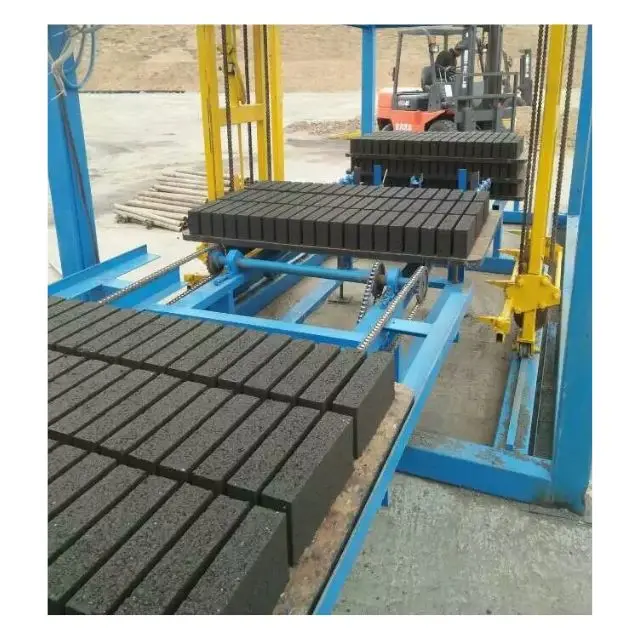
 Automatic block machine