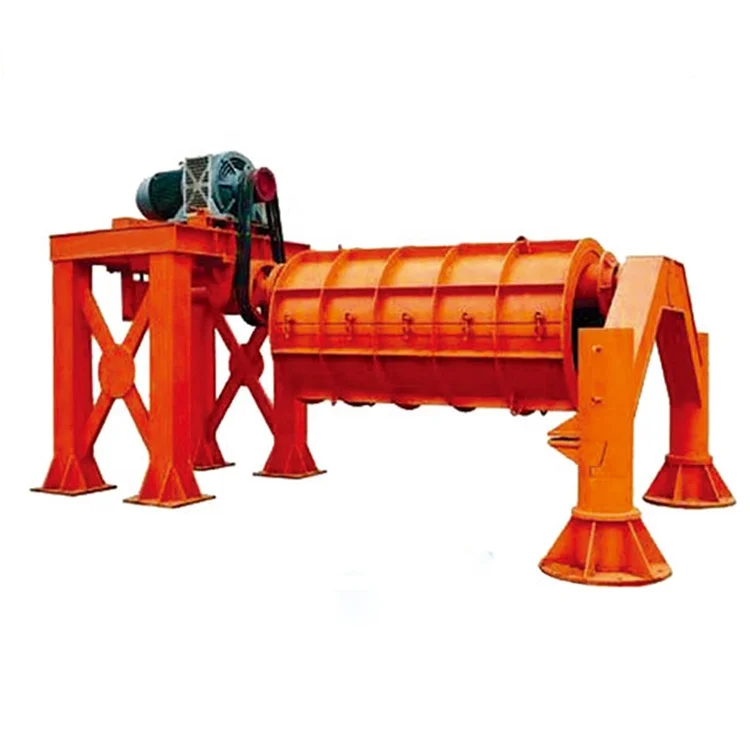
Single-Focus Machinery Partner — we configure each concrete pipe making machine and its moulds as one matched system, not separate components assembled from different suppliers.
Technical Specifications
| Parameter |
Value |
| Product Type |
Suspension Roller Concrete Pipe Making Machine |
| Pipe Diameter Range |
300–2500 mm |
| Pipe Length Range |
2–4 meters |
| Forming Method |
Suspension Roller (centrifugal compaction) |
| Cycle Time per Pipe |
3–5 minutes (basis not stated in source — confirm pipe diameter / wall thickness / concrete mix) |
| Material Type |
Dry cast concrete |
| Pipe Joint Options |
Flush joint, socket & spigot joint (customizable) |
| Mould Type |
Customized concrete pipe mould matched to suspension roller machine |
| Noise Level |
80–90 dB (source value — verify against manufacturer catalog) |
Application Suitability
| Application |
Material or Output |
| Municipal drainage pipe production |
Reinforced concrete pipes, 300–1200 mm diameter, flush or socket joints |
| Road culvert and highway infrastructure |
Large-diameter reinforced concrete pipes up to 2500 mm |
| Agricultural irrigation channel pipe |
Pre-stressed or reinforced concrete, socket & spigot joints |
| Deep water well casing pipe |
Dry cast concrete, customized wall thickness |
| Pre-stressed concrete pipe manufacturing |
High-strength dry cast mix with pre-stress wire winding |
What "3–5 Minutes per Pipe" Actually Means for Your Plant
Cycle time only matters when tied to the exact pipe diameter, wall thickness, and concrete mix you will run.
I once watched a buyer celebrate a fast cycle quote, only to discover the figure assumed a thin-wall small-diameter pipe while his market demanded heavy-wall culvert formats. His real output dropped to a fraction of what he planned around. When sourcing a concrete pipe making machine manufacturer, the first question should never be "how fast" but "how fast for my specific format." Mismatched expectations on cycle time ripple through shift planning, curing rack capacity, and crane scheduling [NEED_CITE: typical pipe plant output planning assumptions].

Matching Machine Tier to Pipe Diameter and Daily Target
Selecting the right suspension roller concrete pipe making machine starts with your largest target diameter and heaviest wall thickness, because those define the centrifugal force and mould mass the system must handle. A machine sized only for your smallest format will struggle when production shifts to large culvert pipe. Our range covers 300 mm through 2500 mm, letting you position your plant on the correct tier before committing to a configuration.
Why Dry Cast Matters for Pipe Density and Site Environment
The dry cast process uses low-slump concrete compacted by high-speed centrifugal roller action, producing dense pipe walls without waste cement slurry runoff. This eliminates the need for slurry collection pits on your factory floor and reduces environmental handling requirements. For buyers expanding an existing dry cast block or paver line into pipe production, the material handling logic stays consistent across your plant.
Reading the Specs That Determine Real Output
The pipe diameter range of 300–2500 mm defines which market segments you can serve, but the actual daily throughput depends on how many moulds you rotate through curing and how fast your crane can strip and re-set them. Suspension roller forming relies on centrifugal compaction to consolidate the concrete against the mould wall, so the rotational speed and roller pressure must match the mix stiffness. If the mix is too wet, the pipe wall slumps before the spin cycle finishes; if too dry, the roller cannot achieve full compaction. Joint customization between flush and socket & spigot affects mould complexity and stripping time, which in turn influences how many pipes one mould station can deliver per shift [NEED_CITE: concrete pipe joint standards by region].
The Hidden Cost of Underspecifying the Mould and Crane Interface
Buyers who select a pipe machine without confirming the mould weight, stripping method, and overhead crane capacity often find that the press itself is never the bottleneck — the handling around it is. A large-diameter mould can weigh several tons when filled, and if your existing crane was sized for block pallets rather than pipe moulds, every lift becomes a safety concern and a scheduling delay. This mismatch typically surfaces only after the machine is installed and the first production run stalls [NEED_CITE: overhead crane capacity requirements for precast pipe plants].
Why Procure the Full Line from One Machinery Source
Specifying the pipe machine, moulds, and supporting equipment from a single source means the cycle time at each station is calculated against the others, so the roller press is not left idle waiting for a crane or a mixer. Our configuration process starts with your target pipe format and local aggregate, not a catalog default. Mould drawings are produced to match your regional joint standards before fabrication begins. We confirm voltage, frequency, and control language for your market before production starts, avoiding commissioning delays after arrival. Factory testing runs your actual pipe diameter and wall thickness, not a generic demonstration format.
Documentation & Verification
- Line layout showing pipe diameter, wall thickness, and mix assumed in capacity calculation
- Machine specification sheet with rated power, voltage, and frequency confirmed for your market
- Mould drawing and joint format list matched to local pipe installation standards
- Factory test record on your pipe format before dispatch
- Packing photographs documenting machine and mould condition at loading
Installation, Commissioning & Support
- Foundation plan sized to the machine’s operating weight and vibration profile for your pipe diameter range
- Dedicated power circuit matching confirmed voltage and frequency before the machine arrives on site
- Mould assembly and roller alignment checked during first commissioning run on your target pipe format
- Operator training covering mix stiffness adjustment, spin cycle tuning, and mould stripping sequence
- Wear parts list for roller bearings, mould seals, and drive belts with recommended replacement intervals
- Maintenance schedule aligned to your shift pattern and local ambient conditions
Before You Request a Quote
To configure a suspension roller concrete pipe making machine that actually fits your plant, we need your target pipe diameters and wall thicknesses, the concrete mix design or local aggregate you plan to use, your available overhead crane capacity, and the voltage and frequency standard at your site. If you already operate a batching plant or curing yard, share those dimensions so the line layout accounts for existing equipment.
Frequently Asked Questions
Q: How is output capacity verified and what pipe format is it based on?
A: We calculate daily output based on the specific pipe diameter, wall thickness, and concrete mix you will produce, factoring in mould rotation time through curing and crane availability. The capacity figure in any proposal states the exact format assumed, so you can compare it directly against your production target rather than guessing whether a generic number applies to your product mix.
Q: Which voltage, frequency, and control language options are available for my market?
A: Voltage and frequency are confirmed during the proposal stage to match your local grid standard, whether 380V/50Hz, 440V/60Hz, or another configuration. Control panel labels and PLC interface language are set before production so operators can read instructions in their working language from the first day of commissioning.
Q: How do I match the machine tier to my target pipe diameter and daily output?
A: Start with your largest diameter and heaviest wall thickness, as these determine the centrifugal force and mould mass the system must handle. We then map your daily target against the number of moulds and curing positions available, giving you a tier recommendation that covers your full format range without oversizing the investment.
Q: What mould joint types can be customized and how does that affect the quotation?
A: Flush joints and socket & spigot joints are both available, designed to match the pipe installation standards in your region. Socket & spigot moulds involve additional machining for the bell end, which affects mould cost and stripping time. We include the joint specification in the mould drawing for your approval before fabrication.
Q: What supporting equipment is needed to complete the pipe production line?
A: A complete line typically includes a concrete mixer sized for dry cast low-slump batches, a feeding system to deliver concrete into the mould, an overhead crane for mould handling and pipe stripping, and a curing area with adequate space for the mould rotation cycle. We specify each station so cycle times align and the roller press is not left waiting between operations.

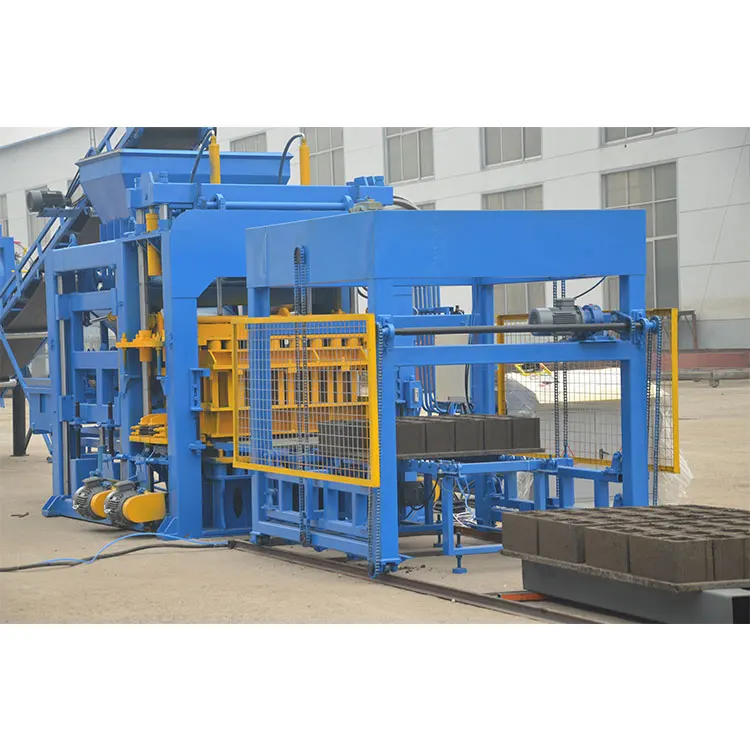 Automatic block machine